The Importance of Inspections for New Construction Homes
30 May 2026
When buying a brand-new home, it’s easy to assume that everything is in perfect condition. After all, what could possibly be wrong with a house that no one has lived in? Unfortunately, even newly built homes can have issues. This is why inspections for new construction homes are absolutely crucial.
Many buyers skip this step, thinking it’s unnecessary. But trust me—getting an inspection can save you from costly repairs and endless frustration down the road. Let’s dive into why inspections matter, what they cover, and how they protect your investment.
Why You Should Never Skip an Inspection on a New Home
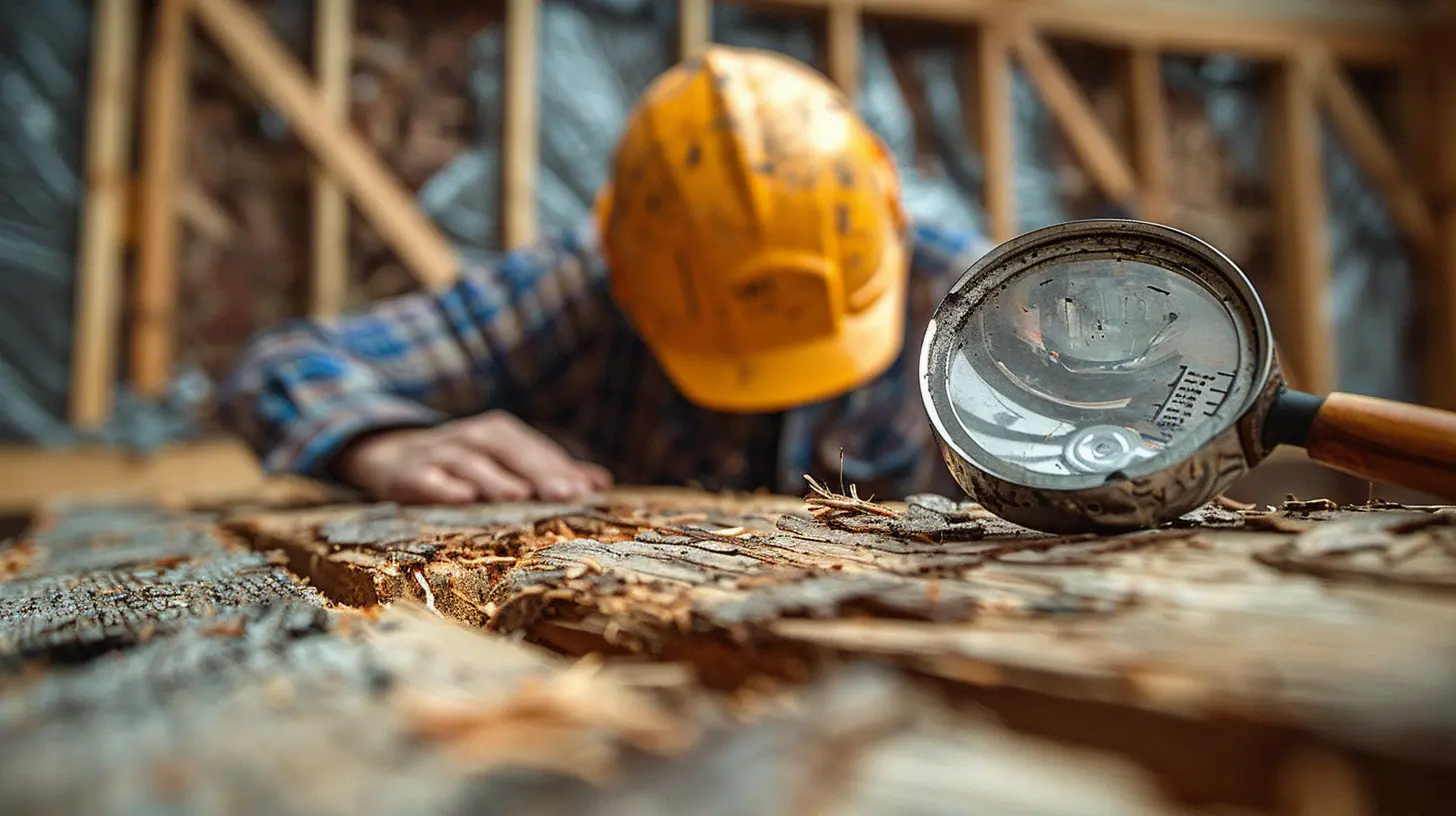
It’s tempting to think that a home straight out of construction is flawless. After all, it’s brand new, right? Not exactly. Homebuilders are human, and mistakes happen. Some errors are minor, while others can lead to major problems if left unnoticed.Here’s why an inspection is a must:
- Construction Mistakes Happen – Even the best builders can make errors. Whether it's improper wiring, plumbing missteps, or structural defects, new homes can have serious issues.
- Building Code Compliance Isn’t Guaranteed – Just because a home passed city inspections doesn’t mean everything is perfect. Municipal inspectors often check only for bare-minimum code compliance.
- Hidden Issues Can Exist – Some problems won’t be visible to the untrained eye. A professional home inspector can spot issues before they turn into expensive nightmares.
Skipping an inspection could mean walking into a home filled with hidden defects. And once you’ve closed, those problems—and their costs—become yours.
What Does a New Home Inspection Cover?
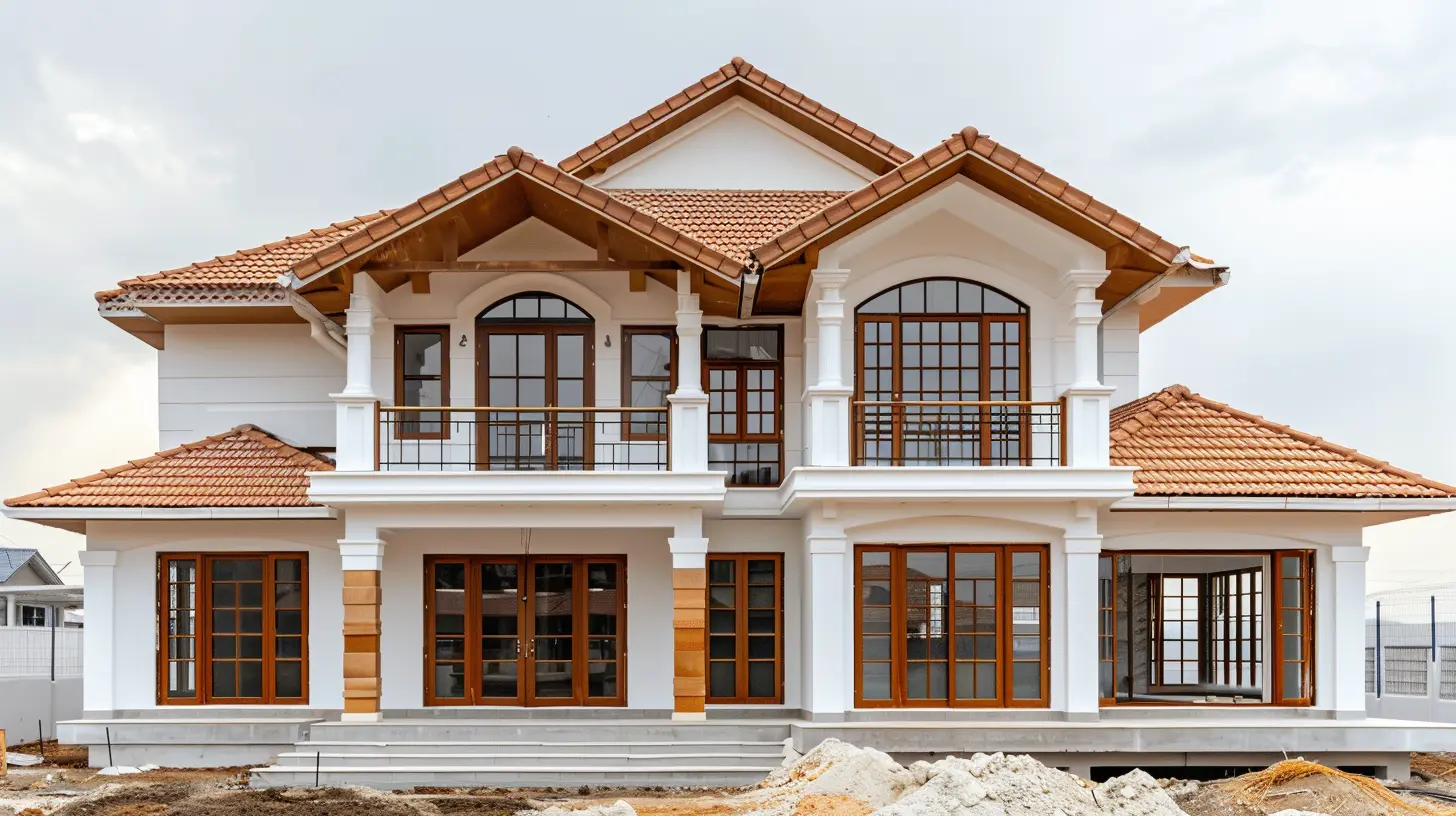
A thorough inspection isn’t just about checking if the walls are painted properly or the floors look nice. It’s an in-depth review of the entire home to ensure that everything is built to last. Here’s what an inspection typically includes:1. Structural Components
- Foundation quality- Framing problems
- Roof stability and potential leaks
If the foundation isn't solid, everything else in the house could be at risk. A small crack can turn into a structural nightmare.
2. Electrical Systems
- Proper wiring and panel installation- Grounding and fire safety checks
- Functional circuit breakers
Faulty wiring isn’t just an inconvenience—it’s a fire hazard. An inspection ensures that the house is safe from electrical disasters.
3. Plumbing Systems
- Pipe leaks or improper connections- Water pressure and drainage issues
- Proper installation of sinks, bathtubs, and toilets
A small leak today can lead to mold, water damage, and thousands in repairs. Nobody wants to deal with plumbing nightmares in a brand-new home.
4. HVAC (Heating, Ventilation, and Air Conditioning) System
- Proper ductwork installation- AC and heating efficiency
- Airflow and insulation quality
You don’t want to find out in the middle of summer that your AC wasn’t installed correctly. A home inspection ensures your HVAC system is working as expected.
5. Roofing and Attic Inspection
- Proper shingle installation- Leak detection
- Insulation coverage
A poorly installed roof can result in water damage, mold growth, and a hefty repair bill. Catching issues early saves you money and stress in the future.
6. Doors, Windows, and Insulation
- Proper window and door sealing- Energy efficiency checks
- Draft or leakage detection
Bad installations can lead to higher energy bills due to air leakage. An inspection ensures your home remains efficient and comfortable.
7. Exterior and Drainage
- Grading and drainage system- Driveway and sidewalk conditions
- Proper sealing and siding installation
Water pooling near the foundation can lead to serious structural damage. Inspectors check if grading allows for proper water drainage.
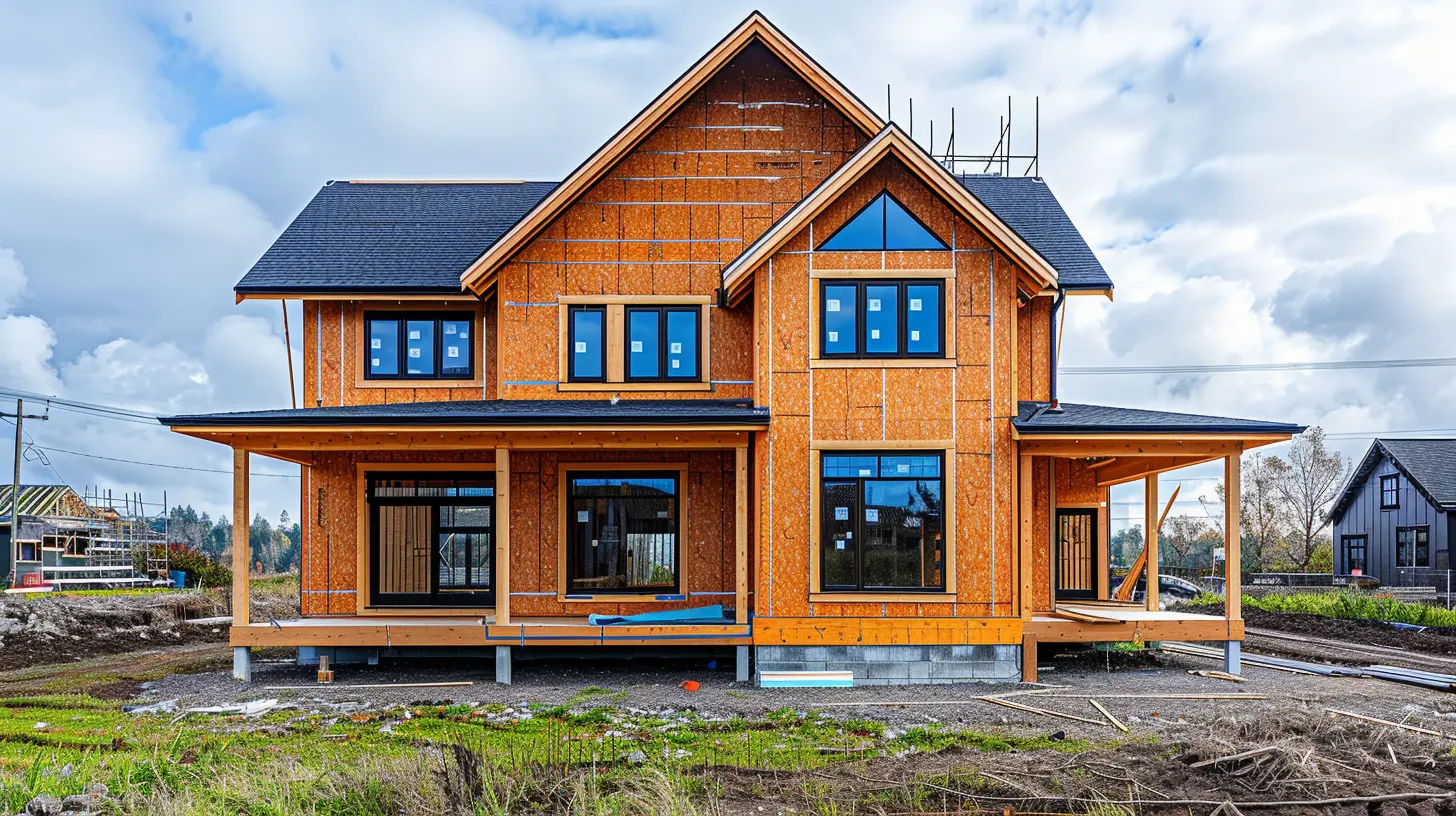
The Different Types of Inspections for New Construction Homes
Not all inspections are the same. When buying a new home, consider these key types of inspections:1. Pre-Drywall Inspection
This inspection occurs before the drywall is installed. It allows inspectors to check wiring, plumbing, framing, and insulation before everything is covered up. Once the drywall is in place, hidden problems become harder to detect.2. Final Inspection
This is the standard home inspection most buyers are familiar with. It happens once construction is complete and ensures that everything is functioning properly before move-in.3. Warranty Inspection (11-Month Inspection)
Most new homes come with a builder’s warranty, typically covering defects for the first year. An inspection around the 11-month mark can help identify problems before that warranty expires—so the builder, not you, pays for any needed repairs.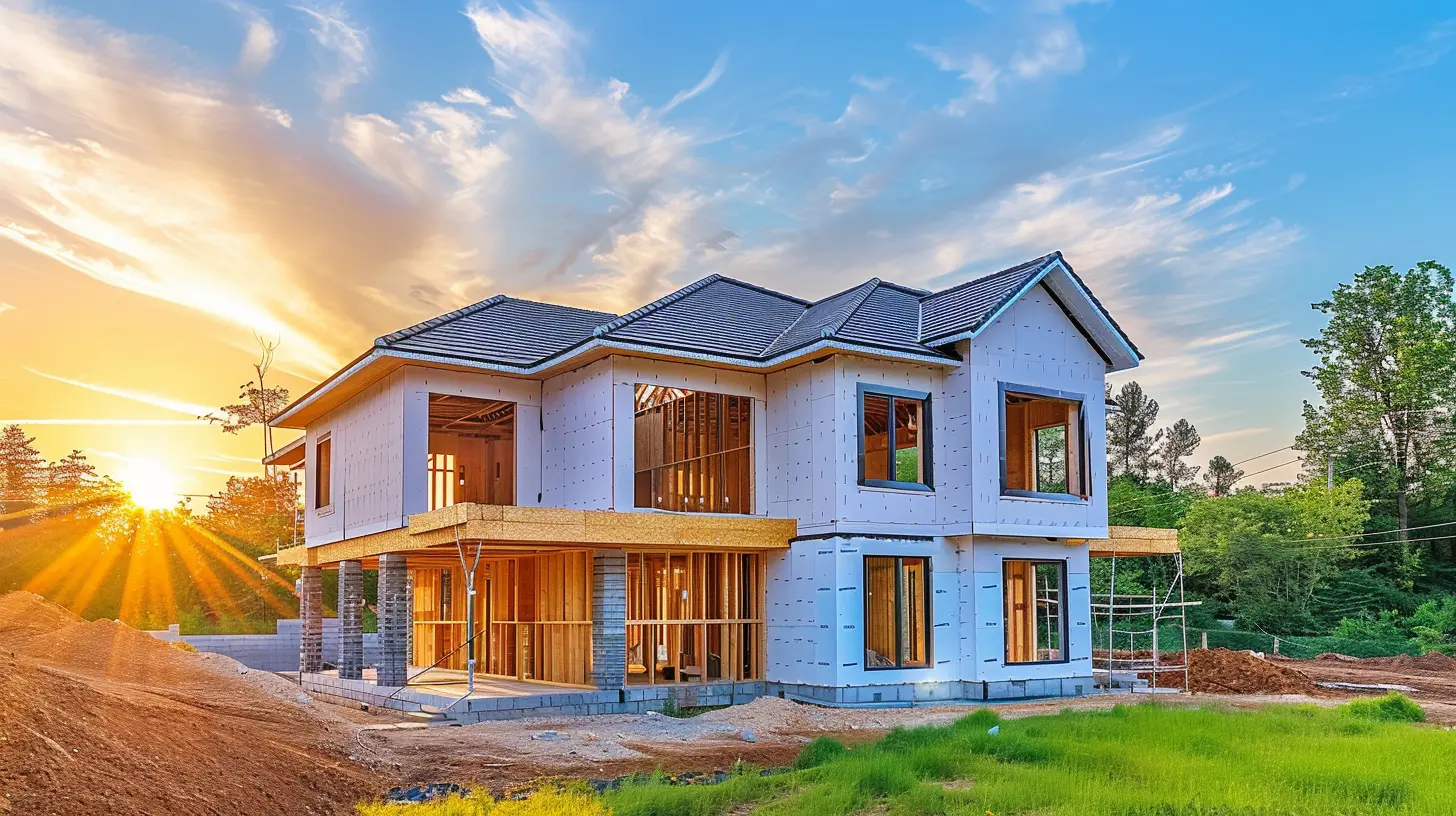
Who Should Conduct the Inspection?
Not just anyone can properly inspect a home. While builders may claim that their work has already been checked by the city, municipal inspections are often brief and focused only on code compliance.Instead, hire a licensed home inspector who specializes in new construction. They know what to look for and can provide a detailed report on any issues.
What to Do If the Inspection Uncovers Problems
So, the inspection report comes back with issues. What now? Don’t panic! It's normal for almost every inspection to find at least a few problems.Steps to Take
1. Review the Report in Detail – Some issues may be minor, while others could be deal-breakers.2. Discuss Repairs with the Builder – Most builders will address problems before you close on the home.
3. Negotiate if Needed – If major problems arise, you may have leverage to negotiate repairs, upgrades, or even price reductions.
The key is to ensure everything is fixed before finalizing the purchase.
Final Thoughts: Protect Your Investment
Buying a new home is exciting, but don’t let that excitement blind you. Even the most beautifully built homes can have hidden flaws. A thorough inspection helps protect your investment, your safety, and your peace of mind.Think of it like getting a health check-up. You wouldn’t assume you’re perfectly healthy just because you feel fine, right? A home inspection does the same—catching potential problems before they turn into costly disasters.
So, if you’re buying a new construction home, do yourself a favor: get an inspection. You’ll thank yourself later.
all images in this post were generated using AI tools
Category:
New ConstructionAuthor:

Mateo Hines
Discussion
rate this article
1 comments
Mallory Daniels
Thorough inspections can save you from costly surprises later.
June 1, 2026 at 5:00 AM
Mateo Hines
Absolutely, thorough inspections are crucial. They help catch issues early, saving time and money down the road.