The Importance of Master Planning for Sustainable Urban Growth
20 May 2026
Urban growth is inevitable. With more people moving to cities every year, we must ask ourselves one critical question: How do we ensure cities grow in a way that benefits everyone—without harming the environment or sacrificing quality of life?
That’s where master planning comes in. It’s not just a fancy term used by city planners; it’s the foundation for sustainable urban development. A well-thought-out master plan shapes the future of a city, balancing growth with sustainability. So, let’s dive into why it’s so important and how it impacts our communities. 
What Is Master Planning?
Before we get into the benefits, let's clear up what we mean by master planning. In simple terms, it’s a long-term strategy for urban development. Think of it as a blueprint for a city’s future, guiding everything from housing and transportation to green spaces and economic growth.A master plan doesn’t just focus on the present—it looks ahead, sometimes decades into the future, to ensure a city develops efficiently, sustainably, and equitably. 
Why Is Master Planning Essential for Sustainable Urban Growth?
Urbanization is happening at an unprecedented rate. By 2050, nearly 70% of the world’s population is expected to live in cities. Without proper planning, this rapid growth can lead to urban chaos—congested roads, unaffordable housing, pollution, and inefficient infrastructure.Master planning helps cities grow smart rather than just grow big. Here's why it’s essential:
1. Prevents Urban Sprawl
One of the biggest challenges of urban growth is sprawl—when cities expand outward in an unplanned and haphazard way. This leads to long commutes, lack of infrastructure, and the destruction of natural habitats.A solid master plan promotes compact and efficient development, encouraging cities to build up instead of out. This helps preserve surrounding natural landscapes while making cities more walkable and connected.
2. Encourages Sustainable Transportation
Have you ever been stuck in endless traffic, wondering if there’s a better way? That’s a direct result of poor urban planning. A well-designed city should prioritize public transport, cycling, and pedestrian-friendly roads.Through master planning, cities can integrate:
- Efficient public transit (buses, subways, trams)
- Bike lanes and pedestrian zones
- Mixed-use developments (where homes, offices, and shops coexist, reducing the need for long commutes)
This not only reduces traffic congestion but also lowers carbon emissions—creating a healthier environment for everyone.
3. Promotes Affordable and Inclusive Housing
Without proper planning, cities tend to develop unevenly, with wealthy neighborhoods thriving while low-income communities struggle. Master planning ensures there’s a mix of affordable and inclusive housing, preventing displacement and gentrification.Zoning laws can be designed to encourage diverse housing options, including:
- Affordable housing projects
- Mixed-income developments
- Sustainable and energy-efficient homes
This approach creates cities where everyone—not just the wealthy—can thrive.
4. Protects Green Spaces and the Environment
Imagine a city without parks, trees, or green spaces. It would feel lifeless, right? Urban growth shouldn’t come at the cost of nature.Master planning integrates green spaces within city layouts, ensuring that urban environments remain breathable and vibrant. This includes:
- Parks and recreational areas
- Green rooftops and vertical gardens
- Tree-lined streets
Not only do green spaces enhance beauty and quality of life, but they also improve air quality, reduce urban heat, and promote mental well-being.
5. Supports Economic Development
Cities are economic powerhouses, but without structured growth, economies can become lopsided. Master planning ensures that:- Commercial hubs are strategically placed
- Industrial zones don’t interfere with residential areas
- Job opportunities are accessible to residents
This careful balancing act attracts investors and businesses, creating a thriving economy that benefits the entire community.
6. Enhances Disaster Resilience
In many parts of the world, rapid urbanization has increased the risk of disasters like floods, heatwaves, and earthquakes. Master planning incorporates climate resilience by designing cities that can withstand natural disasters.Some critical disaster-proofing strategies include:
- Proper drainage systems to prevent flooding
- Earthquake-resistant infrastructure
- Sustainable energy solutions like solar and wind power
By planning ahead, cities can mitigate risks and protect their residents from unexpected disasters. 
Key Elements of an Effective Master Plan
A successful master plan isn’t just about drawing pretty maps. It must include several key elements to be truly effective:1. Smart Zoning Regulations
Zoning dictates how land is used, ensuring that different areas are designated for homes, businesses, industry, and green spaces. When done correctly, it prevents overcrowding and ensures a proper mix of land uses.2. Mixed-Use Development
Gone are the days when cities had strictly residential or commercial zones. Today, mixed-use development is key—blending housing, offices, and retail spaces to create more dynamic and convenient neighborhoods.3. Public Engagement and Community Input
No master plan is complete without the voices of the people who actually live there. Community involvement ensures that urban growth reflects the real needs of residents, rather than just the ambitions of developers.4. Sustainable Infrastructure
From energy-efficient buildings to smart waste management, infrastructure plays a huge role in urban sustainability. Cities should prioritize:- Renewable energy sources
- Water conservation techniques
- Smart grid technologies for electricity efficiency
5. Future-Proofing for Population Growth
A good master plan looks ahead 20, 30, even 50 years into the future. Anticipating population growth allows cities to scale services and infrastructure accordingly, avoiding crises down the road.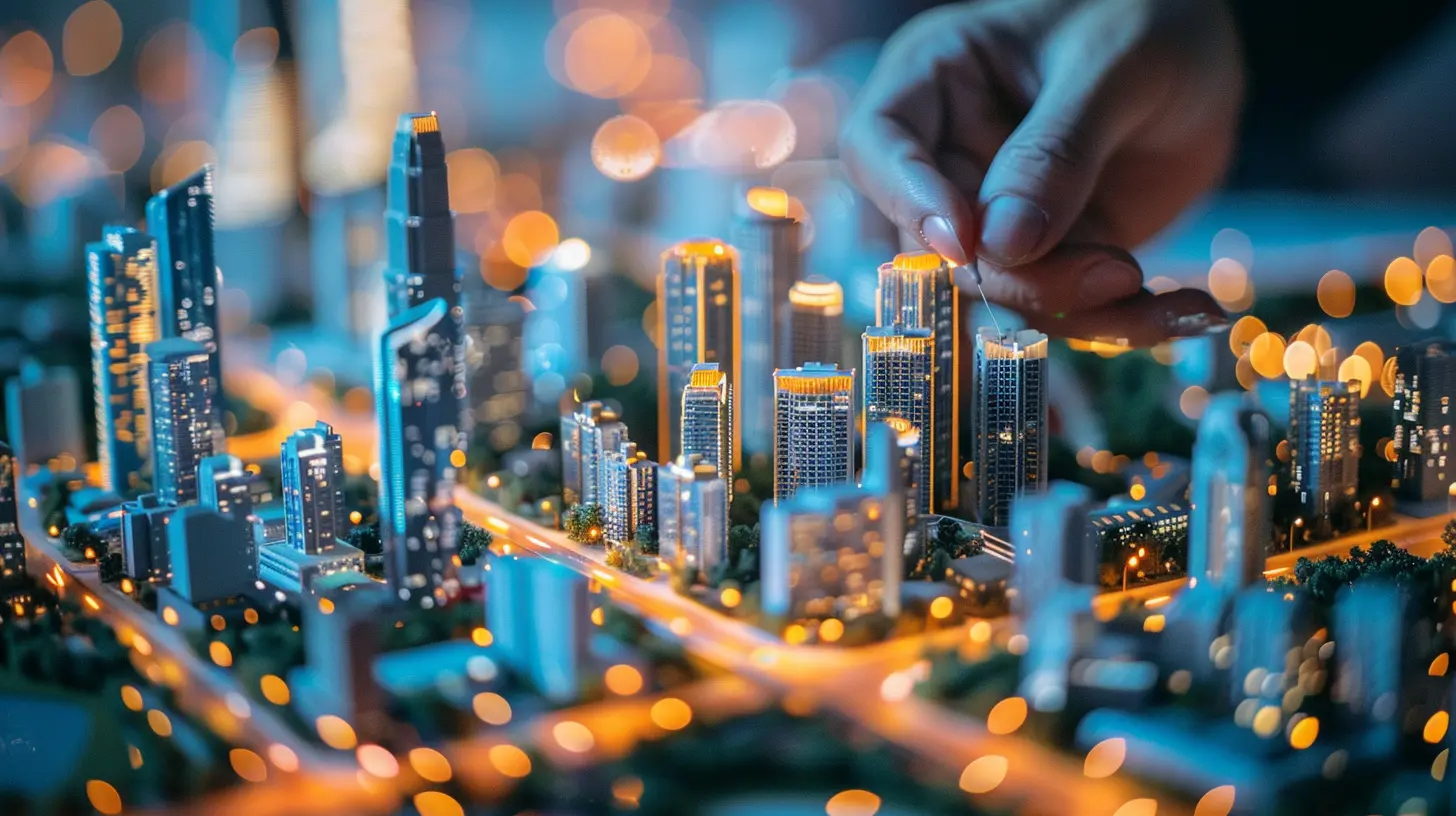
The Role of Government and Private Sector
Master planning isn’t a one-person job. It requires the collective effort of governments, urban planners, developers, and local communities.- Government authorities set regulations, oversee land use, and invest in public infrastructure.
- Private sector developers bring in innovation and funding, helping execute large-scale projects.
- Local communities provide input and feedback to ensure that development aligns with their needs.
When all these players work together, cities grow sustainably and equitably—making them better places to live for generations to come.
Conclusion
Master planning isn’t just about constructing buildings and roads—it’s about shaping the way we live, work, and interact in cities. Without it, urban growth can spiral out of control, leading to congestion, pollution, and economic disparity.By planning ahead, cities can grow in a way that promotes sustainability, inclusivity, and economic prosperity. Whether it’s through efficient transport, green spaces, or affordable housing, a well-executed master plan is the key to thriving urban environments.
So, the next time you see a well-organized city with clean streets, bustling businesses, and beautiful parks, remember—it didn’t happen by accident. It happened because of master planning.
all images in this post were generated using AI tools
Category:
Real Estate DevelopmentAuthor:

Mateo Hines
Discussion
rate this article
2 comments
Soraya Carr
Master planning really shapes our communities for a better future.
August 9, 2026 at 3:22 AM
Peter Summers
This article highlights a critical aspect of urban development. Master planning not only enhances sustainability but also fosters community engagement and long-term viability. It's impressive to see how thoughtful strategies can lead to vibrant, livable cities. Looking forward to seeing more discussions on this vital topic. Great job!
May 26, 2026 at 4:33 AM
Mateo Hines
Thank you for your thoughtful comment! I'm glad you found the article valuable. Master planning truly is essential for building sustainable and engaging communities. Looking forward to more discussions on this topic too!