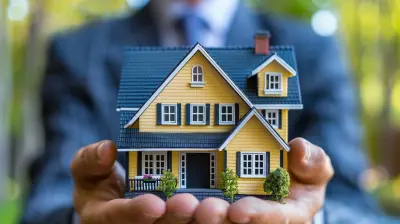
The Power of Home Staging Explained for Future Sellers in 2026
16 September 2026
If you own a home and plan to sell it in 2026, you are stepping into a market that rewards preparation. Buyers scroll through listings on their phones before they ever step foot in a property. They form opinions in seconds. Your house, no matter how charming it feels to you, has to win that split-second judgment. This is where home staging enters the picture, and it is far more than fluffing pillows and lighting a vanilla candle.
Staging is a marketing discipline. It is the art and science of arranging a home so that the largest possible pool of buyers can see themselves living there. Done well, it reduces the friction between a listing and an offer. Done poorly or skipped entirely, it can leave money on the table and add weeks or months to your sale timeline.
In this guide, I will walk you through what staging actually involves in 2026, why it works, when it is worth the investment, and how to avoid the mistakes that trip up even savvy sellers. Whether you are selling a starter condo or a sprawling suburban home, the principles here will help you make smarter decisions.
What Home Staging Really Means in 2026
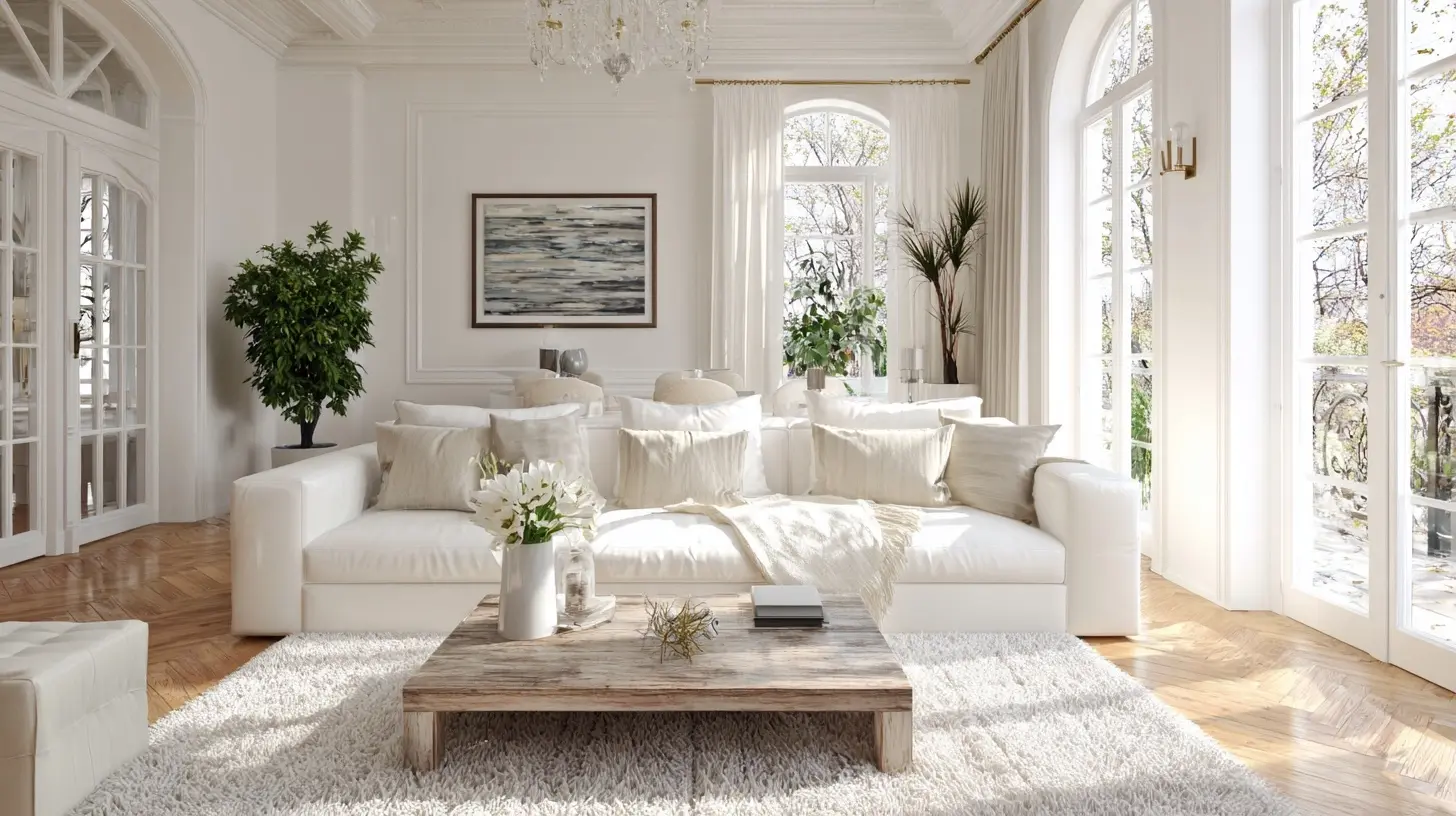
Staging is not decorating. Decorating reflects the taste of the person who lives there. Staging reflects the taste of the person you want to attract. That shift in mindset is everything.A stager looks at your home through the eyes of a buyer. They ask questions like: Does this room feel cramped? Is the purpose of this space obvious? Does the flow encourage someone to linger or to leave? Then they make adjustments, sometimes small, sometimes dramatic, to answer those questions in your favor.
In 2026, staging has evolved in a few notable ways:
- Virtual staging has become mainstream for online listings, especially for vacant properties. It digitally furnishes rooms in photos, giving buyers a sense of scale and function without the cost of physical furniture.
- Hybrid staging combines a small number of physical pieces with virtual enhancements for the rest. This is often the sweet spot for budget-conscious sellers.
- Sustainability matters more. Buyers, particularly younger ones, respond well to staging that uses natural materials, plants, and energy-efficient lighting. It subtly signals that the home is modern and responsible.
- Short-form video tours have made staging even more important because movement reveals flow in ways still photos cannot hide.
The core idea, though, has not changed. You are creating an emotional hook. Buyers buy on emotion and justify with logic. Staging speaks to the emotion first.
Why Staging Works: The Psychology Behind It
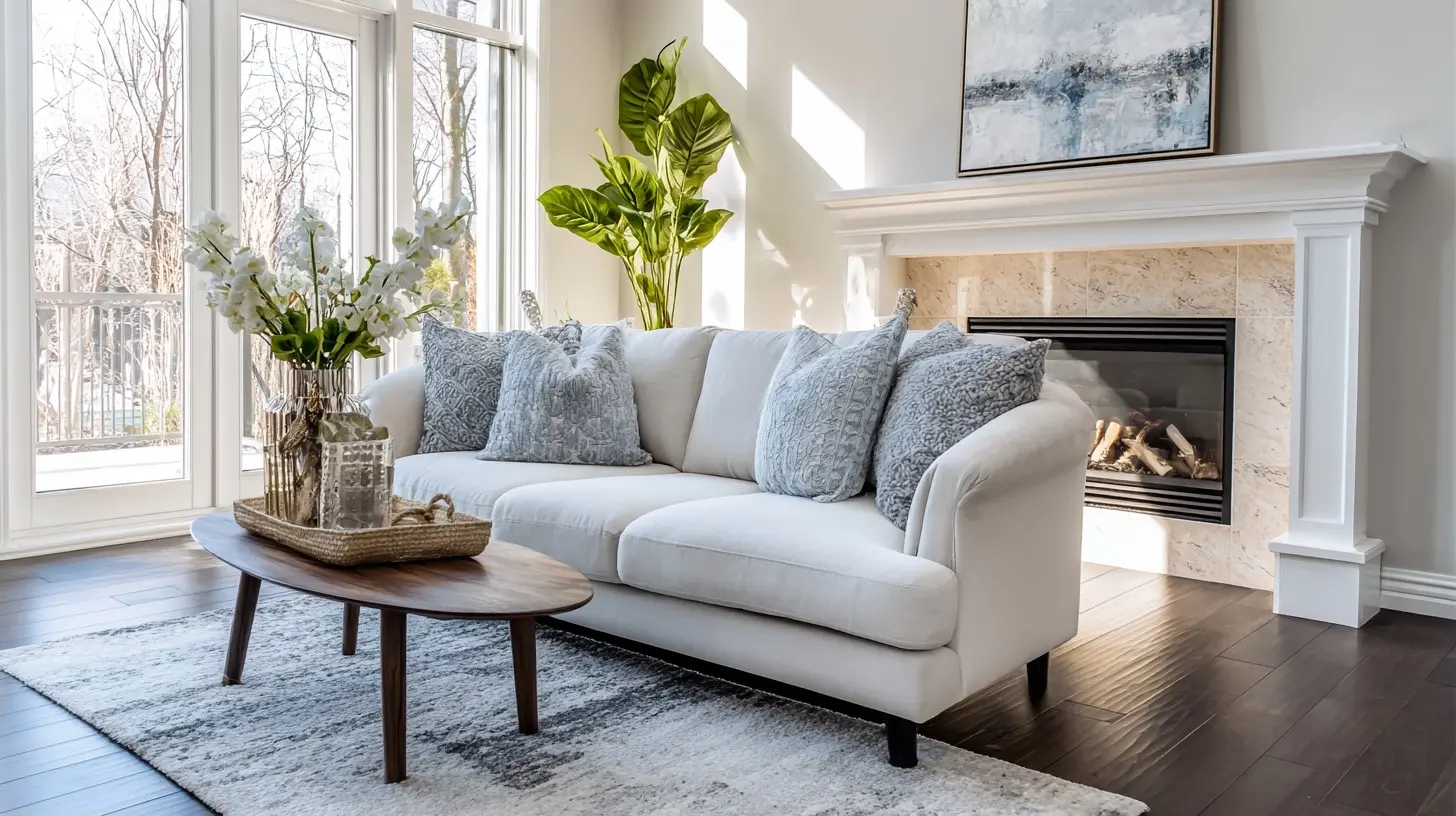
Humans are visual and emotional creatures. When we walk into a space, we are not calculating square footage in our heads. We are feeling something. Is this place calm? Bright? Welcoming? Does it feel like a place where I could host friends or relax after work?Staging taps into several psychological principles:
The Power of First Impressions
Research in real estate consistently suggests that buyers decide within the first few seconds whether they are interested. That decision is largely subconscious. A cluttered, dimly lit room triggers a mild stress response. A clean, well-lit, thoughtfully arranged room triggers comfort. You want the second reaction.Neutrality Helps Buyers Project Themselves
When a home is full of personal items, family photos, and bold design choices, buyers struggle to imagine their own life there. Staging removes those distractions. It is not about erasing personality entirely; it is about dialing it back so the buyer's imagination can take over.Perceived Value Rises
A staged home often looks more expensive than an unstaged one, even if nothing structural has changed. This is called perceived value. When a buyer believes a home is well-cared for, they are more likely to accept a higher price and worry less about hidden problems.It Signals Care
A staged home tells a story: the owners took this seriously. That psychological signal can reduce lowball offers and make negotiations smoother.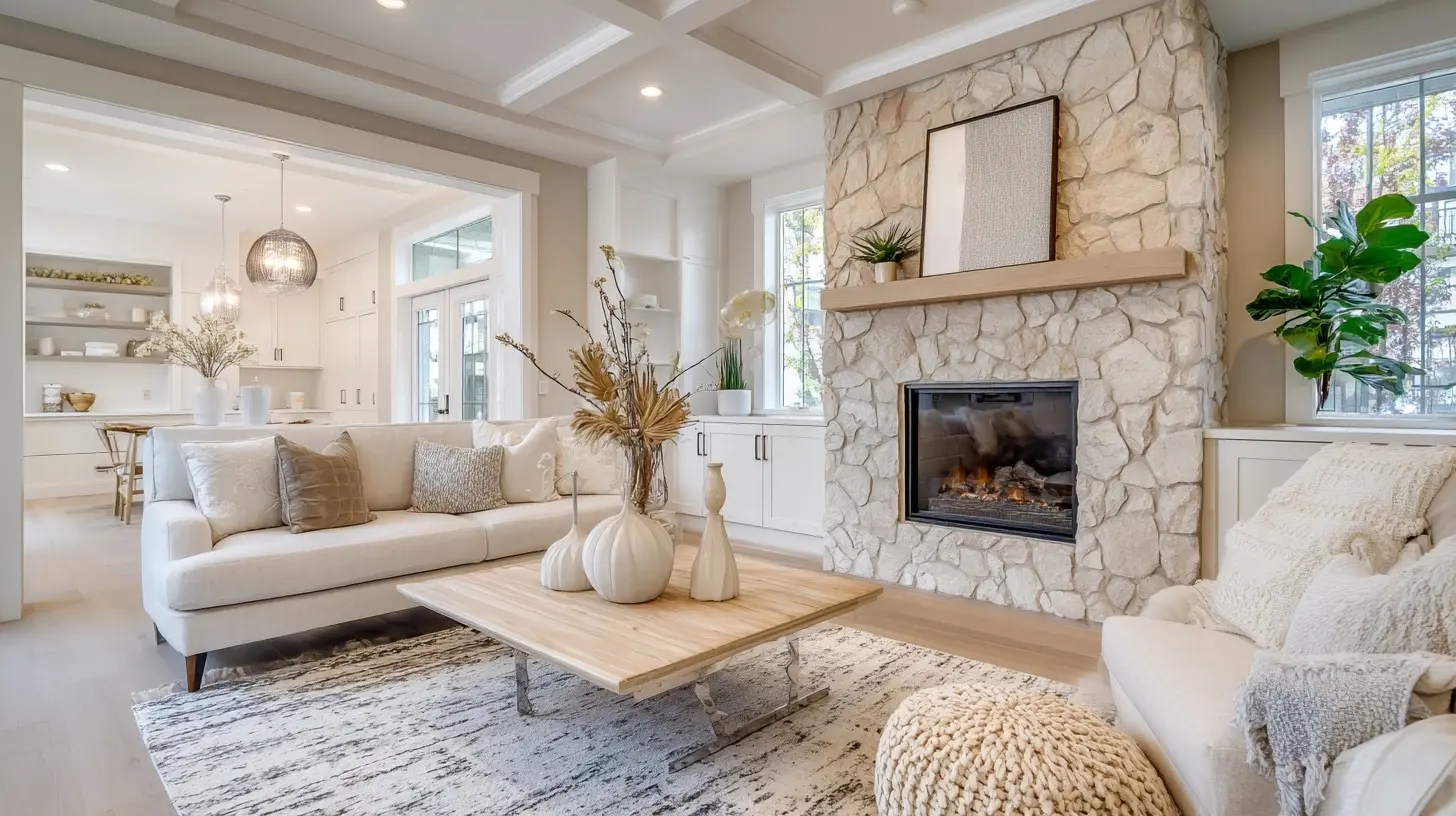
The Financial Case for Staging
Let us talk money, because that is what ultimately matters to most sellers.Staging is an investment, not a cost. The return varies by market, price point, and how aggressively you stage, but the general pattern holds: staged homes tend to sell faster and closer to (or above) asking price compared to similar unstaged homes. Faster sales mean you stop paying carrying costs like mortgage interest, taxes, insurance, and utilities sooner. Those savings often dwarf the staging bill.
Consider a simple comparison:
- Unstaged home: Sits on the market for 60 days. Two price reductions. Buyer negotiates hard because the home feels tired.
- Staged home: Sells in 21 days at or near list price. Seller avoids two mortgage payments and a price cut.
Even if the staged seller spent a few thousand dollars upfront, the net result is often better. The key is to stage intelligently, not extravagantly.
Physical Staging vs Virtual Staging vs Hybrid
There is no single right way to stage. Each approach has trade-offs.Physical Staging
This is the traditional route. A stager brings in furniture, art, rugs, and accessories. They may also rearrange what you already own.Pros:
- Strongest emotional impact in person
- Helps with photography and in-person showings
- Can transform a vacant property into a warm, inviting home
Cons:
- Most expensive
- Requires logistics and storage
- Monthly rental fees add up if the home sits
Best for: Higher-priced homes, vacant properties, and markets where buyers expect a polished presentation.
Virtual Staging
Here, a digital artist furnishes the home in photos. The physical space stays empty.Pros:
- Far cheaper than physical staging
- Fast turnaround
- Great for online listings where most buyers first see the home
Cons:
- Does not help in-person showings
- Can feel misleading if overdone
- Some buyers dislike it and question what is real
Best for: Vacant homes, budget-conscious sellers, and as a supplement to light physical staging.
Hybrid Staging
This approach uses a few key physical pieces, like a sofa, a dining table, and some art, and fills the rest virtually.Pros:
- Balances cost and impact
- Gives in-person visitors enough to feel the space
- Keeps photography strong
Cons:
- Requires coordination between stager and photographer
- Can look inconsistent if not handled carefully
Best for: Most sellers in 2026 who want strong results without a massive budget.
What Staging Actually Involves: A Room-by-Room Look
Staging is not one task. It is a series of decisions. Here is how a professional might approach each space.The Entryway
This is the handshake. It sets the tone. A stager will clear clutter, add a console table if space allows, place a mirror to bounce light, and use a plant or a piece of art to create a focal point. The goal is to make the home feel open and welcoming within three seconds.The Living Room
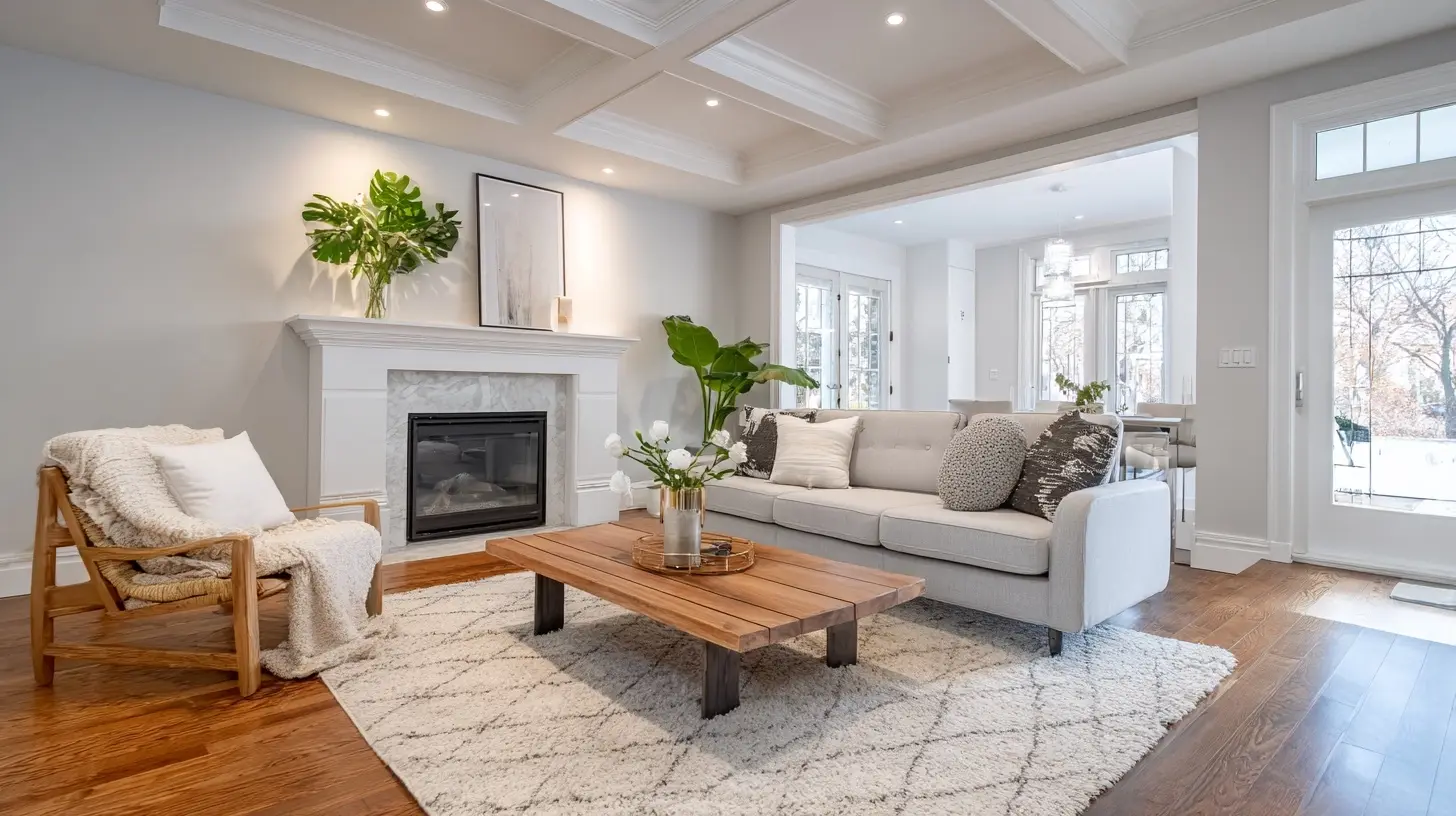
The living room sells the lifestyle. A stager will arrange furniture to encourage conversation, not to face a television. They will use neutral slipcovers if your sofa is loud, add textured throw pillows, and ensure the room is brightly lit. They will also remove excess furniture to make the room feel larger.The Kitchen
Kitchens sell homes. A stager will clear counters almost completely, leaving only one or two decorative items. They will add a bowl of fresh fruit or a vase of flowers. They will make sure the lighting is warm and bright. They may also suggest minor updates like new hardware or a fresh coat of paint on cabinets if the budget allows.The Bedroom
The bedroom should feel like a retreat. A stager will use crisp, neutral bedding, add a throw blanket, and ensure the bed is the focal point. They will remove personal photos and clutter. They will also make sure the room feels gender-neutral so any buyer can imagine themselves there.The Bathroom
Bathrooms should feel spa-like. A stager will clear the counters, add white towels, a small plant, and maybe a tray with a candle. They will fix any leaky faucets and replace old caulk. Small details matter here because buyers inspect bathrooms closely.Outdoor Spaces
In 2026, outdoor living is a major selling point. A stager will pressure-wash patios, add outdoor furniture if the space allows, and use potted plants to define areas. Even a small balcony can become a selling feature with the right touches.
Common Mistakes Sellers Make
Even sellers who believe in staging often stumble. Here are the most common missteps and how to avoid them.Mistake 1: Staging Only the Main Rooms
Buyers open closets. They peek into laundry rooms. They look at the garage. If those spaces are chaotic, it undermines the polished feel of the rest of the home. Stage the whole house, or at least declutter and organize every space.Mistake 2: Going Too Neutral
There is a difference between neutral and boring. A staged home should still have warmth and personality. A few well-chosen accents, like a colorful piece of art or a textured rug, can make a space memorable without alienating buyers.Mistake 3: Ignoring Lighting
Lighting is one of the most underrated staging tools. Dark rooms feel smaller and less inviting. Replace dim bulbs with brighter ones, add lamps to dark corners, and open curtains during showings. If your home lacks natural light, use mirrors and light-colored walls to compensate.Mistake 4: Over-Staging
Too much furniture or too many accessories can make a room feel cluttered. The goal is to show how a space can be used, not to fill every corner. Leave some breathing room.Mistake 5: Skipping Repairs
Staging cannot hide a broken tile or a dripping faucet. Buyers notice. Fix the small things before you stage. A stager can only work with what is there.Mistake 6: Using Strong Scents
Some sellers think baking cookies or using heavy air fresheners will create a cozy vibe. In reality, strong smells can trigger allergies or suspicions that you are covering something up. Aim for clean and neutral. Fresh air is best.When Staging Might Not Be Worth It
Staging is not always the right call. Here are situations where you might reconsider.- You are selling to developers or investors. They care about numbers, not throw pillows. A clean, empty space is often enough.
- Your market is extremely hot. If homes are selling in days with multiple offers, you may not need to invest heavily. A light declutter and good photos might suffice.
- Your budget is extremely tight. If staging would mean going into debt, prioritize repairs and professional photography instead. Those often deliver more immediate value.
- The home is being sold as a tear-down. In that case, staging is pointless.
The key is to match your strategy to your market, your buyer, and your budget.
How to Choose a Stager
Not all stagers are created equal. Here is what to look for.- Portfolio: Ask to see before-and-after photos of homes similar to yours.
- Local knowledge: A stager who knows your neighborhood will understand what buyers there expect.
- Clear pricing: Get a written estimate that covers consultation, furniture rental, and any additional fees.
- Chemistry: You will be working closely with this person. Make sure you communicate well.
- References: Talk to past clients. Ask if the stager delivered on time and on budget.
If you cannot afford a full-service stager, consider a consultation only. Many stagers offer a walkthrough where they give you a room-by-room action plan you can execute yourself.
DIY Staging: What You Can Do on Your Own
If hiring a stager is not in the cards, you can still stage your home effectively. Here is a practical checklist.1. Declutter ruthlessly. Remove at least 30 percent of your belongings. Clear counters, shelves, and closets.
2. Depersonalize. Take down family photos, diplomas, and personal collections. You want buyers to see themselves, not you.
3. Deep clean. Every surface, every corner. Pay special attention to kitchens and bathrooms.
4. Rearrange furniture. Pull pieces away from walls. Create conversation areas. Remove pieces that make rooms feel cramped.
5. Add light. Replace dim bulbs. Add lamps. Open curtains.
6. Bring in nature. A few plants or fresh flowers can transform a room.
7. Neutralize odors. Air out the home. Avoid heavy sprays.
8. Focus on curb appeal. Mow the lawn, trim bushes, paint the front door, and add a welcome mat.
These steps cost little but deliver real results.
The Role of Photography in 2026
Staging and photography are partners. A beautifully staged home photographed poorly will underperform. A well-photographed home that is not staged will also struggle. You need both.In 2026, buyers expect:
- High-resolution photos
- Wide-angle shots that show flow
- Bright, natural lighting
- Video tours, often in vertical format for social media
- 3D virtual tours for serious buyers
If you stage your home, invest in a professional photographer. The combination is where the magic happens.
Real-World Example: Two Sellers, Two Outcomes
Imagine two nearly identical homes on the same street.Seller A decides to skip staging. The home is clean but full of personal items. Photos are taken on a phone. The listing goes live. Showings are steady but feedback is lukewarm. Buyers say it feels "dark" and "small." After 45 days, Seller A drops the price.
Seller B hires a stager for a consultation, spends a weekend decluttering, and invests in professional photography. The home looks bright, open, and inviting. It goes under contract in 18 days at list price.
Same street. Same square footage. Different preparation. Different result.
This is not a rare story. It plays out in markets across the country every year. Preparation pays.
Staging Trends to Watch in 2026
Trends come and go, but a few are shaping how sellers approach staging right now.- Warm minimalism. Clean lines meet cozy textures. Think neutral palettes with wood tones and soft fabrics.
- Multifunctional spaces. Buyers want to see how a room can serve as both an office and a guest room. Stagers are showing these dual purposes.
- Biophilic design. Natural light, plants, and organic materials are in high demand. They reduce stress and make spaces feel healthier.
- Tech integration. Smart home features are being staged as selling points. A well-placed smart thermostat or smart lighting system can impress buyers.
- Sustainability cues. Reusable materials, energy-efficient appliances, and eco-friendly touches resonate with younger buyers.
You do not need to chase every trend. But being aware of them helps you make choices that feel current rather than dated.
Final Thoughts: Staging as a Strategic Move
Home staging is not about tricking anyone. It is about removing obstacles so buyers can see the best version of your home. It is a marketing tool, a psychological nudge, and a financial strategy rolled into one.If you are selling in 2026, start thinking about staging early. Walk through your home with fresh eyes. Ask a friend or agent for honest feedback. Consider hiring a professional for at least a consultation. Then make a plan that fits your budget and your market.
The effort you put in before the listing goes live often determines how quickly and how profitably you sell. Staging is one of the few investments in real estate that consistently gives back more than it costs. Treat it as a priority, not an afterthought, and you will be glad you did.
all images in this post were generated using AI tools
Category:
Real Estate GlossaryAuthor:

Mateo Hines