The Process of Buying a Home in a New Construction Development
4 April 2026
Buying a home in a new construction development is an exciting journey. You're not just purchasing a house; you're securing a fresh start with brand-new floors, untouched countertops, and an opportunity to customize your dream home. But while the idea sounds fantastic, the buying process isn’t always straightforward.
If you're considering a newly built home, it's essential to understand the steps involved, from choosing the right development to finally getting the keys in your hands. Let’s break it all down—without the confusing real estate jargon. 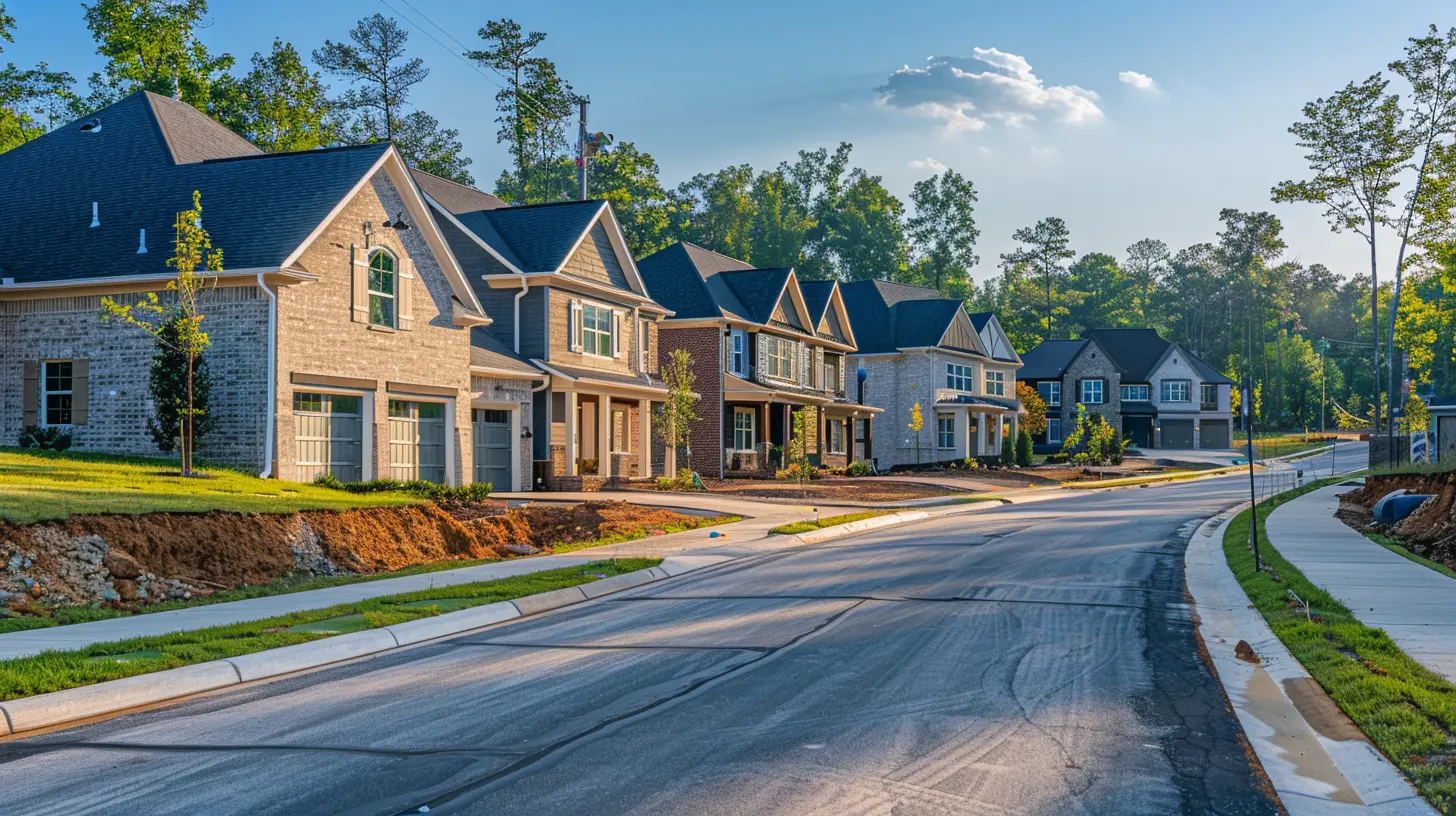
Why Buy a Home in a New Construction Development?
Before diving into the process, let's talk about why you might want to buy a new construction home in the first place.1. Everything is Brand New – No worrying about old plumbing, faulty electrical work, or outdated appliances.
2. Customization Options – Many builders allow you to choose finishes, colors, and sometimes even floor plans.
3. Energy Efficiency – New homes are usually built with modern energy-saving features.
4. Less Maintenance – No immediate roof repairs or costly renovations.
5. Builder Warranties – Many new homes come with warranties covering major systems for years.
If these benefits sound like a dream, you’re in the right place. Now, let's dive into the actual process of buying one. 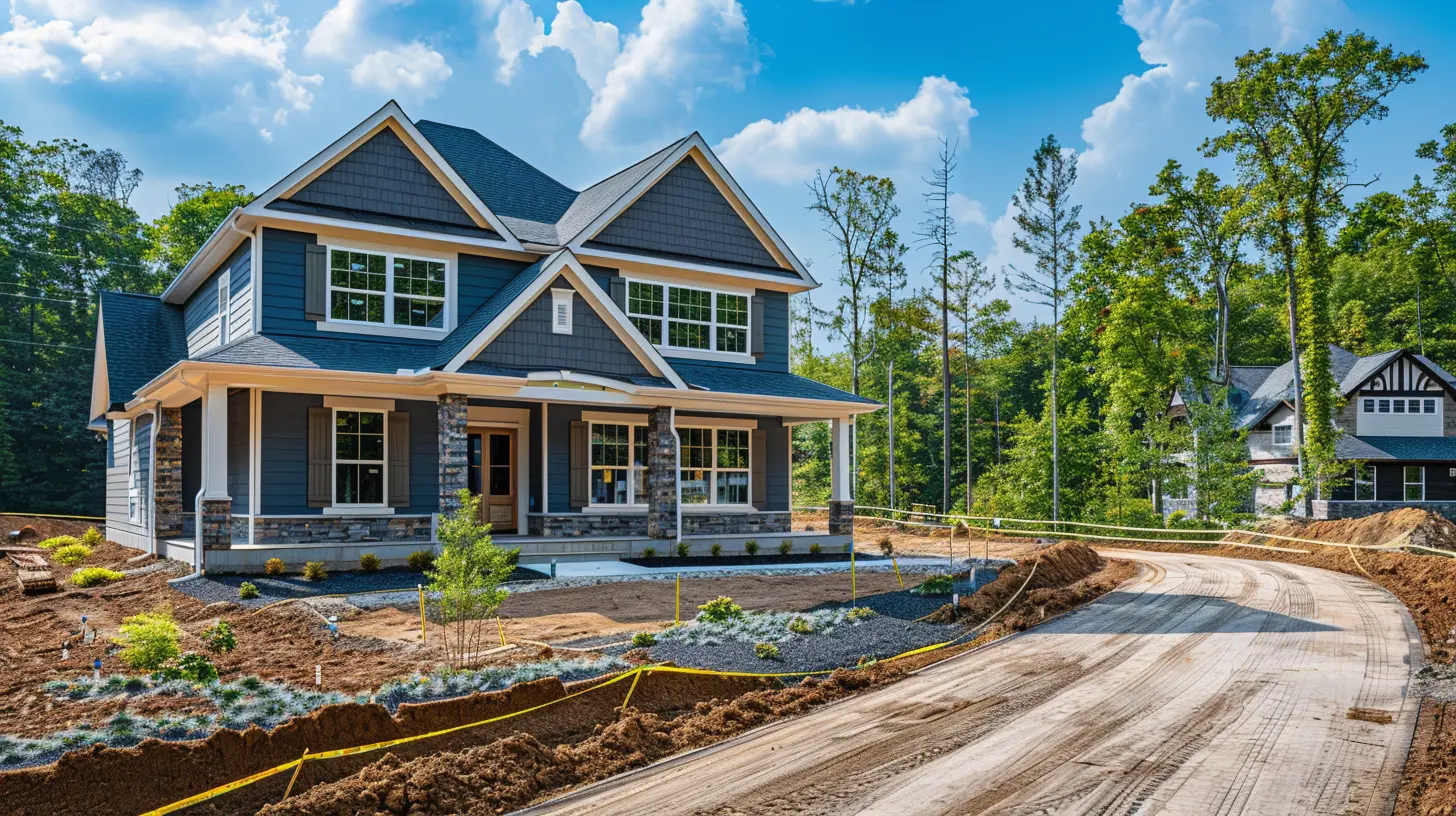
Step 1: Find the Right Location and Builder
The first step in buying a new construction home is choosing where you want to live. Developers typically build homes in planned communities, often in growing suburban areas. Consider the following:- Commute & Accessibility – Is it close to work, schools, shopping centers, and public transportation?
- Neighborhood & Amenities – Does the community offer parks, walking trails, or a clubhouse?
- Reputation of the Builder – Not all builders are the same. Do some research on their track record, online reviews, and completed projects.
Once you’ve narrowed down the location, visit the development's sales office and model homes to get a feel for what’s available. 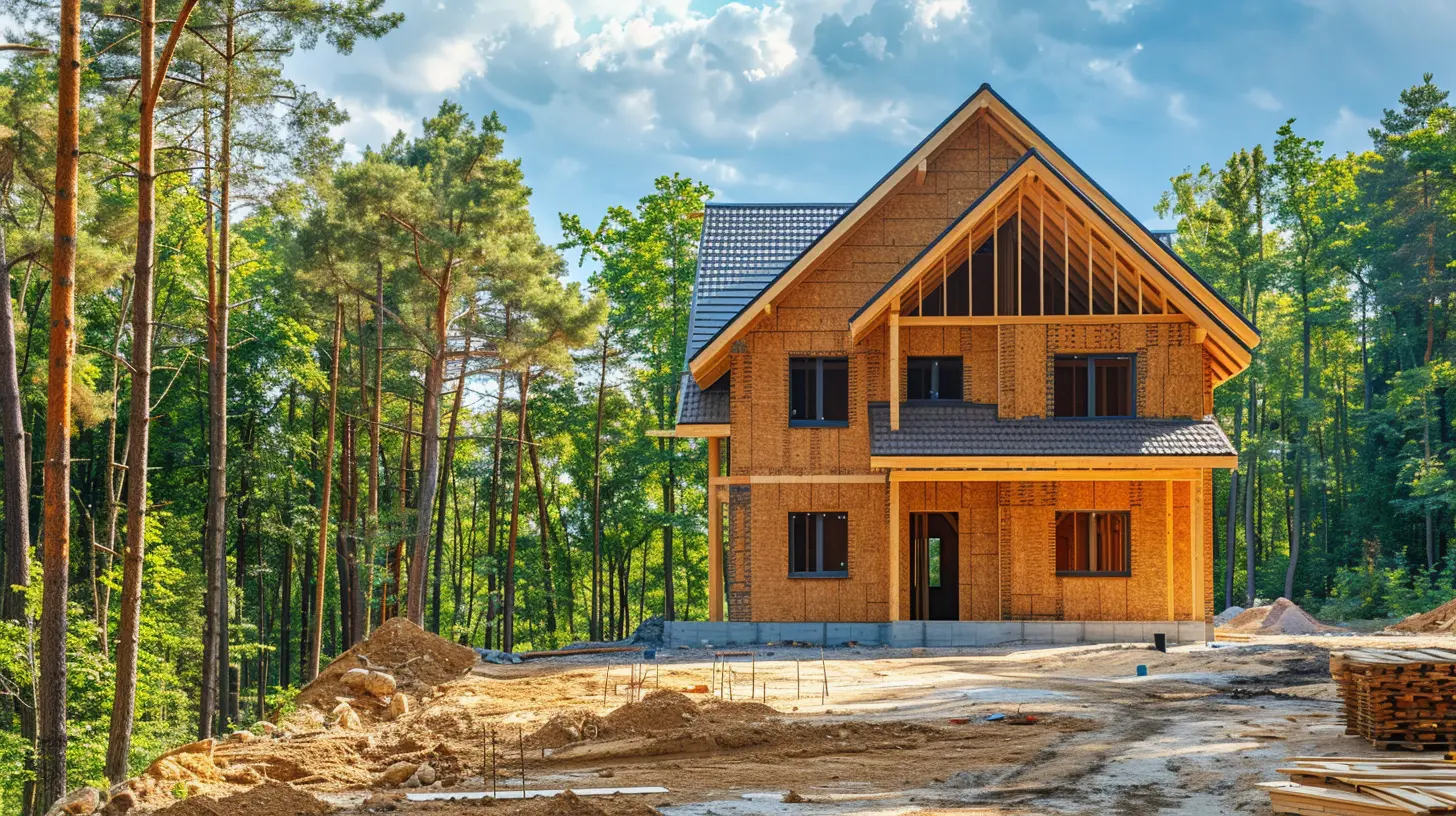
Step 2: Secure Financing & Understand Costs
Buying a new home comes with its own set of financial considerations. New construction homes are typically sold at a set price by the builder, meaning less room for negotiation. However, there are still ways to ensure you’re getting the best deal.Get Pre-Approved for a Mortgage
Many builders have preferred lenders who may offer special incentives like closing cost assistance if you finance through them. However, it’s always smart to compare different lenders to see who offers the best rates.Watch for Additional Costs
The base price of a new home is rarely what you’ll actually pay. Be aware of:- Upgrades & Customizations – The model home you toured is often full of upgrades that aren’t included in the base price.
- HOA Fees – Many new developments have Homeowners Associations, which come with monthly or yearly fees.
- Lot Premiums – Not all lots are created equal; some have better views or more privacy, which may cost extra.
- Closing Costs – These can add several thousand dollars to your final price, so budget accordingly. 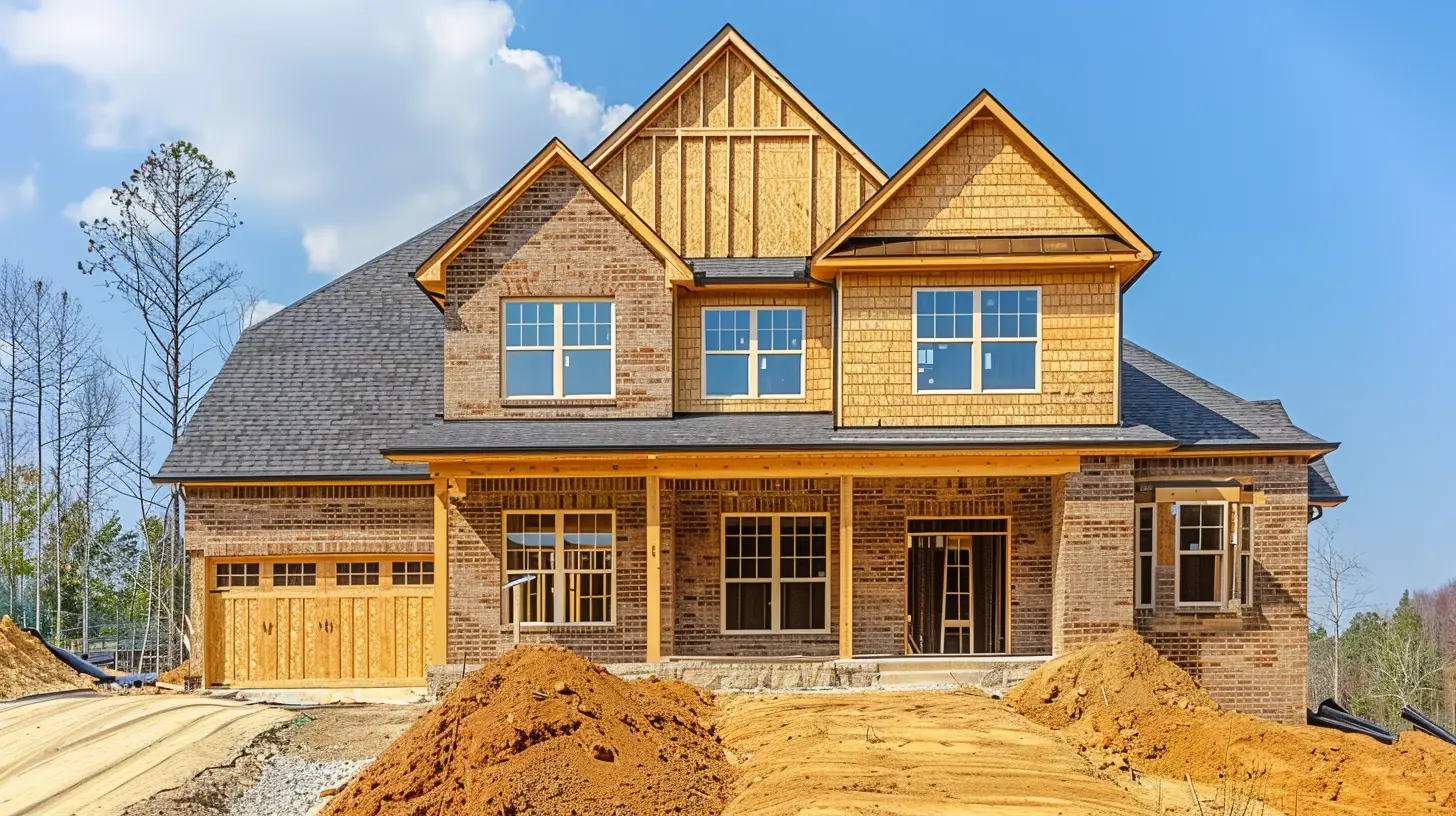
Step 3: Choose Your Floor Plan & Upgrades
One of the biggest perks of buying new construction is customization. Depending on the builder, you may have various floor plans and upgrade options.Standard vs. Upgraded Features
Builders often provide a list of what comes standard and what’s considered an upgrade. Some upgrades can be costly, so prioritize what matters most:- Structural Changes – Adding an extra bedroom or changing the layout is usually the most expensive but can add resale value.
- Kitchen & Bathrooms – Upgrading countertops, cabinetry, and appliances can make a big difference in aesthetics and functionality.
- Flooring & Paint – Builders often provide standard carpet or vinyl flooring, but you may want to upgrade to hardwood or tile.
- Smart Home Features – New homes often come with technology options, such as security systems and smart thermostats.
It’s easy to get caught up in all the upgrade possibilities, but stick to your budget and think long-term about what adds the most value.
Step 4: Sign the Purchase Agreement
Once you’ve selected your home design, it’s time to sign the contract. Unlike traditional home buying, negotiating a lower price on a new construction home is rare. However, you may have some room to negotiate other perks, such as:- Free upgrades
- Closing cost assistance
- Extended warranties
Be sure to read the contract carefully and ask about cancellation policies, completion timelines, and any hidden fees before signing.
Step 5: Home Construction & Progress Updates
Now comes the waiting game. Depending on whether you're buying a spec home (already built or nearly finished) or a to-be-built home (starting from scratch), this phase can take anywhere from a few months to over a year.Stay Involved
- Visit the site periodically to check progress.- Communicate regularly with the builder or sales representative.
- Ask about inspection milestones (foundation, framing, plumbing, electrical, etc.).
Step 6: Home Inspection & Final Walkthrough
Even though everything is brand new, never skip the home inspection. Builders can make mistakes, and it’s better to catch potential issues before moving in.What to Look For During the Final Walkthrough
- Are all appliances installed and working?- Do doors and windows open and close properly?
- Are there any paint or flooring defects?
- Are there plumbing or electrical issues?
Take your time during the walkthrough and create a punch list of anything that needs fixing before closing.
Step 7: Closing & Moving In
Once your home is finished and passes inspections, it's time to close the deal. Closing on a new construction home is similar to buying a resale home, but there are a few differences:- You’ll likely close at the builder’s title company.
- Some builders require a higher earnest money deposit.
- Your warranty may kick in on day one, so review the terms carefully.
Once closing is complete and you get your keys, it’s time to move in and enjoy your brand-new home!
Final Thoughts
Buying a home in a new construction development comes with plenty of benefits, from customization options to brand-new everything. But it also requires patience, careful budgeting, and working closely with the builder.By understanding the process from beginning to end, you can make informed decisions and ensure that your new home is exactly what you dreamed of.
So, if you’re ready to trade in the hassle of fixer-uppers for that fresh-paint smell and a worry-free home, new construction might be the perfect choice for you!
all images in this post were generated using AI tools
Category:
Buyers GuideAuthor:

Mateo Hines
Discussion
rate this article
2 comments
Sylvan McGlynn
Navigating the home-buying process in new construction can be exciting yet complex. Understanding timelines, financing options, and builder reputation is essential for making an informed decision and ensuring a successful purchase.
April 16, 2026 at 12:48 PM
Mateo Hines
Absolutely, it's a thrilling journey. Getting familiar with those key factors can really make a difference in your experience.
Wren Hudson
Excited to start this journey—thank you for guidance!
April 5, 2026 at 3:06 AM
Mateo Hines
You're welcome! Excited for you as well—happy home buying!