The Pros and Cons of Buying a Spec Home
15 January 2026
Buying a home is one of the biggest decisions you’ll ever make. It’s emotional, exciting, and—let’s be honest—a little stressful too. And if you’ve been house hunting lately, you’ve probably come across the term “spec home.” But what exactly is a spec home? Should you consider buying one? What are the upsides... and the possible downsides?
Let’s dig into it—all the nitty-gritty details, laid out in plain English.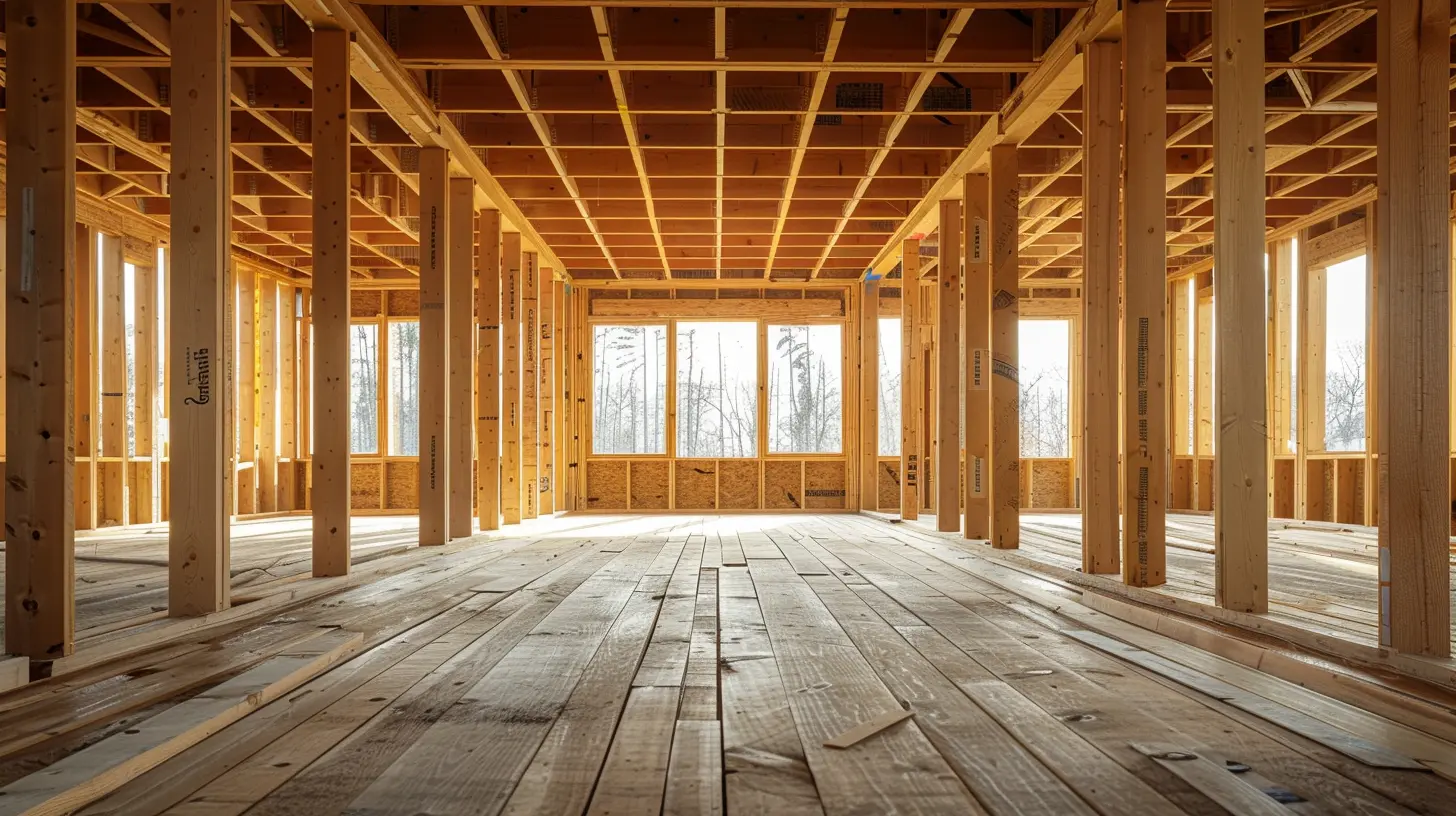
🏡 What Is a Spec Home Anyway?
Let’s start with the basics. A “spec home” (short for speculative home) is a house built by a builder without a specific buyer in mind. Basically, the builder guesses (or "speculates") what features future homeowners will like and starts building—hoping to sell it during or right after construction.Think of it like a ready-to-wear outfit, hanging on the rack at a store, waiting for someone like you to walk in and say, “Yep, that’s the one.”
In contrast, custom homes are like getting a tailored suit. More options, more control... but also more time and money.
So, should you snag that off-the-rack beauty or hold out for something made to order? Let's weigh the pros and cons of buying a spec home.
✅ The Pros of Buying a Spec Home
1. Move-In Ready
Ah, the sweet sound of “ready when you are.” One of the biggest perks of a spec home? It’s usually move-in ready—or at least close to it. If you're on a tight timeline (maybe you sold your last place, or your lease is almost up), spec homes offer a fast-track ticket to living in your new space.With custom homes, you could be looking at a 6- to 12-month wait. With a spec home? Sometimes you can move in within weeks.
2. You Can Tour Before You Buy
Unlike building from scratch or buying from a floor plan, a spec home is (mostly) complete. You can walk through the actual home—touch the countertops, check out the lighting, and see how the space feels.It's kind of like dating versus online dating. Seeing the real thing in person? Way better than imagining it from some photos and a description.
3. No Decision Fatigue
Let’s be honest—homebuilding decisions can be overwhelming. Cabinets, flooring, paint colors, faucets, tiles, layout tweaks... the list never ends. With a spec home, those choices are already made for you by professionals who know what sells and what trends are hot.If you’re someone who’d rather not agonize over which of 37 shades of greige to choose—this is a dream come true.
4. Often Built in Growing Communities
You’ll often find spec homes in new or rapidly growing neighborhoods. That means you could be getting in on the ground floor of an area poised for appreciation.Plus, new neighborhoods typically come with shiny perks—think playgrounds, walking trails, and maybe even a community pool or clubhouse.
5. Modern Design and Code Compliance
Spec homes follow all the latest building codes and typically include modern finishes and energy-efficient features. So you’re not just getting a new home; you’re getting a smart home—sometimes literally.From smart thermostats to built-in USB ports, spec homes often come tech-ready. And let’s not forget the energy savings from new windows, insulation, and appliances. Your wallet will thank you.
6. Less Surprise, Fewer Headaches
Buying a resale home can come with hidden problems—leaky roofs, outdated plumbing, termite problems, you name it. But a brand-new spec home? Everything’s untouched and under warranty. That peace of mind can't be overstated.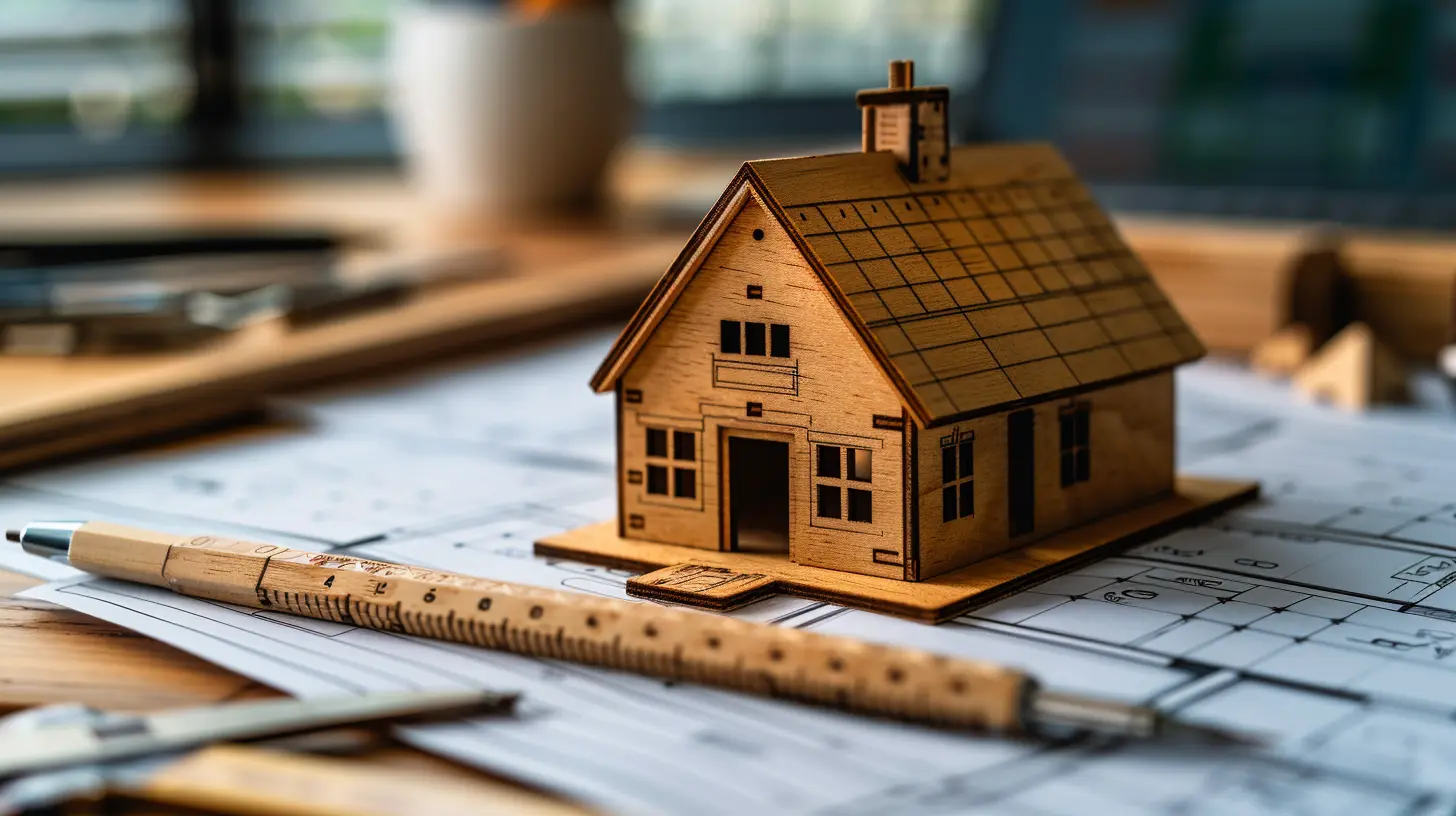
❌ The Cons of Buying a Spec Home
1. Limited Customization
Here’s the biggest downside: you don’t get much say in the design choices. The finishes, layout, lighting, paint—most of it’s already done or too far along to change. If you’ve been dreaming of a farmhouse sink or marble countertops in the bathroom, you’ll have to be okay compromising… or renovating later.It’s kind of like buying a premade sandwich. Tasty? Sure. But maybe you wish they’d skipped the olives.
2. You Might Pay a Bit More
Because spec homes are designed to appeal to the masses, builders often include popular upgrades to boost appeal. That granite countertop, extra bathroom, or walk-in pantry? Awesome for you—but it can push the price tag up.You’re paying for convenience and style, but it may cost you a little more than buying a bare-bones starter home.
3. Location Might Be Limited
Most spec homes are built in developments where lots are already chosen. Want the corner lot with a view of the pond? Someone may have snatched it up already.If location is your top priority—proximity to a school, a certain lot size, or backyard facing west for those golden sunsets—your choices could be limited with spec homes.
4. Less Emotional Connection
This might sound a little woo-woo, but there’s something special about building your dream home from the ground up. With a spec home, you’re moving into someone else’s vision—not yours.If you’ve spent years saving Pinterest boards and dreaming about that custom mudroom or reading nook, you might feel a bit disconnected from a spec home. It’s beautiful, yes—but is it “you”?
5. Potential Compromise on Features
Sometimes the finishes included in a spec home are what you’d consider “builder grade.” Think basic lighting, standard faucets, and neutral-color everything.While everything is new, not all of it is premium. If you're into high-end finishes or unique design touches, you may need to invest in upgrades down the line.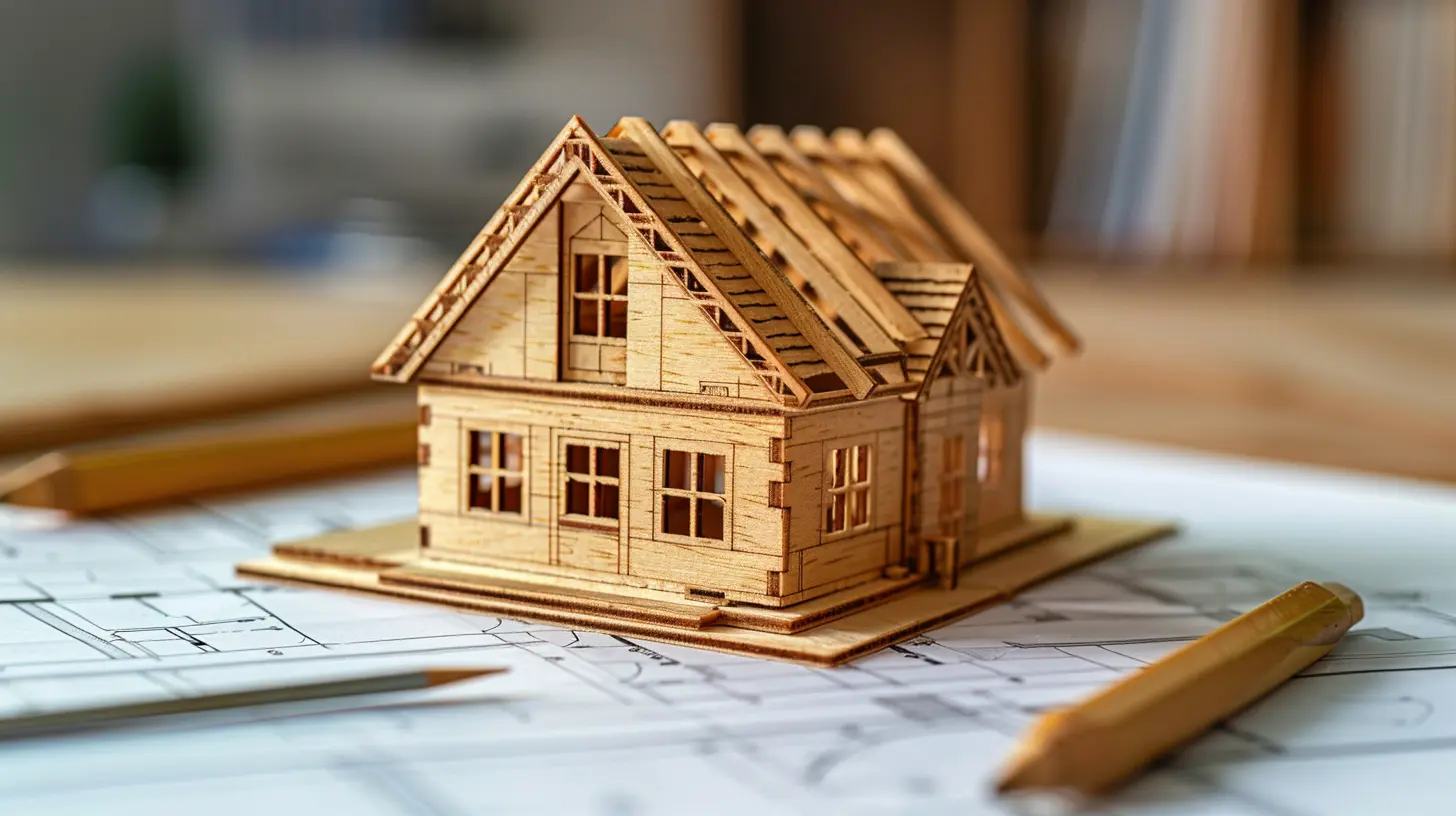
🤔 So, Is a Spec Home Right for You?
Let’s break it down.- If you’re short on time, love modern finishes, and don’t want the stress of decision-making, a spec home is probably a great fit.
- If you’re someone who wants to be in control of every detail—from floor plan to tile grout—then custom might be your best bet.
Think about your priorities: Is speed more important than personalization? Are you okay with a home that’s “almost perfect”? Or do you crave something one-of-a-kind?
💡 Tips If You’re Thinking About Buying a Spec Home
Here are a few pointers to help make your decision easier—and smarter:1. Work with a Real Estate Agent: Even though the builder might have their own agent or seller, having your own pro in your corner is always smart. They’ll help you negotiate and spot red flags.
2. Ask About Warranties: Get clarity on what’s covered and for how long. Most builders offer a 1-year workmanship warranty and a longer structural warranty.
3. Check the Builder’s Reputation: Do your homework. Look at reviews, past projects, and even chat with people who bought homes from them.
4. Walk Through Thoughtfully: Just because it’s new doesn’t mean it’s flawless. Bring a checklist and inspect carefully.
5. Don’t Skip the Inspection: Yes, it’s brand new—but that doesn’t mean perfect. A home inspection is always a good idea.
🔚 Final Thoughts
Buying a spec home is a bit like Goldilocks’ quest: not too customized, not too cookie-cutter—just right for a lot of folks. It blends the thrill of new construction with the ease of immediate availability. But like any big decision, it’s all about trade-offs.Be honest with yourself about what you value most. Some buyers don’t mind a little compromise in return for convenience and peace of mind. Others crave full control and are willing to wait.
No path is right or wrong—it’s about what works best for you. And no matter which way you go, just remember: at the end of the day, a house is just a building. What makes it a home is you.
all images in this post were generated using AI tools
Category:
New ConstructionAuthor:

Mateo Hines
Discussion
rate this article
2 comments
Pierce Hubbard
Buying a spec home can offer convenience, but beware of potential quality concerns and lack of customization.
January 26, 2026 at 4:20 AM
Mateo Hines
Thank you for your input! It's important to weigh both convenience and potential drawbacks when considering a spec home. Quality and customization are key factors to keep in mind.
Naya Howard
Great insights! Spec homes offer convenience but may lack personalization. Consider your priorities before making a decision.
January 18, 2026 at 5:51 AM
Mateo Hines
Thank you! You're absolutely right—prioritizing convenience versus personalization is key in the spec home decision-making process.