The Rise of Smart Cities: Implications for Real Estate Developers
30 July 2026
The world around us is evolving at an electrifying pace. Technology has woven itself into the very fabric of urban life, transforming our cities into living, breathing, thinking entities—smart cities. But what does this mean for real estate developers?
Picture a city that anticipates your every move, where data-driven decisions create seamless urban experiences, and where sustainability isn't just a buzzword but a foundational principle. This is no longer science fiction. It's happening now.
So, if you're a real estate developer, buckle up—because smart cities are not just changing the way we live, they’re rewriting the rulebook of property development.
What Are Smart Cities?
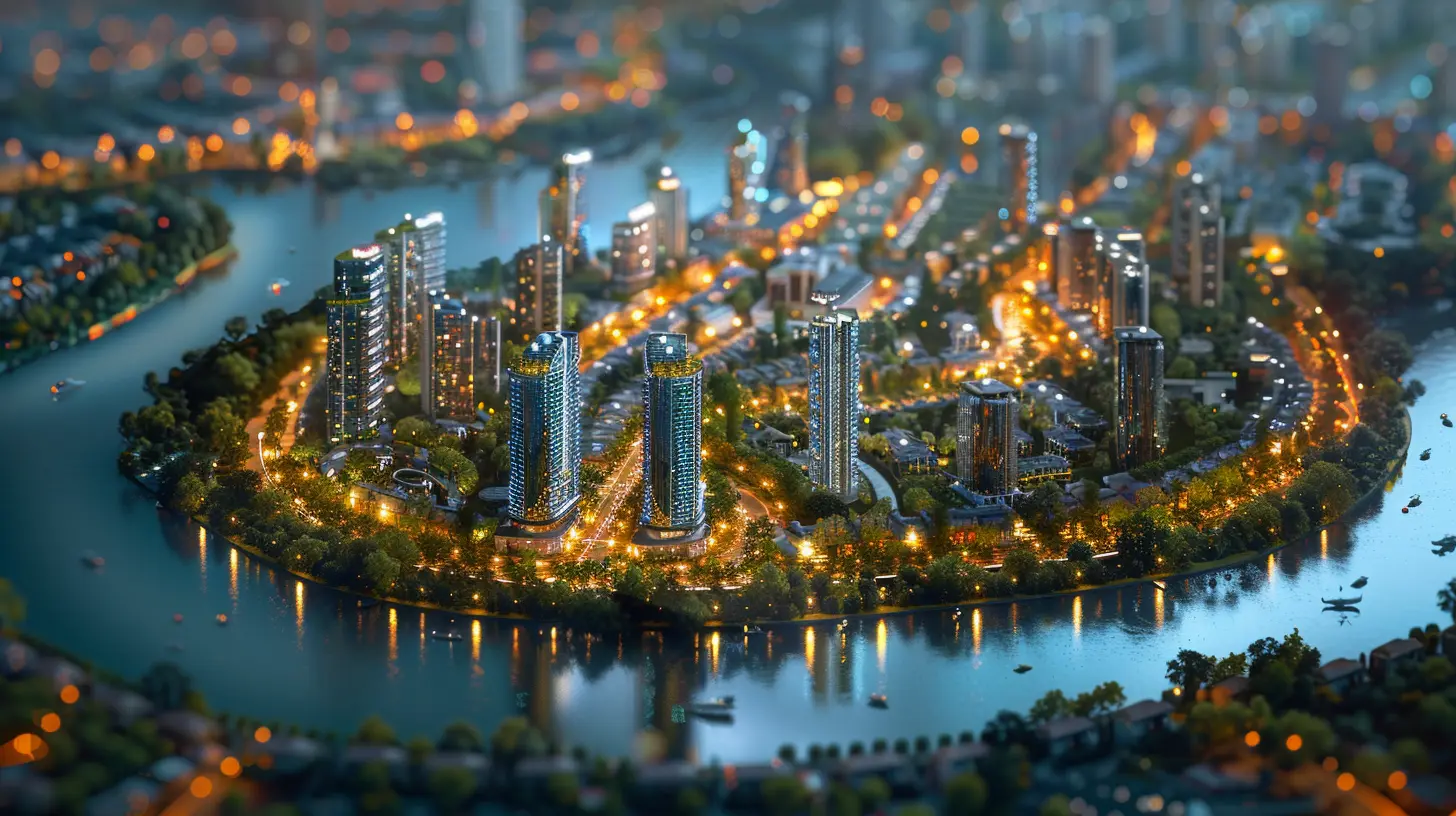
At their core, smart cities use emerging technologies—like AI, IoT, and big data—to enhance efficiency, connectivity, and livability. Sensors track energy consumption, traffic patterns, and air quality, while automation optimizes everything from waste management to security.Think of a smart city as a symphony, where multiple instruments—data, infrastructure, and human activity—play together harmoniously. These cities are designed to be sustainable, efficient, and adaptive to the ever-changing needs of their residents.
And for real estate developers? Well, this is where the opportunity of a lifetime comes knocking.
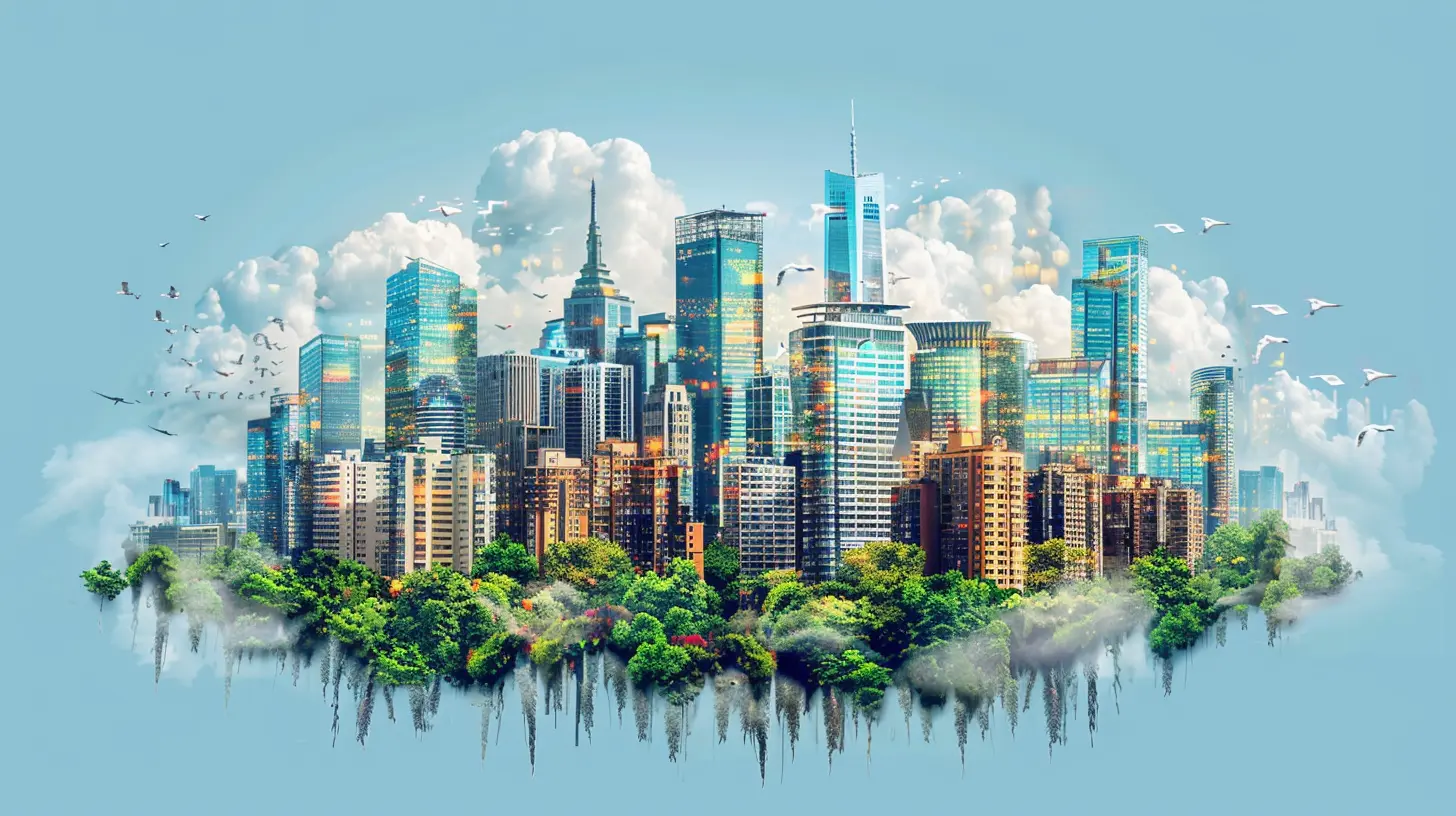
The Real Estate Revolution: Why Smart Cities Matter
A smart city is not just about flashy tech. It's about creating a real estate ecosystem that seamlessly integrates with modern urban life. Developers who embrace this shift stand to benefit enormously. Here’s why:1. The Demand for Smart Homes & Buildings
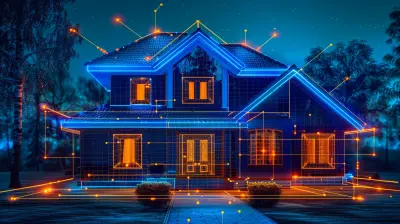
Homebuyers and tenants are no longer satisfied with four walls and a roof. They want homes that think for them—energy-efficient lighting, automated climate control, and security systems they can manage from their smartphones.A smart city thrives on innovation, meaning developers who incorporate AI-powered home automation, green building materials, and state-of-the-art security systems will be ahead of the curve.
> Takeaway: The future of real estate isn’t just in location—it’s in innovation.
2. Sustainability is No Longer Optional
Green buildings are no longer a luxury—they're a necessity. Smart cities prioritize eco-conscious construction, and developers who fail to adopt sustainable practices risk being left behind.Think solar panels, water recycling systems, and carbon-negative building materials. These elements aren’t just ethical choices; they’re market differentiators.
> Takeaway: Sustainability doesn’t just save the planet—it saves money and attracts buyers.
3. The Rise of Mixed-Use Developments
Smart cities are walkable, interconnected, and efficient. The traditional office-residential divide is fading, making way for mixed-use properties that blend work, living, and leisure into one.Work-from-home culture has further fueled this demand. People crave convenience—imagine stepping out of your apartment and into a co-working space, gym, or trendy café, all within the same building.
> Takeaway: The future belongs to multi-functional spaces that optimize time and convenience.
4. Data-Driven Real Estate Investment
In a smart city, data reigns supreme. Developers no longer need to rely solely on intuition or experience; they can harness real-time analytics to:- Identify prime locations for investment
- Understand market demand and pricing fluctuations
- Optimize building layouts for efficiency and customer satisfaction
With AI and big data, developers can make smarter, faster, and more profitable decisions.
> Takeaway: In the digital age, guessing is out—data-driven development is in.
5. Infrastructure & Connectivity Are Game-Changers
Imagine a city where traffic congestion disappears, where self-driving cars sync with intelligent traffic lights, and where public transport predicts and adapts to commuter needs.For real estate developers, this translates to new hotspots for investment. As connectivity improves, once-overlooked neighborhoods become prime real estate. Infrastructure investments mean new development opportunities in areas that were previously off the map.
> Takeaway: The right infrastructure can transform an overlooked area into a goldmine.
6. Better Living Standards Mean Higher Property Values
Smart cities focus on quality of life. Better air quality, lower crime rates (due to surveillance-integrated AI), and seamless public services all contribute to higher real estate values.When people enjoy living in a city, demand for property skyrockets. That’s great news for developers who invest early in smart urban hubs.
> Takeaway: Happier residents equal higher property prices—simple as that.
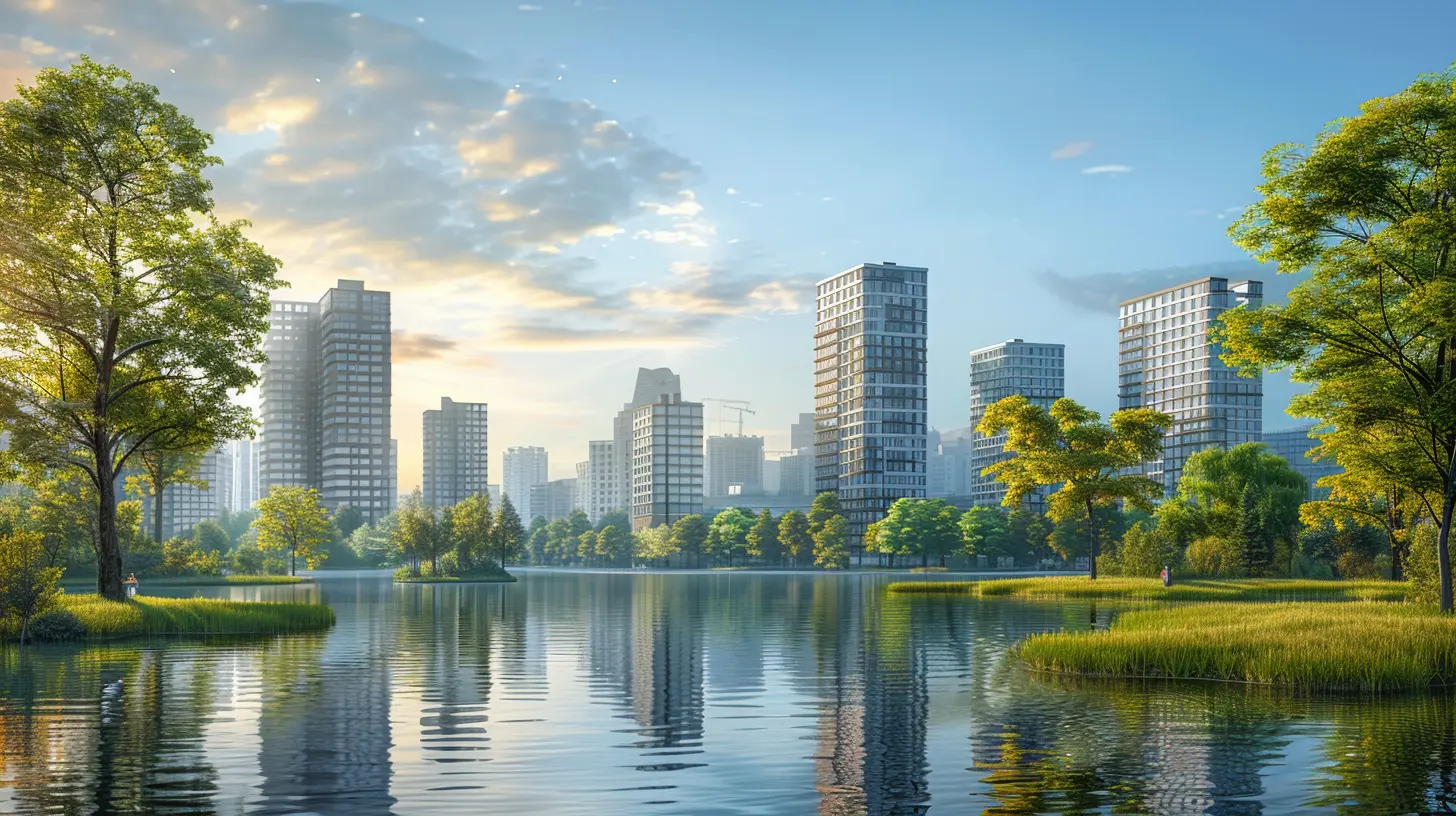
Challenges That Real Estate Developers Must Overcome
While the rise of smart cities presents immense opportunities, it’s not all smooth sailing. Here are some of the biggest challenges developers must prepare for:1. High Initial Costs
Implementing smart tech and sustainable building materials doesn't come cheap. The upfront investment is significantly higher than conventional construction, but the long-term benefits usually justify the cost.2. Regulatory & Legal Hurdles
Smart cities require updated building codes and regulations. Many municipalities are still catching up, meaning compliance can be complicated. Developers must stay ahead of policy changes to avoid delays and fines.3. Cybersecurity Risks
With great tech comes great responsibility. Smart homes and IoT-connected buildings are vulnerable to hacking and data breaches. Developers need to integrate top-tier cybersecurity measures to safeguard residents’ data and trust.4. Public Acceptance & Adaptation
Not everyone is ready for a hyper-connected city. Privacy concerns, fears about AI, and resistance to change can slow down adoption. Smart real estate projects must educate and reassure buyers about the benefits of this futuristic approach.
The Future: What’s Next for Real Estate in Smart Cities?
Looking ahead, one thing is clear—smart cities are not a passing trend. They are the future of urban living, and real estate developers who embrace this shift will thrive.Here’s what we can expect:
- Increased integration of AI and robotics in construction
- Stronger emphasis on eco-friendly developments, with net-zero energy buildings becoming the norm
- The rise of smart rental and leasing models, where tenants pay for efficiency rather than just space
- Blockchain technology revolutionizing real estate transactions, making buying and selling more transparent and secure
In the end, those who adapt will prosper, and those who resist will be left reminiscing about the past.
Final Thoughts
The dawn of smart cities is ushering in a new era of real estate development. It’s no longer enough to build structures—developers must create intelligent, efficient, and sustainable environments that align with the needs of the modern urbanite.For developers willing to embrace innovation, the opportunities are boundless. The future belongs to those who have the vision, courage, and technological foresight to lead the way.
So, the question isn’t if smart cities will reshape real estate—it’s how soon will you be part of the transformation?
all images in this post were generated using AI tools
Category:
Real Estate DevelopmentAuthor:

Mateo Hines
Discussion
rate this article
1 comments
Lira McGee
Great insights on smart cities! Understanding these trends will definitely help developers create more sustainable communities.
July 30, 2026 at 3:47 AM
Mateo Hines
Thank you! I'm glad you found the insights valuable. Sustainability is key for future community development.