The Role of Curb Appeal in Your Home's Bottom Line
27 November 2026
Let me start with a confession that will make some real estate agents wince: I have watched buyers decide against a house before they ever stepped out of the car. Not because of the price, not because of the school district, and not because of anything in the listing photos. They pulled up, looked at the front yard, and said some version of "keep driving." The house never got a chance.
That is the strange power of curb appeal. It operates before logic kicks in. Before the buyer has seen the kitchen, checked the roof age, or run the numbers on the mortgage, the exterior has already cast a vote. And in real estate, first impressions do not just influence feelings. They influence offers, negotiation leverage, days on market, and ultimately the number that lands on the closing statement.
This article is about that number. Not the vague "curb appeal matters" sermon you have heard a hundred times, but the actual mechanics of how the outside of your house moves the bottom line, where the money is well spent, where it is wasted, and how to think about the trade-offs like someone who understands both the art and the math.
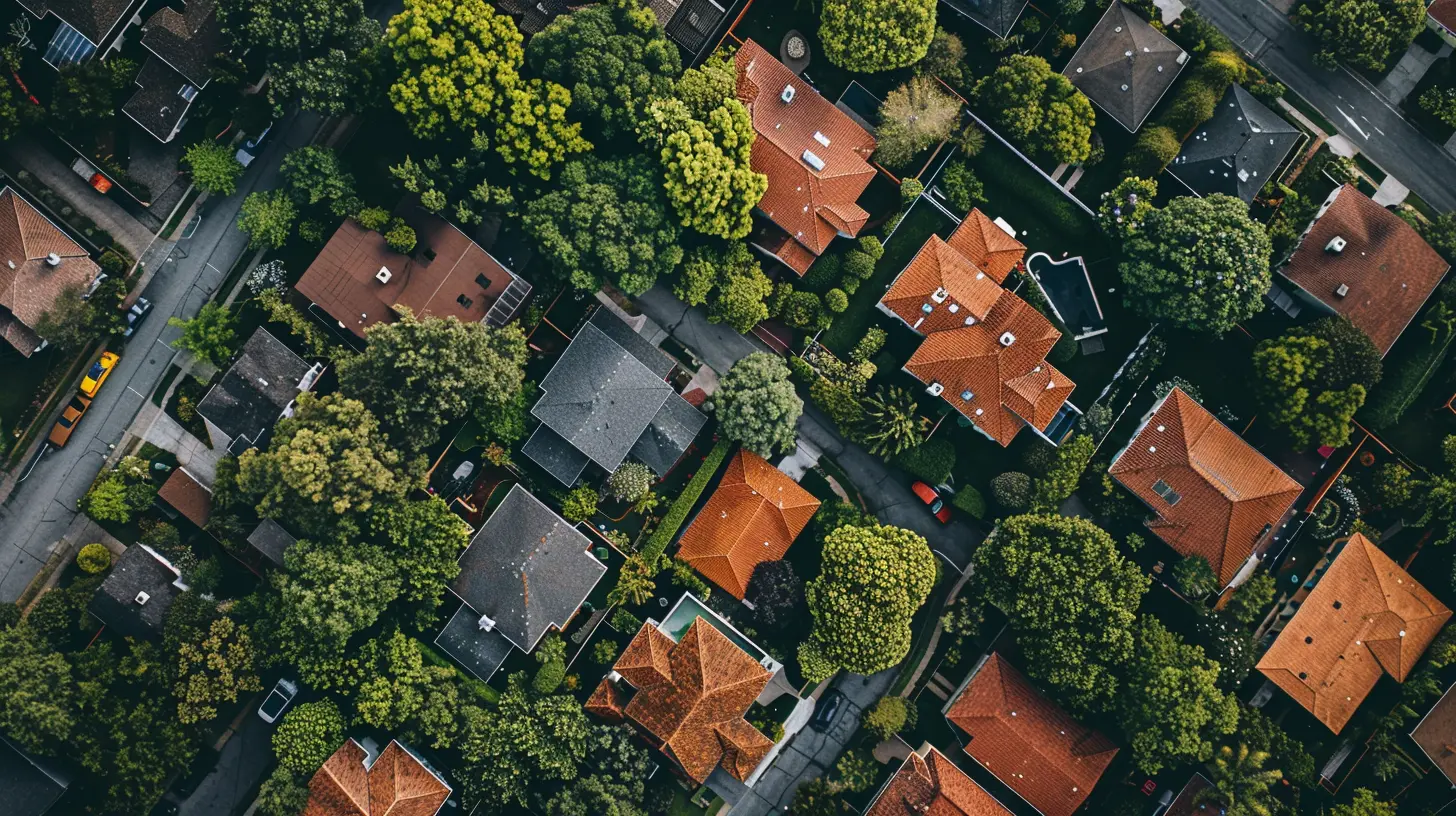
What Curb Appeal Actually Is (And What It Is Not)
Most people define curb appeal as "how nice the house looks from the street." That is true but incomplete. A sharper definition: curb appeal is the gap between what a buyer expects based on the exterior and what they find inside. A charming facade that hides a tired interior creates disappointment. A modest exterior that opens into a beautiful home creates delight. The second scenario is worth money. The first one costs it.This distinction matters because it explains a counterintuitive truth. You are not trying to make the outside as fancy as possible. You are trying to make it honest, inviting, and well-maintained so that the buyer's expectations are set correctly and then exceeded. Overpromising on the exterior is a real mistake, and I have seen sellers spend five figures on landscaping only to watch buyers walk in and feel let down by a dated kitchen. The landscaping money would have been better split between the yard and a paint refresh inside.
Curb appeal is also not the same as landscaping, though the two get conflated constantly. Landscaping is one ingredient. The full recipe includes the condition of the roof, the paint or siding, the front door, the walkway, the driveway, the lighting, the mailbox, the house numbers, the windows, and the general sense of order, or lack of it, that radiates from the property line. A house with immaculate flower beds and a mildewed roof still reads as neglected. Buyers process the whole picture, even when they cannot articulate why.

Why the Exterior Has Outsized Influence on Price
Here is the mechanism, stated plainly. Buyers shop with emotion and justify with logic. The exterior is the first emotional input, and first inputs anchor everything that follows. A buyer who loves the front of the house walks in predisposed to forgive small flaws. A buyer who dislikes it walks in looking for reasons to say no. Same house, same interior, two completely different negotiations.There is a practical layer too. The exterior is the one part of the property a buyer can evaluate without an appointment, without a key, and without relying on anyone's description. It is the only fully honest part of the shopping experience. Listings can be staged, photos can be angled, descriptions can be flattering. The front yard is just there, in daylight, for anyone who drives by. Buyers know this, which is why so many of them do a drive-by before they even request a showing. If the drive-by fails, the showing never happens.
And then there is the appraisal conversation. Appraisers are trained to focus on measurable things: square footage, bed and bath count, condition, comparable sales. Curb appeal is not a line item. But condition is, and the exterior feeds directly into the appraiser's overall condition rating. A home that presents as well-maintained supports the higher end of the comparable range. A home that presents as deferred-maintenance supports the lower end. The appraiser is not measuring your rose bushes, but those rose bushes are part of the impression that shapes a rating that shapes a number.

The Psychology of the Drive-By
I want to dwell on the drive-by for a moment, because it is where more sales are lost than most sellers realize. A buyer cruising past your house at 25 miles per hour is processing a remarkable amount of information in a few seconds: the roofline, the color palette, the symmetry of the windows, whether the lawn is edged, whether the trash bins are visible, whether the fence is straight, whether the neighbors' properties are dragging yours down.The brain turns all of this into a single feeling: "this feels cared for" or "this feels like a project." That feeling is not fair, and it is not always accurate, but it is real and it is fast. Sellers who ignore it are essentially asking buyers to be more rational than humans are.
The good news is that the same speed works in your favor. Small, consistent signals of care read as "well-maintained home" even when the buyer cannot name a single specific feature. A fresh doormat, a working porch light, a clean walkway, trimmed shrubs, and a door that opens smoothly add up to a feeling that costs relatively little to create. The reverse is also true: one glaring flaw, like a broken gutter or a peeling garage door, can poison the whole impression no matter how nice everything else is. Buyers weight negatives more heavily than positives. That is not pessimism, it is just how people evaluate risk when making the largest purchase of their lives.

Where the Money Goes: High-Impact vs. Low-Impact Spending
Not all curb appeal spending is created equal. Some projects return more than they cost in perceived value. Others are hobbies disguised as investments. Here is how I think about the tiers.Tier One: The Non-Negotiables
These are the basics that must be handled before anything decorative gets a dollar. Cleaning is free-ish and matters enormously: pressure washing the siding, the walkway, and the driveway; washing the windows inside and out; clearing cobwebs from the porch ceiling. Repair comes next: fix the broken fence picket, reattach the loose gutter, replace the cracked house number, service the garage door so it opens without a symphony of squeaks. Then refresh: a new doormat, a coat of paint on the front door if it is tired, fresh mulch in the beds.None of this is glamorous. All of it moves the needle. A buyer who sees a clean, repaired, tidy exterior concludes that the owner has probably taken care of the things they cannot see either. That inference is worth real money at the negotiating table.
Tier Two: The High-Return Upgrades
Once the basics are handled, a few upgrades tend to pay for themselves in buyer perception. Exterior paint is the classic example. A whole-house repaint is expensive, but it is also one of the most visible changes you can make, and it resets the age of the house in the buyer's mind. If the existing paint is chalky, faded, or peeling, this is often the single best dollar you can spend on the exterior.Landscaping upgrades come next, but with a caveat. Mature, well-shaped plantings read as established and valuable. A truckload of annuals that will die in six weeks reads as staging. Perennials, native plants, and well-pruned shrubs are better investments than temporary color, and they signal that the yard is manageable rather than high-maintenance. Buyers like beauty, but they fear upkeep.
Front door replacement deserves a mention because it is one of the few exterior projects that shows up in cost-versus-value studies year after year as a strong performer. A solid, well-insulated door in a color that complements the house is a small project with outsized visual weight, because the door is literally the focal point of the facade.
Tier Three: The Diminishing Returns
This is where sellers get into trouble. Elaborate hardscaping, fountains, custom lighting systems, and designer mailbox installations can be lovely, but their contribution to the sale price is uncertain at best. A buyer who loves them may pay a small premium. A buyer who does not care will not. And a buyer who sees them as maintenance burdens may actually discount the house.The rule I use: if a project makes the house look better from the street and costs less than a small fraction of the expected sale price, it is probably worth considering. If it is a significant expense that reflects your personal taste rather than broad appeal, treat it as a quality-of-life purchase you are making for yourself, not an investment you are making for the sale. There is nothing wrong with that. Just be honest about which one it is.
The Timing Question: When to Invest in Curb Appeal
Curb appeal spending has different logic depending on your timeline, and this is where a lot of advice goes wrong by treating all sellers the same.If you are selling within the next six months, focus almost entirely on Tier One and the highest-visibility parts of Tier Two. Speed matters more than perfection. You want the house to photograph well, show well, and survive the drive-by test. Do not start a landscaping project that will not mature before listing. Do not plant things that need a season to fill in.
If you are selling in one to three years, you have room to be strategic. This is the window for exterior paint, roof replacement if it is due, and landscaping that will look established by the time buyers show up. You also get to enjoy the improvements yourself, which is a real return even if it never shows up in an appraisal.
If you are not selling at all, curb appeal is a different calculation entirely. It is about enjoyment, pride of place, and neighborhood contribution. The financial return is indirect, though not imaginary. Well-maintained homes tend to hold value better in their neighborhoods, and a rising tide lifts the comps around it. But the honest framing is that this spending is for you, and that is a perfectly good reason.
Common Mistakes That Cost Real Money
I have seen the same errors repeat across hundreds of listings, and they are worth naming directly.Mistake one: solving the wrong problem. Sellers often fixate on the thing they personally notice, which is frequently not the thing buyers notice. The overgrown shrub by the mailbox may bother you, but the peeling garage door is what the buyer sees. Get an honest outside opinion, ideally from someone who will not spare your feelings, before you spend.
Mistake two: over-improving for the neighborhood. Curb appeal has a ceiling set by the surrounding homes. If every house on the street has a basic lawn and a standard walkway, an elaborate garden with a water feature will not raise your price to match its cost. It may even make your house look like it is trying too hard, which can read as "the owner is emotionally attached and will be difficult to negotiate with." Match the neighborhood, then nudge slightly above it.
Mistake three: ignoring the seasons. Curb appeal is judged in the conditions buyers actually see. A house listed in late autumn with bare trees and dead grass needs different preparation than one listed in June. Winter listings should lean on lighting, clear walkways, and a warm, welcoming entry rather than flowers that will not survive. Season-aware preparation is a mark of an experienced seller.
Mistake four: treating the exterior as a one-time event. Curb appeal is maintenance, not a project. The house that looked great at listing goes stale in three weeks if the lawn is not mowed, the leaves are not cleared, and the porch light burns out. Sellers who let the exterior slide during the listing period are quietly eroding their own price.
Mistake five: neglecting the edges. Buyers' eyes go to boundaries: the property line, the edge of the lawn, the transition from walkway to door, the seam between driveway and street. Crisp edges read as care. Ragged edges read as neglect, even when the middle of the yard is fine. Edging, trimming, and sweeping are cheap and disproportionately effective.
Misconceptions Worth Clearing Up
A few persistent myths deserve a direct response."Curb appeal is just landscaping." No. It is the whole exterior package, and structural elements like the roof and siding carry more weight than plants. A beautiful garden in front of a failing roof is lipstick on a pig, and buyers know it.
"You have to spend big to make an impression." The opposite is closer to the truth. The highest-return curb appeal moves are usually cleaning, decluttering, and small repairs. A pressure washer and a Saturday can outperform a four-figure landscaping invoice.
"Buyers will see past a rough exterior." Some will. Most will not. Buyers are busy, emotional, and comparison-shopping. The exterior is the filter, and a rough one filters out buyers before they ever become buyers.
"Once it is listed, the work is done." The exterior is live during the entire listing period. It needs ongoing attention, especially in the first two weeks when showing traffic peaks.
A Practical Framework for Deciding What to Do
When a seller asks me where to start, I give them a simple exercise. Stand across the street from your house, ideally at the time of day when buyers are most likely to drive by, and look at it the way a stranger would. Then ask three questions in order.First: what is broken, dirty, or visibly neglected? Fix those first. They are pure negatives, and removing a negative is almost always cheaper and more effective than adding a positive.
Second: what is the focal point, and does it look good? Usually this is the front door, the garage door, or the roofline. Whatever draws the eye first should be in good shape. If it is not, that is your next dollar.
Third: what would make the house feel more welcoming without creating maintenance anxiety? A bench, a planter, better lighting, a clearer path to the door. These are the finishing touches, and they should come last, after the negatives are gone and the focal point is solid.
This order matters. Sellers who start with the fun decorative stuff and skip the repairs end up with a house that looks like it is wearing a nice outfit over a stained shirt. Buyers notice the stain.
The Bottom Line on the Bottom Line
Curb appeal is not magic, and it is not a guarantee. It will not turn a poorly located house into a desirable one, and it will not rescue a floor plan that buyers cannot work with. What it does is remove friction. It gets buyers out of their cars, into the house, and into a frame of mind where they are looking for reasons to say yes instead of reasons to leave.That friction removal is where the money is. Fewer days on market means less carrying cost, less price erosion from stale listings, and more leverage in negotiation. A well-presented exterior supports a higher starting ask and a firmer stance when offers come in. And in a competitive market, the house that photographs well from the street gets more showings, which means more offers, which means a better final number. None of this is exotic. It is just cause and effect, applied to the first thirty seconds of the buying experience.
So before you agonize over countertops or debate paint colors for the guest room, walk outside and look at your house the way a stranger will. That is the version of your home most buyers will meet first. Make sure it says what you want it to say.
all images in this post were generated using AI tools
Category:
Property ValuationAuthor:

Mateo Hines