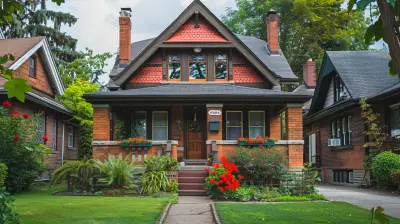
The Role of Demographics in Future Real Estate Demand
20 December 2025
When it comes to real estate, there’s one factor that has always played a pivotal role in shaping demand: people. Yep, demographics are like the secret sauce in the real estate recipe. They tell us who’s looking for a home, what they’re looking for, and where they want to be. But here’s the kicker—demographics aren’t static. They evolve over time, and these shifts directly influence what the real estate market looks like today and what it’ll look like tomorrow.
So, let’s dive into the fascinating world of demographics and explore how they’re shaping the future demand for real estate. Whether you’re an investor, a developer, or just someone curious about the housing market, you’re going to love this.
What Are Demographics and Why Do They Matter in Real Estate?
Alright, time for a quick refresher. Demographics describe the makeup of a population. We’re talking about things like age, income, family size, education level, and even lifestyle preferences. Think of demographics as the DNA of a market—it helps us decode patterns and make predictions.Why do these matter in real estate? Well, real estate demand is all about people. Whether someone is buying or renting, their needs, preferences, and financial situations tie directly to their demographic profile. For instance, a young millennial professional and a baby boomer retiree are likely looking for very different types of homes in vastly different places.
Understanding this? Boom—you’ve just unlocked the first step to successfully navigating the future of real estate.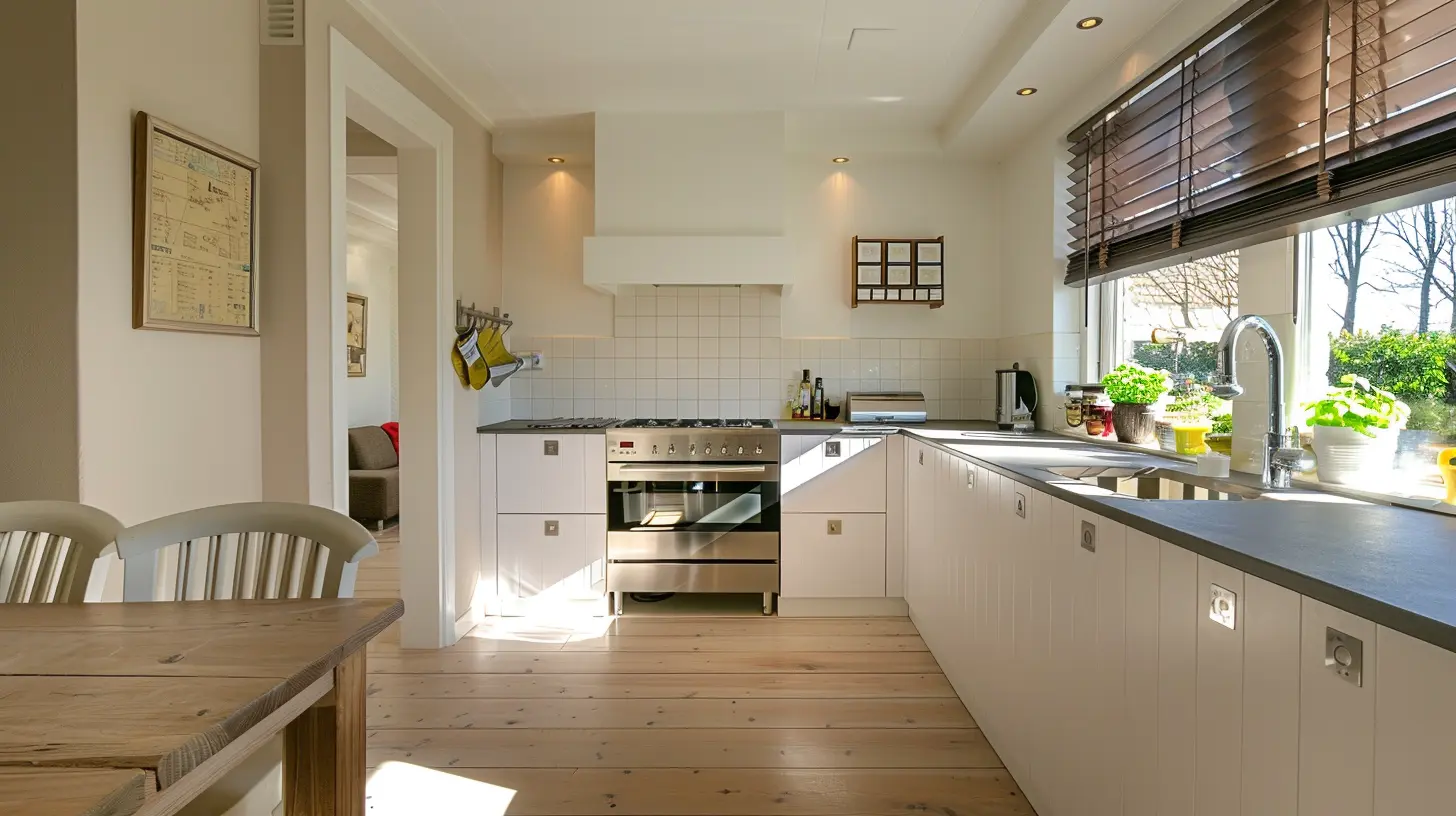
How Specific Demographic Trends Impact Real Estate Demand
Now, let’s break this down. Demographic trends don’t just act like whispers in the wind. They’re more like tidal waves—clear, strong, and often unstoppable. Here are some of the major trends that are already reshaping the real estate landscape:1. The Rise of Millennials: The "Delayed Settlers"
Millennials—you’ve probably heard the buzz already. Born between 1981 and 1996, they’re now the largest adult generation. But here’s the twist: Many millennials aren’t following the traditional "buy a house in your 20s" route. They’ve delayed buying homes because of student debt, lower wage growth, and lifestyle choices.But guess what? That’s starting to change. As millennials enter their 30s and 40s, they’re becoming a powerhouse in the real estate market. They want homes that are affordable, flexible, and located near urban hubs. Think smaller homes, condos, or even co-living spaces tailored for their needs.
2. Boomers and the Downsizing Wave
While millennials are buying, baby boomers are selling—or at least preparing to. This cohort, born between 1946 and 1964, is retiring in droves. Many are opting to downsize from large suburban homes to smaller, more manageable spaces—think apartments, townhouses, or senior living communities.What’s fascinating here is the effect this has on market supply. As boomers sell their suburban homes, there’s a shift in availability and pricing, making it easier for younger buyers to enter the market. But boomers aren't just disappearing; they’re also creating demand for homes in warmer climates, retirement communities, and even multigenerational housing setups.
3. Gen Z: The Emerging Buyers
Let’s not forget about Gen Z. While they’re still young, the oldest among them are starting to dip their toes into the housing market. This group prefers convenience and tech-enabled homes, and they value community-oriented living spaces. They’re the digital-savvy generation that’s likely to reshape how real estate is marketed and sold.And here's a fun fact: Many Gen Z individuals are skipping renting altogether and jumping straight to homeownership. Surprising, right?
4. Immigration and Its Impact
Immigration is another major factor influencing demographic shifts. Immigrants often inject fresh energy into the housing market by boosting demand for rental properties and starter homes. They tend to gravitate toward urban centers initially, but many eventually purchase homes in suburban or secondary markets.One important trend? Immigrant communities drive the need for diverse housing options—ranging from multifamily dwellings to first-time buyer homes.
5. Longevity and Aging Populations
Is it just me, or does it feel like people are living longer these days? Thanks to advances in healthcare, many are. And this means the demand for senior-specific housing is climbing. We’re talking age-restricted communities, assisted living facilities, and even in-home care solutions.This "silver tsunami" is reshaping how developers think about real estate. Forget cookie-cutter homes—future developments will likely cater to aging-in-place designs, with features like no-step entries, wider doorways, and smart home technologies.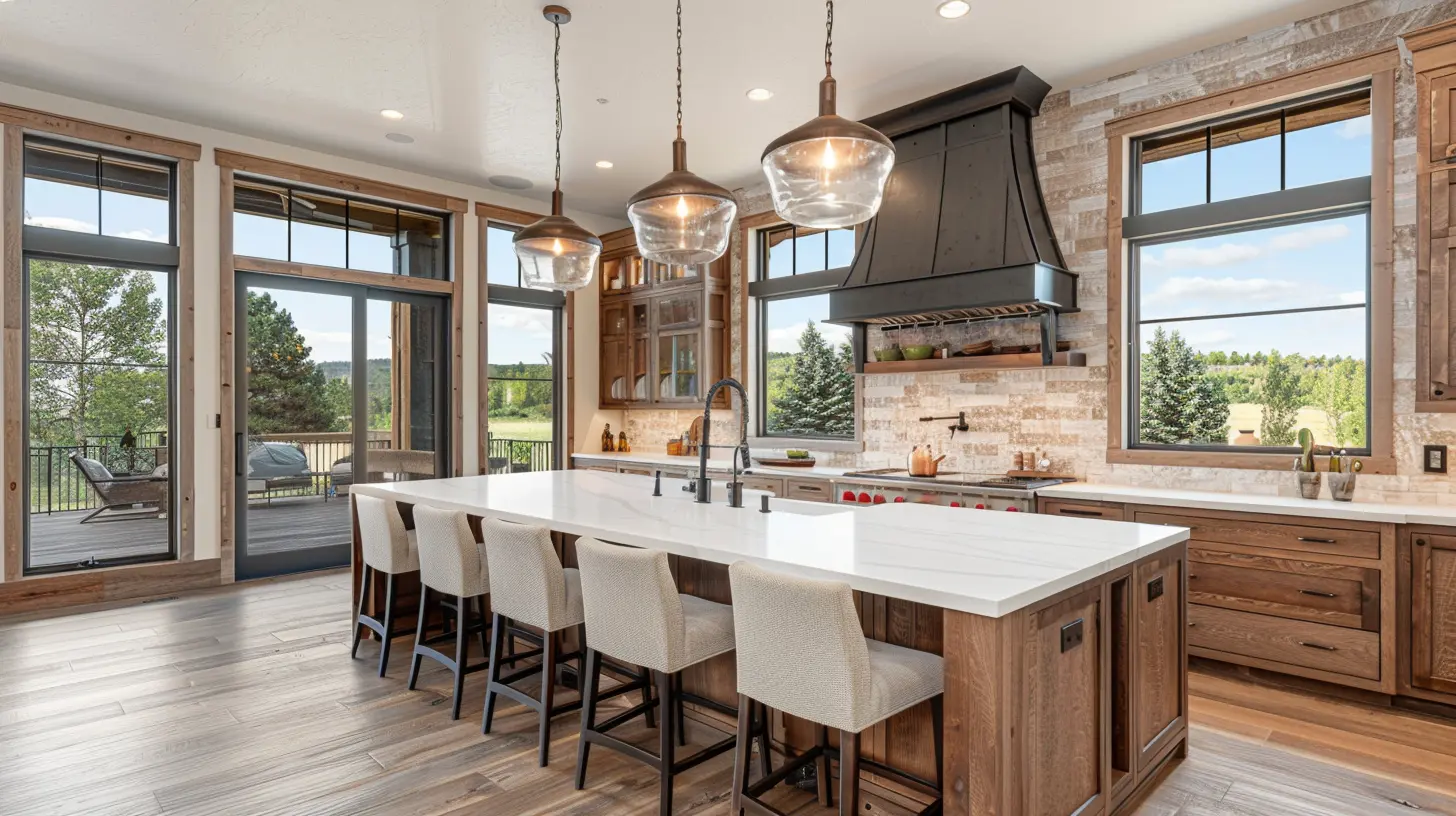
Urban vs. Suburban: The Great Migration
Let’s talk geography for a second. Where people choose to live is just as important as who they are. And demographic shifts are causing some interesting trends in this area.During the early 2020s (thanks in part to the pandemic), we saw a huge shuffle of people leaving crowded cities for the suburbs. Why? Affordability, remote work opportunities, and the desire for more space.
But here’s the twist: Young professionals still crave the vibrancy of cities. They want the culture, the nightlife, and the convenience. So, smaller urban centers—often referred to as secondary cities—are booming. Think cities like Austin, Denver, and Nashville. They offer the best of both worlds—affordable living with urban perks.
Lifestyle Trends: How Preferences Are Shifting the Market
Demographics don’t exist in a vacuum. Lifestyle trends are heavily intertwined with these shifts, and together, they shape where and how people want to live. Here are a couple of red-hot lifestyle trends influencing real estate:1. Work-From-Home Revolution
Remote work isn’t just a trend—it’s becoming a lifestyle for many. People are no longer tethered to living near their office, which means they’re prioritizing homes with dedicated office spaces (or at least a corner for a desk). They’re also willing to move further away from city centers if it means they get more bang for their buck.2. Sustainability Is King
Eco-conscious living is huge right now. Buyers are actively seeking homes with energy-efficient appliances, solar panels, and sustainable building materials. It’s not just about saving money on utilities—it’s about making environmentally responsible choices. Developers, take note.3. The Rise of Multigenerational Housing
Remember when moving back in with your parents felt like admitting defeat? Times have changed. Multigenerational living is growing more popular, thanks to cultural shifts and rising housing costs. Families are pooling resources and opting for homes that accommodate multiple generations under one roof.What Does the Future Hold?
Predicting the future of real estate is always tricky, but if there’s one thing we know for sure, it’s that demographics are the compass. By understanding who’s shaping the market and what they want, we can make smarter decisions.Here’s a glimpse of what might be on the horizon:
- More tech-driven solutions for buying, selling, and living in homes (hello, virtual reality tours and smart home integrations).
- A continued push toward sustainable, net-zero housing development.
- Growth in secondary and tertiary cities as remote work becomes the norm.
- Demand for creative housing options like co-living spaces, tiny homes, and prefab modular homes.
Wrapping Up
So, there you have it—the evolving role of demographics in future real estate demand. Whether it’s millennials buying their first homes, boomers downsizing, or Gen Z reshaping the market in ways we haven’t even seen yet, demographics are at the heart of it all. By paying close attention to these shifts, you’ll always have a pulse on the ever-changing real estate landscape.The real estate market is like a living, breathing organism, and demographics are its heartbeat. So, what’s next for you? Are you ready to ride the wave or just watch it pass you by?
all images in this post were generated using AI tools
Category:
Real Estate ForecastAuthor:

Mateo Hines
Discussion
rate this article
2 comments
Skye Curry
Demographics significantly shape real estate demand, influencing everything from housing types to location preferences. As population dynamics evolve, particularly with aging populations and urbanization trends, investors must adapt strategies to capture emerging opportunities in diverse market segments.
January 7, 2026 at 12:08 PM
Mateo Hines
Thank you for your insightful comment! Indeed, adapting to demographic changes is crucial for identifying and capitalizing on evolving real estate opportunities.
Gavin Simmons
This article insightfully highlights how shifting demographics shape real estate demand. Understanding these trends is crucial for investors and developers to make informed decisions that meet future housing needs. Great read!
December 26, 2025 at 4:00 AM
Mateo Hines
Thank you for your thoughtful comment! I'm glad you found the insights on demographics valuable for future real estate decisions.