The Role of Eco-Friendly Landscaping in Green Home Design
14 December 2025
When it comes to designing a sustainable home, most people think about energy-efficient appliances, solar panels, and smart thermostats. But what about the outdoor space? Eco-friendly landscaping is a game-changer in green home design. It’s not just about aesthetics—it plays a huge role in sustainability, energy efficiency, and even improving your quality of life.
Want to turn your home into an eco-friendly paradise? Let’s dive into how sustainable landscaping can make your home greener, healthier, and more beautiful. 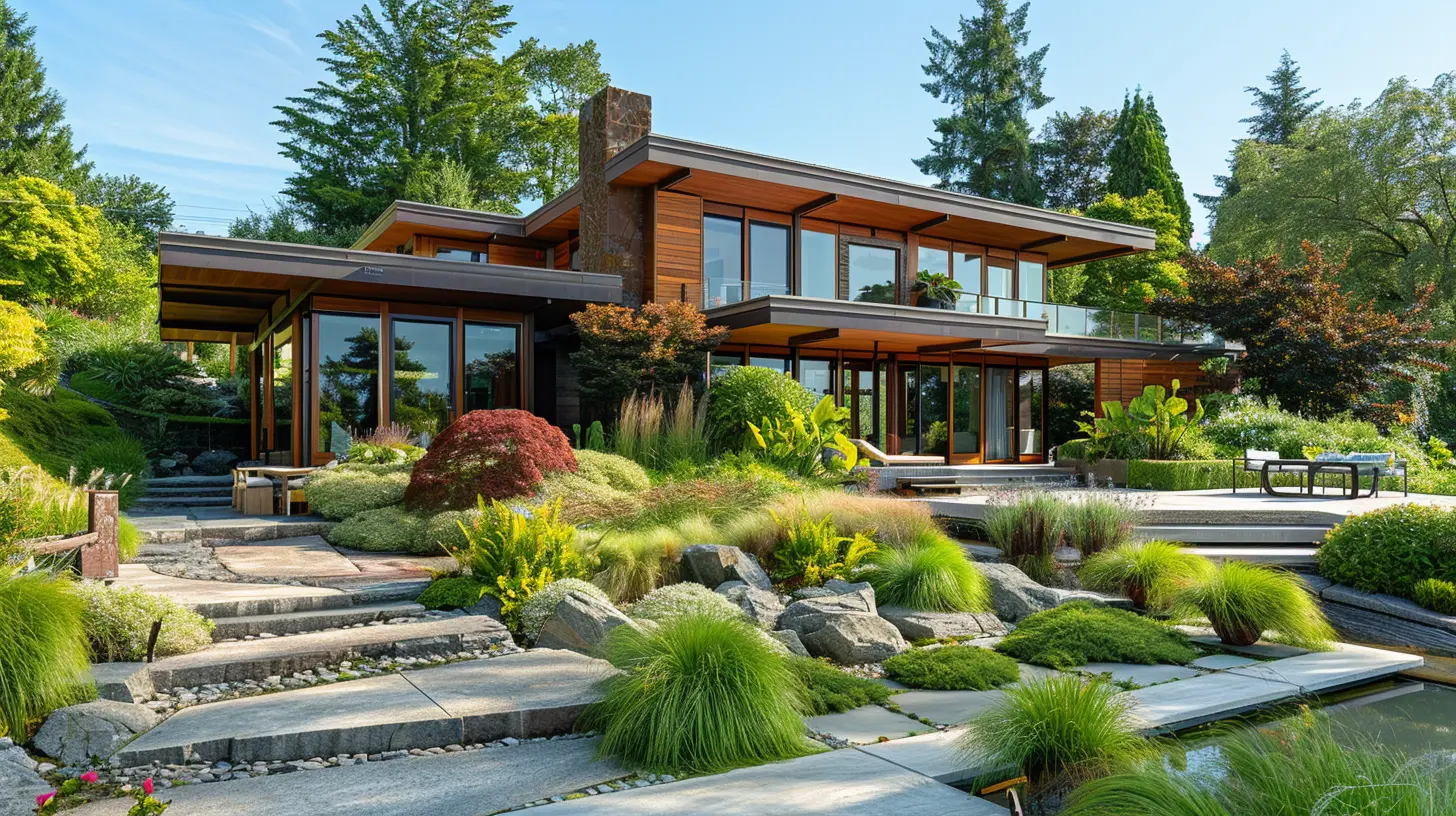
Why Does Eco-Friendly Landscaping Matter?
Think about this: Your yard is more than just a patch of grass. It’s a living, breathing ecosystem that can either help or harm the environment. Traditional landscaping often wastes water, relies on chemical fertilizers, and removes natural habitats for wildlife.Eco-friendly landscaping flips the script by focusing on techniques that conserve resources, reduce pollution, and create a thriving outdoor space that benefits both you and the planet. 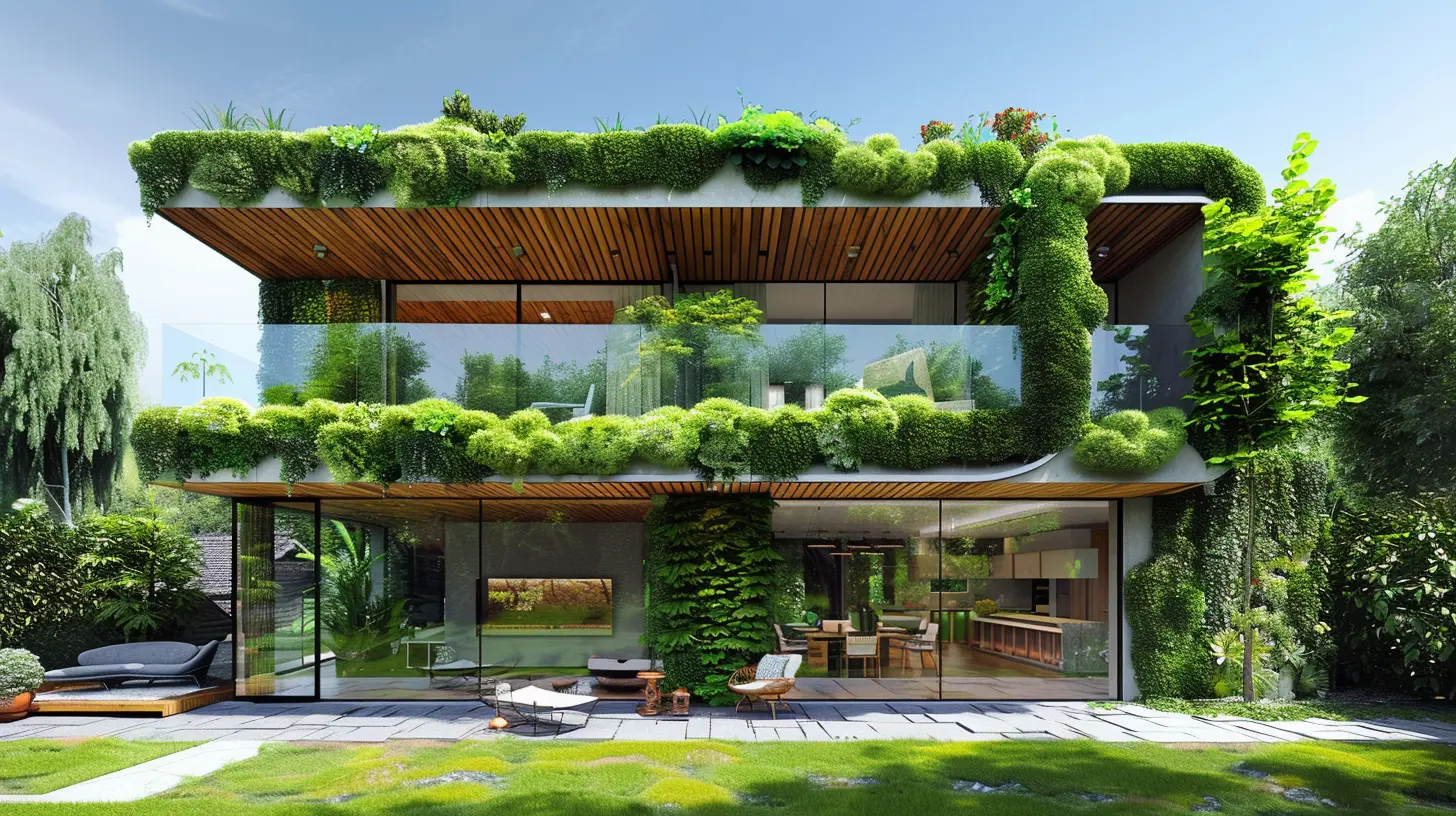
Key Benefits of Eco-Friendly Landscaping
1. Saves Water and Reduces Waste
Did you know that traditional lawns guzzle up thousands of gallons of water each year? Eco-friendly landscaping focuses on drought-resistant plants, rainwater harvesting, and irrigation systems that reduce water waste.By using methods like xeriscaping (landscaping that requires little or no irrigation), homeowners can significantly cut down on water usage while still keeping their yards lush and vibrant.
2. Cuts Down on Energy Use
A well-planned landscape can actually help regulate your home’s temperature. Trees and shrubs provide natural shade in the summer, reducing the need for air conditioning. In the colder months, they act as windbreaks, keeping your home warmer and cutting heating costs.By strategically placing trees around your home, you can create a natural insulation system that saves energy and lowers utility bills.
3. Improves Air and Soil Quality
Traditional landscaping often relies on chemical fertilizers and pesticides, which can harm the environment and even seep into your home’s soil and water supply. Eco-friendly landscaping ditches the toxic chemicals in favor of organic compost, native plants, and natural pest control.The result? Cleaner air, healthier soil, and a thriving ecosystem right in your backyard.
4. Boosts Biodiversity and Supports Wildlife
Your yard can be more than just a pretty space—it can be a sanctuary for birds, bees, and butterflies! Native plants, wildflowers, and pollinator-friendly gardens create habitats where wildlife can thrive.By incorporating features like birdhouses, bee hotels, and water sources, you turn your outdoor space into a nature-friendly haven that helps maintain biodiversity.
5. Raises Property Value
An eco-friendly yard isn’t just good for the planet—it’s great for your pocket, too. Sustainable landscaping enhances curb appeal and makes a property more attractive to buyers.As more homeowners become environmentally conscious, green homes with sustainable landscapes are in higher demand.

Essential Elements of Eco-Friendly Landscaping
Now that we know why eco-friendly landscaping matters, let’s talk about how to make it happen.1. Use Native and Drought-Resistant Plants
Native plants are designed to thrive in your local climate without needing excessive water or maintenance. They’re naturally resistant to pests and diseases, making them a low-maintenance and eco-friendly option for your landscape.Some great drought-resistant plants include:
- Lavender
- Succulents
- Coneflowers
- Ornamental grasses
These plants not only save water but also add beauty and diversity to your yard.
2. Install a Rainwater Collection System
Why let rainwater go to waste? Installing rain barrels or an underground rainwater collection system can help store and reuse water for irrigation.By using collected rainwater for your garden, you reduce dependency on municipal water systems and lower your water bill. It’s a win-win!
3. Reduce Lawn Areas
That large, manicured lawn might look nice, but it’s a water-sucking, high-maintenance headache. Instead of covering your entire yard with grass, consider reducing lawn areas and replacing them with ground covers, wildflower gardens, or hardscaped areas with eco-friendly materials.Less lawn means:
✅ Less watering
✅ Less mowing (goodbye, noisy lawnmower!)
✅ More natural beauty
4. Opt for Permeable Paving
Traditional concrete and asphalt driveways don’t allow water to seep into the ground, leading to runoff and potential flooding. Permeable paving materials like gravel, bricks, or porous concrete let rainwater absorb into the soil naturally.This helps prevent erosion, replenishes groundwater, and reduces water waste.
5. Create a Pollinator Garden
Bees, butterflies, and hummingbirds are essential for the environment, but their populations are declining. You can help by planting a pollinator garden packed with nectar-rich flowers!Best plants for attracting pollinators:
- Milkweed (for monarch butterflies!)
- Sunflowers
- Lavender
- Echinacea
A pollinator-friendly garden adds color, vibrancy, and life to your outdoor space while supporting the ecosystem. 
Sustainable Landscaping Techniques You Can Try
Ready to take your eco-friendly yard to the next level? Here are a few sustainable landscaping techniques that can make a big difference.1. Composting for Healthier Soil
Instead of tossing out food scraps and yard waste, turn them into nutrient-rich compost. Compost improves soil health, reduces the need for chemical fertilizers, and minimizes landfill waste.2. Mulching for Moisture Retention
Mulch helps retain moisture in the soil, keeping plants hydrated longer. Plus, it prevents weed growth and enhances soil quality. Using organic mulch like wood chips or straw is a simple way to boost sustainability.3. Drip Irrigation for Efficient Watering
A traditional sprinkler system wastes a lot of water. Drip irrigation delivers water directly to plant roots, reducing evaporation and runoff. It’s a smart, water-saving solution for any green home.4. Vertical Gardening for Small Spaces
Got limited yard space? No problem! Vertical gardening uses walls, trellises, and hanging planters to grow herbs, veggies, and flowers. It’s a creative and sustainable way to maximize greenery in small areas.Final Thoughts: Why Eco-Friendly Landscaping Should Be a Priority
Eco-friendly landscaping is more than just a trend—it’s a lifestyle choice that benefits you, your home, and the planet. By incorporating sustainable practices into your outdoor space, you conserve resources, support local wildlife, and create a healthier environment.Whether you go all-in with a full sustainable landscape overhaul or start small by planting a few native flowers, every step counts. The best part? You’ll get a gorgeous, functional yard that’s good for both your soul and the earth.
So, are you ready to transform your outdoor space into an eco-friendly paradise? Your home (and the planet) will thank you!
all images in this post were generated using AI tools
Category:
Green HomesAuthor:

Mateo Hines
Discussion
rate this article
2 comments
Blaze Simmons
Eco-friendly landscaping is essential for sustainable home design, enhancing property value while promoting environmental health. By incorporating native plants, reducing water usage, and minimizing chemical inputs, homeowners can create beautiful, low-maintenance gardens that support local ecosystems and contribute to a greener future.
December 15, 2025 at 5:46 AM
Mateo Hines
Absolutely! Eco-friendly landscaping not only boosts property value but also fosters environmental health, making it a vital aspect of sustainable home design.
Rachel Powell
Great article! Eco-friendly landscaping not only enhances the beauty of homes but also promotes sustainability. It's inspiring to see how thoughtful design can benefit both the environment and our communities. Keep it up!
December 14, 2025 at 1:25 PM
Mateo Hines
Thank you for your kind words! I'm glad you found the article inspiring and appreciate your support for eco-friendly landscaping.