The Role of Public-Private Partnerships in Large-Scale Real Estate Projects
18 July 2026
Real estate development isn't just about putting up buildings. It's about creating communities, shaping cities, and making spaces where people can live, work, and thrive. But let's be real—large-scale real estate projects are complex, expensive, and often risky. That's where Public-Private Partnerships (PPPs) come into play.
PPPs have become a game-changer in the real estate world. They bring together the strengths of both the public and private sectors to tackle massive projects that neither could—or would want to—handle alone.
So, what exactly is a public-private partnership? Why do governments and private investors team up for these projects? And how do these collaborations shape the real estate landscape? Let’s dive in. 
What Are Public-Private Partnerships (PPPs)?
At its core, a Public-Private Partnership (PPP) is a collaboration between the government and private businesses to finance, develop, and operate large-scale projects. These can be anything from infrastructure improvements to massive real estate developments.In real estate, PPPs often involve things like:
- Revitalizing old neighborhoods
- Building affordable housing
- Developing commercial districts
- Constructing transportation hubs (think airports, highways, or rail stations)
The idea is simple: the public sector (government agencies) provides land, approvals, or financial incentives, while the private sector (developers, investors, or construction companies) brings in capital, expertise, and efficiency.
Now, let’s take a look at why these partnerships matter, especially in real estate. 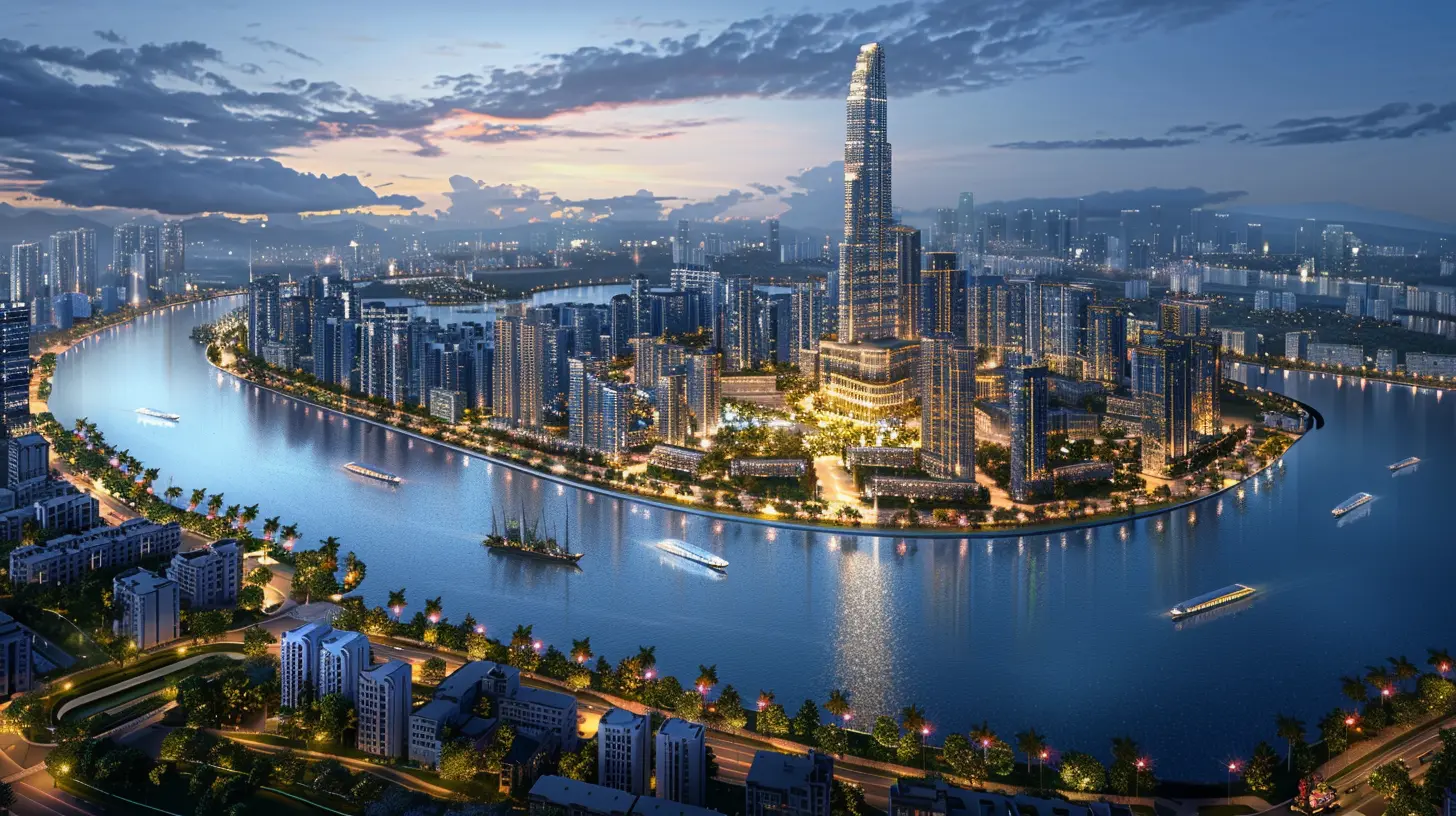
Why Do Large-Scale Real Estate Projects Need PPPs?
Massive real estate projects often face huge financial burdens, zoning hurdles, and public opposition. Without partnerships, many of these projects wouldn’t get off the ground. Here’s why PPPs are a win-win:1. Funding and Financial Leverage
Real estate development is expensive—plain and simple. Governments often don’t have the budget to fund billion-dollar projects on their own. But private investors do. By working together, they can pool resources and share financial risks.For example, a city might want to build a new affordable housing complex but lacks the funds. Instead of increasing taxes or borrowing huge sums, they collaborate with a private developer who has the capital and expertise to get it done.
2. Reduced Bureaucratic Red Tape
Let’s be honest—government projects can get caught up in endless paperwork, delays, and inefficiencies. The private sector, on the other hand, is all about speed and innovation. When the two join forces, they can cut through the red tape and push projects forward much faster.3. Sharing of Risks and Responsibilities
Large-scale projects come with big risks—economic downturns, construction delays, public opposition, and regulatory challenges. A PPP allows both parties to share these risks. The government provides stability and policy backing, while the private sector brings in financial strength and operational expertise.4. Better Quality and Long-Term Sustainability
Because private developers have a financial stake in the success of a project, they’re motivated to deliver high-quality work and maintain efficiency. That often results in better-designed, more sustainable real estate developments that serve the community well for decades.5. Community Benefits and Social Impact
Public-private partnerships aren’t just about profits—they can also serve a greater good. They can help build affordable housing, revitalize neglected urban areas, or create spaces for public use. A well-executed PPP can transform entire cities, making them more livable and vibrant.
Real-Life Examples of Successful Public-Private Partnerships
Now, theory sounds great, but how does this actually work in real life? Let’s take a look at some notable PPP real estate projects that have made a lasting impact.1. Hudson Yards (New York City, USA)
Hudson Yards, one of the largest private real estate developments in U.S. history, is a prime example of a successful PPP. The city provided tax incentives and infrastructure support, while private developers handled the financing and construction. Today, Hudson Yards is a bustling hub of offices, retail spaces, restaurants, and public parks.2. Battersea Power Station (London, UK)
Once an abandoned industrial site, Battersea Power Station was transformed into a thriving mixed-use district through a public-private partnership. The UK government set the groundwork by approving zoning changes and infrastructure improvements, while private investors turned the site into luxury apartments, retail spaces, and public attractions.3. HafenCity (Hamburg, Germany)
HafenCity, Europe’s largest inner-city urban development project, is another example of PPP-driven success. The government provided land, while private investors contributed to funding, design, and construction. The result? A vibrant, modern district filled with homes, office spaces, cultural venues, and green spaces.
Challenges of Public-Private Partnerships in Real Estate
Of course, PPPs aren’t without their challenges. Some of the biggest hurdles include:1. Balancing Public and Private Interests
The government’s focus is usually on public benefits, such as affordable housing and infrastructure improvement. Meanwhile, private developers want profitability. Finding a common ground that meets both goals can be tricky and requires careful negotiation.2. Complex Legal and Regulatory Issues
PPPs often deal with complex contracts, land use laws, and regulatory requirements. If these aren’t managed properly, they can lead to disputes, delays, or even project failures.3. Financial Risks and Cost Overruns
Large-scale projects can often go over budget, leaving taxpayers or investors on the hook. If financial risks aren’t properly allocated, one side might bear more burden than the other.4. Public Opposition and Controversy
Not all PPP projects are welcomed with open arms. Some communities worry about displacement, environmental impacts, or rising property costs. Transparent communication and stakeholder involvement are crucial to addressing these concerns.How to Make a Public-Private Partnership Work
So, how can governments and private investors ensure that their real estate partnership is a success? Here are some essential strategies:1. Clear Goals and Agreements
Both parties need to be 100% clear about their objectives, responsibilities, and financial commitments from the start. Well-structured contracts prevent misunderstandings down the road.2. Transparent Communication with Communities
Engaging with local communities early and often can help build trust and prevent resistance. Addressing concerns before they escalate can save months or even years of delays.3. Proper Risk Allocation
A good PPP contract clearly defines who takes on which risks—whether it’s financial, operational, or political. This prevents disputes and ensures a smoother process.4. Strong Legal and Financial Framework
Having a team of legal and financial experts to navigate complex regulations, tax structures, and funding models is absolutely essential for long-term success.Final Thoughts
Public-Private Partnerships (PPPs) have become a powerful tool in transforming large-scale real estate projects. By leveraging the strengths of both the public and private sectors, these collaborations create better, faster, and more sustainable developments that benefit entire communities.Are PPPs perfect? Definitely not. There are risks, challenges, and plenty of complexities to navigate. But when done right, they have the potential to reshape cities, boost economies, and improve quality of life in ways that neither governments nor private developers could achieve alone.
So the next time you see a massive real estate development rise from the ground, chances are, a public-private partnership played a big role in making it happen.
all images in this post were generated using AI tools
Category:
Real Estate DevelopmentAuthor:

Mateo Hines
Discussion
rate this article
1 comments
Tempest McIlwain
Public-private partnerships spark innovation in real estate development!
July 23, 2026 at 4:20 AM
Mateo Hines
Absolutely, public-private partnerships bring together diverse expertise and resources, driving innovation and efficiency in real estate projects. It's a win-win for communities and developers alike.