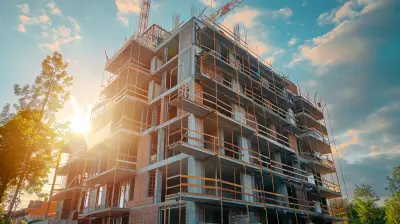
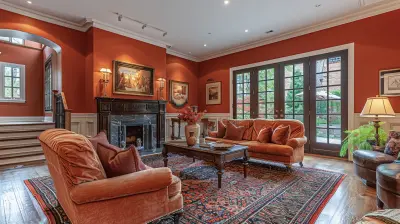
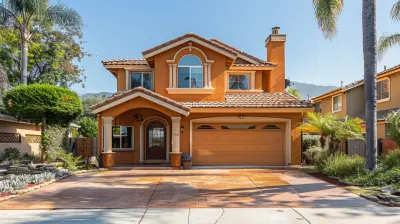
The Role of Recycled Materials in Modern Green Home Design
4 March 2026
Sustainable living isn’t a trend anymore—it’s a necessity. As we push towards a greener future, the way we design and build homes is changing. One of the biggest shifts in modern green home design is the use of recycled materials.
But why does this matter? Can recycled materials really make a difference in the way we build homes? Absolutely! Using recycled materials in home construction not only helps the environment but also creates unique and cost-effective living spaces. Let’s dive into how recycled materials are shaping the future of sustainable home design. 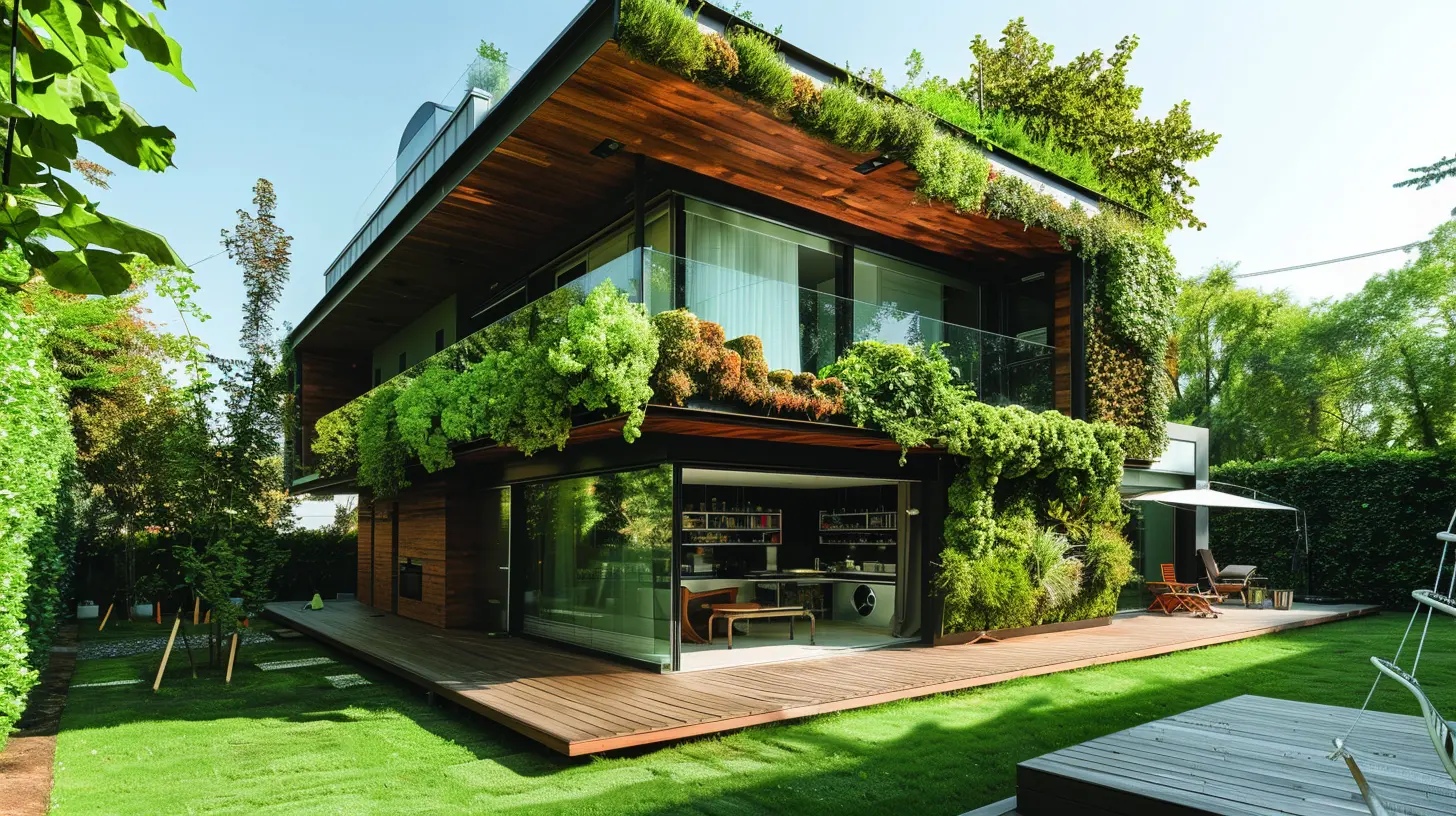
Why Use Recycled Materials in Home Design?
1. Eco-Friendly Impact
Every time we recycle materials for home construction, we reduce waste, lower carbon emissions, and conserve natural resources. Instead of dumping old wood, glass, or metal into landfills, we give them a second life.2. Cost Savings
Building a home is expensive, but using recycled materials can cut down costs significantly. Reclaimed wood, repurposed bricks, and salvaged fixtures often come at a fraction of the cost of new materials.3. Unique Aesthetic Appeal
Ever walked into a home with exposed reclaimed wood beams or vintage brick walls? They tell a story. Recycled materials add character and charm to modern homes, making them stand out from cookie-cutter designs.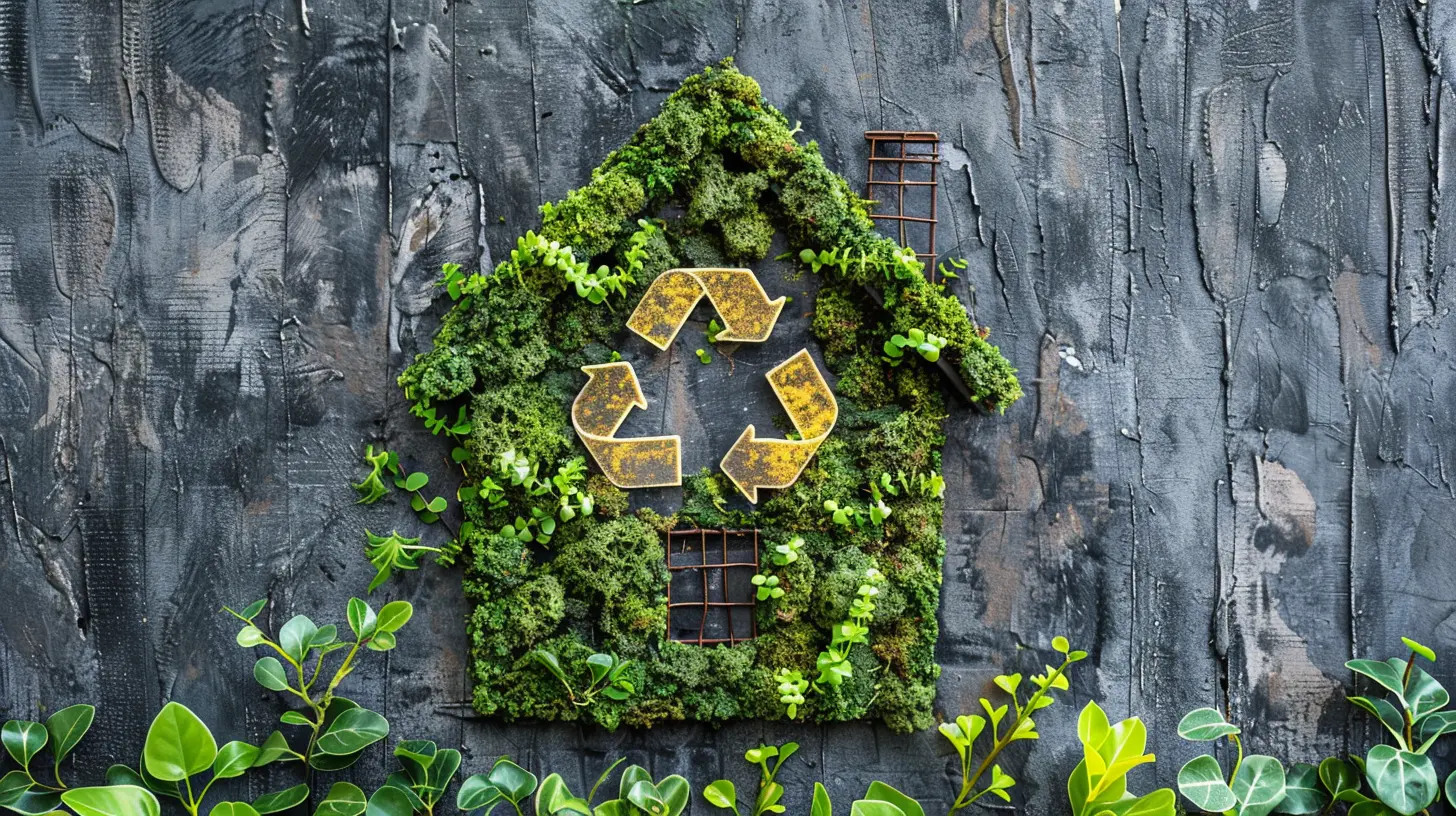
Common Recycled Materials in Green Home Design
1. Recycled Wood
Reclaimed wood is one of the most popular materials in green home design. It’s sourced from old barns, factories, and demolished buildings. Whether used for flooring, furniture, or accent walls, it brings warmth and history into a home.Benefits:
- Reduces deforestation
- Adds a rustic and natural appeal
- Durable and long-lasting
2. Recycled Metal
Steel, aluminum, and copper can be melted down and repurposed without losing strength. These metals are commonly used for roofing, structural elements, and even decorative features.Benefits:
- High durability
- Fire and pest-resistant
- Minimal maintenance required
3. Recycled Glass
Instead of tossing away old glass bottles and windows, they can be transformed into tiles, countertops, or even insulation materials.Benefits:
- Energy-efficient
- Adds unique textures and colors
- Non-porous and easy to clean
4. Reclaimed Brick
Bricks from demolished buildings can be cleaned and reused in new construction. They add a vintage touch to modern homes while preventing waste.Benefits:
- Extremely durable
- Provides excellent insulation
- Aesthetic value with a timeless appeal
5. Recycled Plastic
Plastic waste is a huge environmental problem. But innovative builders are turning plastic into sturdy construction materials like composite decking, insulation panels, and even 3D-printed walls.Benefits:
- Diverts plastic waste from landfills
- Resistant to moisture and pests
- Lightweight yet durable 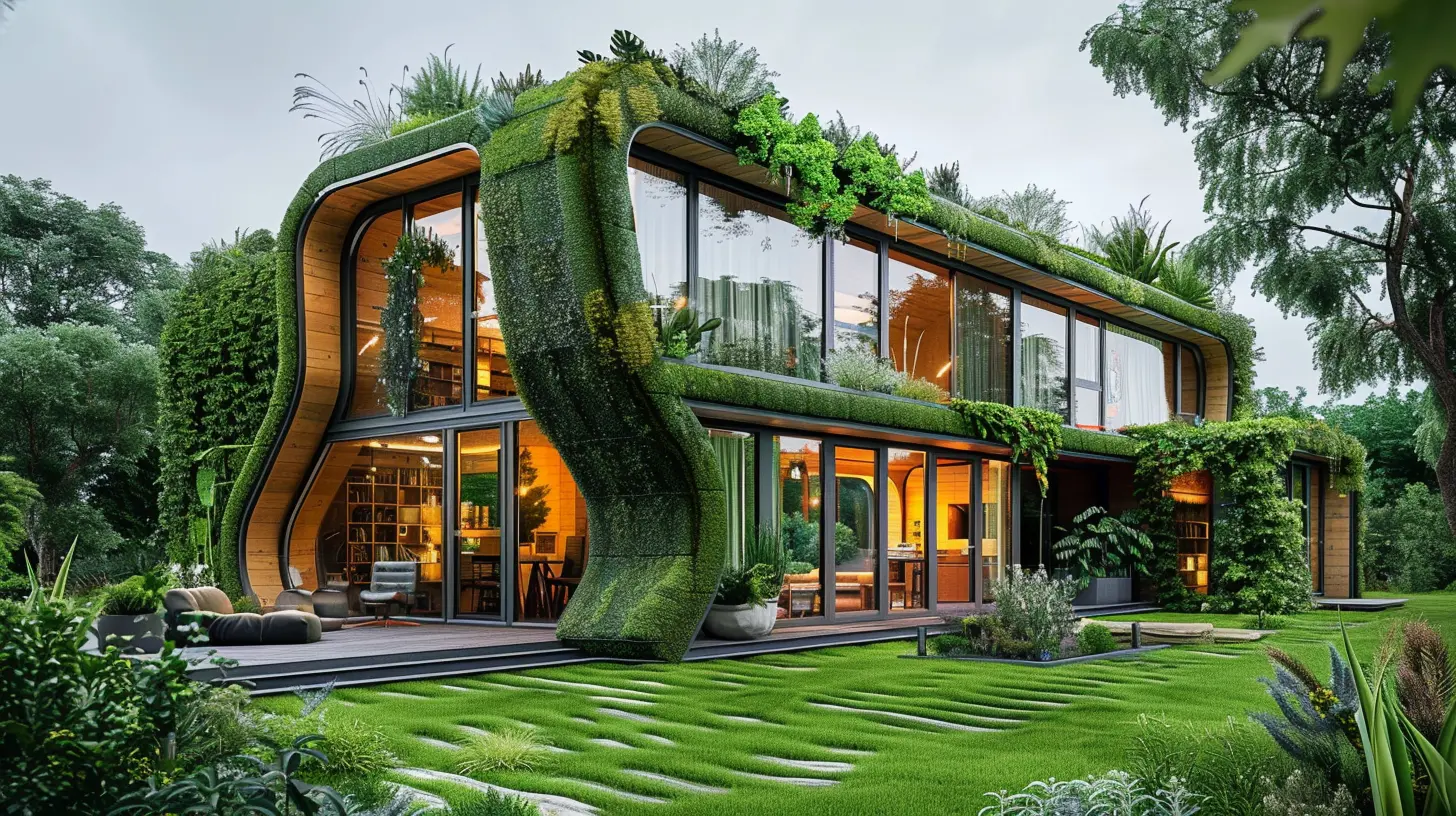
How Recycled Materials Improve Energy Efficiency
Green homes aren’t just about looking good—they’re also about saving energy. Recycled materials play a big role in improving energy efficiency in the following ways:1. Better Insulation
Materials like recycled denim, wool, and cellulose from old newspapers are used as insulation. These natural alternatives keep homes warm in the winter and cool in the summer, reducing energy bills.2. Solar Reflectivity
Recycled metal roofing reflects sunlight rather than absorbing it. This helps keep indoor temperatures lower, making it easier to maintain a comfortable home without overusing air conditioning.3. Thermal Mass
Bricks, concrete, and stone have high thermal mass, meaning they absorb heat during the day and release it at night. This keeps indoor temperatures stable, requiring less artificial heating and cooling.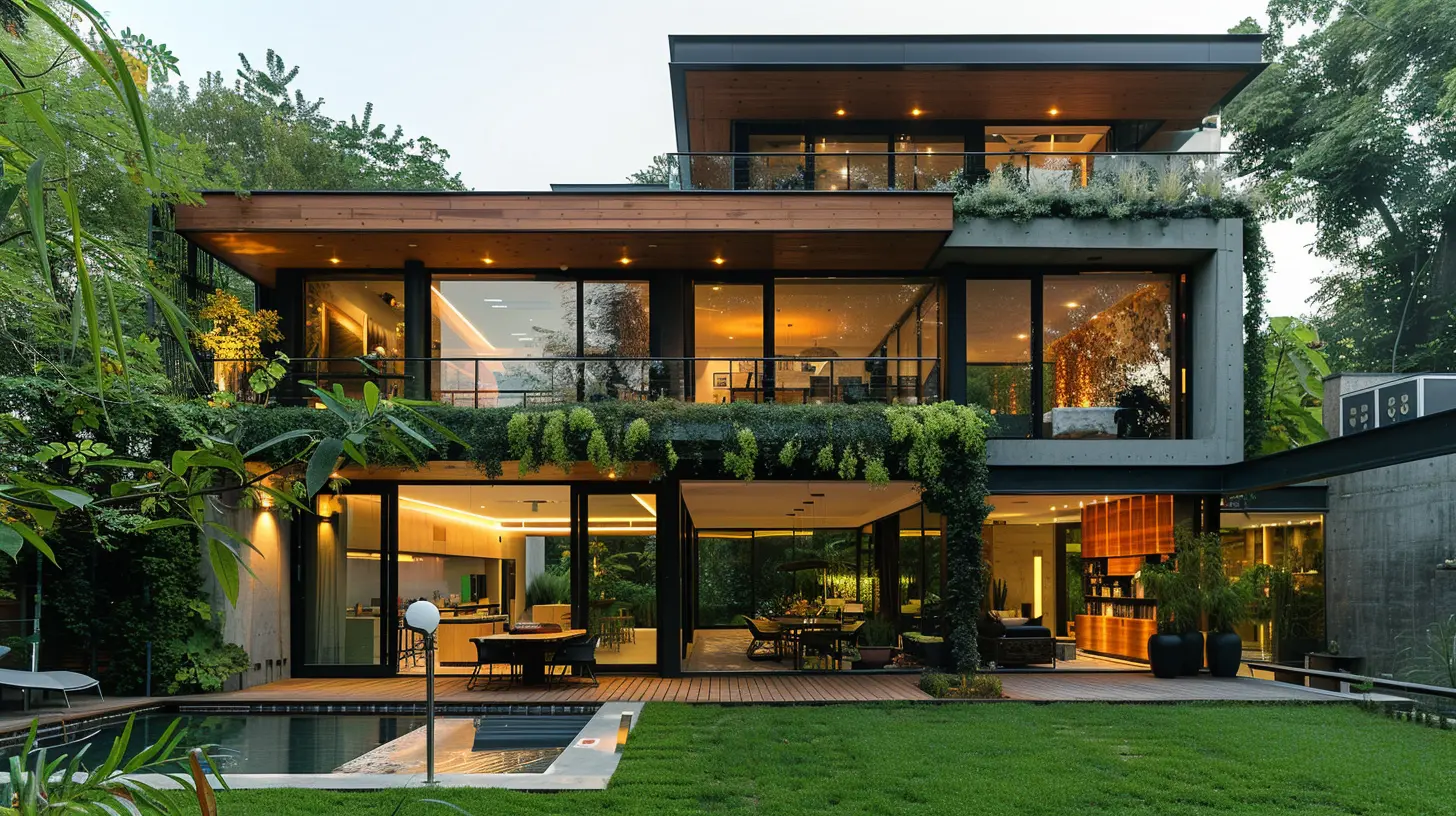
Challenges of Using Recycled Materials
1. Sourcing and Availability
Finding high-quality recycled materials can be tricky. Not all materials are readily available, and some require extra effort to repurpose.2. Processing and Treatment
Recycled wood, metal, and bricks often need cleaning, refinishing, or structural testing before they can be used again. This can add time and labor costs.3. Building Codes and Regulations
Some regions have strict building codes that may not always permit the use of certain recycled materials. Homeowners and builders have to ensure compliance before using them.Future of Recycled Materials in Home Design
With technological advancements, the use of recycled materials in home construction is only going to grow. Sustainable innovations like 3D-printed homes using recycled plastics, eco-friendly cement alternatives, and modular construction using reclaimed materials are shaping the future of green home design.More builders and homeowners are realizing that eco-friendly homes are not just good for the environment—they are also cost-effective, durable, and beautiful.
Final Thoughts
Building a green home isn’t just about adding solar panels or energy-efficient appliances. It starts with the materials we choose. By incorporating recycled materials, we reduce waste, save money, and create unique, sustainable spaces for future generations.So, the next time you think about home construction or renovation, consider giving old materials a second chance. A greener home is within reach—you just have to build it wisely.
all images in this post were generated using AI tools
Category:
Green HomesAuthor:

Mateo Hines
Discussion
rate this article
2 comments
Aria McFarlane
Love this! Recycled materials truly transform homes into eco-friendly and vibrant spaces! 🌿✨
March 7, 2026 at 4:51 AM
Mateo Hines
Thank you! I completely agree—recycled materials not only enhance sustainability but also add unique character to home designs. 🌎💚
Zayden Hall
Who knew saving the planet could be so stylish? Let's build homes with a recycled flair!
March 4, 2026 at 12:10 PM
Mateo Hines
I'm glad you see the style in sustainability! Recycled materials truly can add unique charm to green homes.