The Role of Septic System Checks in Home Inspections
27 January 2026
When buying a home, the last thing you want is a nasty surprise hidden underground. Imagine moving in, settling down, and suddenly—bam!—you’re dealing with a septic system disaster. Yikes! That’s why a thorough septic system check is a must during a home inspection. It’s not the most glamorous topic, but hey, neither is dealing with a backyard full of sewage.
If you're wondering why this matters, stick around. We’re diving deep (not literally, of course) into the importance of septic system checks and how they can save you from costly headaches later on. 
What Is a Septic System?
Before we get into why inspections are crucial, let’s cover the basics.A septic system is an underground wastewater treatment setup used in homes that aren’t connected to a municipal sewer line. It typically consists of:
- A Septic Tank – This holds wastewater and allows solids to settle while bacteria break them down.
- A Drain Field (or Leach Field) – This disperses treated water into the surrounding soil.
If everything is working properly, you won’t even notice it’s there. But if something goes wrong? You’ll notice—big time. 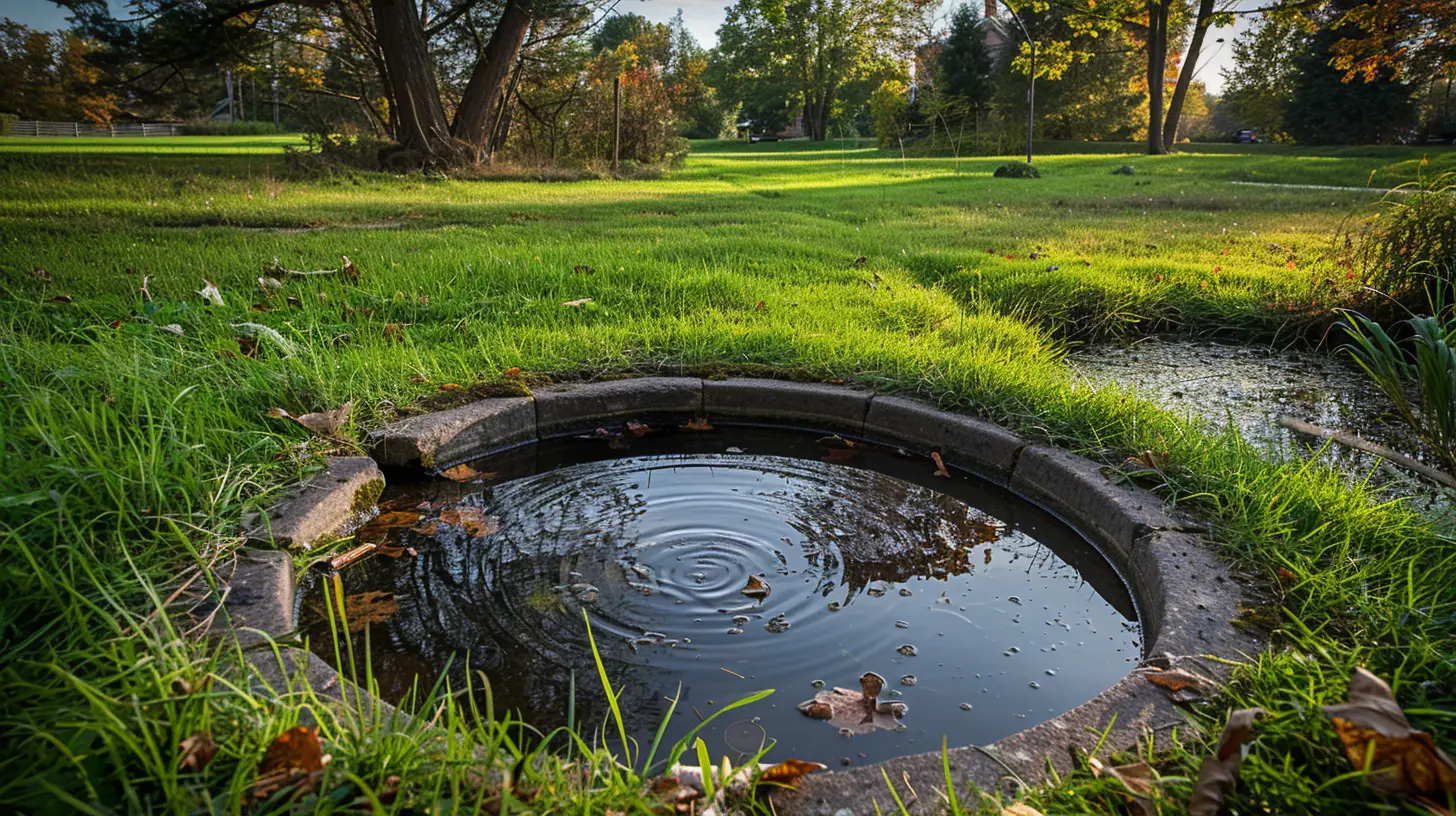
Why Are Septic System Checks Important?
Skipping a septic system inspection is like buying a used car without checking under the hood. Sure, it might look fine on the surface, but what if it’s hiding problems?Here’s why these checks are non-negotiable:
1. Avoid Major (and Expensive) Repairs
A failing septic system isn’t just gross; it’s pricey! Repairs can cost anywhere from $3,000 to $10,000, and a complete replacement? That can set you back $25,000 or more. An inspection ensures you won’t be stuck footing the bill for issues the seller "forgot" to mention.2. Prevent Health Hazards
A malfunctioning septic system can contaminate groundwater, spread disease, and create some truly awful smells. Not exactly the fresh start you imagined for your new home, right?3. Meet Local Regulations
Some areas require septic system inspections before a property can change hands. Even if it’s not legally required, it’s still a smart move to protect yourself.4. Negotiate a Better Deal
If an inspection reveals issues, you can negotiate with the seller for repairs or a price reduction. Who doesn’t love a little bargaining power?
What Happens During a Septic System Inspection?
A professional inspector will check several key components to ensure the system is functioning properly. Here’s what they typically look for:1. Tank Inspection
The inspector will open the septic tank to check:- Levels of sludge and scum buildup
- Signs of cracks or leaks
- Proper drainage from the home
If the tank is overflowing or damaged, that’s a huge red flag.
2. Drain Field Examination
A healthy drain field should absorb wastewater efficiently. Issues like standing water, foul odors, or soggy patches in the yard could signal trouble.3. Pumping and Maintenance History
A well-maintained septic system should be pumped every 3–5 years. If the seller can’t provide records, that’s a sign that upkeep may have been neglected.4. Dye Testing
Sometimes, inspectors use non-toxic dye flushed into the system to check for leaks. If the dye shows up in unexpected areas, there’s a problem.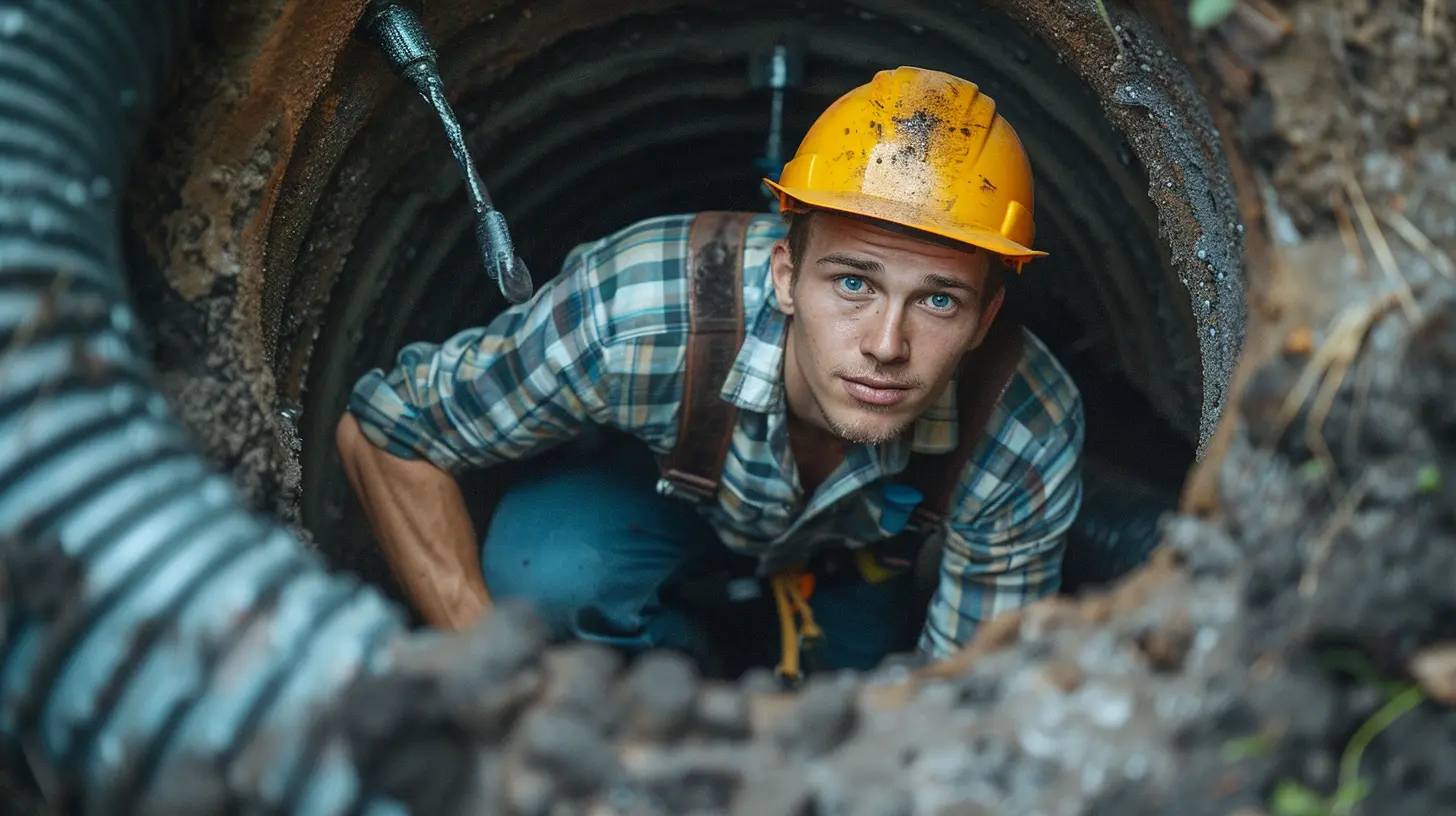
Signs of a Failing Septic System
The last thing you want is to move in and discover septic system problems after the fact. Keep an eye out for these warning signs before signing on the dotted line:- Slow Drains & Toilets – Constant clogging? Could be a septic issue.
- Unpleasant Odors – If your yard or home smells like sewage, it’s a bad sign.
- Pooling Water – Standing water near the drain field suggests a serious problem.
- Lush Green Patches – Extra green, fast-growing grass in one part of the yard might mean untreated wastewater is leaking.
How to Maintain a Healthy Septic System
If you end up buying a home with a septic system, don’t panic! Proper maintenance can keep it running smoothly for years to come. Here’s how:1. Pump It Regularly
Schedule a professional pumping every 3–5 years to remove built-up sludge.2. Watch What You Flush
Your septic system isn’t a trash can. Avoid flushing:- Grease or oil
- Coffee grounds
- Wet wipes (even if they say "flushable")
- Cat litter
- Harsh chemicals
3. Conserve Water
Excess water can overload the system. Fix leaks, use water-efficient appliances, and spread out laundry loads over the week.4. Keep the Drain Field Clear
Avoid parking cars or planting trees near the drain field. Heavy weight and tree roots can cause damage.Final Thoughts: Don’t Skip That Septic Check!
Buying a home is a huge investment, and the last thing you want is a hidden septic system disaster waiting to erupt. A thorough inspection ensures you know exactly what you’re getting into—before it's too late.So, when your home inspector suggests checking the septic system, don't roll your eyes or shrug it off. It’s not the most exciting part of the process, but trust me, it’s worth it. A little diligence now can save you thousands (and a whole lot of stress) down the line.
After all, no one buys a house dreaming of surprise plumbing nightmares, right?
all images in this post were generated using AI tools
Category:
Home InspectionsAuthor:

Mateo Hines
Discussion
rate this article
2 comments
Capri McIlroy
Septic system checks are crucial in home inspections, as they ensure the property’s wastewater system functions properly. Neglecting this aspect can lead to costly repairs and significant health and environmental hazards for homeowners and future buyers.
February 7, 2026 at 4:45 AM
Mateo Hines
Absolutely! Septic system checks are essential for protecting both the property's value and the health of its occupants. Ignoring them can result in severe consequences.
Korian Ross
“Septic system checks during home inspections: the unsung heroes of real estate! Skipping this step can lead to costly surprises. A healthy tank means a healthier home—and a happier buyer. Don’t flush your investment down the drain!”
January 28, 2026 at 4:56 AM
Mateo Hines
Absolutely! Septic system checks are crucial in home inspections. They protect investments and ensure peace of mind for buyers. A healthy system is key to a successful home purchase!