The Role of Virtual Staging in Creating a Home-Buying Experience
23 February 2026
Let’s face it—buying a home is a huge deal. It’s not just another online purchase. It’s emotional. It’s nerve-wracking. And most of all, it’s deeply personal. That’s why the way a home is presented plays such a critical role in a buyer’s decision-making process. Enter virtual staging: the modern-day magic wand of real estate marketing.
Gone are the days when empty rooms and dimly lit photos were enough to entice buyers. In a world where first impressions are made with a click, virtual staging steps in to bring listings to life. But what is it, really? How does it influence buyers? And why is everyone in real estate talking about it?
Buckle up—we’re diving into all that and more.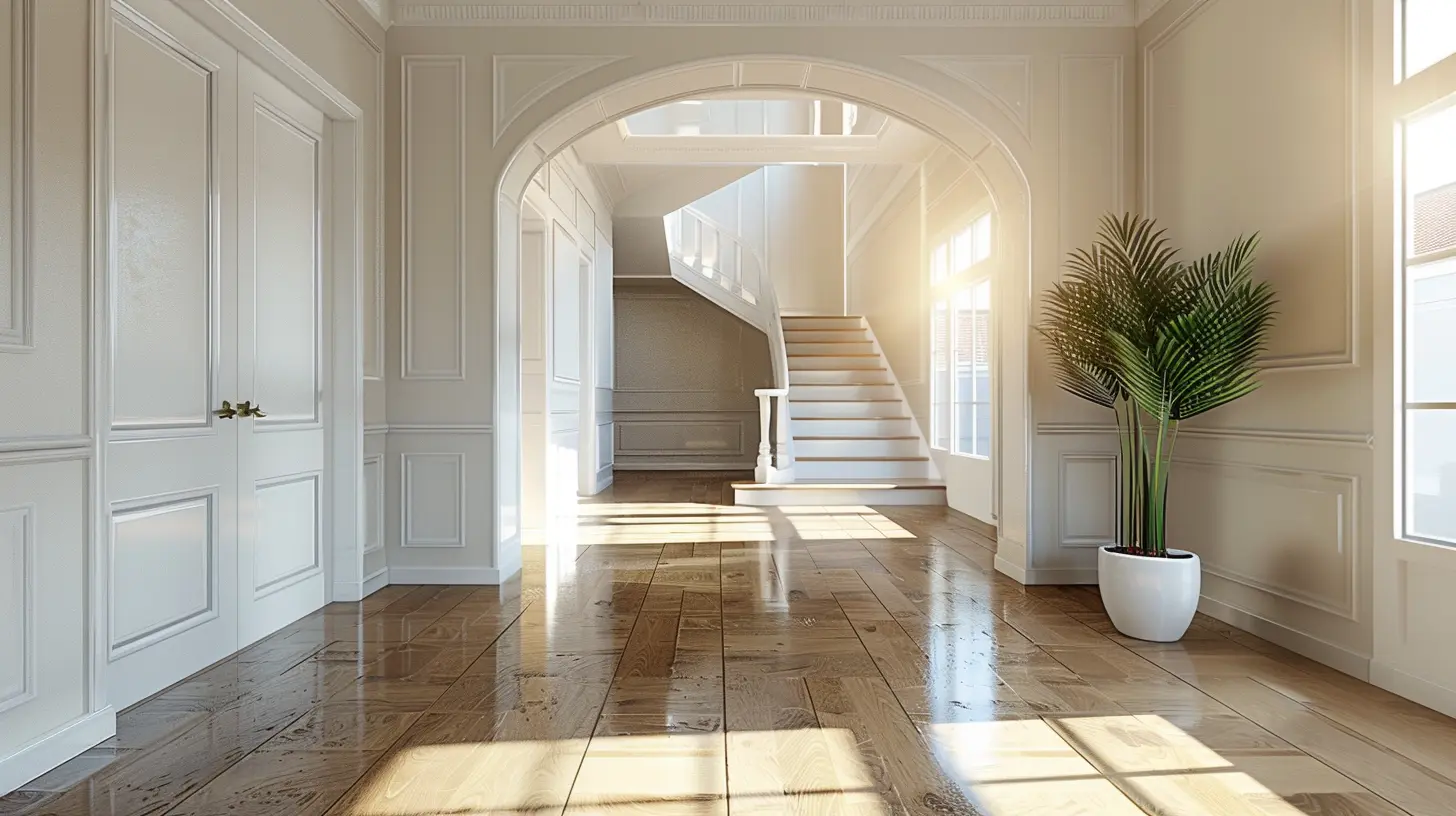
So, What Exactly is Virtual Staging?
Think of virtual staging as Photoshop meets interior design. Instead of physically furnishing a home, designers use software to insert digital furniture, décor, and lighting into listing photos. The result? A beautifully staged home without ever moving a single couch.It’s like giving your property a digital makeover—no heavy lifting required.
And the cool part? It’s completely customizable. Want to see how a space looks with mid-century modern furniture? Done. Prefer a cozy farmhouse vibe? Easy. Virtual staging can create multiple looks for the same space, catering to different buyer tastes.
Why First Impressions Matter More Than Ever
Let’s be real—most house hunting now begins online. People scroll through listings like they’re browsing on Tinder. You’ve got seconds to make an impression before they swipe (or scroll) past.Empty rooms just don’t cut it. Without furniture, it’s hard for buyers to get a sense of scale or imagine how their life would fit into those four walls. Virtual staging paints a picture. It tells a story. It helps buyers say, “Yep, I can see myself living there.”
That emotional connection? That’s the secret sauce.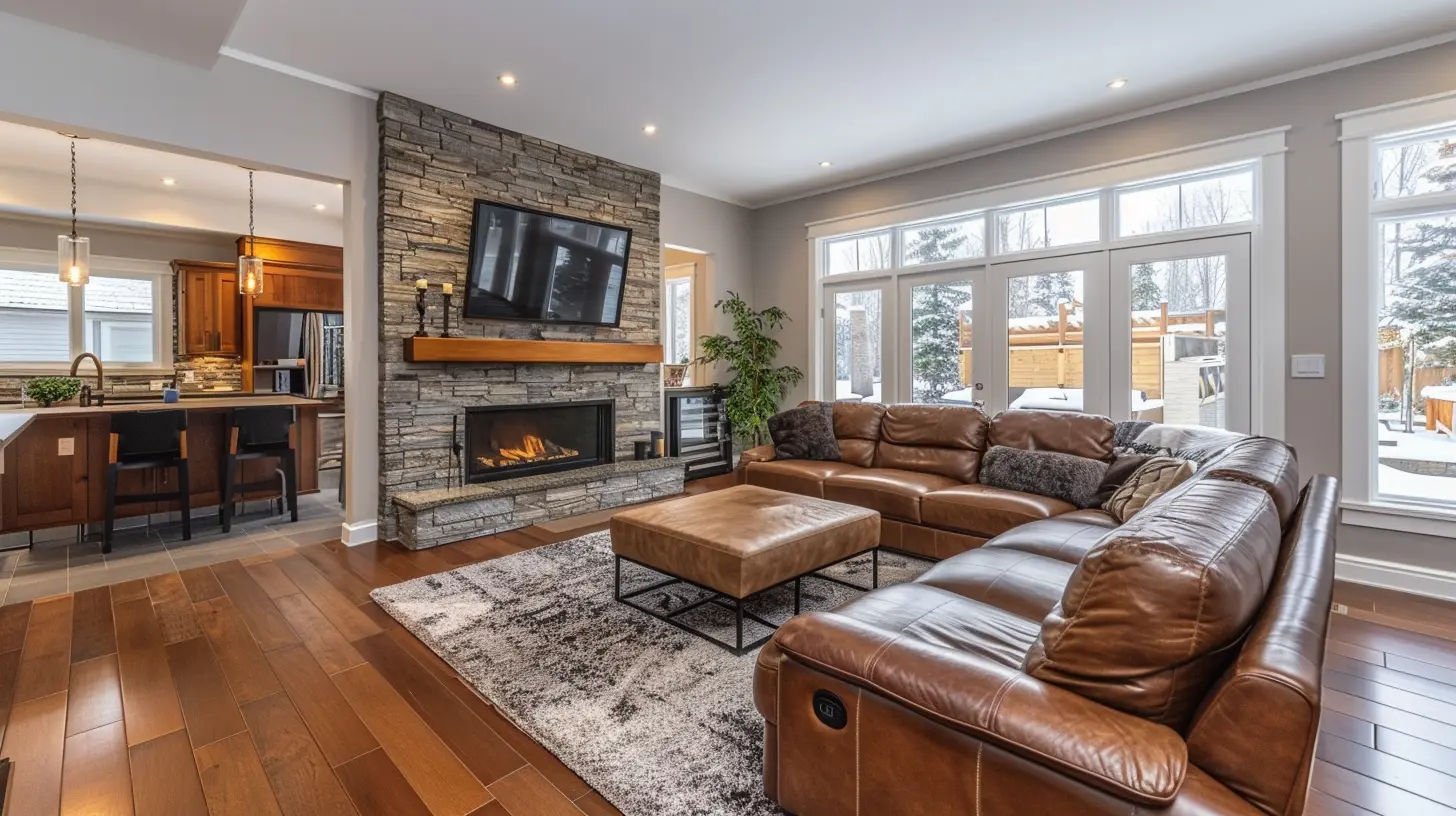
The Psychology Behind Virtual Staging
Here’s a question: Why does a staged home—virtual or not—tug at your heartstrings more than an empty one?It boils down to psychology. Our brains crave context. When we see a home with furniture, art, and rugs, we instantly start imagining moments—movie nights in the living room, Sunday breakfasts at the kitchen table, cozy evenings curled up with a good book.
Virtual staging turns abstract space into a lived-in story. Buyers aren’t just seeing a house. They’re envisioning a home.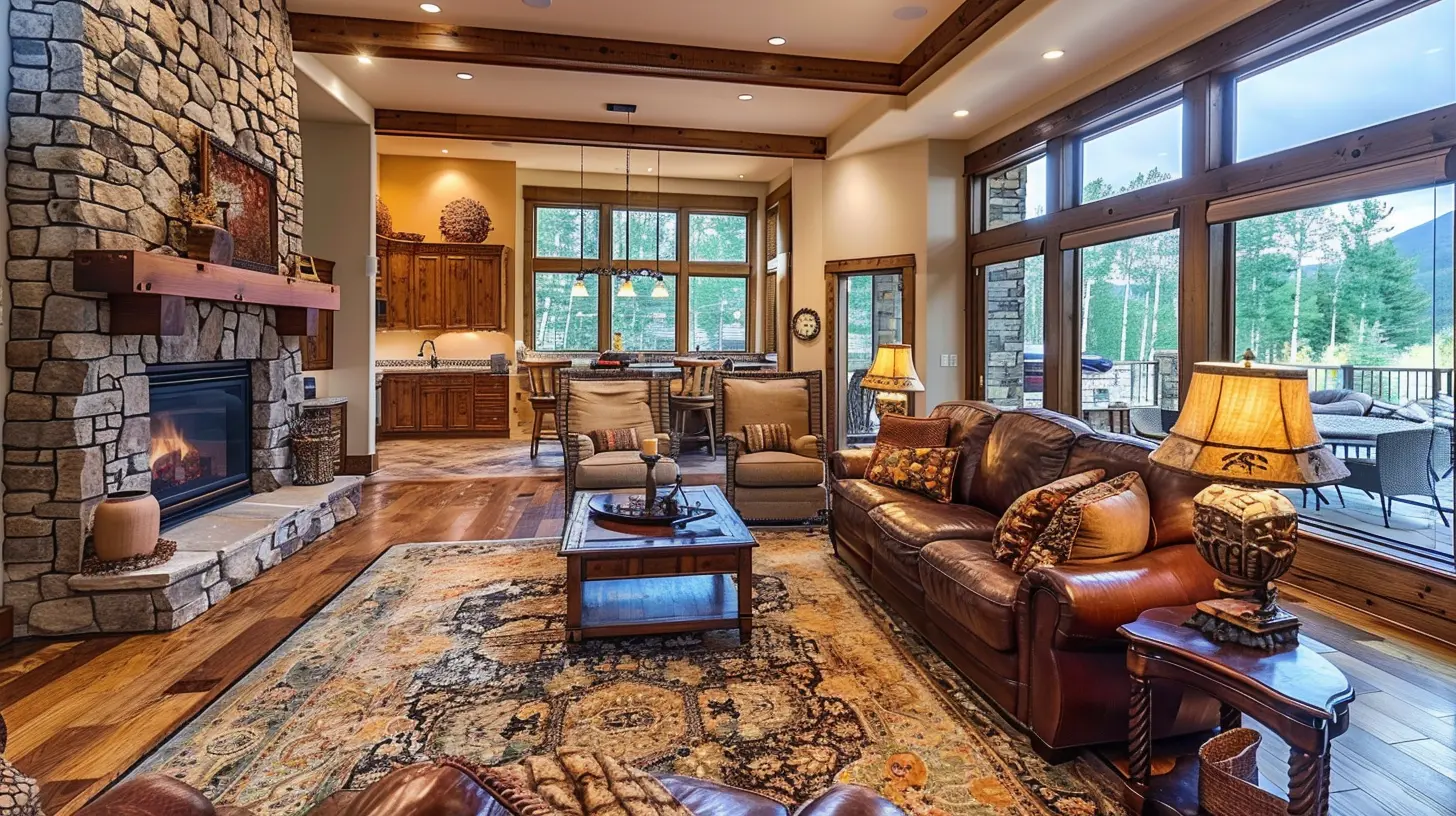
Virtual Staging vs. Traditional Staging: What’s the Difference?
Let’s compare the two side-by-side:| Feature | Traditional Staging | Virtual Staging |
|----------------------|---------------------------|-----------------------------|
| Cost | Expensive (thousands) | Affordable (hundreds) |
| Time | Days or weeks | 24-48 hours |
| Flexibility | Limited design options | Endless customization |
| Logistics | Requires movers, storage | No physical work needed |
| Buyer Imagination | Aids in visualization | Equally effective (if not more) |
When budgets are tight or time is short, virtual staging wins hands down.
But don't get it twisted—virtual staging isn't about faking reality. It's about showcasing potential.
Virtual Staging and Online Listings
Scroll through any online property portal—Zillow, Realtor.com, Redfin—and you’ll notice something. Listings with staged photos (especially virtually staged ones) stand out. They're brighter, warmer, and more inviting.High-quality, virtually staged images can spike clicks and views. More views mean more foot traffic. More foot traffic means more offers. And you guessed it—more offers means a quicker sale at (usually) a better price.
It's a domino effect—small change, big impact.
The Buyer’s Perspective: What Are They Really Thinking?
Picture this: A buyer is looking for a new home. They come across two listings in the same price range and location. One is an empty shell with bare floors and white walls. The other is virtually staged to perfection—cozy furniture, attractive lighting, smart layouts.Which one do you think they’re more likely to request a tour for?
Buyers crave comfort and inspiration. They don’t want to work hard to picture potential. Virtual staging removes guesswork, making it easier for them to fall in love.
And when buyers fall in love? They start making offers.
Virtual Staging = More Than Just Pretty Pictures
Yes, it makes your listing look amazing. But virtual staging isn’t just about eye candy—it’s a strategic tool.Here’s how it can tip the scales:
- Highlights Best Features: Got high ceilings or a killer view? Virtual staging can draw the eye to those focal points.- Downplays Flaws: That awkward nook in the living room suddenly becomes a charming reading corner.
- Improves Layout Visualization: Buyers often struggle to imagine furniture fitting into a space. Virtual staging gives them a blueprint.
- Appeals to Target Demographics: Marketing to millennials? Show off a modern, techy vibe. Aiming at retirees? Include classic, soft aesthetics.
This isn’t just decoration—it’s targeted marketing.
Common Myths About Virtual Staging (And the Truth)
Let’s clear up a few things:- “It’s misleading”: Not if it’s used ethically. Agents should always disclose that images are virtually staged. Transparency builds trust.
- “It’s not realistic”: Today’s tech is so advanced that many buyers can’t even tell the difference. The key is using skilled staging professionals who know what they're doing.
- “Buyers want to see the actual home”: Sure, but that doesn’t mean the photos shouldn’t showcase its potential. Virtual staging gets them in the door.
At the end of the day, it’s all about guiding expectations—not trickery.
How Sellers Benefit Big Time
If you’re selling your home, here's what virtual staging can do for you:1. Save Money: No rentals, no movers, no wear-and-tear.
2. Sell Faster: More eyeballs = more interest = quicker sales cycle.
3. Stand Out From The Crowd: In a sea of lackluster listings, a staged home pops.
4. Target the Right Buyers: You can tailor the look to your ideal buyer profile.
And the best part? You can stage every single room for a fraction of the cost of traditional methods.
A Word of Caution: Don’t Overdo It
Look, virtual staging is awesome—but it’s not bulletproof. If the photos are over-edited or filled with furnishings that don’t match the home’s actual style and proportions, buyers can sniff it out.Keep it tasteful, realistic, and aligned with the property itself. Less is often more.
Also, never use virtual staging to hide flaws. That’s a quick way to lose credibility.
What the Future Holds: AR and Virtual Tours
Virtual staging today is impressive, but we’re just scratching the surface.Imagine this: You walk into a home, open your phone, and—using augmented reality—you can see different furniture layouts, paint colors, or even wall art in real-time. No guessing, no imagining—just instant visualization.
This tech is already bubbling under the surface and is bound to become standard in the years ahead. The future of house hunting is going to be a wild (and way more engaging) ride.
Final Thoughts: Virtual Staging is Here to Stay
Whether you're a buyer, seller, or real estate pro, one thing’s clear—virtual staging isn’t just a trend. It’s a game-changer. It adds personality, improves marketability, and injects emotion into a process that often feels transactional.In this digital-first era, every pixel counts. And those perfectly staged rooms? They’re not just selling homes. They’re selling dreams.
So next time you’re scrolling through listings and pause at a picture-perfect living room, remember—it might be virtual, but the impact is very real.
all images in this post were generated using AI tools
Category:
Virtual StagingAuthor:

Mateo Hines
Discussion
rate this article
2 comments
Jude Carrillo
Virtual staging transforms spaces and ignites imagination, allowing buyers to envision their future. Embracing this innovative approach not only enhances property appeal but also fosters connections that turn houses into cherished homes.
March 2, 2026 at 5:26 AM
Mateo Hines
Thank you for your insightful comment! Virtual staging indeed plays a crucial role in bridging the gap between property and potential, helping buyers envision their future homes.
John McKay
Virtual staging is like giving a home a fresh wardrobe! It transforms bare spaces into inviting havens, helping buyers envision their future. In today’s digital age, it’s an essential tool that makes house-hunting not just easier, but also a lot more enjoyable.
February 24, 2026 at 5:33 AM
Mateo Hines
I completely agree! Virtual staging truly enhances the home buying journey by transforming spaces and helping buyers visualize their potential future in a home. It's a game changer in real estate!