The Shift Toward Wellness-Centered Real Estate Communities
28 May 2026
Real estate is changing. It’s no longer just about how many bedrooms or square feet you get—today, it’s about how a community makes you feel. People are prioritizing wellness like never before, and the real estate industry is catching on. Wellness-centered real estate communities are popping up everywhere, focusing on mental, physical, and emotional well-being. But what exactly does that mean? And why is this shift happening now? Let’s dive in.
Why Wellness is Becoming a Real Estate Priority
Think about it—where you live directly impacts your health. The air you breathe, the noise you hear, the food you have access to, and even the sense of belonging in your neighborhood all play a huge role in your overall well-being.With rising stress levels, an increased focus on mental health, and a growing desire for work-life balance, people are looking for homes that go beyond providing shelter. They want a space that supports their health—physically, mentally, and emotionally.
The Post-Pandemic Perspective
The pandemic changed everything. Suddenly, home became the center of our universe. It wasn’t just a place to sleep anymore—it was the office, the gym, the classroom, and even our social hub.As people spent more time indoors, they started questioning their living environments. Was their home helping or hurting their well-being? Many realized that where and how they lived directly affected their stress levels, productivity, and overall happiness. This wake-up call has fueled the demand for wellness-centered communities.
Key Features of Wellness-Centered Communities
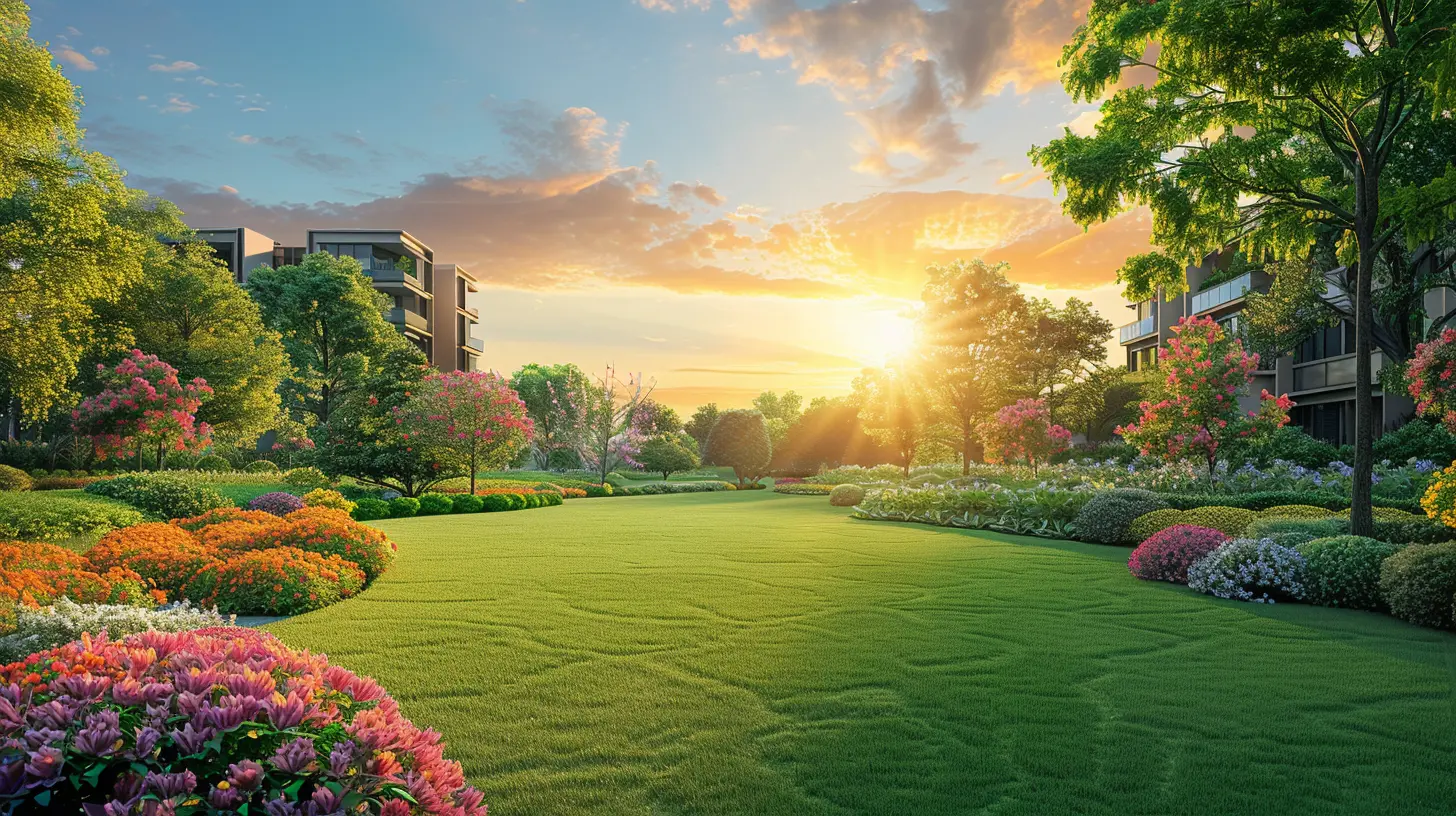
So, what makes a wellness-focused real estate community stand out? It’s all about creating an environment that actively promotes a healthier lifestyle. Here are some key features that define these modern communities:1. Green Spaces and Nature Integration
Ever notice how a walk in the park or a hike in the mountains instantly calms your mind? That’s not by accident. Nature has a profound effect on mental health, and developers are taking note.Wellness-focused communities prioritize green spaces—parks, gardens, walking trails, and even rooftop green areas. Some take it a step further by incorporating urban farms or community gardens, allowing residents to connect with nature in their own backyard.
2. Air and Water Quality Enhancements
Clean air and water might seem basic, but not every home guarantees them. Wellness-centered communities invest in high-tech air purification systems, advanced ventilation, and water filtration to ensure residents aren’t exposed to harmful pollutants.In some places, developers even use biophilic design—a concept that integrates natural elements into architecture—to enhance air quality. Think indoor gardens, open courtyards, and natural airflow systems.
3. Holistic Wellness Amenities
Forget the traditional gym-and-pool combo. Wellness communities go beyond that, offering meditation centers, yoga studios, salt rooms, and even infrared saunas. Some high-end developments have on-site nutritionists, personal trainers, and wellness coaches to support residents’ health goals.Mental wellness is also a priority, with many spaces designed for relaxation and mindfulness. Quiet zones, soundproof reading nooks, and even communal spaces encouraging social connection are becoming standard.
4. Walkability and Alternative Transportation Options
Wellness isn’t just about doing yoga or drinking green smoothies—it’s also about movement. A wellness-centered community makes it easier for residents to ditch their cars and embrace a more active lifestyle.Walking and biking trails, pedestrian-only zones, and easy access to public transport help residents stay active while reducing their reliance on cars. Some communities even provide bike-share programs or electric scooters to encourage eco-friendly movement.
5. Healthy Built Environments
It’s not just about what goes inside a home—it’s about how it’s built. Wellness-focused real estate developments use sustainable, non-toxic materials to minimize exposure to harmful chemicals.Many homes now feature circadian lighting systems that adjust throughout the day to mimic natural light, helping regulate sleep cycles. Smart home technology also plays a role, from air quality monitoring to temperature control that optimizes comfort and wellness.
6. Community Connection and Social Well-Being
A true wellness-centered development isn’t just about physical health—it’s about fostering a sense of belonging. Studies show that strong social connections can improve mental health, lower stress, and even increase lifespan.Developers are creating intentional spaces for interaction—think co-working lounges, community events, and shared gardens that bring people together. The goal? To create a village-like atmosphere where neighbors actually know and support each other.
Who’s Driving This Trend?
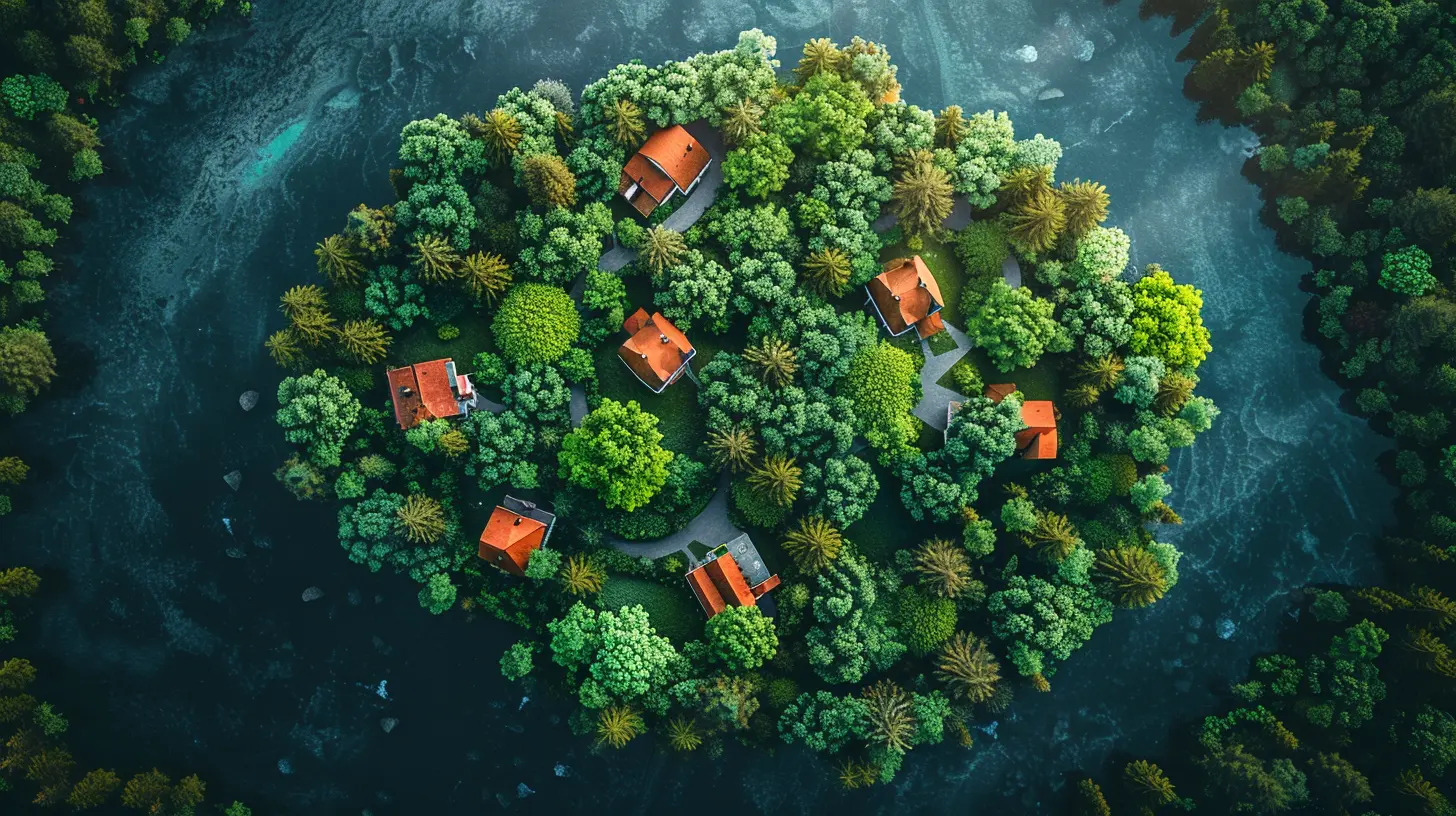
The demand for health-conscious living isn’t coming from one particular group—it’s a collective movement across generations.- Millennials want purpose-driven living—where community, sustainability, and well-being take center stage.
- Gen Z prefers walkable neighborhoods, eco-friendly designs, and mental wellness amenities.
- Baby Boomers are prioritizing aging in place, looking for homes that support long-term health and mobility.
With this wide-ranging demand, developers, architects, and real estate planners are rethinking how communities are designed.
The Future of Wellness Real Estate
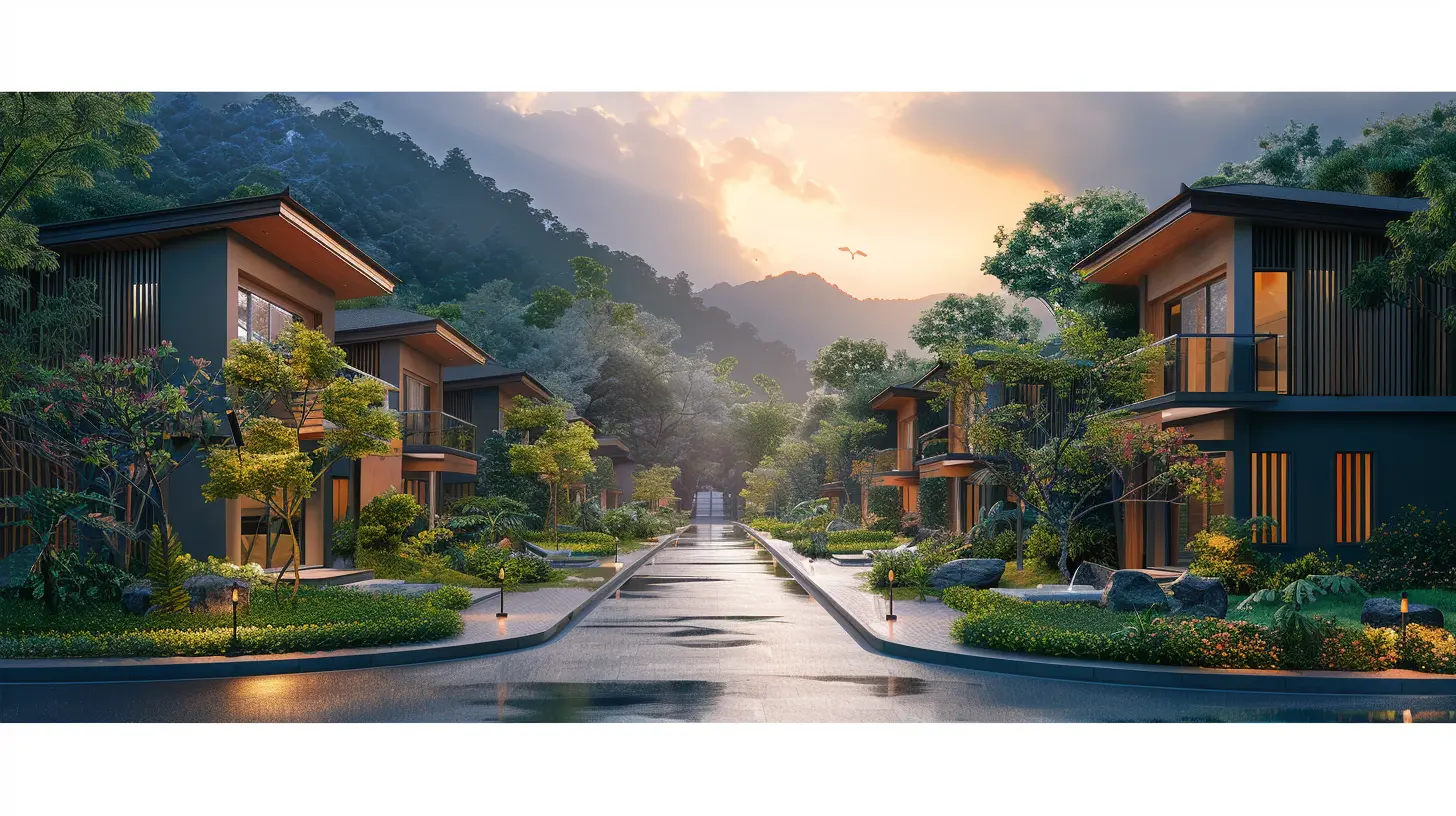
As we look ahead, wellness-centered communities are no longer just a luxury—they’re becoming the new standard. With climate concerns, mental health awareness, and the increasing importance of work-life balance, future developments will continue evolving to meet these needs.Technology will also play a bigger role. Expect smart homes that track air quality, adaptive environments that adjust lighting and temperature for optimal wellness, and virtual wellness programs integrated into living spaces.
Moreover, as urbanization grows, cities will need to incorporate more wellness-driven planning—think nature-rich public spaces, pedestrian-friendly designs, and healthier built environments.
Is a Wellness-Centered Community Right for You?
So, should you consider moving to a wellness-focused real estate community? If you value health, sustainability, and a sense of belonging, it might be the perfect fit.These communities offer more than just beautiful homes—they provide an environment that actively enhances well-being. Plus, as more people prioritize wellness, they could be a smart long-term investment.
At the end of the day, where you live should help you thrive—not just survive. Whether you’re buying your first home or looking for a change, wellness-centered real estate is worth considering.
all images in this post were generated using AI tools
Category:
Real Estate DevelopmentAuthor:

Mateo Hines
Discussion
rate this article
1 comments
Rachael Franco
It's fascinating to see how wellness is becoming a priority in real estate. What specific features are developers focusing on to promote health and well-being in these communities? I'm curious how this trend will shape future living spaces and lifestyles.
June 1, 2026 at 5:00 AM
Mateo Hines
Developers are prioritizing features like green spaces, fitness centers, and natural lighting. These elements not only promote physical health but also enhance mental well-being. As this trend grows, we can expect living spaces to become more integrated with nature and community-focused, shaping healthier lifestyles.