The Ultimate Guide to Virtual Staging for Sellers in 2027
14 October 2026
Your listing photos are not competing against other homes in your zip code anymore. They are competing against every listing a buyer scrolled past in the last forty minutes. That is the real battlefield in 2027. Virtual staging stopped being a gimmick somewhere around the time buyers stopped trusting anything they could not verify. It is now a pricing tool, a negotiation lever, and in some markets, a liability shield. Most sellers still treat it like a cosmetic upgrade. That mistake costs them money.
This guide is not a list of software. It is a decision framework. By the end, you will know when virtual staging makes you money, when it quietly destroys trust, and how to deploy it without tripping over disclosure laws or the growing skepticism of buyers who have seen one too many fake fireplaces.

What Virtual Staging Actually Is in 2027
Virtual staging means digitally furnishing or altering a photo of a real, empty, or poorly furnished room. The room exists. The camera was there. The sofa was not. That distinction matters more than ever.Older definitions lumped virtual staging together with 3D renderings and full architectural visualization. Those are different products with different legal exposure. A 3D rendering of a home that does not exist yet is clearly a rendering. A photo of a real living room with a digitally inserted sectional is a manipulation of reality, and buyers react to it differently. In 2027, regulators, MLS platforms, and buyer behavior have all converged on that distinction.
There is also a newer category worth separating out: AI-generated staging that reconstructs the entire room from scratch rather than placing furniture into a real photograph. Some tools now rebuild walls, windows, and flooring from a rough camera angle. This produces prettier images and riskier ones. The moment a tool invents a window that does not exist, you have crossed from staging into misrepresentation. Know which category your vendor is selling you.
Why It Works, and Why It Sometimes Does Not
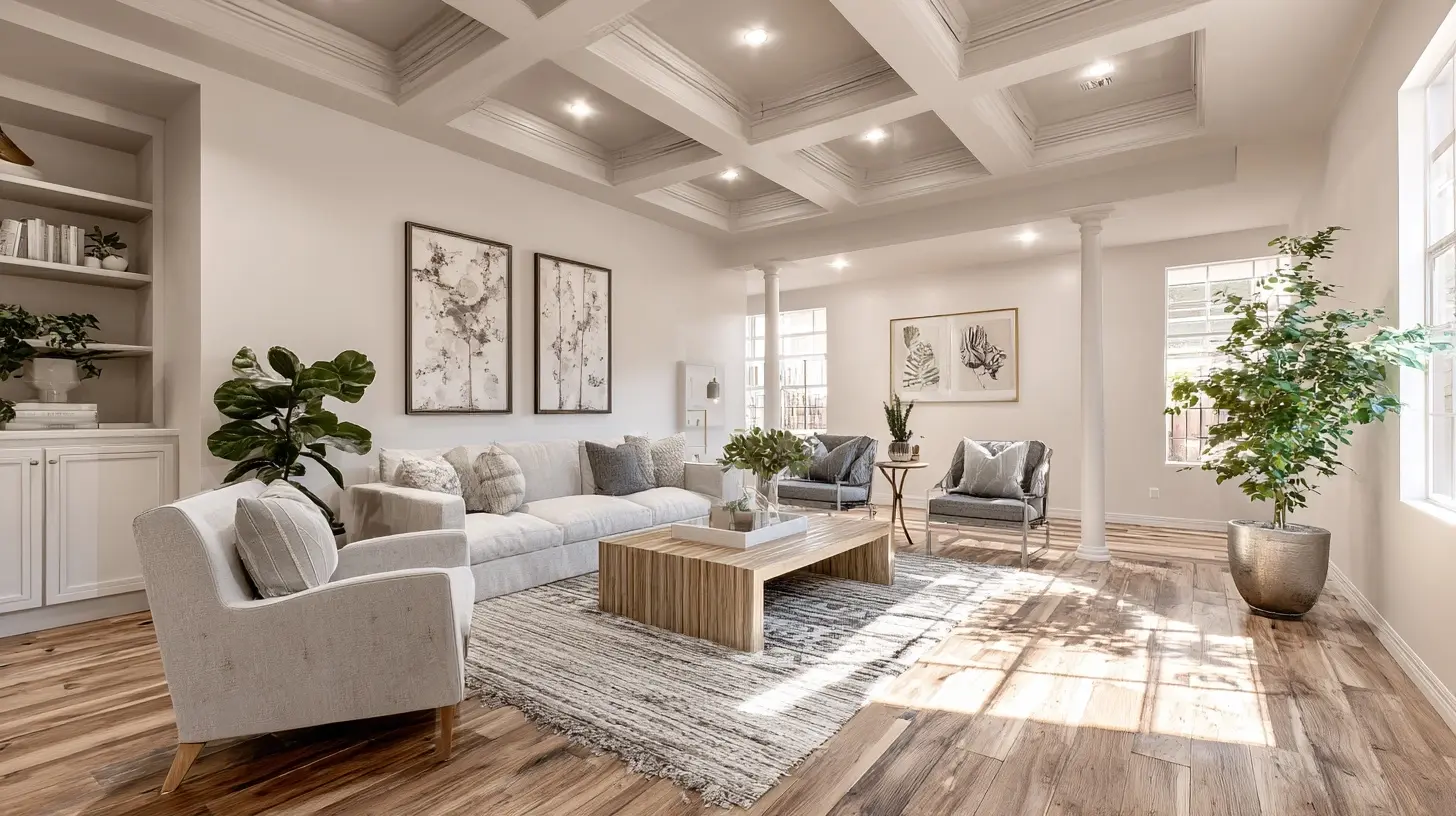
The core argument for virtual staging is simple. Buyers cannot visualize space. This is not an insult. It is a documented cognitive limitation. An empty room reads as smaller than the same room with furniture because the human eye needs reference points to judge scale. A furnished room gives the brain anchors. That is why vacant homes sit longer and sell for less, on average, than comparable occupied homes.Virtual staging solves the vacancy problem at a fraction of the cost of physical staging. A physical stager might charge several thousand dollars to furnish a home, plus monthly rental fees, plus moving costs. Virtual staging can run a few hundred dollars per home or less. For a seller with a tight budget or a fast timeline, that math is compelling.
But here is the part most guides skip. Virtual staging fails when it creates a gap between the photo and the walkthrough. If a buyer falls in love with a photo and then walks into an empty room, the emotional letdown is real. It does not just disappoint. It makes the buyer suspicious of everything else in the listing. Was the square footage exaggerated? Is the "renovated kitchen" actually a new faucet? One overpromise poisons the entire trust well.
So the question is not "should I virtually stage?" It is "will the buyer feel deceived when they arrive?" If the answer is yes, do not do it. If the answer is no, do it aggressively.
When Virtual Staging Is the Right Call
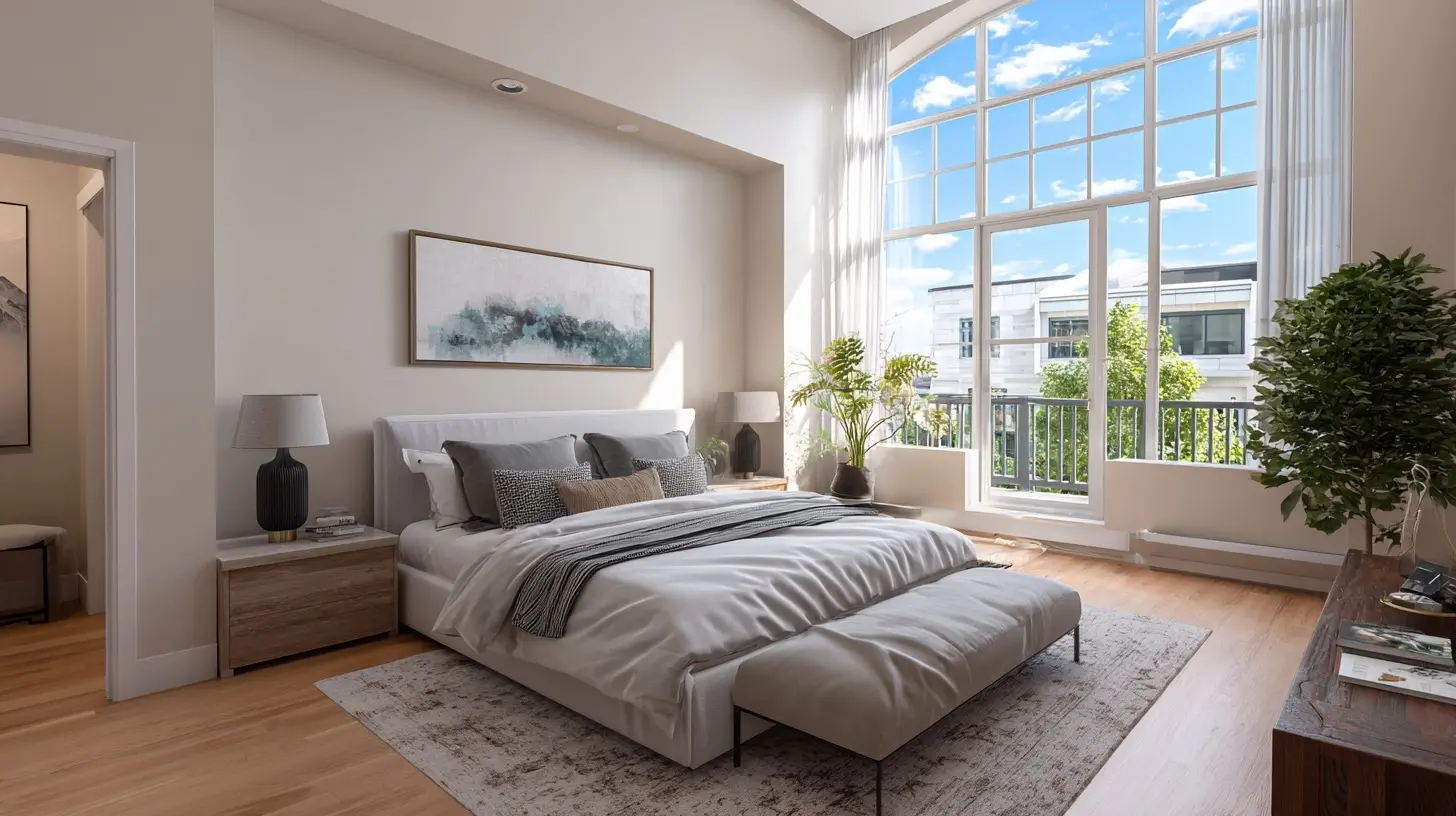
Use virtual staging when the home is vacant or when it is occupied but the furniture is actively hurting the sale. Both scenarios are common. Both have different tactics.The Vacant Home
Vacant homes are the classic use case. An empty living room photograph gives the buyer nothing. It is a box with a floor. Virtual staging turns that box into a plausible life. A sofa, a rug, a lamp, a piece of art. Suddenly the buyer is imagining their own Sunday morning there.The key is restraint. Stage the room to look like a real person lives there, not like a catalog shoot. Overstaged rooms feel cold and unattainable. A slightly imperfect arrangement, a blanket on the couch, a stack of books on the table, reads as human. That is what sells.
The Occupied Home With Bad Furniture
This is the more delicate scenario, and it is where most sellers get it wrong. If your home is occupied and your furniture is dated, bulky, or simply arranged badly, you have three options. You can physically stage it, you can virtually stage it, or you can leave it alone and accept a lower price.Virtual staging a photo of a real room with real furniture means erasing the real furniture and inserting digital furniture. That is a bigger edit than staging an empty room. It is also more likely to be detected. Buyers who tour the home will see the actual furniture. If the listing photo showed a minimalist Scandinavian living room and the walkthrough reveals a brown leather recliner and a CRT television, the gap is jarring.
In this case, virtual staging works only if the seller commits to a partial physical decluttering first. Clear the clutter. Remove the worst offenders. Then stage virtually. The gap narrows enough to be forgivable.

When Virtual Staging Backfires
Virtual staging backfires in three predictable situations. Recognize them before you spend a dollar.First, luxury properties. Buyers at the high end have seen everything. They tour homes professionally and often bring their own designers. A virtually staged photo in a seven-figure listing reads as cheap. In that segment, physical staging is the standard, and falling short of it signals that the seller is cutting corners. Do not virtually stage a luxury listing unless you are prepared to disclose it loudly and still expect skepticism.
Second, historic or architecturally distinctive homes. If the selling point is the original molding, the arched doorways, or the 1920s tile, digital furniture can distract from the very thing that makes the home valuable. Worse, poorly executed staging can obscure architectural details in the photo. In these homes, the right move is often to stage minimally or not at all, and let the bones speak.
Third, homes with a disclosure-sensitive buyer pool. Some buyers, particularly in certain investor or relocation segments, treat any digital alteration as a red flag. If your target buyer is a spreadsheet-driven investor who wants to see the property as-is, virtual staging adds noise, not value.
The Disclosure Question Nobody Wants to Answer
Every market has its own rules, and every MLS has its own policies. Some require virtual staging to be labeled. Some require the label to be visible in the photo itself, not buried in the description. Some have no formal rule at all, which is not the same as permission.The safe and increasingly standard practice is to disclose. Label the image. Note it in the listing. Tell the buyer's agent. This is not just legal hygiene. It is a trust signal. A seller who says "these photos are virtually staged" is a seller who is being straight with you. That framing turns a potential negative into a credibility asset.
Do not assume your agent will handle it. Ask explicitly. Get it in writing. If your agent shrugs and says "everyone does it," find a different agent. That attitude is a lawsuit waiting to happen in a market where buyers are more litigious and more informed than they were five years ago.
Virtual Staging vs. Physical Staging vs. Hybrid
There is no universal winner. There is only the right tool for the specific home, price point, and timeline.Physical staging wins on trust and tactile experience. Buyers walk in and see the home as it will look furnished. There is no gap. The downside is cost, logistics, and time. You need weeks, thousands of dollars, and a stager with taste.
Virtual staging wins on cost, speed, and flexibility. You can restage a room in three different styles in a day and test which one performs better. The downside is the trust gap and the disclosure burden.
Hybrid approaches are increasingly common and often the smartest play. Stage the main living areas physically, where buyers spend the most emotional energy, and stage secondary bedrooms or a bonus room virtually. You get the trust anchor of real furniture in the rooms that matter and the cost savings of digital staging in the rooms that do not.
A fourth option, which is underused, is a "day of" physical stage. Rent furniture for a single photo shoot, then return it. This gives you real furniture in real photos without the monthly rental cost. It is more expensive than virtual staging and cheaper than a full physical stage. For sellers who can coordinate the logistics, it is a strong middle path.
How to Choose a Virtual Staging Vendor
The market is crowded with vendors ranging from solo freelancers to large platforms. Price is the worst way to choose. Here is what actually matters.Look at their portfolio for restraint. If every room they stage looks like a furniture showroom, walk away. Good stagers know that a bedroom needs a bed, two nightstands, and a lamp. It does not need a chaise, a bench, a gallery wall, and a plant in every corner.
Ask about their process for matching the room's actual light. A digitally inserted sofa that casts a shadow in the wrong direction is an instant tell. The best vendors adjust shadows, reflections, and color temperature to match the original photo. Ask to see a before and after with the lighting explained.
Ask about their turnaround time and revision policy. A vendor who cannot turn around a standard room in forty-eight hours is too slow for a competitive listing. A vendor who charges for every revision will nickel and dime you. Find one with a clear, generous revision policy.
Finally, ask whether they use AI generation or manual editing. Neither is inherently better, but they produce different results. Manual editing tends to be more accurate and more expensive. AI generation is faster and cheaper but more prone to inventing details. For a standard suburban home, AI is often fine. For a home with distinctive architecture, insist on manual work.
Pricing Realities in 2027
Virtual staging pricing has compressed significantly over the past few years. Entry-level tools now offer per-image pricing that undercuts traditional vendors. But cheap per-image pricing often hides costs in revisions, resolution limits, or watermarks.A realistic budget for a professionally staged set of photos on a mid-market home is a few hundred dollars. For a luxury home or a home requiring manual editing, expect more. Compare that to physical staging, which can run into the thousands per month, and the value proposition is obvious.
Do not optimize for the lowest price. Optimize for the lowest cost per qualified showing. A cheap virtual stage that misrepresents the home will generate showings that go nowhere. An expensive but accurate stage will generate fewer, better showings. The second is worth more.
Common Mistakes Sellers Make
The first mistake is staging every room. You do not need to stage the laundry room. You need to stage the rooms that drive the emotional decision: living room, primary bedroom, kitchen, and the room that makes your home unique. Everything else can stay empty or be shown as-is.The second mistake is staging in a style that does not match the home. A farmhouse-style staging in a modern condo is dissonant. A minimalist staging in a traditional colonial feels cold. Match the staging to the architecture, not to whatever is trending on social media.
The third mistake is using virtual staging to hide a problem. If the room has a bad layout, a low ceiling, or an awkward window, staging furniture around it will not fix it. Buyers will see the problem in person. Staging should highlight strengths, not paper over weaknesses. If the weakness is severe, price it in instead.
The fourth mistake is forgetting the exterior. Sellers obsess over interior staging and leave the front yard looking like a parking lot. Curb appeal is the first photo. Virtual landscaping, which is a separate service, can address a bare yard or a bad season. If your listing photos were taken in January, virtual greening of the lawn is a legitimate and common practice, provided it is disclosed.
The fifth mistake is not testing. If your platform allows it, run two versions of the same room in different styles and see which one gets more engagement. Listing platforms increasingly offer this kind of A/B testing. Use it. Data beats taste.
What Buyers Actually Think in 2027
Buyer attitudes have shifted. Five years ago, virtual staging was novel enough that buyers accepted it without much thought. Today, buyers are more aware and more skeptical. They have seen bad staging. They have walked into homes that looked nothing like the photos. The novelty has worn off.But skepticism is not rejection. Buyers still respond to well-staged photos. They just respond better when the staging is honest and the gap between photo and reality is small. The winning formula is accurate staging, clear disclosure, and a home that delivers on the promise of the photos.
There is also a generational split worth noting. Younger buyers, who grew up with filters and digital manipulation, are more tolerant of virtual staging and more likely to expect it. Older buyers, particularly those who remember when a photo was a photo, are more likely to feel deceived. Know your buyer pool and calibrate accordingly.
The Legal and Ethical Line
The legal line is misrepresentation. If a virtual stage implies a feature that does not exist, you have crossed it. A digitally added window, a removed wall, a changed floor plan, a fireplace where there is none. These are not staging. They are fraud.The ethical line is subtler. It is about whether the buyer feels respected. A disclosed virtual stage respects the buyer. An undisclosed one does not. A stage that accurately represents the space respects the buyer. One that exaggerates it does not.
The practical test is simple. If the buyer tours the home and feels the photos were fair, you did it right. If they feel tricked, you did it wrong, regardless of what the law says.
A Practical Playbook for Sellers
Here is a sequence that works for most mid-market homes.Start with a professional photography session on the empty or decluttered home. Get the real photos first. Do not stage before you have the originals. You will need them for disclosure and for comparison.
Identify the three to five rooms that carry the listing. Stage those. Leave the rest.
Choose a staging style that matches the home's architecture and the likely buyer. If you are unsure, ask your agent to describe the buyer profile. Stage for that person.
Disclose the staging in the listing and on the images. Do not bury it.
When offers come in, use the staged photos as a conversation tool. If a buyer says "I could not see myself in the empty room," you have a ready answer. The photos showed exactly what the room can be.
If the home sits on the market, restage. Virtual staging is cheap enough that you can pivot. A different style or a different furniture arrangement can reset buyer attention.
The Bottom Line
Virtual staging in 2027 is not optional knowledge. It is a core skill for anyone selling a home. Used well, it turns an empty box into a lived-in possibility and turns a stale listing into a fresh one. Used badly, it burns trust and costs you offers.The sellers who win are not the ones who stage the most. They are the ones who stage honestly, stage selectively, and stage in a way that survives the walkthrough. That is the whole game. Everything else is software.
all images in this post were generated using AI tools
Category:
Virtual StagingAuthor:

Mateo Hines