Top Factors Influencing Home Valuation in 2027
18 April 2026
When we think about home valuations, it’s like piecing together a jigsaw puzzle. Each piece represents various elements that come together to create a complete picture of what your home is worth. As we look ahead to 2027, several factors will play a pivotal role in determining this value. Are you curious about what these factors might be? Let’s dive in!
Understanding Home Valuation
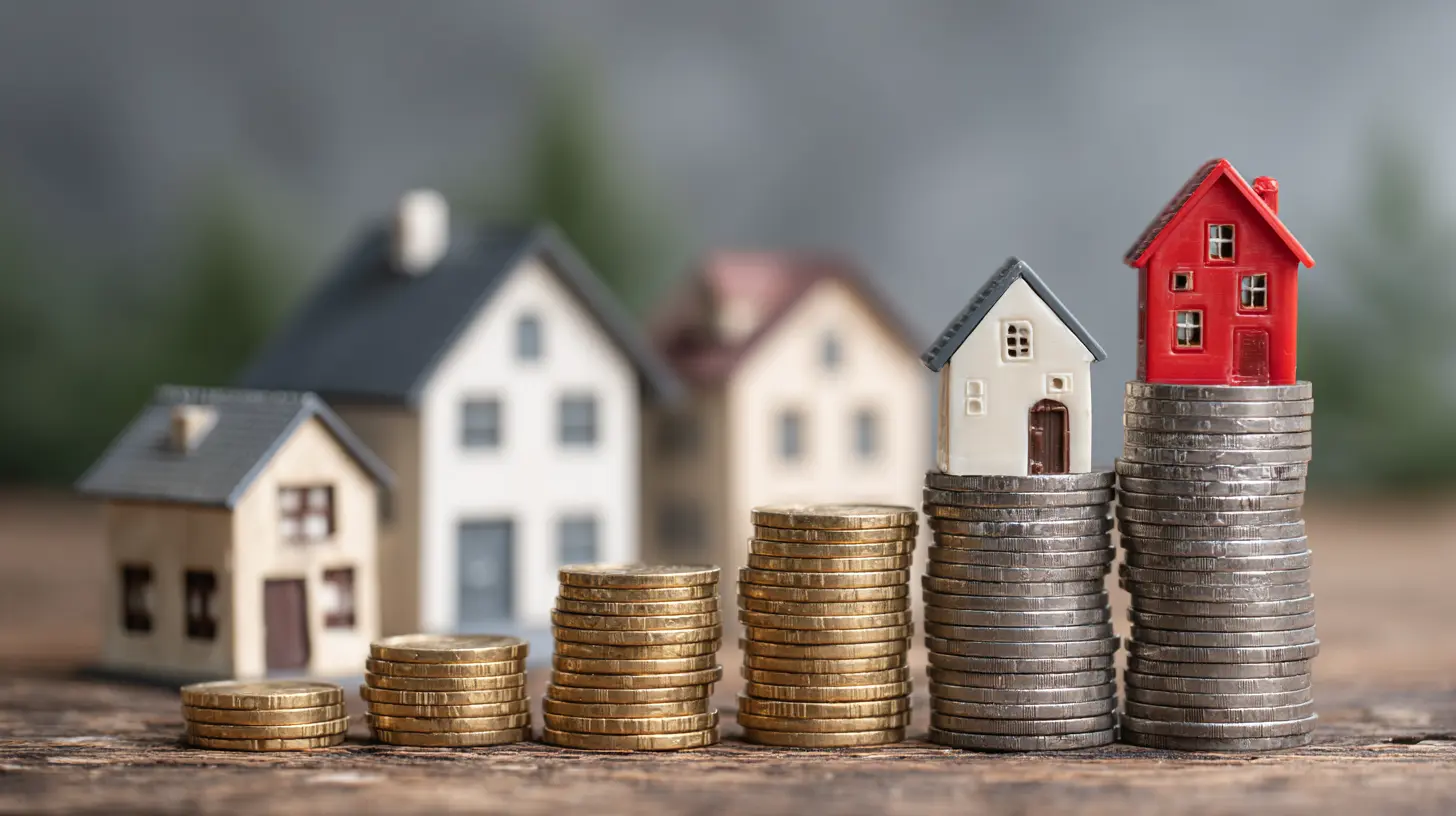
Before we plunge into the specifics, let’s ensure we’re on the same page about what home valuation really means. Home valuation is the process of estimating the worth of a property. It’s influenced by various elements, from the condition of the house to broader economic indicators. Think of it as a scorecard for your home, reflecting its health, attractiveness, and market conditions.The Importance of Home Valuation
Understanding home valuation is crucial for homeowners, buyers, and investors alike. Whether you're looking to sell your home or just keep tabs on your investment, knowing its value can help you make informed decisions. Imagine trying to sell your house without knowing if you’re pricing it too high or too low? Yikes!
1. Economic Factors: The Bigger Picture
Interest Rates
Interest rates are a massive player in the home valuation game. When interest rates are low, borrowing becomes cheaper, and more people can afford to buy homes. This increased demand can lead to higher home prices. Conversely, if rates rise, affordability declines, and home values may stagnate or even drop. It’s like a see-saw, balancing between what buyers can afford and what sellers want.Inflation
Inflation isn’t just a buzzword you hear on the news; it directly impacts home values. As the cost of living rises, so does the price of goods and services—including homes. In 2027, if inflation trends continue upwards, we could see a corresponding rise in home values. But, keep in mind, rapid inflation can also lead to economic uncertainty, making buyers hesitant.Employment Rates
Then there’s the job market. A thriving job market boosts consumer confidence, which often translates to increased home buying. When people feel secure in their jobs, they’re more likely to invest in real estate. Conversely, if employment rates dip, potential buyers may hold off, affecting demand and, ultimately, valuations.
2. Location, Location, Location
You've probably heard this phrase a million times, but it bears repeating! The location of your home is arguably one of the most significant factors influencing its value.Neighborhood Appeal
In 2027, the desirability of neighborhoods will continue to play a critical role. Factors such as school ratings, crime rates, and local amenities will heavily influence how people perceive an area. For example, a neighborhood with top-notch schools and parks is always going to attract families, driving up home prices. It’s like a magnet—good schools pull in buyers, raising property values.Proximity to Major Cities
As cities continue to grow, suburban and exurban areas are becoming increasingly attractive. If you’re near a major city, but still in a quieter area, you may be sitting on a goldmine. People often seek the balance of city life while craving the quiet comfort of suburban living. In 2027, this trend is likely to continue.
3. Property Characteristics
Homebuyers are getting more discerning, and the characteristics of your property can make or break its value.Size and Layout
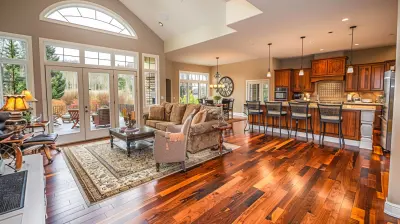
The size of your home—both in square footage and the number of bedrooms—remains a key determinant of value. A larger home typically commands a higher price, but it’s not just about size. The layout matters too! If a home has an awkward flow or too many small rooms, it can deter potential buyers. Think of your house as a stage: a well-designed layout makes for a more inviting performance.Age and Condition
Newer homes often fetch higher prices, but that doesn’t mean older homes are out of the game. If an older home has been well-maintained or updated, it can still hold significant value. In 2027, we might see a rise in demand for homes with character and history, provided they’ve been cared for. It’s like vintage wine—its age can add to its allure, but only if it’s stored properly!4. Technological Advancements
As we move closer to 2027, technology will undoubtedly play a more significant role in real estate.Smart Home Features
Buyers are increasingly looking for homes equipped with smart technology. Features like smart thermostats, security systems, and energy-efficient appliances can boost your home’s value. Imagine walking into a house that automatically adjusts the thermostat to your preferred temperature—how cool is that? Homes with these modern conveniences may find themselves commanding higher prices on the market.Virtual Tours and Online Listings
In the age of digital, how homes are marketed can influence their valuation. Virtual tours and high-quality online listings can attract more buyers, potentially raising a home’s value. If a buyer can take a virtual stroll through your home from the comfort of their couch, they’re more likely to feel connected to the space. It’s like giving them a sneak peek into the best parts of your home!
5. Government Policies and Regulations
Government policies can have significant impacts on home valuations, and it’s essential to keep an eye on these as we approach 2027.Tax Incentives and Deductions
Changes in tax legislation can either encourage or discourage homeownership. For instance, if the government introduces tax breaks for first-time homebuyers, we could see a surge in demand, driving up valuations. On the flip side, the removal of such incentives could lead to a decline in home prices as buyers retreat from the market.Zoning Laws
Zoning laws dictate how land can be used in specific areas. If a neighborhood is rezoned for commercial use, it can dramatically increase property values. Just think about it: if your quiet residential street suddenly becomes a bustling hub of activity, the demand for homes in that area could skyrocket!6. Environmental Factors
Climate change is more than just a topic of discussion; it’s influencing real estate valuations, and that trend will only grow as we approach 2027.Climate Resilience
As natural disasters become more frequent, buyers are increasingly seeking homes that are resilient to climate change. Properties in areas prone to flooding or wildfires may face declining valuations unless they come equipped with the necessary safety features. Think of it as investing in armor—homes that can withstand the elements will hold more value.Energy Efficiency
With rising energy costs, homes that boast energy-efficient features—like solar panels and high-performance windows—will likely be more attractive to buyers. In 2027, it’s not just about having a roof over your head; it’s about how sustainable that roof is. Energy-efficient homes can be seen as a smart investment, leading to higher valuations over time.
Conclusion
As we gear up for 2027, understanding the factors that influence home valuations can empower you as a homeowner, buyer, or investor. While economic conditions, location, property characteristics, technology, government policies, and environmental factors will all play a role, staying informed will help you navigate the ever-changing landscape of real estate.Home valuation may seem complex, but when you break it down into these key components, it’s easier to grasp. So, whether you’re considering selling, buying, or simply keeping tabs on your investment, remember that knowledge is power!
all images in this post were generated using AI tools
Category:
Property ValuationAuthor:

Mateo Hines
Discussion
rate this article
2 comments
Knox Thornton
In 2027, home valuation might just depend on how many avocado toasts you can fit in the kitchen and whether the garden can host a TikTok dance party! Remember, a strong Wi-Fi signal is the new curb appeal!
April 28, 2026 at 4:56 AM
Mateo Hines
Haha, who knew avocado toasts and Wi-Fi would shape home values? It's a wild world we're heading into!
Joy Torres
Who knew home values could be influenced by alien sightings and avocado toast prices? As we leap into 2027, remember to factor in the quirky nuances of neighborhood pet parades and the rise of invisible fences—because real estate is as unpredictable as a cat on a Roomba!
April 20, 2026 at 3:21 AM
Mateo Hines
It's true! The market is wild and often influenced by the unexpected. Who knows what trends will emerge next?