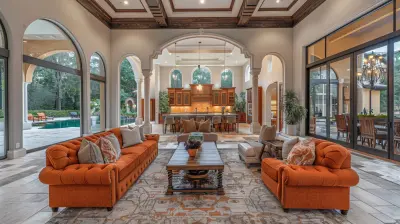
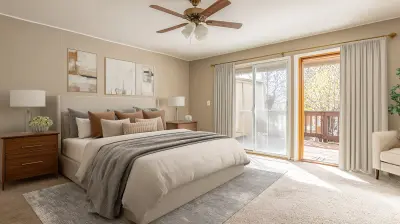
Transforming Your Living Room with Minimalist Design Principles
29 June 2026
When it comes to giving your living room a fresh new look, minimalist design principles can work wonders. Think of it this way: your living room is the heart of your home, and minimalism is like a detox for that heart. It’s all about stripping away the clutter and noise to let your space breathe. Whether you’re a design enthusiast or someone just trying to make your home feel a little more zen, adopting minimalist design principles can create a space that feels open, peaceful, and effortlessly stylish.
In this article, I’ll walk you through everything you need to know to transform your living room into a minimalist haven. From furniture and color schemes to décor and lighting, we’ll cover it all. So, grab a cup of coffee, and let’s dive in! 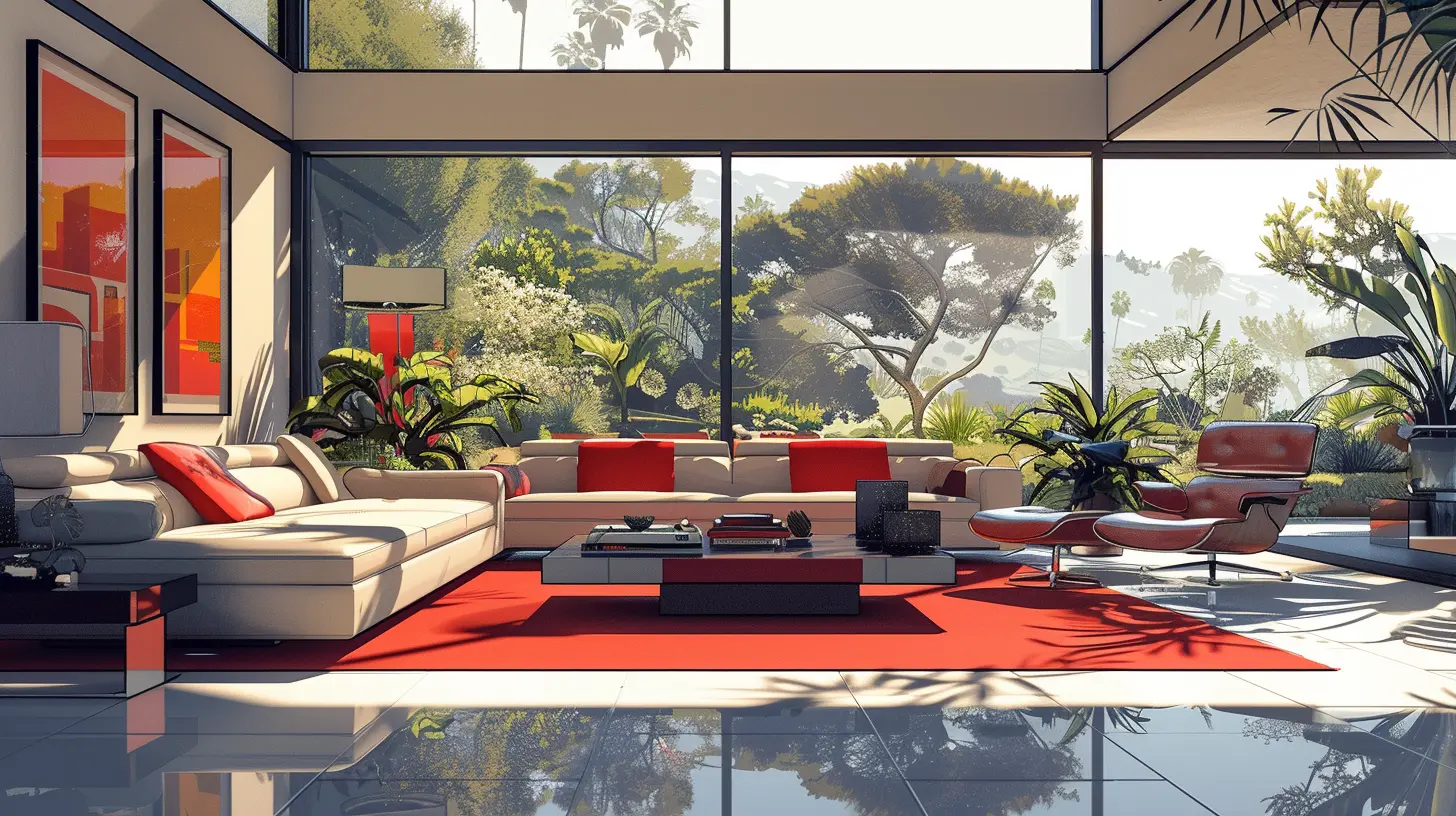
The Core Philosophy of Minimalism
Before jumping into the nitty-gritty details, let’s take a moment to understand what minimalism really means. At its core, minimalism is all about simplicity, functionality, and intention. It’s not about living with nothing; it’s about living with things that genuinely add value to your life.A minimalist living room doesn’t mean a cold, sterile environment. Think of it as creating a sanctuary—a space that feels calm and uncluttered, where every piece has a purpose. This approach not only looks visually appealing but can also bring a sense of mental clarity. 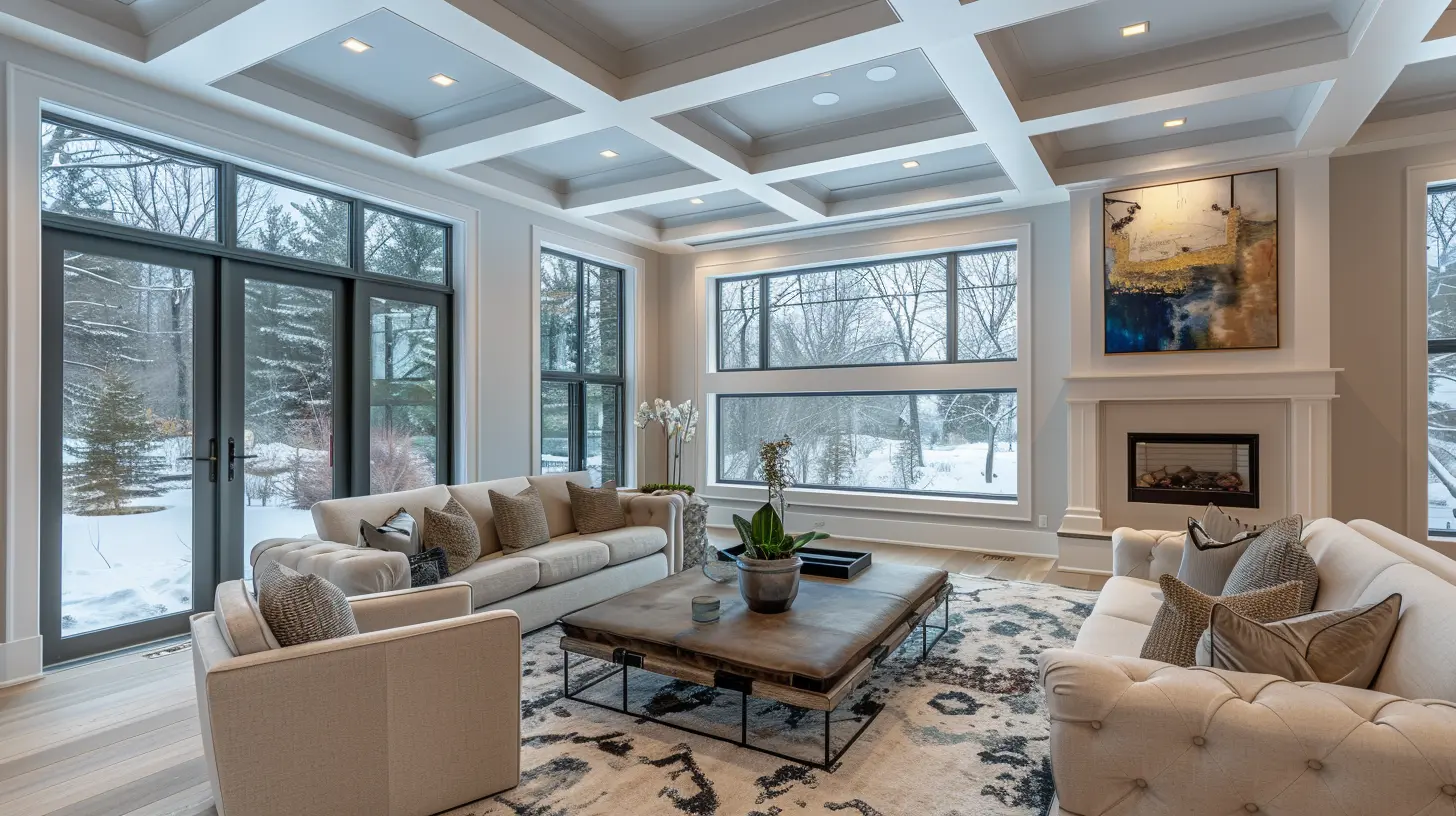
Step 1: Decluttering – Less Is More
Alright, let’s start with the obvious: decluttering. Minimalism and clutter do not mix. Before you do anything else, take a good, hard look at your living room. Do you really need three side tables? What about that stack of magazines from five years ago?Here’s a tip: use the “one-year rule.” If you haven’t used or appreciated an item in the past year, it’s time to let it go. Whether you donate it, sell it, or throw it away, your aim should be to clear out anything that no longer serves a purpose.
Pro tip: Don’t just focus on physical clutter. Digital clutter can also sneak its way into your life. That old stack of DVDs and unused gaming consoles? They’re taking up valuable space, too. 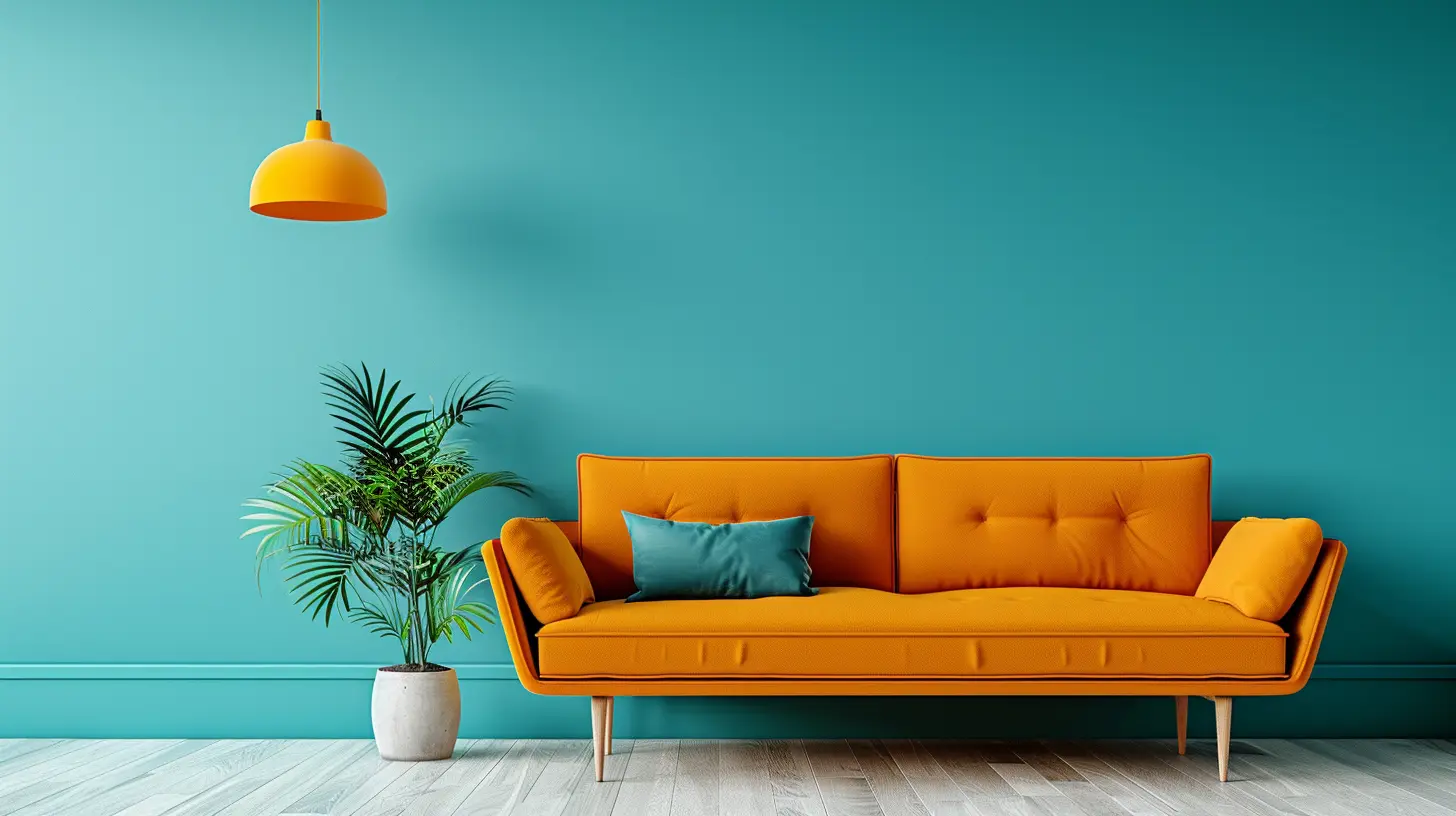
Step 2: Neutral Color Schemes – Keep It Light and Breezy
When it comes to minimalist design, color matters—big time. Neutral colors are the foundation of a minimalist living room. Think shades of white, beige, grey, or soft pastels. These colors have a calming effect and make your space feel open and airy.But neutral doesn’t mean boring! You can add depth by layering different shades of the same color. For instance, pair a light grey sofa with a darker grey rug and white walls. If you’re craving a touch of color, subtle accents like a blue cushion or a potted plant will do the trick without disrupting the minimalist vibe.
Remember, the goal is to create harmony. Overly bright or contrasting colors can feel chaotic, which is the opposite of what you’re going for. 
Step 3: Furniture Selection – Quality Over Quantity
When it comes to furniture, less is definitely more. You don’t need an oversized sectional and a bulky recliner to make your living room functional. Instead, invest in a few high-quality, multi-functional pieces.For example:
- Sofas: Choose a simple design with clean lines. Mid-century modern sofas are a great option for minimalists.
- Coffee Tables: Opt for something sleek and functional. Bonus points if it has storage space inside.
- Storage: Consider wall-mounted shelves or hidden storage units to keep things tidy without sacrificing style.
Here’s a little analogy: think of your furniture as the skeleton of your living room. It should be strong, functional, and supportive—nothing extra.
Step 4: Functional Décor – Let the Room Breathe
Decorating your minimalist living room doesn’t mean leaving it bare. It’s about being intentional with the pieces you choose. Ask yourself: does this item serve a purpose? Does it bring me joy?Here are some ideas for minimalist décor:
- Plants: A single large plant in the corner or a small cluster of succulents can add life and color.
- Art: Choose one or two statement pieces instead of a cluttered gallery wall. Think of a bold black-and-white photograph or a calming abstract painting.
- Mirrors: Strategically placed mirrors can make your space feel larger and brighter.
And don’t forget texture! Chunky knit throws, woven rugs, or linen cushions can add warmth to an otherwise simple space. Just remember to stick to a cohesive color palette.
Step 5: Lighting – The Secret Ingredient
Lighting has a huge impact on how a space feels. With minimalist design, natural light is your best friend. Pull back those heavy curtains and let the sunlight pour in.If natural light is limited, choose simple, elegant lighting fixtures. Pendant lights, floor lamps, or even LED strip lighting can work wonders. Aim for warm, ambient lighting to create a cozy atmosphere.
Avoid overly ornate or bulky light fixtures—they’ll clash with your minimalist aesthetic. Think understated and functional.
Step 6: Create Zones – A Space for Everything
Minimalism doesn’t mean your living room has to serve only one purpose. You can still have multiple “zones” within the space—just make sure each one is clearly defined and intentional.For instance, you could have:
- A cozy reading nook with a chair and a floor lamp
- A media zone with a sleek console and TV
- A conversation area centered around your coffee table
By assigning specific purposes to different areas, you’ll avoid unnecessary clutter and keep the overall design cohesive.
Step 7: The Power of Negative Space
Here’s a design tip that might surprise you: empty space is just as important as the objects in your living room. This concept, known as “negative space,” is a cornerstone of minimalist design.Don’t feel like you need to fill every corner or wall. Let your room breathe. Leaving some areas intentionally blank creates a sense of balance and tranquility. Plus, it makes the pieces you do include feel more intentional.
Think of it like a good conversation. Sometimes, the pauses speak louder than the words.
Step 8: Maintain the Minimalist Lifestyle
Transforming your living room into a minimalist space is one thing—keeping it that way is another! A minimalist lifestyle requires ongoing effort and intention.Here are some habits to maintain your minimalist living room:
- Regularly declutter and reassess your belongings.
- Avoid impulse purchases—ask yourself if you really need something before buying it.
- Adopt the “one in, one out” rule: if you bring something new into the room, remove something else to keep the balance.
Minimalism is not a one-time project; it’s a mindset. But trust me, once you embrace it, your life (and your living room) will feel lighter and more focused.
Final Thoughts
Transforming your living room with minimalist design principles is like giving your home a breath of fresh air. It’s about creating a space that feels calm, intentional, and effortlessly beautiful. By decluttering, sticking to neutral colors, choosing functional furniture, and embracing negative space, you can create a living room that not only looks stunning but also brings peace to your daily life.Remember, minimalism isn’t about perfection—it’s about finding what works for you and your lifestyle. So, don’t stress over getting everything “just right.” Instead, enjoy the process and watch as your living room transforms into a sanctuary you’ll love spending time in.
all images in this post were generated using AI tools
Category:
Interior DesignAuthor:

Mateo Hines
Discussion
rate this article
1 comments
Kael Murphy
Embracing minimalist design can truly elevate your living room. By focusing on simplicity and functionality, you create a serene space that reflects your style. Enjoy the journey!
June 29, 2026 at 3:59 AM
Mateo Hines
Absolutely! Minimalist design can really transform a living room into a peaceful retreat. It's all about making smart choices that showcase your personality while keeping things simple. Enjoy the process!