Understanding HOA Fees in New Construction Communities
8 April 2026
If you're considering buying a home in a brand-new community, you've probably heard of HOA fees. But what exactly are they? More importantly, how do they impact your monthly budget?
Let’s break it all down in simple terms—no confusing jargon, no hidden costs left unexplained. By the time you're done reading, you'll have a clear picture of what you're paying for and whether it's worth it. 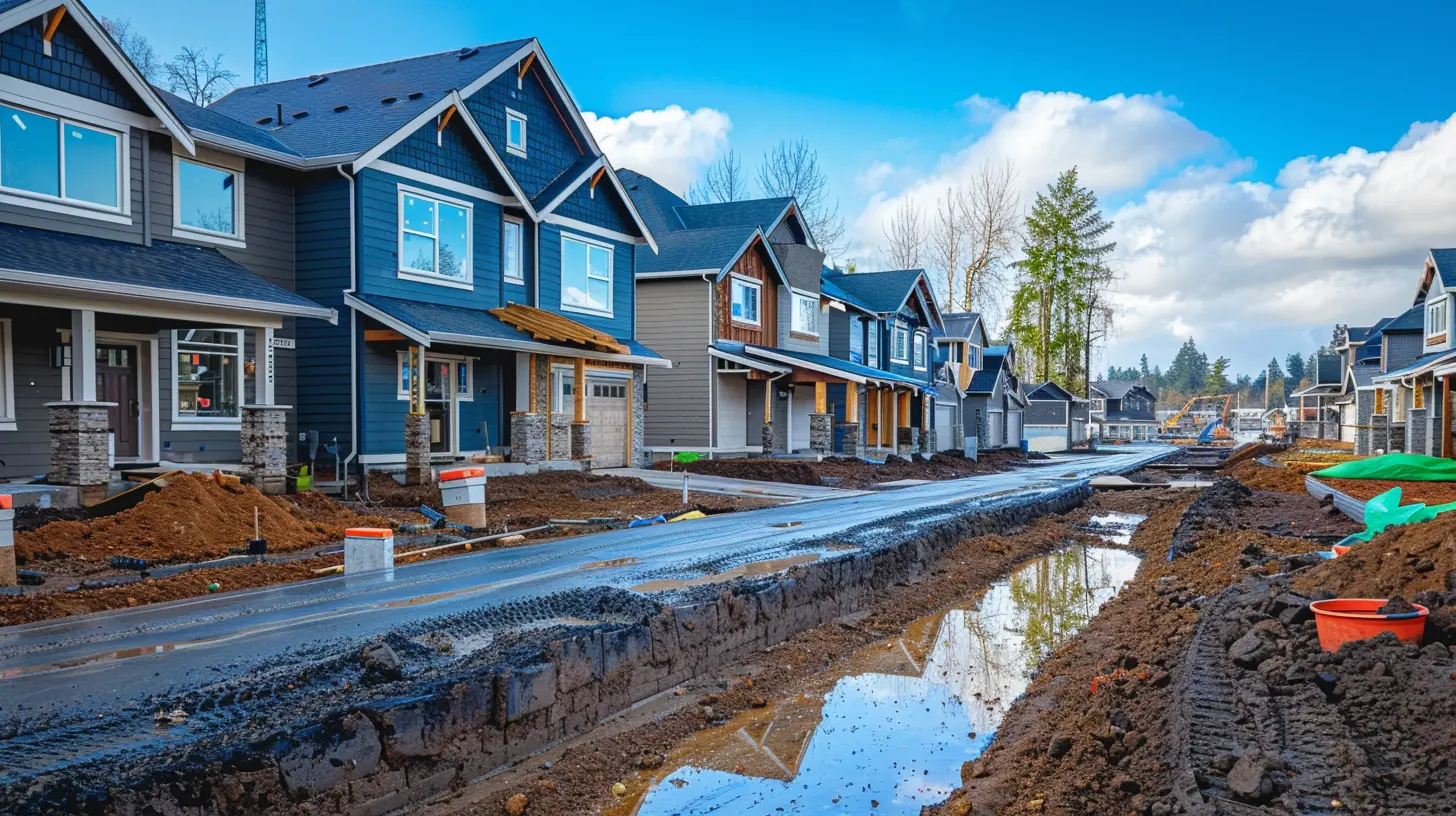
What Are HOA Fees?
HOA stands for Homeowners Association, and the fees are your contribution to this organization. In new construction communities, builders often establish an HOA to maintain order, keep amenities in good shape, and ensure the neighborhood retains its charm.Think of HOA fees like a gym membership fee—but for your neighborhood. They help pay for things like landscaping, snow removal, pool maintenance, and even security in some cases. Without them, the community’s upkeep would fall on individual homeowners, which could lead to a patchwork of different maintenance standards.

Why Do New Construction Communities Have HOA Fees?
New construction neighborhoods are designed to look polished and well-kept. To maintain that fresh, uniform look, most developers establish an HOA right from the start. It ensures that:- Common areas and landscaping stay pristine
- Amenities like pools, parks, and clubhouses are maintained
- Homes remain in line with community standards (no wild paint colors or cluttered yards)
- Security measures are in place (gated access, streetlights, neighborhood patrols)
In short, HOA fees help provide a hassle-free lifestyle where you don’t have to worry about mowing the grass in public areas or fixing the clubhouse roof. 
How Much Are HOA Fees in New Construction Communities?
This is the big question—how much will this cost you every month? The answer depends on a variety of factors:1. Location: HOA fees in high-demand cities or luxury developments tend to be higher.
2. Amenities: The more perks the community offers (think pools, fitness centers, trails, gated security), the higher the fees.
3. Size of the Development: A small community with fewer homeowners might have higher HOA fees due to fewer people sharing costs.
4. Included Services: Some communities cover trash pickup and exterior maintenance, while others don’t.
On average, HOA fees in new construction communities range from $100 to $500 per month—but they can go even higher in luxury developments.
Pro tip: Always ask for a breakdown of what’s included in the HOA fees before signing on the dotted line. 
What Do HOA Fees Typically Cover?
Every HOA is different, but most include some combination of the following:1. Community Maintenance
- Landscaping for shared areas- Street cleaning and snow removal
- Upkeep of sidewalks and trails
2. Amenities
- Swimming pools- Clubhouses and fitness centers
- Playgrounds and parks
- Tennis or basketball courts
3. Utilities and Services
- Trash collection- Water/sewer for common areas
- Streetlights and signage
4. Security Measures
- Gated entry- Security patrols
- Surveillance cameras
5. Reserve Fund Contributions
A portion of HOA fees goes into a reserve fund—a financial cushion for big-ticket repairs like repaving roads or replacing a community roof.Hidden Costs You Might Not Expect
HOA fees cover a lot, but that doesn’t mean you're off the hook for all expenses. Here are a few surprise costs that might pop up:Special Assessments
If the HOA runs into a big unexpected expense—say a major storm causes damage and the reserve fund isn’t enough—homeowners might have to chip in extra cash. These one-time fees can range from a few hundred to several thousand dollars.Penalties and Fines
Think HOAs just collect fees and maintain the neighborhood? Nope! They also enforce rules. If you break one (like having an unapproved fence or leaving trash bins out too long), expect a fine.HOA Increases Over Time
HOAs aren’t static. Fees usually increase over time due to inflation, new amenities, or rising maintenance costs. When buying a home, ask about the HOA’s history of fee increases so you’re not caught off guard down the road.Pros and Cons of HOA Fees in New Communities
Before you decide whether an HOA is worth it, let’s break down the pros and cons.Pros of HOA Fees
✅ Low-maintenance living: Less yard work and fewer maintenance headaches.✅ Amenities at your fingertips: Pools, parks, fitness centers—often within walking distance.
✅ Higher property values: Well-kept communities tend to maintain their home values better.
✅ Better security: Many HOAs provide gated access or neighborhood patrols.
✅ Set neighborhood standards: No risk of living next to a house with peeling paint and an overgrown yard.
Cons of HOA Fees
🚨 Extra monthly cost: HOA fees add to your overall homeownership expenses.🚨 Rules and restrictions: Some HOAs have strict guidelines on house colors, holiday decorations, parking, and even pet sizes.
🚨 Potential for mismanagement: Not all HOAs are well-run. If money is mismanaged, homeowners may face unexpected assessments.
🚨 Fees can increase: Costs often go up over time with inflation and additional community needs.
Questions to Ask Before Buying in an HOA Community
Before committing to a home in a new construction community with an HOA, ask these critical questions:✅ How much are the HOA fees now? And how often do they increase?
✅ What exactly do the fees cover? Are utilities, trash pickup, or maintenance included?
✅ Are there any pending special assessments? You don’t want to move in just to be hit with an unexpected cost.
✅ What happens if I don’t pay HOA fees? Some HOAs can place a lien on your home if you fail to pay.
✅ What are the community rules? Can you rent out your home? Are pets allowed?
Taking the time to understand these details can save you from unpleasant surprises down the road.
Final Thoughts
HOA fees can be a great investment if you love the idea of a well-maintained, amenity-filled community. However, they’re not for everyone. Whether an HOA is worth it depends on your lifestyle, budget, and tolerance for community rules.Before buying a home in a new construction neighborhood, carefully review the HOA fees, rules, and financial health of the community. That way, you’ll know exactly what you're signing up for—no surprises!
Would you be happy paying an HOA fee for extra perks and hassle-free maintenance? Or do you prefer the freedom of a non-HOA community? Let us know in the comments!
all images in this post were generated using AI tools
Category:
New ConstructionAuthor:

Mateo Hines
Discussion
rate this article
2 comments
Valeris Weber
Thank you for this insightful article! Understanding HOA fees is crucial for new homeowners in construction communities. Great information provided!
April 16, 2026 at 12:48 PM
Mateo Hines
I appreciate your feedback! I'm glad you found the article helpful for navigating HOA fees. Best of luck with your home journey!
Rhett Middleton
HOA fees matter—know what to expect upfront!
April 16, 2026 at 4:23 AM
Mateo Hines
Absolutely! Being informed about HOA fees from the start helps avoid surprises later on.