Understanding the Lifecycle of a Real Estate Development Project from A to Z
11 February 2026
Real estate development is a complex but rewarding process. Whether you're an investor, developer, or just someone curious about how those towering skyscrapers, bustling shopping centers, or cozy residential communities come to life, this guide will take you through the entire lifecycle of a real estate development project from start to finish.
Each project follows a structured journey, from an initial idea to the moment people start living or working in the completed space. So, let’s break it down step by step! 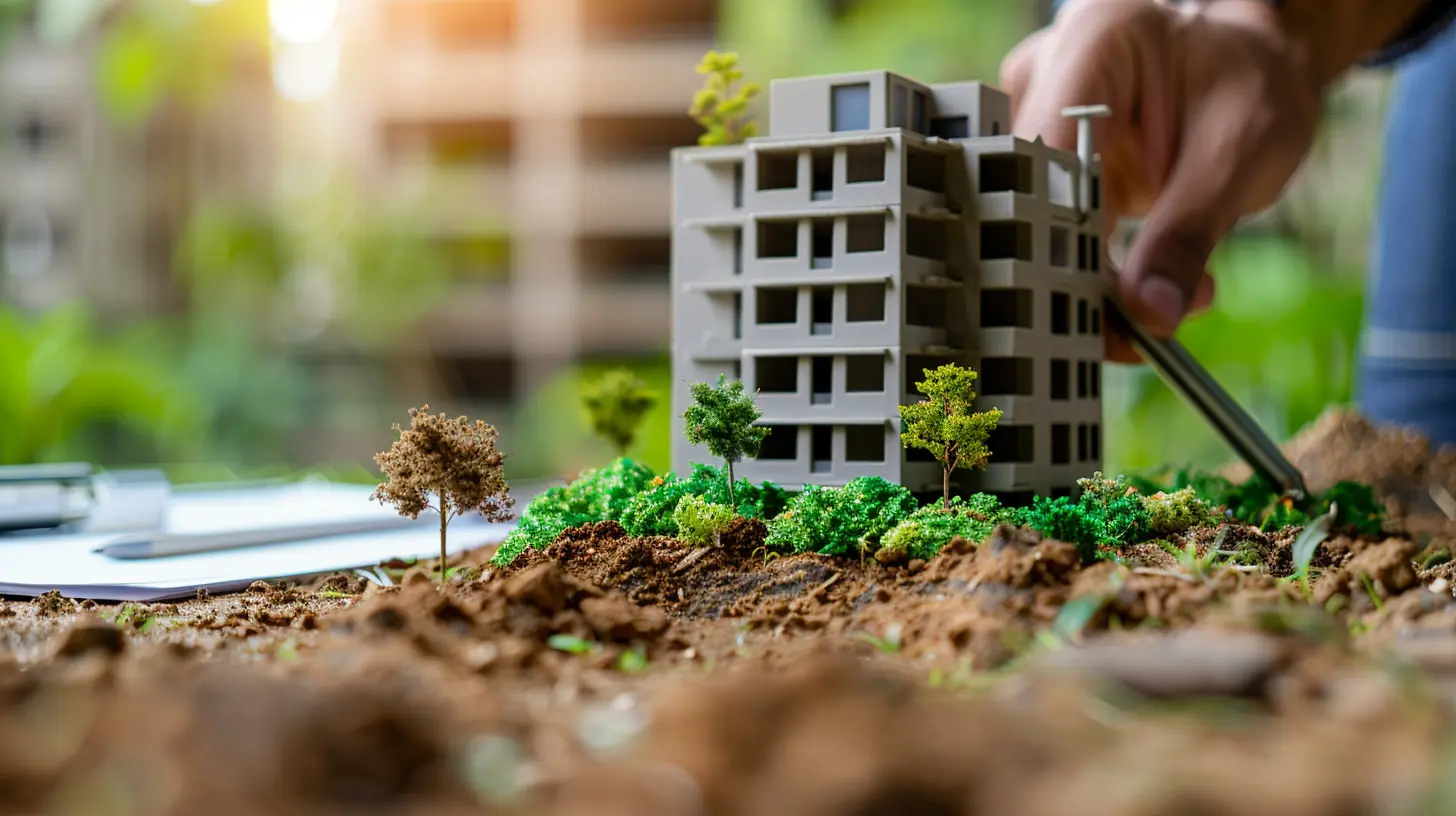
1. Pre-Development Phase: Laying the Groundwork
Before a project even breaks ground, a lot must happen behind the scenes. This phase is all about planning, research, and securing the necessary approvals.A. Idea & Market Research
Everything starts with an idea – a new residential community, a commercial plaza, or maybe a mixed-use development. But no matter how brilliant the concept is, market research is crucial.- Is there demand for this type of development?
- What are the demographics of the area?
- How are the local real estate trends and competition?
Skipping this step is like setting sail without a map—you’ll likely get lost. Developers conduct feasibility studies to determine if the project is financially and logistically viable.
B. Site Selection & Acquisition
Location is everything in real estate. Developers scout potential locations, considering factors like accessibility, zoning regulations, and surrounding infrastructure. Once the perfect site is found, they negotiate and acquire the land.This step can be tricky, as land deals often involve complex negotiations with private owners, municipalities, or even multiple stakeholders.
C. Securing Financing
Real estate development isn’t cheap. Funding can come from different sources, such as:- Banks and lenders
- Private investors
- Joint ventures
- Government grants or incentives
Having a solid financial backing reduces risks and ensures the project doesn't stall halfway through.
D. Legal & Regulatory Approvals
Before construction begins, developers must navigate a maze of permits and approvals:- Zoning laws – Does the land’s zoning match the proposed development?
- Environmental impact assessments – Will the project harm the environment?
- Building permits – Do the blueprints comply with safety standards?
Government approvals can be time-consuming, but they’re non-negotiable. 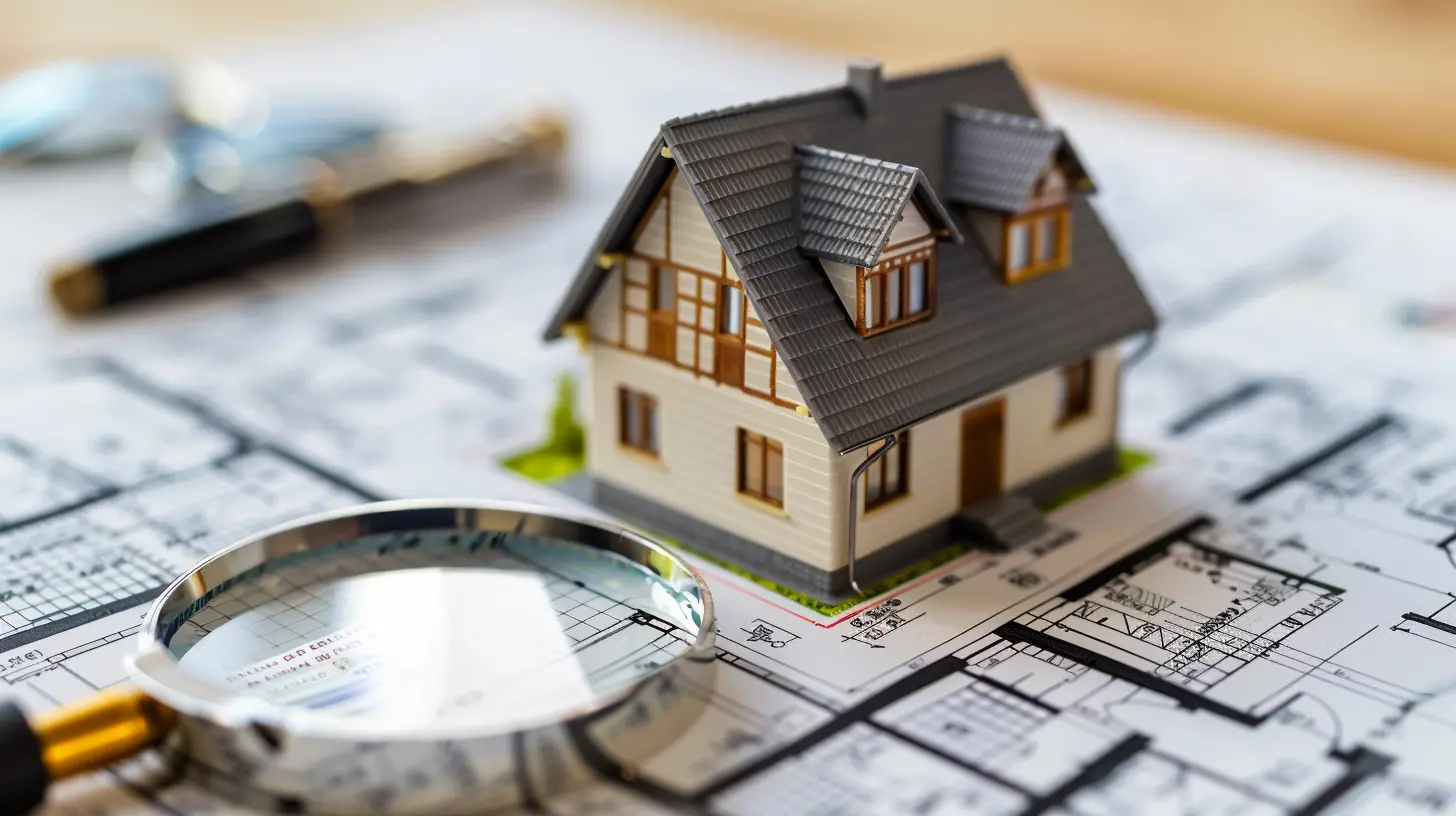
2. Development Phase: Bringing the Vision to Life
Once all the paperwork is in order, the real action begins—construction!A. Design & Architecture
Architects, engineers, and urban planners collaborate to create the blueprint. Every detail matters:- How will the building look?
- Will it be energy-efficient and sustainable?
- Does it meet building codes and safety regulations?
Developers also hire interior designers and landscape architects to enhance the aesthetic appeal. A well-thought-out design not only attracts buyers or tenants but also increases long-term value.
B. Construction Begins
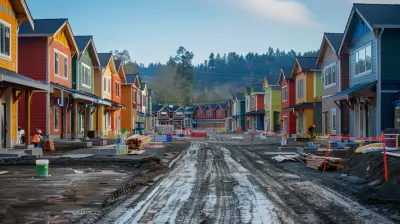
This is when the site transforms from bare land to a fully built structure. The construction process includes:1. Site Preparation
Clearing the land, grading, and setting up utilities like water, sewage, and electricity.2. Foundation & Structural Framework
Laying the foundation—whether it’s a shallow slab or a deep basement—and then erecting the framework.3. Roofing, Walls, & Interior Work
This phase includes:- Installing walls and roofing
- Plumbing and electrical work
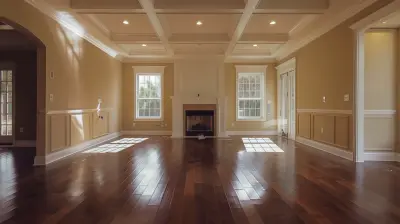
- Flooring, painting, and fixture installations
C. Project Management & Cost Control
Managing a construction project is like conducting an orchestra—every team needs to be in sync. Delays and budget overruns are common, so project managers must:- Track progress
- Maintain quality control
- Ensure timely delivery
Technology plays a big role here, with tools like Building Information Modeling (BIM) streamlining project coordination. 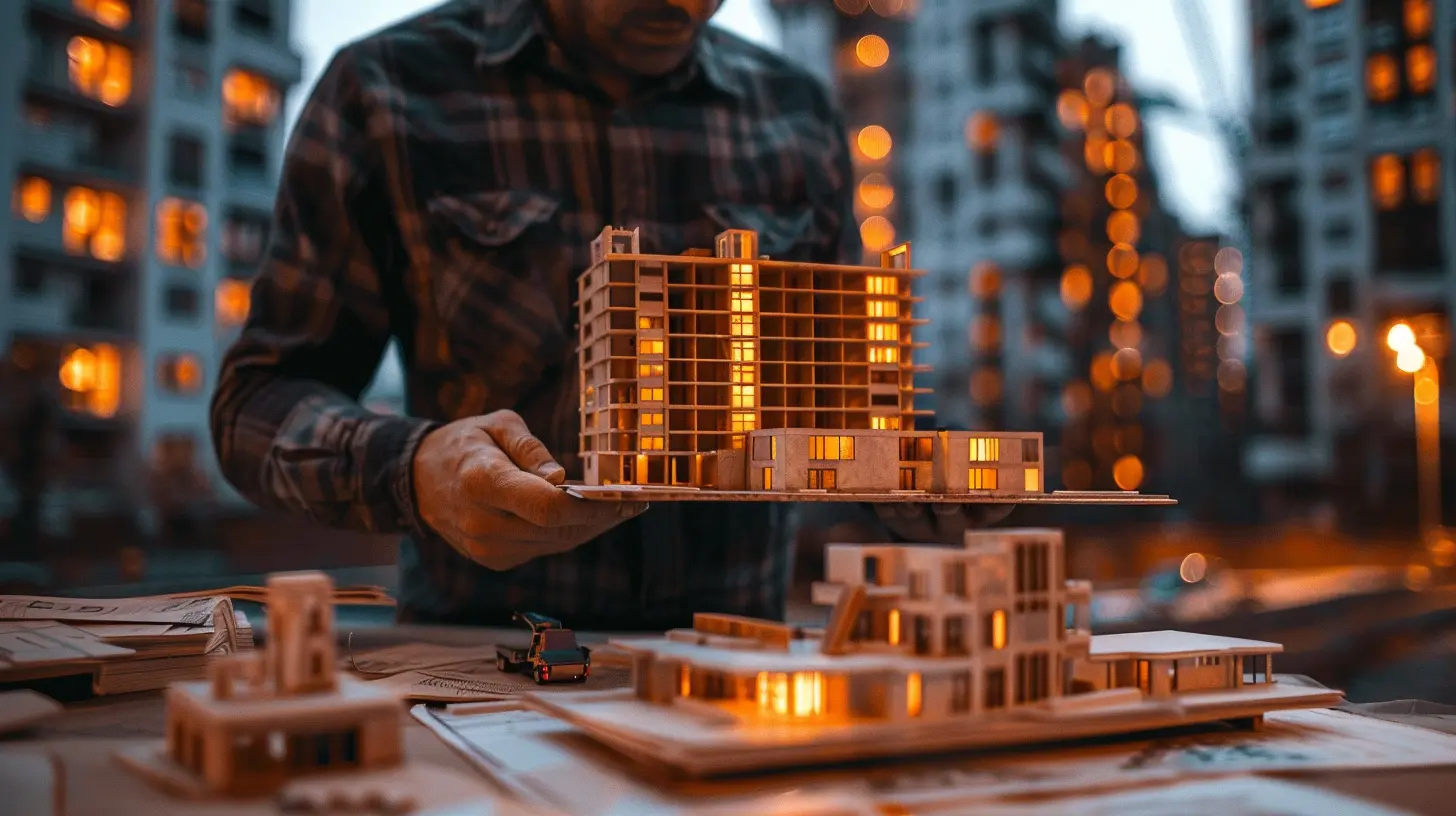
3. Post-Development Phase: Bringing It to Market
With construction complete, it’s time to focus on occupancy, marketing, and operational management.A. Marketing & Sales Strategy
No matter how amazing a property is, it won’t sell or lease itself. Developers and real estate agents employ marketing strategies like:- Digital marketing campaigns
- Open house events
- Influencer collaborations
- Virtual property tours
The goal? To attract buyers, tenants, or businesses that will occupy the space.
B. Leasing & Selling
For commercial and residential properties alike, leasing and sales involve contract negotiations, payment plans, and sometimes even financing options.Real estate brokers play a vital role in connecting developers with the right buyers or tenants. Strong market positioning can lead to quick occupancy, ensuring a steady return on investment.
C. Property Management & Maintenance
Once the property is occupied, ongoing management is crucial. Property management companies handle:- Security and maintenance
- Rent collection and tenant relations
- Landscaping and facility upkeep
For developers who own their properties as rentals, this stage determines long-term profitability. 
4. Exit Strategy & Future Planning
Every project eventually reaches a point where developers must decide what’s next. Do they hold onto the property for rental income, or sell it for a lump sum profit?Possible exit strategies include:
- Selling the entire development to investors
- Refinancing through banks to pull out profits
- Holding onto the property for rental income
A well-thought-out exit strategy maximizes returns and prepares developers for their next venture.
Final Thoughts
Real estate development isn’t just about putting up buildings—it’s about crafting communities and shaping the future. From idea to execution, developers juggle multiple factors, including finance, design, legalities, and market trends.If you're thinking of stepping into the world of real estate development, patience, strategic planning, and a great team are your best assets. It’s a challenging journey, but with the right approach, the rewards can be substantial!
all images in this post were generated using AI tools
Category:
Real Estate DevelopmentAuthor:

Mateo Hines
Discussion
rate this article
2 comments
Wren Cox
Great article! Understanding the lifecycle of a real estate development project is crucial for anyone in the industry. Your breakdown from A to Z makes it so accessible. Can't wait to apply these insights to future projects. Thanks for sharing such valuable information!
February 24, 2026 at 5:33 AM
Mateo Hines
Thank you so much for your kind words! I'm glad you found it valuable and accessible. Best of luck with your future projects!
Owen Adkins
What an intriguing overview of real estate development! I'm curious about how external factors like market trends and community needs impact each stage of the lifecycle. Do these elements significantly alter project timelines or outcomes? Looking forward to learning more about those dynamics in future posts!
February 12, 2026 at 12:01 PM
Mateo Hines
Thank you for your interest! Yes, external factors like market trends and community needs can significantly impact timelines and outcomes at various stages of the real estate development lifecycle. I’ll definitely delve deeper into these dynamics in future posts!