Virtual Staging for Open Houses: Bringing Your Listing to Life Online
19 March 2026
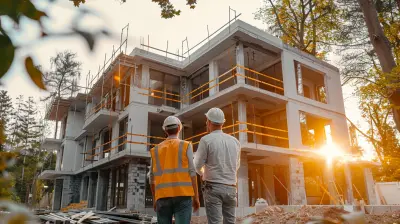
In today's hyper-digital world, buyers aren't waiting for open houses to get a first look at their dream home. They’re scrolling through listings, swiping through photos, and mentally furnishing empty spaces—all from their couches. So, how do you make sure your listing stands out in a sea of thumbnails? Enter virtual staging—a game-changer in the world of real estate marketing.
Gone are the days when traditional staging was the only way to showcase a home’s full potential. Virtual staging is quicker, more cost-effective, and incredibly realistic. But how does it really work? And how can it help you bring your listing to life online? Let’s dive in.
What is Virtual Staging?
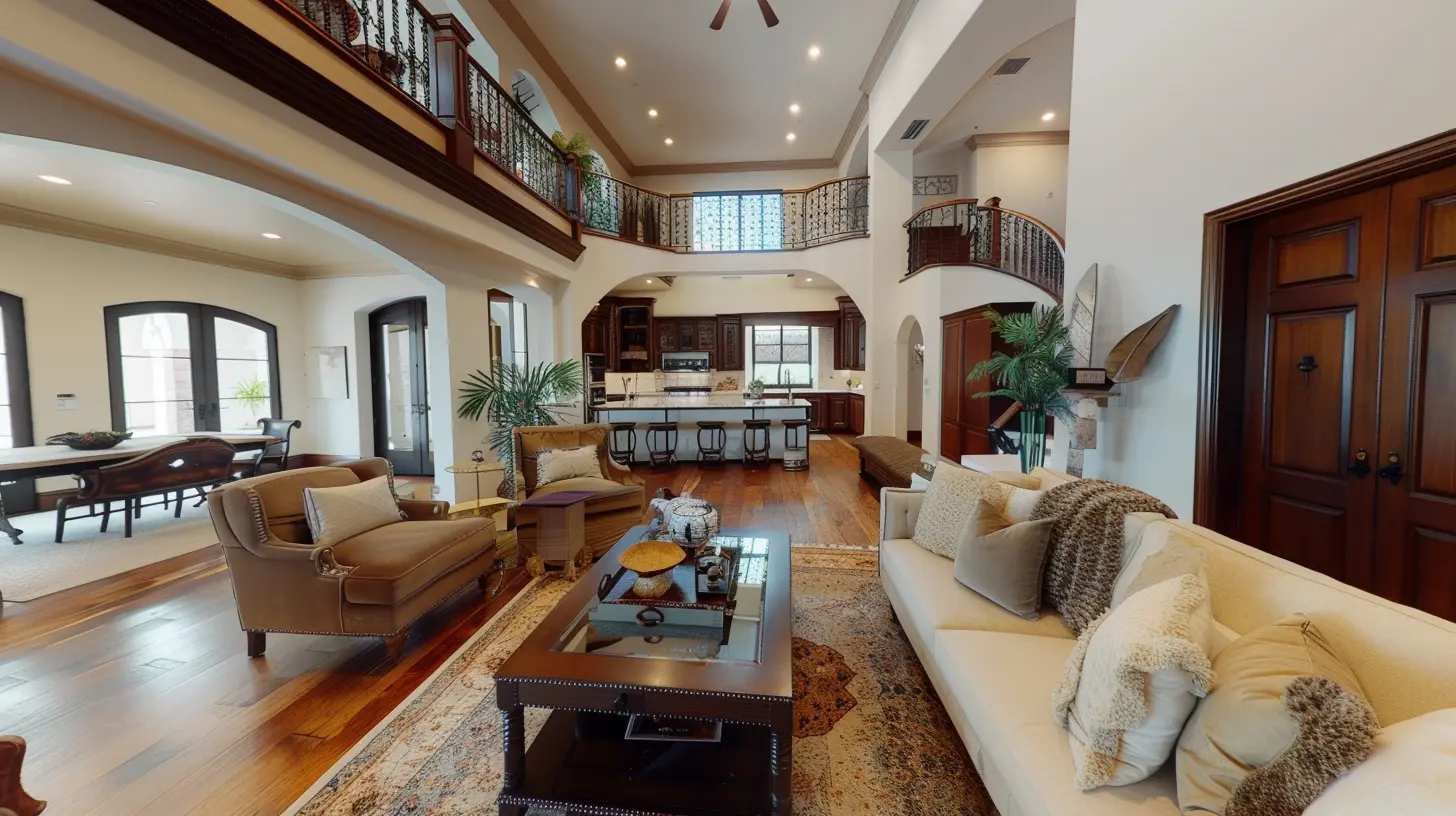
Virtual staging is the process of digitally furnishing and decorating a home using computer-generated imagery (CGI). Unlike traditional staging—where you physically bring in furniture and decor—virtual staging allows for a fully furnished, visually appealing space without ever lifting a couch.Real estate professionals use virtual staging technology to enhance listing photos, helping potential buyers envision the possibilities of the space. It can make an empty house feel warm and inviting or update an outdated design to match modern aesthetics.

Why Virtual Staging is a Game-Changer
1. Cost-Effective Compared to Traditional Staging
Traditional home staging comes with a hefty price tag. Renting furniture, hiring professional stagers, and managing logistics can cost thousands of dollars. Virtual staging, on the other hand, is significantly more affordable—typically ranging from $25 to $100 per image.For sellers looking to maximize their return on investment (ROI), virtual staging offers an affordable way to showcase a home's true potential without breaking the bank.
2. Faster Turnaround Time
With traditional staging, the process of selecting, transporting, and arranging furniture can take days, if not weeks. Virtual staging, however, only takes a few hours to a couple of days, depending on the complexity.This means your listing can be market-ready almost immediately, keeping up with the fast-paced nature of real estate transactions.
3. Flexibility to Match Different Styles
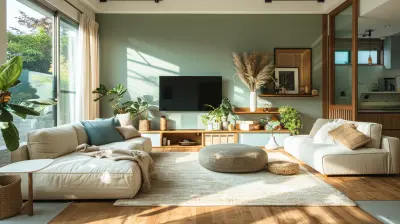
One of the biggest advantages of virtual staging is the ability to customize a home’s appearance to match different buyer preferences. A modern minimalist look? Done. A cozy farmhouse aesthetic? No problem.With virtual staging, you can showcase multiple styles for the same space, catering to a broader audience and increasing the chances of attracting the right buyer.
4. Perfect for Vacant Homes
Empty homes can feel cold and uninviting. Buyers often struggle to visualize themselves living in a space when all they see are blank walls and bare floors. Virtual staging fills those gaps, helping buyers emotionally connect with the property.Even for homes that are currently occupied with outdated furniture, virtual staging can provide a refreshed, modern look without the hassle of physically removing existing pieces.
5. Enhances Online Listings
Let’s face it—buyers' first impressions are made online. If your listing photos don’t immediately grab attention, potential buyers might scroll right past.High-quality virtual staging makes sure your photos pop, increasing engagement and driving more traffic to your listing. In fact, studies show that virtually staged homes sell faster than unstaged ones simply because they’re more appealing online.
How Virtual Staging Works
So, how exactly does the magic happen? Here’s a step-by-step breakdown of the virtual staging process:1. Capture High-Quality Photos
The first step in virtual staging is taking professional-quality photos of the empty property. The better the photos, the more realistic the final staging will look.2. Select a Staging Style
Once the images are ready, a designer or real estate professional chooses a staging style that best suits the target market. Whether it's contemporary, traditional, industrial, or coastal, the goal is to match the design with what buyers in that area love.3. Digitally Add Furniture and Decor
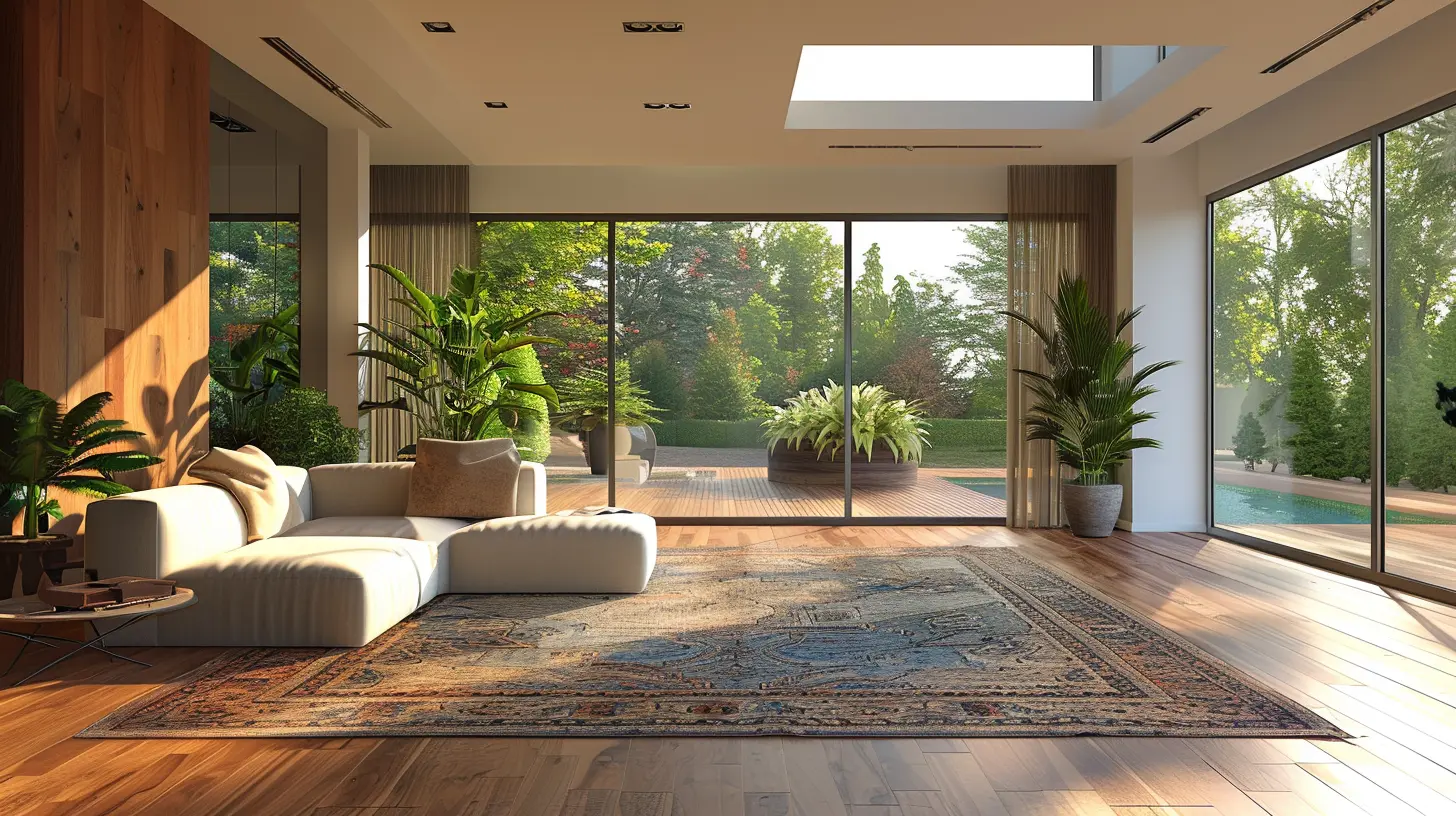
Using advanced design software, professional virtual stagers insert furniture, rugs, lighting, and accessories to bring the space to life. They ensure that proportions are accurate and that the design complements the layout.4. Final Edits and Enhancements
Once the staging is complete, final touches like lighting adjustments, shadow corrections, and texture enhancements are made to ensure the images look as realistic as possible.5. Upload the Staged Images to the Listing
After approval, the newly staged photos are uploaded to the real estate listing, ready to captivate potential buyers.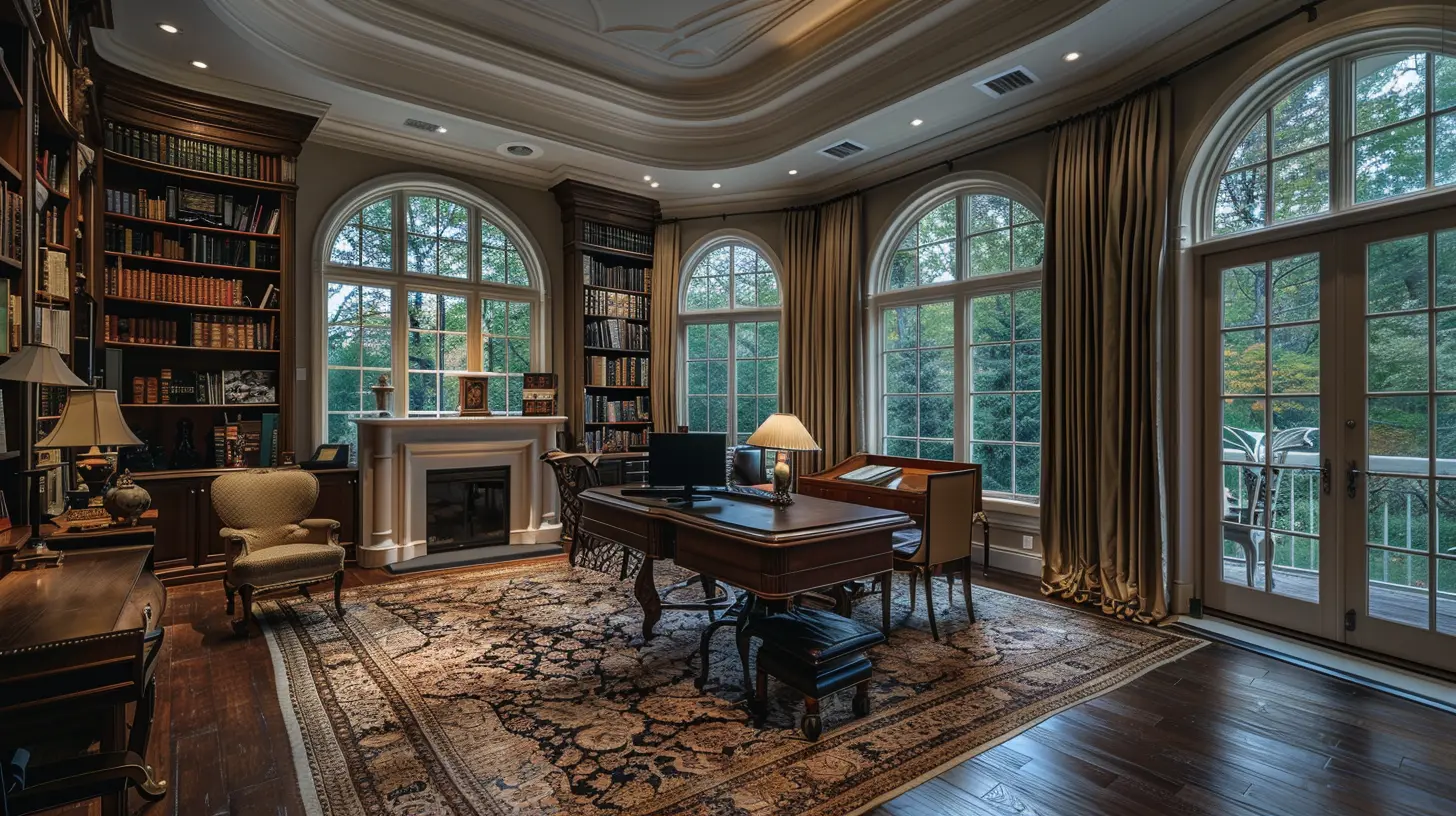
Virtual Staging Best Practices
To make the most of virtual staging, it's essential to follow best practices to ensure credibility and effectiveness:1. Keep It Realistic
Over-the-top virtual staging can do more harm than good. Buyers will eventually see the home in person, so it’s important to keep the staging realistic and achievable.2. Use High-Quality Images
Blurry or low-resolution photos won’t do justice to virtual staging. Invest in high-quality professional photography to capture the best angles and lighting.3. Don't Mislead Buyers
Transparency is key. If a home has been virtually staged, it’s best to disclose it in the listing description to manage buyer expectations.4. Highlight Key Selling Points
Use virtual staging to draw attention to a home’s standout features. Whether it's an open-concept living space or a stunning fireplace, staging should enhance the home’s best attributes.5. Offer Multiple Design Options
If possible, showcase different design styles for the same space to appeal to different buyer tastes. Some buyers may love modern decor, while others might prefer something more traditional.The Future of Virtual Staging
As technology continues to evolve, so does virtual staging. Augmented reality (AR) and virtual reality (VR) are taking staging to the next level by offering immersive experiences. Buyers can now virtually "walk through" a staged home using VR headsets, making the experience even more interactive.With these innovations, virtual staging isn’t just a trend—it’s the future of real estate marketing.
Is Virtual Staging Right for Your Listing?
If you're selling a home in today’s digital-first market, virtual staging is a smart investment. It helps listings stand out, grabs buyers’ attention, and ultimately leads to quicker and better offers.Whether you're working with an empty home, an outdated space, or simply want to enhance your online listing, virtual staging can bring your property to life—without the heavy lifting.
So, the next time you're preparing a listing, ask yourself: Why sell an empty space when you can sell a dream?
all images in this post were generated using AI tools
Category:
Virtual StagingAuthor:

Mateo Hines
Discussion
rate this article
2 comments
Sydney Howard
Virtual staging is a game-changer for open houses, transforming empty spaces into inviting homes. It enhances online listings, attracts potential buyers, and saves time. Incorporating virtual staging can significantly boost interest and lead to quicker sales in today's competitive real estate market.
March 20, 2026 at 12:04 PM
Mateo Hines
Thank you for your feedback! I completely agree—virtual staging truly revolutionizes open houses by making listings more appealing and engaging for potential buyers.
Pamela McClary
Virtual staging transforms listings—don’t settle for outdated views when buyers crave the modern experience!
March 19, 2026 at 11:22 AM
Mateo Hines
Absolutely! Virtual staging elevates listings by offering a fresh, modern perspective that today’s buyers desire. It truly brings properties to life online!