Virtual Staging Solutions for Outdated or Vacant Properties
13 December 2025
When it comes to selling real estate, first impressions matter—a lot. Whether it's a cozy bungalow in the suburbs or a sleek downtown condo, buyers want to "feel" the space. What happens, though, when that space is completely empty or stuck in a decorating time warp from 1993? That’s where virtual staging saves the day.
Forget the heavy furniture rentals or expensive makeovers. Virtual staging is the modern, budget-friendly solution to bring outdated or vacant properties to life. In this post, we’re diving deep into virtual staging—what it is, why it works, and how you can use it to turn stale listings into buyer magnets.

What is Virtual Staging?
Let’s start at square one. Virtual staging is the process of digitally adding furniture, décor, and enhancements to photos of a property. Think of it like Photoshop for real estate—expert designers take photos of empty (or outdated) rooms and transform them into stylish, welcoming living spaces.It’s a simple concept with massive results. Instead of physically staging a property (which can take weeks and cost thousands), virtual staging lets you present a fully furnished home with just a few clicks and a lot less cash.
Not just that—it’s fast, flexible, and scalable. Whether you're working with one vacant condo or a portfolio of outdated properties, virtual staging streamlines the selling process and gets buyers interested.
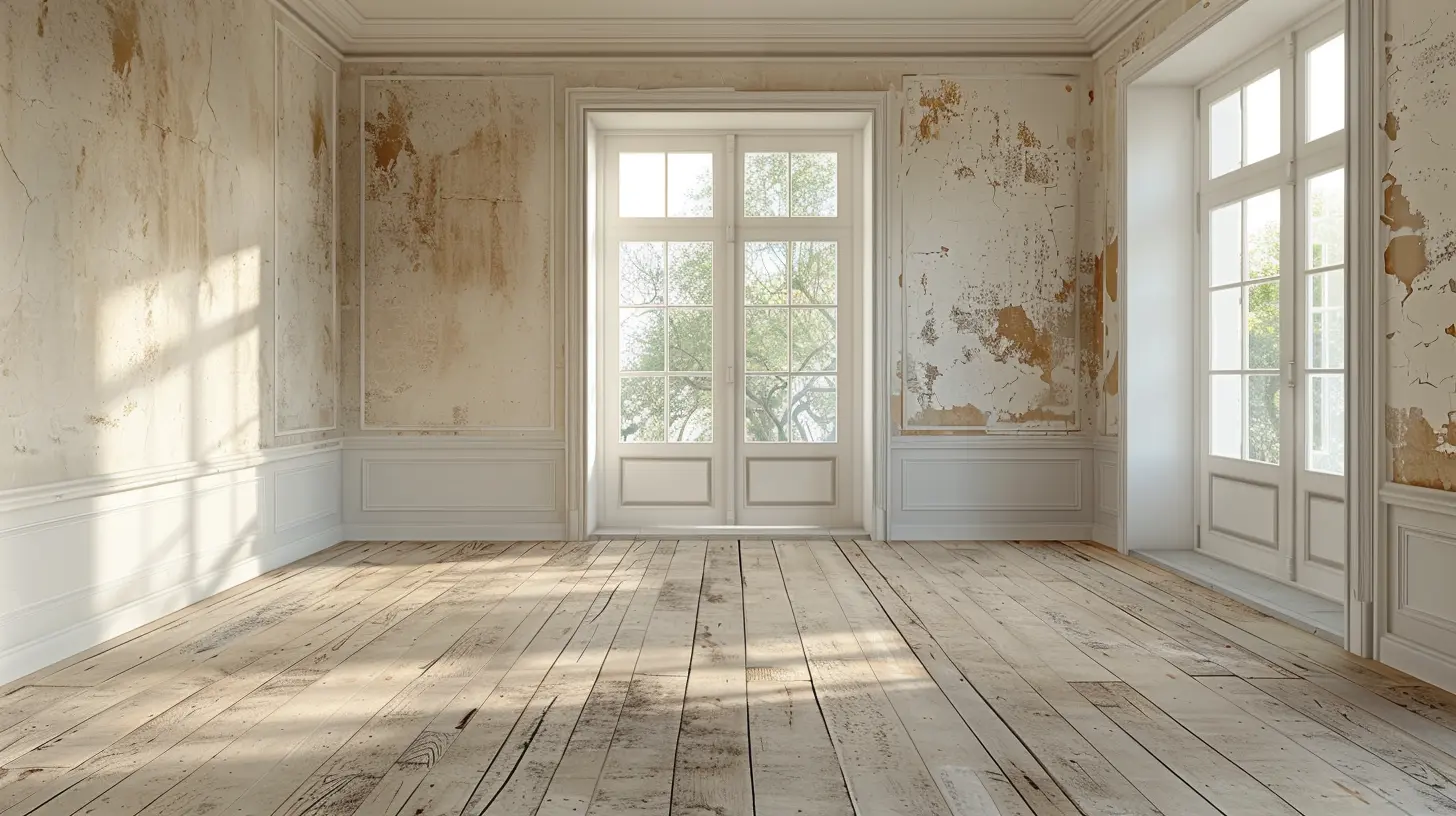
Why Is Virtual Staging the Future of Real Estate Marketing?
1. Buyers Shop With Their Eyes
Ever heard the phrase "you eat with your eyes first"? The same goes for house hunting. We’re visual creatures. According to the National Association of Realtors, 97% of buyers use the internet in their home search. That means they’re scrolling through pictures—and lots of them—before they ever step foot in a house.If a listing looks cold, empty, or outdated, most buyers will keep scrolling. Virtual staging helps you stop that thumb in its tracks by showing the property's full potential.
2. Avoid the “Is This Place Abandoned?” Vibe
Vacant homes can feel lifeless or even a bit spooky. Potential buyers might wonder: “Why hasn’t anyone lived here for so long?” Or worse, “What’s wrong with it?”Adding cozy couches, stylish lighting, and tasteful décor changes the narrative from “cold and forgotten” to “warm and inviting.”
3. Budget-Friendly and Low Effort
Traditional staging involves moving furniture, hiring decorators, and possibly even repainting walls. That’s a lot of time, money, and sweat—especially if the home stays on the market for a while.Virtual staging? No heavy lifting. The cost is a fraction of traditional staging, and the turnaround time is usually just 24 to 72 hours. Plus, changes are easy—want a different style or color scheme? Done.
4. Tailored Styles for Different Audiences
One of the coolest things about virtual staging is customization. Want a modern look for young urban buyers? Or maybe a classic vibe for an older demographic?You can stage the same room in multiple styles depending on your target market. That kind of flexibility is incredibly valuable in diverse markets where buyer preferences vary wildly.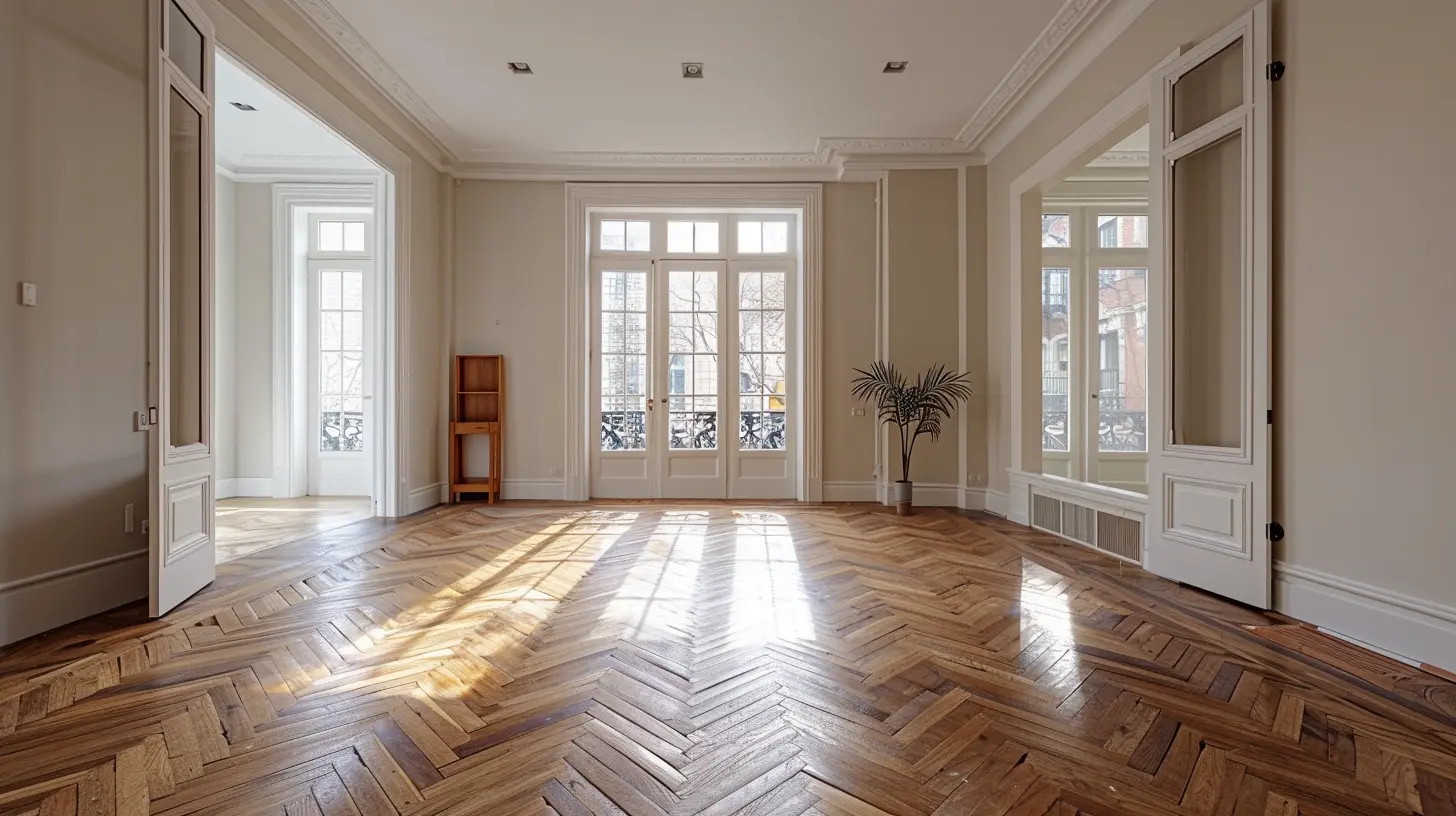
Common Challenges With Outdated or Vacant Properties
Before we jump into how virtual staging solves problems, let's look at the pain points we're dealing with.Vacant Homes Feel Cold and Unloved
Empty rooms are hard to read. Without visual cues, buyers can’t gauge the size of the space or imagine how their furniture might fit. A giant master bedroom could feel unexpectedly small in a listing photo if there’s nothing inside it to provide scale.Outdated Décor Kills the Mood
Old wallpaper, dated appliances, worn-out carpets—just one or two design elements stuck in the past can make an entire house feel less appealing. Buyers start calculating renovation costs in their heads, and suddenly, your property is off their list.Limited Budgets for Renovations or Traditional Staging
Sellers don’t always have the budget to gut-renovate a kitchen or hire a staging crew. And let’s face it, not every property is worth that kind of investment. Virtual staging offers an alternative that delivers big visual impact without touching a hammer or paint roller.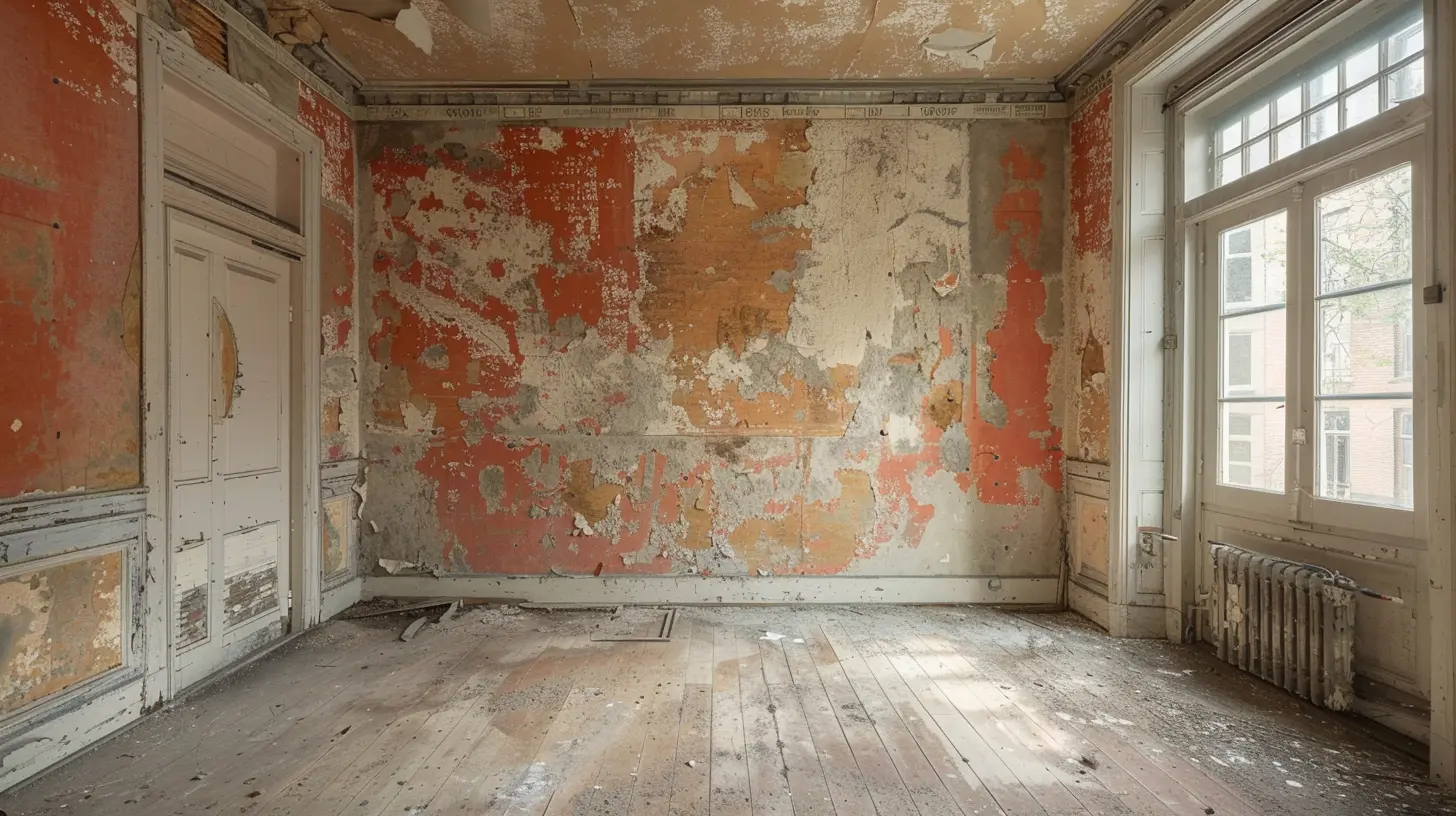
How Virtual Staging Works (Step-by-Step)
It’s simpler than you think. Here’s a quick rundown:Step 1: Take High-Quality Photos
The staging process starts with professional-quality, high-resolution images of each room. If you’re serious about selling, don’t skimp here. The better the photo, the better the final result.Step 2: Choose a Staging Style
Modern, mid-century, farmhouse, coastal—there’s a style for every buyer. A good virtual staging company will offer a range of looks to suit your property and target market.Step 3: Designers Work Their Magic
Then, digital interior designers step in. They’ll add virtual furniture, wall art, rugs, lighting, and more—completely customized to the room’s layout and style.Step 4: Review & Revise
You get to check the finished product, suggest changes, and make sure everything looks right. Need a different couch or want to switch the dining set? Easy.Step 5: Upload to Your Listings
Once approved, the virtual staging images go live. Use them in your MLS listings, brochures, social ads, or email campaigns.Virtual Staging vs Traditional Staging: A Real-World Comparison
Let’s break it down into dollars, time, and stress.| Feature | Traditional Staging | Virtual Staging |
|--------|---------------------|------------------|
| Cost | $2,000–$5,000+ | $30–$150 per image |
| Setup Time | 1–2 weeks | 1–3 days |
| Flexibility | Limited styles | Multiple styles per room |
| Physical Work | Movers, cleaners, decorators | Just photos |
| Risk of Damage | High (furniture, walls, etc.) | None |
| Scalability | Difficult for multiple homes | Perfect for bulk listings |
It’s no contest. Virtual staging is the smart choice for modern real estate professionals.
Best Rooms To Virtually Stage First
Not all rooms are created equal when selling a home. Focus on high-impact areas first.Living Room
This is the heart of the home. Buyers want to picture movie nights, game days, or cozy evenings here. A well-staged living room sets the tone for the whole house.Kitchen & Dining
Even with no major upgrades, virtual staging can show off a functional, family-friendly space. It helps buyers overlook minor flaws and focus on layout and flow.Master Bedroom
This is where potential buyers imagine relaxing after a long day. A cluttered or empty master bedroom doesn’t sell comfort. Virtual staging helps them picture serenity and luxury.Home Office
Thanks to remote work trends, a simple spare bedroom staged as a clean, modern office could be just the hook that seals the deal.Watch Out: Virtual Staging Pitfalls to Avoid
While virtual staging is amazing, there are some rookie mistakes you want to dodge.Overdoing It
Sure, adding a pop of color and modern style helps. But stuffing a room with too many virtual elements can look fake or overwhelming. Less is often more.Misleading Photos
Don’t go full fantasy. You still want the staged photos to be realistic representations of the space. Also, always disclose that the images are digitally altered. Transparency builds trust.Choosing the Wrong Style
Know your market. That ultra-modern New York loft look might not resonate in a rural farmhouse town. Match your staging style with what buyers in your area actually want.Selecting the Right Virtual Staging Provider
Not all virtual stagers are created equal. When shopping around, consider:- Portfolio Quality: Do their samples look real? Or more like The Sims?
- Style Variety: Can they match different design tastes?
- Revision Policy: Are edits included? How many rounds?
- Turnaround Time: How fast can they deliver?
- Pricing Tiers: Do they offer bulk deals or discounts?
Get references, read reviews, and don’t be afraid to ask questions. Your listing photos are your first showing—make sure they shine.
Final Thoughts
Virtual staging isn’t just a trend—it’s a tool that’s here to stay. In a digital-first market, you can't afford to let your listings look dull, empty, or outdated. Virtual staging is your secret weapon to getting eyes on your properties, making stronger first impressions, and ultimately, closing faster.Whether you're flipping a fixer-upper, managing a new build, or helping clients sell inherited properties, virtual staging gives every room a fresh perspective. So go ahead—give that outdated space a digital facelift. The results might just surprise you.
all images in this post were generated using AI tools
Category:
Virtual StagingAuthor:

Mateo Hines
Discussion
rate this article
2 comments
Lucas McWilliams
Who knew that a little digital magic could turn drab into fab? Virtual staging is like giving your property a stylish makeover without the messy paint and heavy lifting! Perfect for outdated or vacant spaces, it’s a game-changer that makes potential buyers say, 'Wow, I can see myself living here!'
December 25, 2025 at 3:41 AM
Mateo Hines
Absolutely! Virtual staging truly transforms spaces and helps buyers envision their future home without the hassle of physical renovations. It's a powerful tool for showcasing potential!
Tenley Klein
Virtual staging offers an innovative way to enhance outdated or vacant properties, making them more appealing to buyers. It's a cost-effective solution that showcases potential and boosts sales.
December 15, 2025 at 5:46 AM
Mateo Hines
Thank you for your insightful comment! Virtual staging truly transforms properties and highlights their potential, making it an invaluable tool in real estate marketing.