Virtual Staging Tips to Turn Browsers Into Buyers
29 August 2026
In today’s digital-driven real estate market, first impressions happen online. Potential buyers scroll through countless listings, making split-second decisions based on photos alone. That’s where virtual staging comes into play—transforming empty or outdated spaces into stylish, move-in-ready homes that capture buyers' interest.
But here’s the thing: not all virtual staging is created equal. Done right, it can make a property irresistible. Done poorly, it can look fake and turn buyers off. So, how do you make sure your virtual staging persuades buyers instead of scaring them away? Let’s break it down. 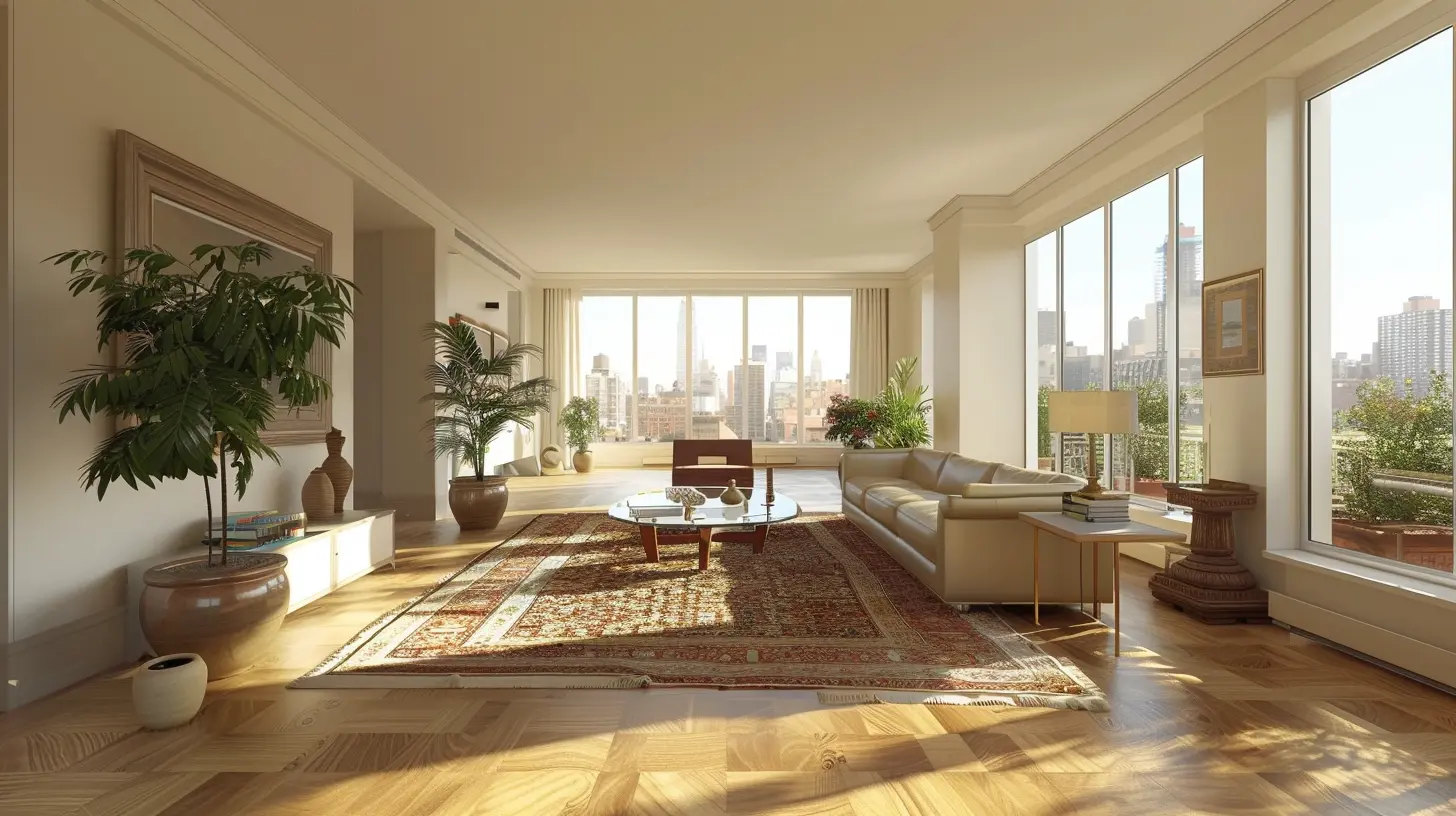
What Is Virtual Staging and Why Does It Matter?
If you’re not familiar, virtual staging is the digital equivalent of home staging. Instead of physically furnishing a home, designers use software to add realistic furniture, decor, and even lighting. The goal? To help buyers visualize the space’s potential and form an emotional connection before ever stepping inside.Why does it matter? Because staged homes sell faster and for more money. According to the National Association of Realtors (NAR), 83% of buyers’ agents say staging helps clients picture a property as their future home. Virtual staging offers an affordable, convenient way to achieve those benefits—without the hassle of renting furniture or hiring movers. 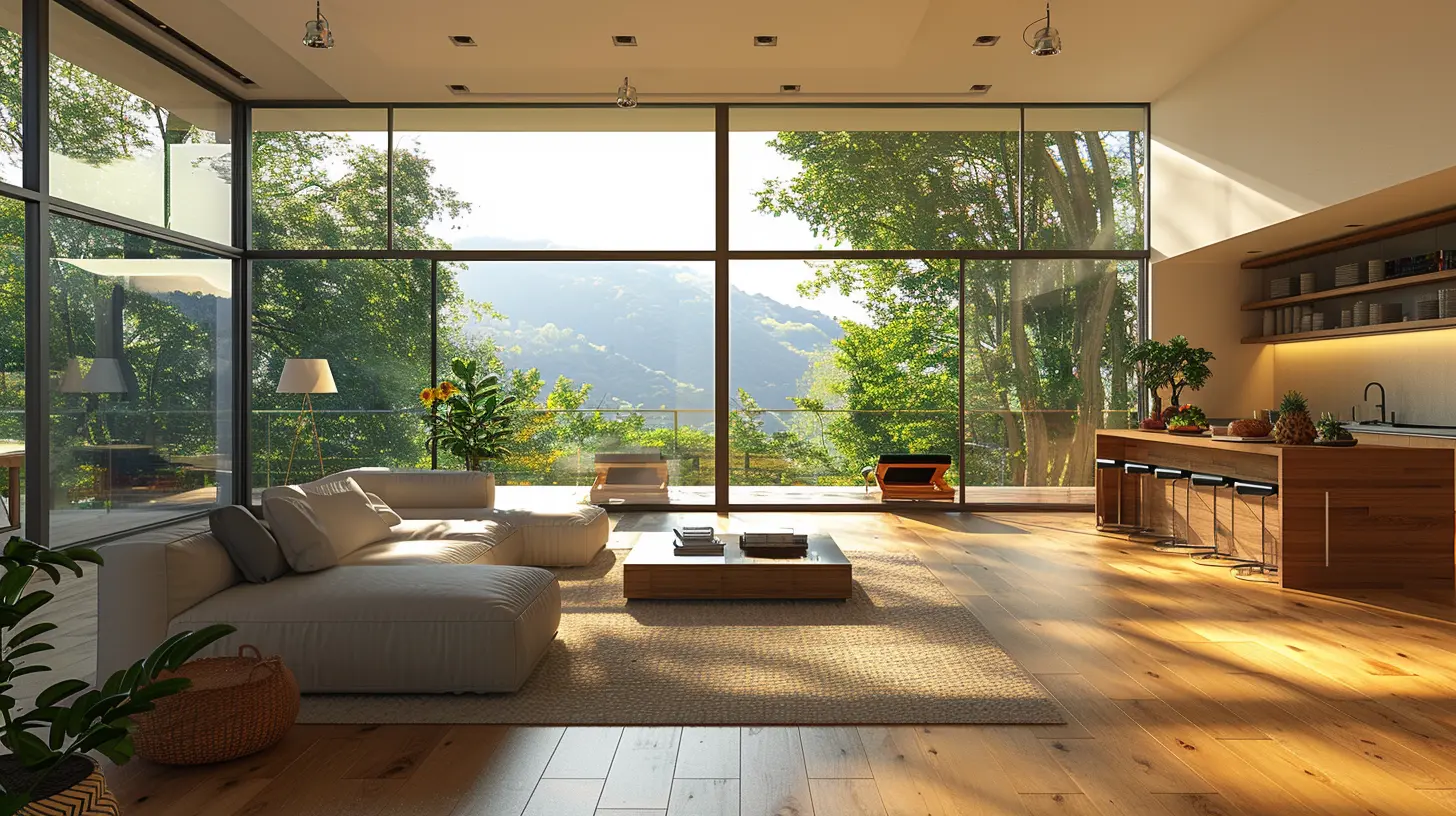
1. Start with High-Quality Listing Photos
Before you even begin virtual staging, you need high-resolution, well-lit photos. Poor quality images can make even the best virtual staging look fake.? Pro Tip: Hire a professional real estate photographer who understands angles, lighting, and composition. Well-shot photos provide a realistic foundation for virtual staging to work its magic. 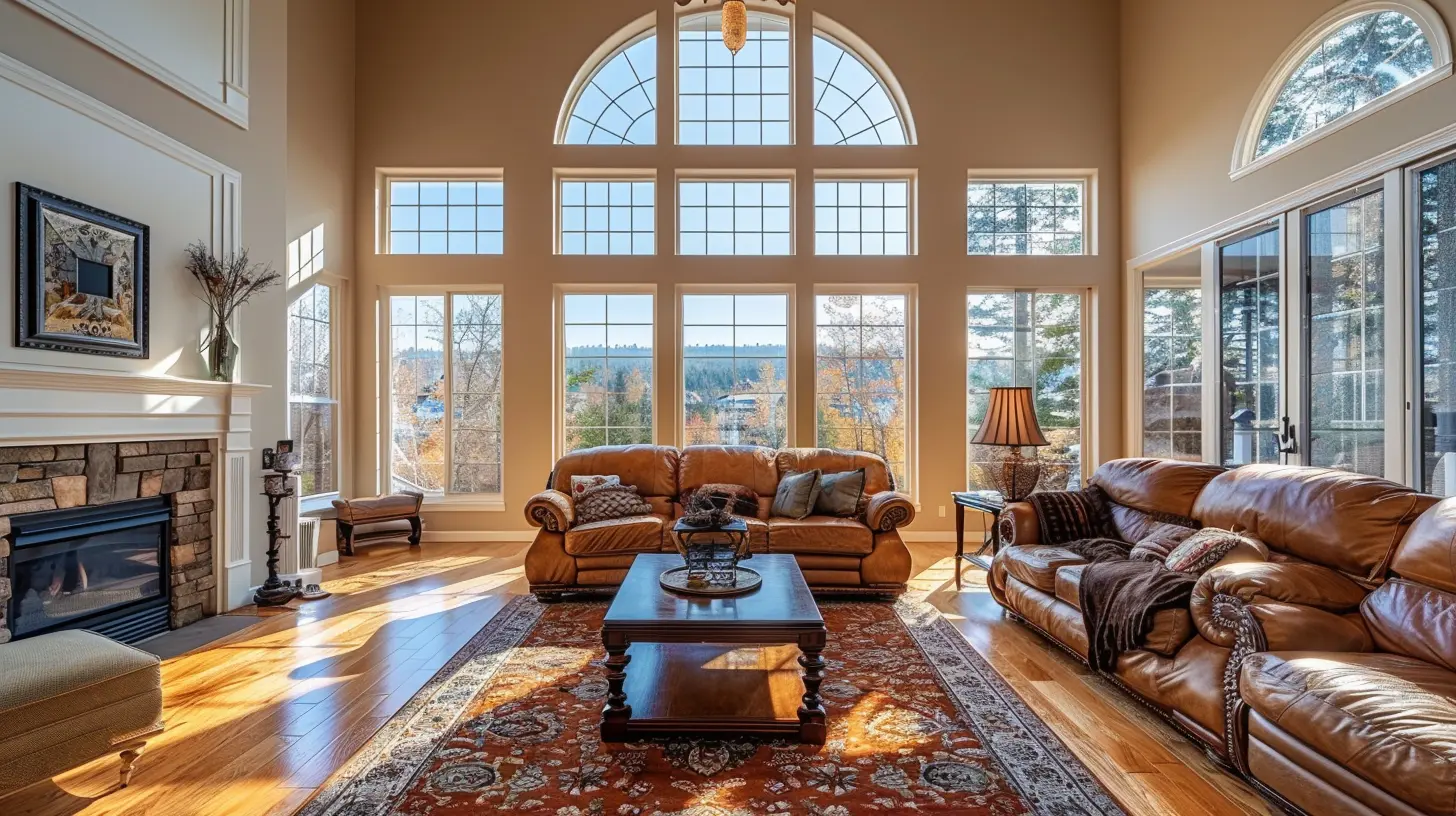
2. Keep It Realistic
There’s a fine line between beautifully staged and obviously fake. If furniture looks too perfect, lighting is unnatural, or the design doesn’t match the home’s aesthetic, buyers will notice—and they won’t be impressed.? Stick to realistic design principles:
- Use furniture proportions that fit the space.
- Ensure shadows and lighting match the photo’s original conditions.
- Choose colors and styles that complement the home’s actual finishes.
Remember, the key is to enhance reality, not distort it. Buyers should be able to walk into the home and recognize the space from the photos. 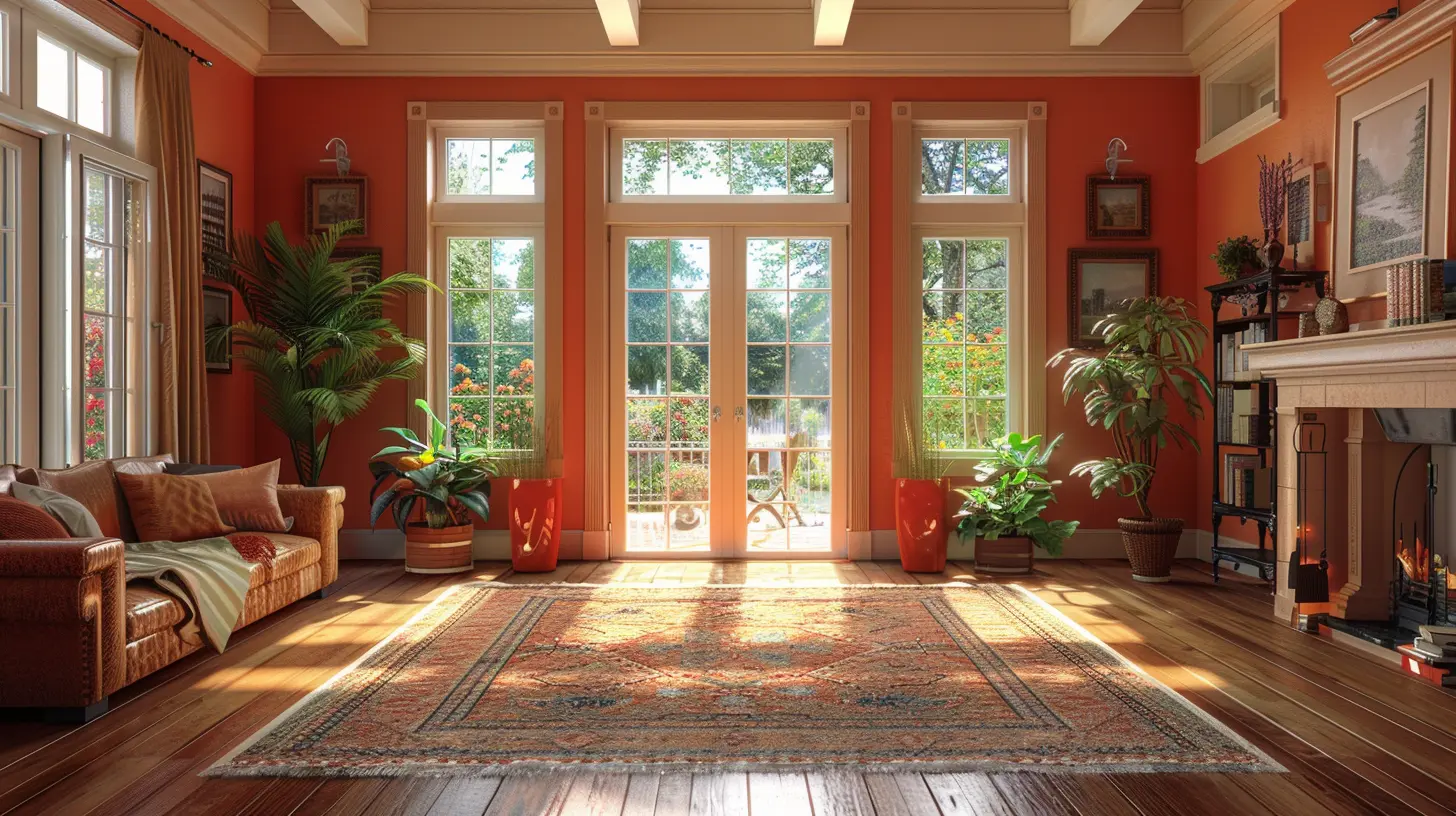
3. Match Staging to Your Target Audience
Who is most likely to buy this home? A trendy downtown loft appeals to young professionals, while a spacious suburban house is more suited to families. Tailor your virtual staging to fit the likely buyer’s lifestyle and taste.?? For urban condos: Sleek, modern furniture with neutral colors and minimalist decor.
? For family homes: Cozy, welcoming spaces with comfortable furniture and warm tones.
? For luxury listings: High-end finishes, elegant furnishings, and subtle yet sophisticated decor.
This approach ensures that potential buyers can see themselves living there, making the home feel like "the one."
4. Don’t Overcrowd the Space
A cluttered room—virtually staged or not—feels smaller and overwhelming. Instead of stuffing every corner with furniture, keep things spacious and inviting.?️ Less is more!
- Stick to essential furniture (sofa, coffee table, bed, dining set).
- Use open spaces strategically to make rooms feel larger.
- Avoid excessive decor—just a few well-placed accents will do.
Buyers need space to imagine their own belongings fitting into the rooms. Too much virtual furniture can make a home feel cramped rather than cozy.
5. Highlight the Home’s Best Features
Does the home have a fireplace? Huge windows? A stunning open floor plan? Make sure your virtual staging puts the spotlight on these features.? Ways to enhance standout features:
- Place a stylish rug and cozy seating near the fireplace.
- Arrange furniture to draw attention to large windows and natural light.
- Keep floor plans open and uncluttered to showcase the home’s spaciousness.
By playing up these strengths, you guide buyers’ focus to what makes the property unique.
6. Use Neutral Colors (With a Pop of Personality)
Bright, bold colors might appeal to some, but most buyers prefer neutral tones. Why? Because they’re versatile, timeless, and allow the buyer to mentally "move in" without distractions.? Best colors for virtual staging:
✅ Soft grays
✅ Warm beiges
✅ Classic whites
✅ Earthy tones
That said, don’t let things get boring. Add a pop of color through small decor items, like throw pillows, artwork, or flowers. This keeps the space fresh without overwhelming buyers.
7. Stage Key Rooms First
If you’re on a budget (or time crunch), don’t feel like you need to stage the entire home. Instead, focus on the rooms that make the biggest impact:? Top 3 rooms to virtually stage:
1. Living Room – The heart of the home, where buyers envision gatherings and relaxation.
2. Primary Bedroom – A serene retreat that helps buyers picture restful nights.
3. Kitchen/Dining Area – Where buyers imagine cooking meals and entertaining loved ones.
Other rooms (guest bedrooms, home offices) are secondary but can still benefit from light staging.
8. Don’t Forget the Outdoor Space
If the home has a patio, balcony, or backyard, don’t ignore it! Outdoor living areas are a huge selling point.? How to stage outdoor areas:
- Add a cozy seating area with chairs and a fire pit.
- Stage a dining setup with a table, plates, and string lights.
- Place lush greenery or potted plants to enhance curb appeal.
A well-staged outdoor space can make buyers imagine summer BBQs, morning coffees, and family gatherings—all great selling points.
9. Offer Before & After Comparisons
Buyers love seeing transformations. Providing side-by-side "before and after" images helps them appreciate how staging enhances the space.✅ Why it works:
- Shows the potential of an empty room.
- Reinforces the value of staging.
- Helps buyers visualize the home’s possibilities.
Some real estate platforms even allow interactive sliders so buyers can toggle between the two versions—another great way to engage them.
10. Clearly Label Virtually Staged Images
While virtual staging is a fantastic tool, transparency is key. Always label photos as "Virtually Staged" so buyers know what they’re looking at.Why? Because misleading buyers can backfire. If they walk into an empty home expecting beautifully furnished rooms, they might feel deceived. Instead, set expectations properly—it’ll build trust and keep buyers engaged.
Final Thoughts
Virtual staging can turn an ordinary real estate listing into a must-see property, but only if done right. By keeping it realistic, stylish, and targeted to the right audience, you’ll create an emotional connection that transforms casual browsers into serious buyers.So, whether you’re a real estate agent, seller, or investor, use these staging techniques to maximize your home’s appeal—and your selling price!
Happy staging, and happy selling!
all images in this post were generated using AI tools
Category:
Virtual StagingAuthor:

Mateo Hines
Discussion
rate this article
2 comments
Eliza Heath
Virtual staging transforms spaces, making them irresistible. High-quality images can create emotional connections, turning casual browsers into committed buyers.
September 1, 2026 at 12:34 PM
Mateo Hines
Absolutely, high-quality virtual staging can really evoke emotions and spark interest in potential buyers. It's all about creating that connection.
Harrison McNeal
Great insights on virtual staging! It really shows how a little creativity can make a big difference. Transforming spaces to appeal to buyers is key in today's market. These tips are sure to help sellers present their homes in the best light. Keep up the helpful content!
August 29, 2026 at 11:18 AM
Mateo Hines
Thanks for the kind words! I'm glad you found the tips helpful. A creative touch can really change the game in home selling.