Virtual Staging vs Traditional Staging: Which is Right for Your Property?
18 August 2026
When it comes to selling a home, first impressions matter—a lot. You want potential buyers to walk in (or scroll through) and instantly fall in love with the space. That’s where home staging comes in. But here’s the big question: Should you go with traditional staging or virtual staging?
Both options have their perks and drawbacks, and depending on your property, budget, and target audience, one may work better than the other. Let’s break it down so you can make the best choice for your property sale. 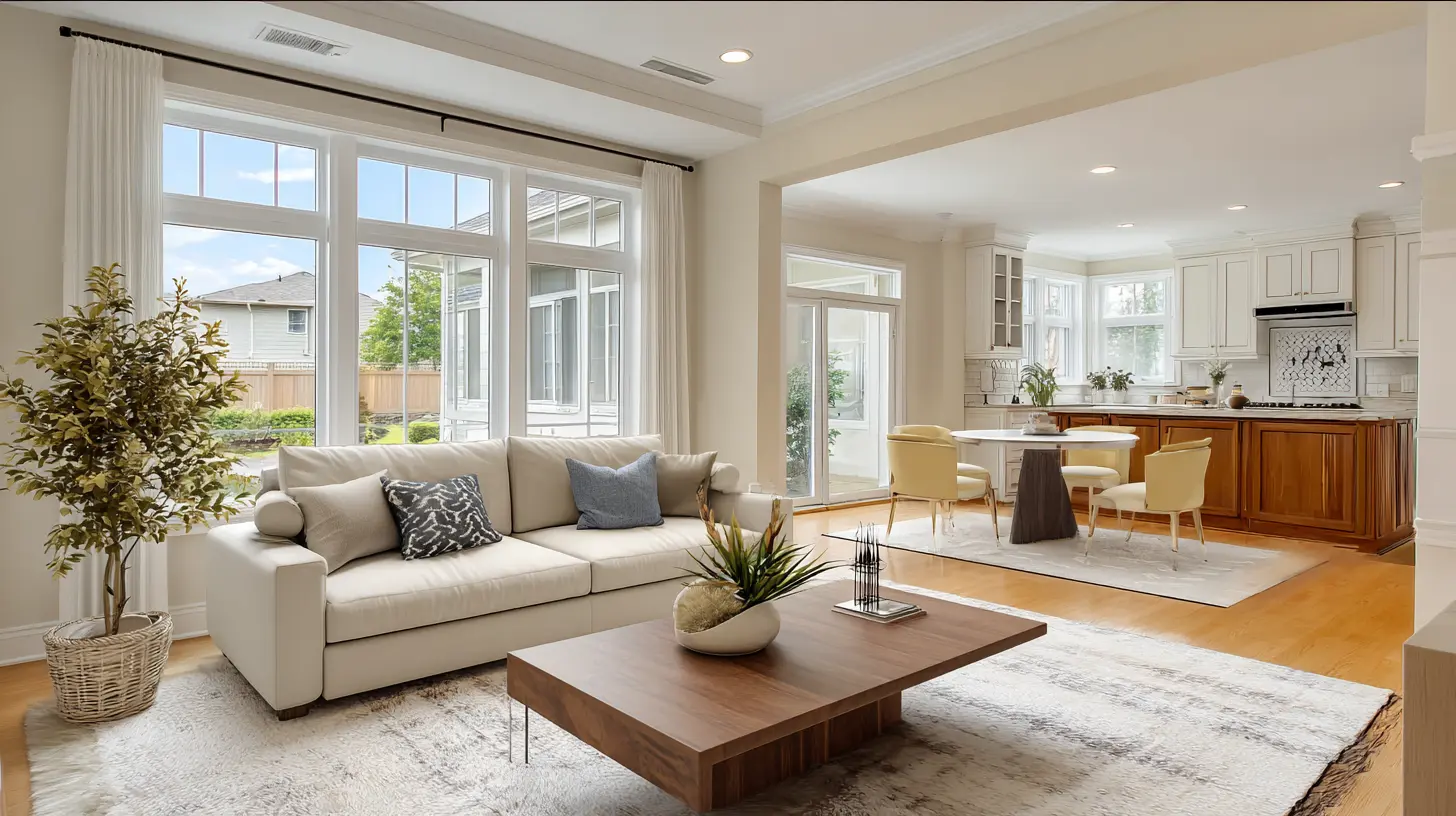
What is Home Staging and Why Does it Matter?
Before we dive into the differences, let’s talk about why staging is important in the first place. When potential buyers walk into an empty house, they often struggle to visualize how it could feel like home. Staging fixes this by decorating the space in a way that highlights its best features, making it feel warm, inviting, and livable.According to real estate studies, staged homes sell faster and for higher prices than unstaged homes. A well-staged home can create an emotional connection with buyers, making them more likely to put in an offer.
Now, let's get into the two main types of staging—virtual and traditional—and figure out which one makes the most sense for your property. 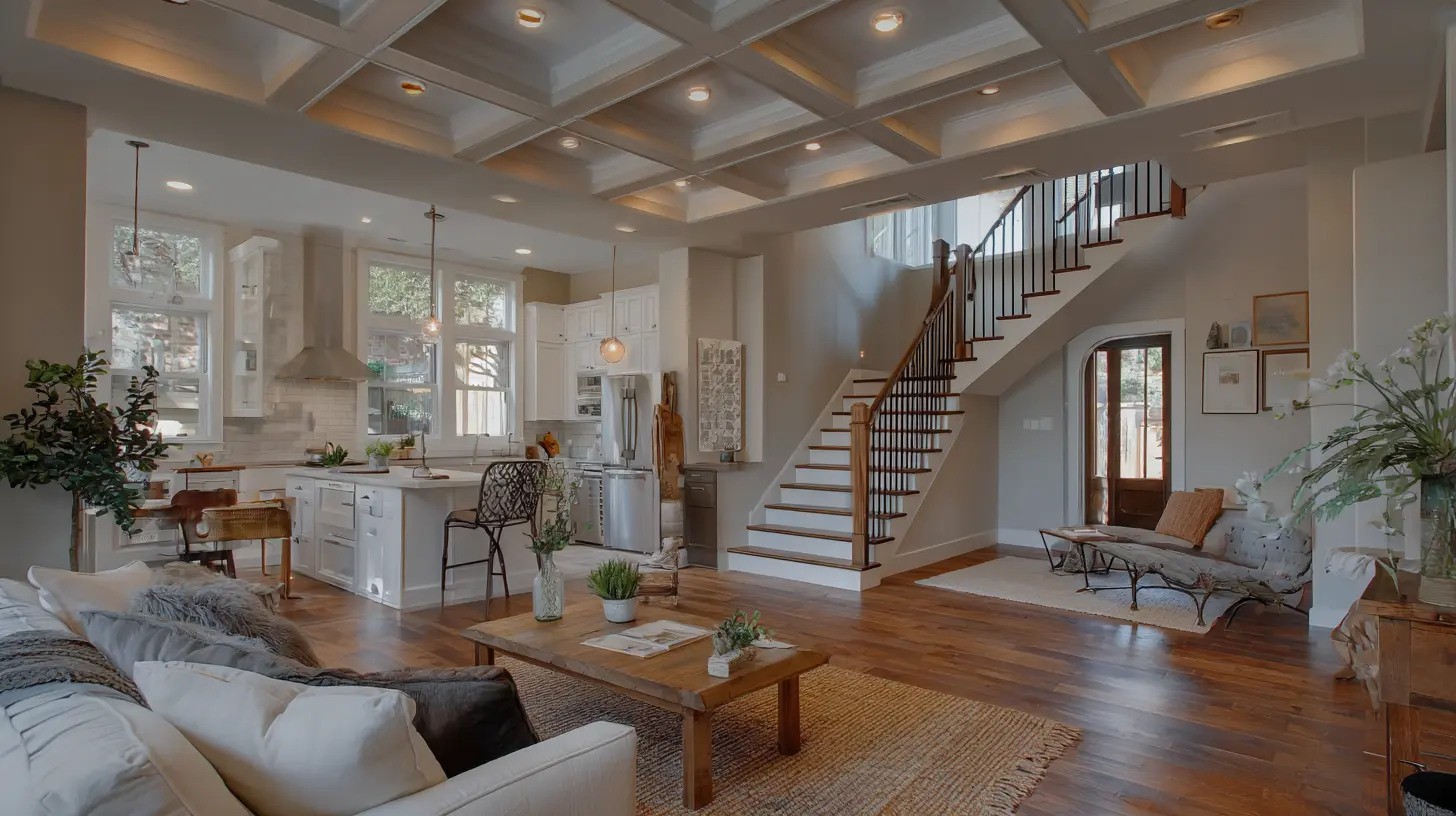
What is Traditional Staging?
Traditional staging is the physical process of furnishing and decorating a home for sale. This involves renting furniture, adding décor, and arranging everything to make the space look appealing to buyers.How Traditional Staging Works
1. Consultation: A professional stager assesses the home and suggests what needs to be added or removed.2. Furniture and Décor Selection: Either the homeowner’s furniture is rearranged, or rented furniture is brought in.
3. Setup and Styling: The stager arranges everything to create a stylish and inviting atmosphere.
4. Photography and Showings: The home is now ready for listing photos and in-person tours.
Pros of Traditional Staging
✔ Creates a tangible experience: Buyers can walk through a beautifully staged home and get a real feel for the space.✔ Increases perceived value: A well-staged home can make rooms feel bigger, brighter, and more appealing.
✔ Works well for occupied homes: If you or tenants are living there, staging with existing furniture can be a great option.
Cons of Traditional Staging
✖ Expensive: Renting furniture, hiring a stager, and setting everything up can easily cost hundreds or even thousands of dollars.✖ Time-consuming: The process can take days or weeks, delaying your listing.
✖ Logistics: Moving furniture in and out can be a hassle, especially for vacant homes.

What is Virtual Staging?
Virtual staging, on the other hand, is 100% digital. Using advanced photo-editing software, designers take photos of an empty (or poorly furnished) home and add realistic-looking furniture, rugs, artwork, and décor.How Virtual Staging Works
1. Professional photos are taken of an empty or occupied home.2. A graphic designer adds furniture, décor, and even wall colors digitally.
3. The enhanced images are used in online listings to attract buyers.
Pros of Virtual Staging
✔ Cost-effective: Virtual staging is typically a fraction of the cost of physical staging, averaging between $30 to $150 per image compared to thousands for traditional staging.✔ Faster turnaround: In many cases, virtual staging can be completed within 24-48 hours.
✔ Flexibility: You can virtually stage the same room in multiple ways—modern, classic, cozy, minimal—catering to different buyer preferences.
✔ Ideal for vacant homes: If a property is empty, virtual staging can bring it to life without the hassle of renting furniture.
Cons of Virtual Staging
✖ No physical experience: Since the changes exist only in photos, when buyers visit in person, they’ll see an empty or differently furnished home.✖ Can feel misleading: If not disclosed properly, buyers might feel deceived if the home looks completely different in real life.
✖ Less effective for occupied homes: If a home is cluttered or has old furniture, virtual staging won’t help much with in-person impressions.
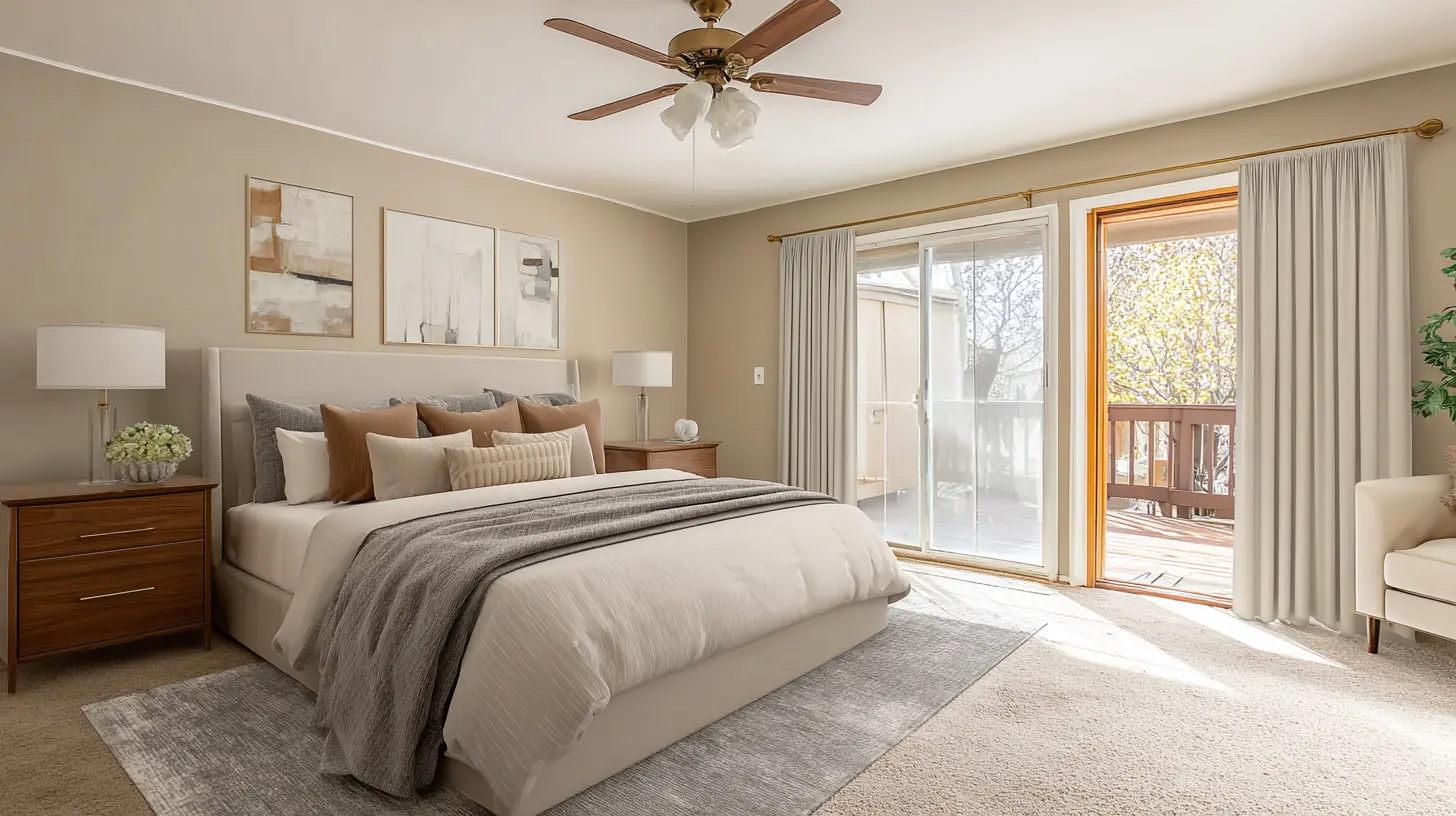
Virtual Staging vs Traditional Staging: A Side-by-Side Comparison
| Feature | Traditional Staging | Virtual Staging ||----------------------|-----------------------|----------------------|
| Cost | Expensive (thousands of dollars) | Affordable ($30-$150 per image) |
| Time Required | Days to weeks | 24-48 hours |
| Effectiveness | Creates a real-life emotional connection | Attracts online buyers but lacks a physical feel |
| Best Used For | High-end homes, occupied homes | Vacant homes, budget-friendly sales |
| Flexibility | Limited to available furniture | Can showcase multiple styles |
| Logistics | Requires furniture rentals & setup | No physical setup needed |
Which One is Right for You?
The best choice depends on your situation. Here’s a quick guide:✔ Choose Traditional Staging If:
- The home is in a high-end market where buyers expect a fully staged experience.
- You want to create an in-person connection with buyers.
- You have the budget and time to invest in physical staging.
✔ Choose Virtual Staging If:
- The home is vacant, and you don’t want to spend thousands on renting furniture.
- You need to get the listing up quickly (virtual staging is much faster).
- You want to advertise multiple design styles for the same space.
Can You Combine Both?
Absolutely! Some sellers use virtual staging for online listings and then partially stage key rooms (like the living room and master bedroom) for in-person showings. This approach balances cost-effectiveness with in-person appeal.The Final Verdict
At the end of the day, both traditional and virtual staging have their place in real estate. If you’re selling a luxury home or an occupied property, traditional staging can add value and attract serious buyers. On the other hand, if you’re working with a vacant home or a tight budget, virtual staging can make your listing stand out without breaking the bank.So, before deciding, consider your budget, timeline, and target market—and choose the option that gives you the best chance of selling quickly and at the highest price!
all images in this post were generated using AI tools
Category:
Virtual StagingAuthor:

Mateo Hines
Discussion
rate this article
2 comments
Calyx Jennings
Virtual staging offers cost savings and flexibility, but traditional staging's tactile appeal often wins buyers.
August 23, 2026 at 3:27 AM
Mateo Hines
Both methods have their strengths. Virtual staging is budget-friendly and adaptable, while traditional staging provides a sensory experience that can be hard to replicate. the choice depends on the property and the target audience.
Presley Rodriguez
Great insights on virtual and traditional staging. Understanding the benefits of each can truly enhance property appeal.
August 20, 2026 at 10:46 AM
Mateo Hines
Thanks for the feedback! I'm glad you found the insights helpful. Balancing both methods can really make a difference in showcasing a property.