What Happens After a Home Inspection: Next Steps for Buyers
31 March 2026
Buying a home is an exciting journey, but let's be honest—it can be nerve-wracking too. You’ve finally found the perfect house, made an offer, and now the home inspection is complete. So, what happens next?
Many buyers feel a mix of anticipation and anxiety after a home inspection. Will the inspection report be a deal-breaker? What if there are issues? Don’t worry—you're not alone. Let’s walk through the next steps you should take after a home inspection, so you can move forward with confidence. 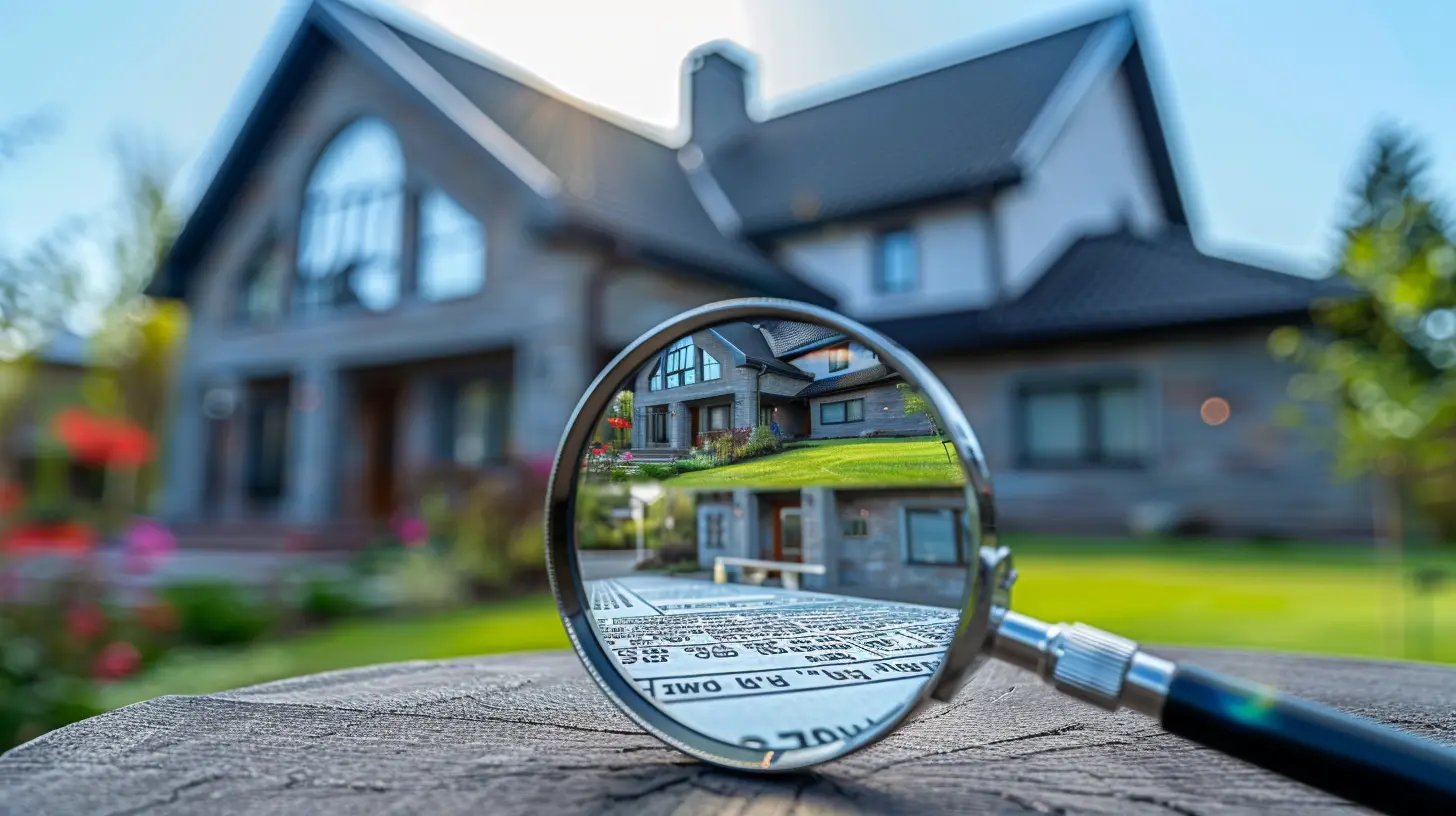
Understanding the Home Inspection Report
Once the home inspection is done, the inspector will provide a detailed report. This document includes everything from minor cosmetic issues to major structural or safety concerns. It can feel overwhelming, but don’t panic—every home has some flaws, even brand-new ones.What's in the Report?
A home inspection report typically covers:- Structural components (foundation, walls, roof, etc.)
- Electrical systems (wiring, outlets, breakers)
- Plumbing (pipes, water heater, leaks)
- HVAC (heating, ventilation, and air conditioning)
- Appliances (stove, refrigerator, dishwasher)
- Attic, basement, and insulation
- Pest or mold concerns
Some issues are minor, like a loose doorknob, while others may be major, such as a leaking roof or faulty wiring. The key is understanding what’s a big deal and what’s just normal wear and tear. 
Reviewing the Report with Your Agent
Once you have the report in hand, sit down with your real estate agent. A seasoned agent will help you break it down and prioritize which issues need immediate attention and which ones are minor concerns.How to Approach the Findings
1. Major Structural or Safety Issues: These are red flags, such as foundation cracks, mold, or outdated electrical systems.2. Necessary Repairs & Maintenance: These include plumbing leaks, HVAC servicing, or roof repairs.
3. Cosmetic Fixes: Paint touch-ups, small cracks, or outdated fixtures—these are not deal-breakers but may be points for negotiation.
Your agent can guide you on what’s reasonable to ask for and what’s best to handle yourself after closing. 
Deciding Your Next Move
After reviewing the report, you have three main options:1. Move Forward Without Changes
If the inspection report comes back clean or with only minor issues, you can proceed with the purchase as planned. In this case, you’ll move forward with the next steps—such as securing financing, appraisal, and preparing for closing day.2. Negotiate Repairs or Price Adjustments
If the report uncovers significant concerns, you may want to negotiate with the seller. Typically, buyers have two negotiation options:- Request Repairs: The seller agrees to fix certain issues before closing.
- Ask for a Price Reduction or Closing Credit: Instead of making repairs, the seller might lower the purchase price or offer a credit at closing, allowing you to handle the repairs yourself.
A good real estate agent will craft a formal repair request and negotiate on your behalf to ensure you get the best deal possible.
3. Walk Away (If Necessary)
In some cases, the home inspection may reveal serious problems that make you rethink the purchase. Structural damage, severe mold, or major foundation issues could be reason enough to walk away, especially if the seller refuses to negotiate.Most home purchase agreements include an inspection contingency clause, meaning you can exit the contract without penalty if the inspection results don’t meet your expectations. 
Negotiation Tips for Buyers
If you decide to negotiate repairs or price adjustments, here are some solid tips to improve your chances of success:- Prioritize major issues. Sellers are more likely to agree to repairs that involve safety concerns or major repairs rather than cosmetic fixes.
- Be reasonable. Asking for too much can make sellers defensive, while reasonable requests are more likely to be accepted.
- Get repair estimates. If there’s a significant issue (like a faulty HVAC system), getting a quote from a professional can strengthen your negotiation position.
- Be open to compromise. Some sellers may offer to split repair costs or provide a home warranty instead of making all fixes themselves.
Moving Toward Closing
Once negotiations are settled, it’s time to finalize the deal. Here’s what happens next:1. Secure Financing
If you're taking out a mortgage, your lender will need the final inspection details and appraisal to move forward. Keep in close contact with your loan officer to ensure everything is on track.2. Finalize the Appraisal
The lender will order an appraisal to confirm the home’s value aligns with your loan amount. If the appraisal comes in lower than the purchase price, additional negotiations may be necessary.3. Plan for a Final Walkthrough
A day or two before closing, you’ll do a final walkthrough to confirm that any agreed-upon repairs were completed and that the home is in the expected condition. If anything seems off, now is the time to address it.4. Close on Your Home
You’ve made it! On closing day, you'll sign all the necessary paperwork, transfer funds, and get the keys to your new home. The process can take a few hours, but once it’s done, you’re officially a homeowner.Final Thoughts
A home inspection can feel like a rollercoaster of emotions, but it’s a crucial step in the home-buying process. While it might uncover issues, it also gives you the power to make informed decisions. Whether you negotiate repairs, adjust the purchase price, or decide to walk away, the inspection ensures you’re not stepping into a money pit.Stay patient, work with a great real estate agent, and approach the process with an open mind. Before you know it, you'll be unlocking the door to your dream home, ready to create lasting memories.
all images in this post were generated using AI tools
Category:
Home InspectionsAuthor:

Mateo Hines
Discussion
rate this article
2 comments
Roxie King
Stay proactive; communication is key for smooth negotiations.
April 11, 2026 at 4:27 AM
Mateo Hines
Absolutely! Proactive communication helps ensure clarity and builds trust throughout the negotiation process after a home inspection.
Betsy Garcia
Key steps post-inspection: negotiate, repair, or walk away wisely.
April 2, 2026 at 3:29 AM
Mateo Hines
Great summary! It's crucial for buyers to weigh their options carefully after the inspection. Each step can significantly impact their investment.