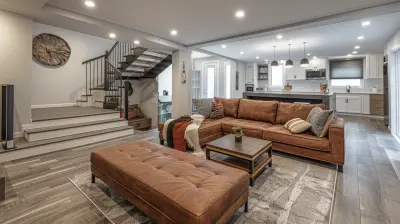
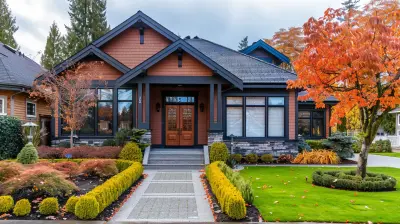
What Makes a New Construction Home Move-in Ready?
8 July 2026
So, you’ve been touring shiny new homes and dreaming about fresh paint, untouched carpets, and sparkling appliances. You stumble upon a listing that says, “Move-in Ready!” and your heart skips a beat. But wait—what does that actually mean when it comes to new construction homes?
Does it mean you can literally bring your toothbrush and start living? Or is there more to the story?
Let’s break it down together. In this post, we'll take a deep dive into what truly makes a new construction home move-in ready before you put your name on the dotted line.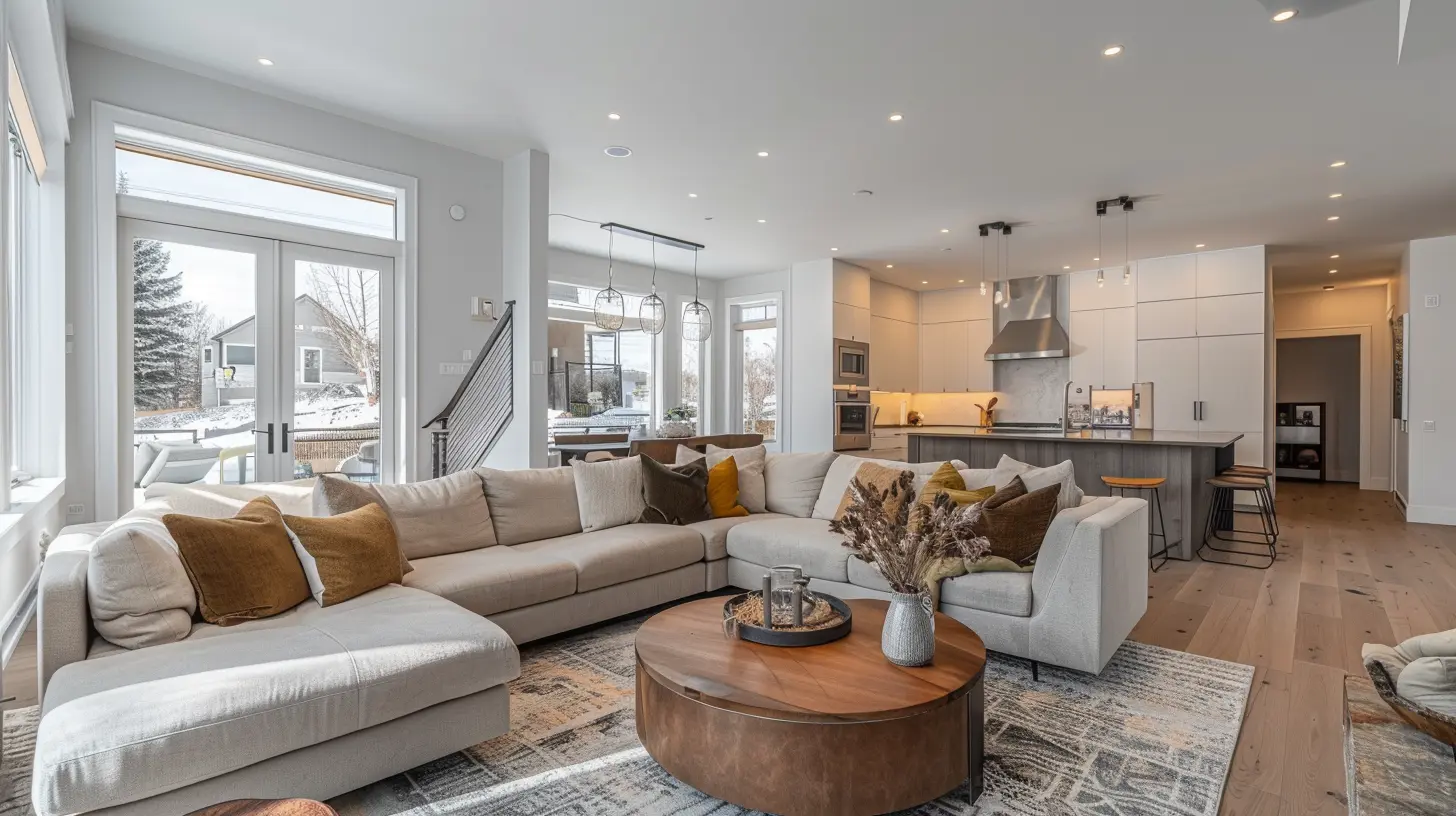
What Does “Move-in Ready” Really Mean?
Let’s be honest—“move-in ready” is a term that gets tossed around like candy. It sounds great, but it’s not always used consistently. In the world of new construction, though, it has a bit more structure.When builders say a home is move-in ready, they usually mean construction is complete, and all the essentials are in place. Think finished flooring, working plumbing and electricity, and functioning HVAC systems. The key word here is “complete.” You shouldn't have to dodge power tools or sidestep drywall dust.
But (and this is a big "but")—there’s often a difference between “technically ready to move in” and “ready for you to comfortably live in.”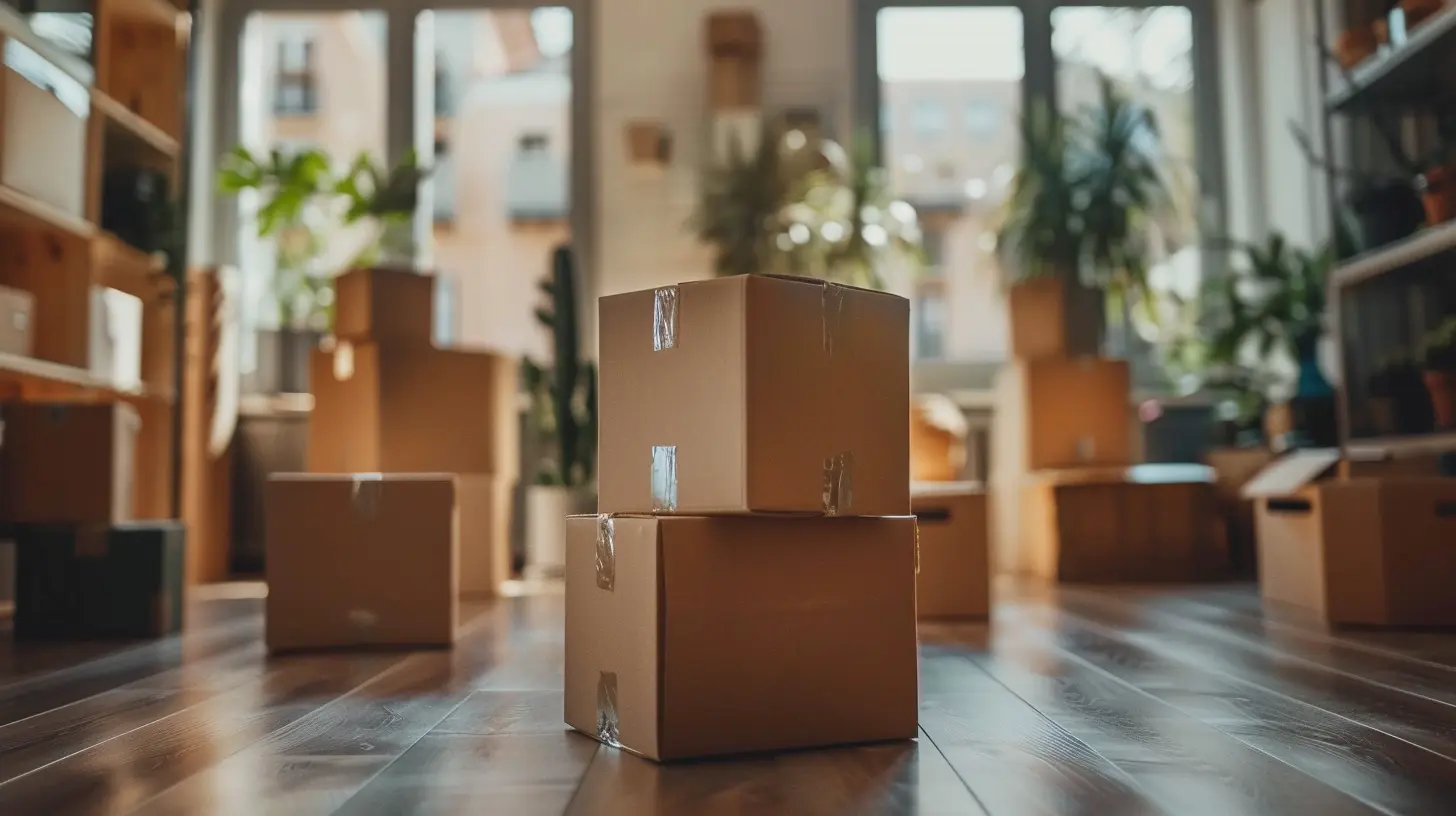
So… What Should You Expect in a Move-in Ready New Construction Home?
Let’s break it down into the must-haves, nice-to-haves, and the often-forgotten details.1. ✅ Complete Structural Work
This one seems obvious, but you'd be surprised how many builders list homes as move-in ready while finishing up “minor” structural touches.- Foundation: poured and cured properly.
- Framing: done, inspected, and secure.
- Roofing: installed and weather-tight.
- Drywall and Insulation: up and painted.
Basically, you shouldn’t be hearing saws buzzing in the next room.
2. ? Functional Plumbing and Electrical Systems
Would you want to move into a house with only one working outlet or a bathroom that’s still missing a toilet?Move-in ready should mean:
- Running water in kitchens and bathrooms.
- All light switches, fixtures, outlets, and wiring installed.
- A functioning HVAC system (because sweating through summer isn’t cute).
Test them. Don’t hesitate to bring a phone charger and plug it into a few outlets. Turn on the taps, flush the toilets—this move-in test drive is your right.
3. ?️ Completed Interior Finishes
Here’s where it starts feeling like a home.A true move-in ready new construction home should include:
- Flooring installed throughout (carpet, tile, hardwood—whatever was promised).
- Painted walls and ceilings.
- Trim and molding completed.
- Doors hung and hardware installed.
- Kitchen cabinets and countertops in place.
- Appliances installed and working (yep, that includes the refrigerator, oven, microwave—even the dishwasher).
You want to walk into a home and feel like you could plop down on the couch that same day.
4. ? Exterior Work Done
Even if the inside looks like a Pinterest dream, don’t forget to step outside.A move-in ready home should also have:
- A finished driveway and walkways.
- Exterior siding, painting, and roofing completed.
- Yard graded for drainage (to avoid water pooling).
- Basic landscaping (think grass sod or seed, maybe a few plants depending on the builder).
Sure, you can DIY that flower bed later, but the foundation of outdoor living should already be laid out.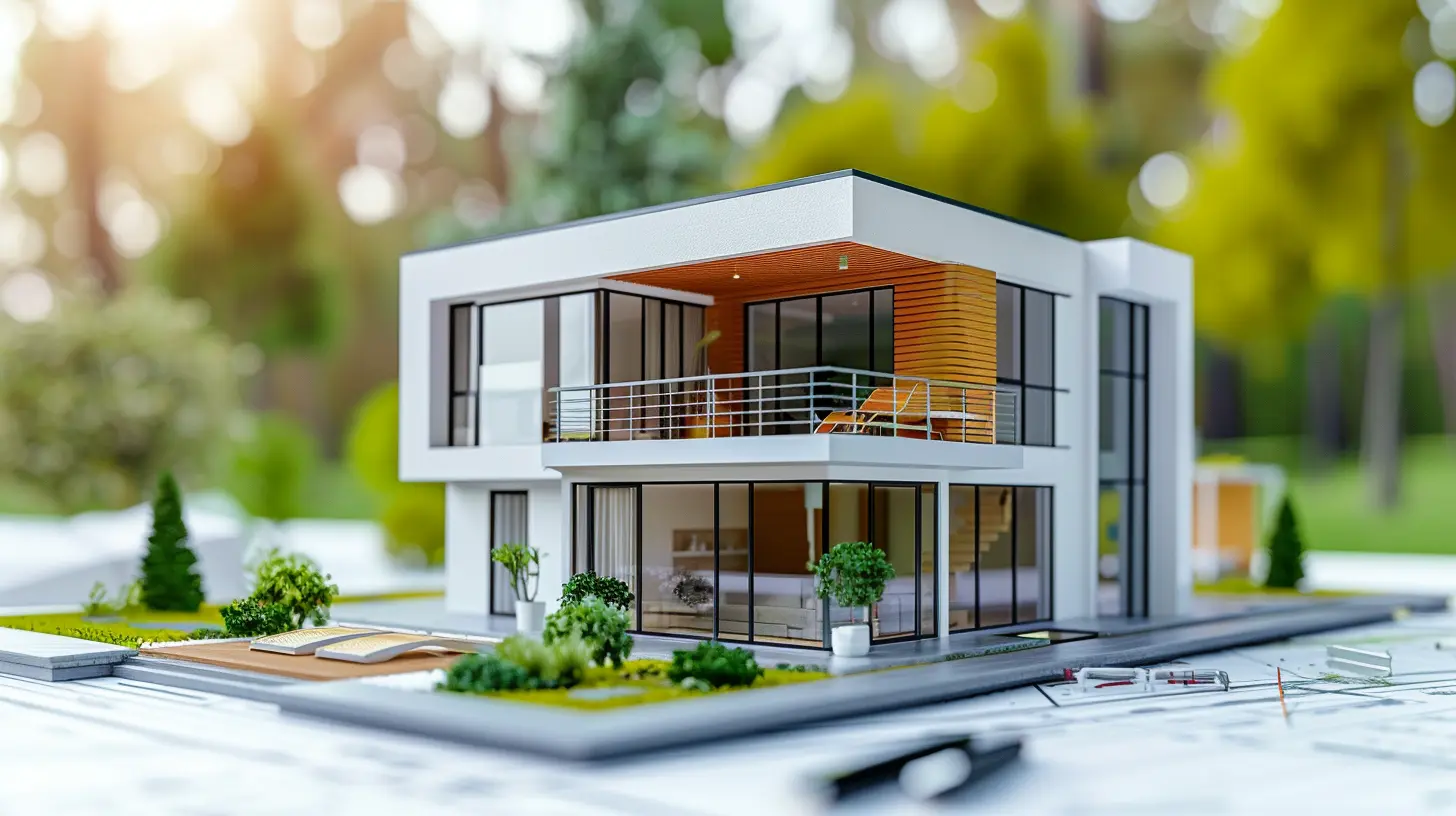
What’s Often Missing in "Move-in Ready" New Homes?
Now let’s talk about the fine print and the gray areas. Builders might check all the major boxes, but there are some details they might skip over—intentionally or not.1. ? Window Coverings
Yup, you might have gorgeous windows… but privacy? Not so much.Most move-in ready new construction homes don’t come with window blinds, curtains, or shades. That’s on you.
2. ? Washer and Dryer
These may or may not be included depending on the builder and the package you chose. Always double-check. Showing up with laundry and no machines? Awkward.3. ? Backyard Landscaping
The front yard might be landscaped enough for curb appeal, but the backyard? It could be a blank dirt canvas.Fencing, patios, or sod might be considered upgrades or your future weekend project.
4. ? Garage Finishing
Some builders leave garages unfinished—no drywall, no paint, maybe a bare lightbulb dangling from the ceiling. Technically functional? Yes. But definitely not cozy or storage-friendly right away.
The Importance of the Final Walkthrough
Got a move-in date on the calendar? Great. Don’t skip the final walkthrough.This is your chance to go through the home with a fine-tooth comb. Inspections from city officials might confirm the house is up to code, but your walkthrough ensures it’s livable by your standards.
Here’s what to bring along:
- A checklist of agreed-upon features and finishes
- A flashlight (to check nooks and crannies)
- A phone charger to test outlets
- A marble or golf ball (yep—for testing floor levelness)
Walk into every room, open every cabinet, flush every toilet. You’re not being picky—you’re making sure the reality matches the promise.
Move-in Ready vs. Quick Move-in: Know the Difference
These two terms often get mixed up but aren’t exactly the same.- Move-in Ready: The home is complete and ready to occupy today.
- Quick Move-in: The home is still under construction but will be ready soon.
If you’re on a tight timeline or hate surprises, always confirm whether "quick" means a few days or a few months.
Hidden Costs to Be Aware Of
Buying a move-in ready home doesn’t mean every dime is accounted for. There might be a few hidden costs lurking outside the builder’s upfront price.Here’s what could sneak up on you:
- HOA fees kicking in right away.
- Window treatments, garage shelving, backyard landscaping.
- Utility deposits (gas, electric, water, internet).
- Appliance upgrades if some weren’t included.
Budgeting for these ahead of time can save you a lot of post-move stress.
Questions to Ask Your Builder Before Closing
Not quite sure what you’re walking into? Ask. Ask a lot.Here are some solid questions to shoot off:
1. What exactly is included in the base price?
2. Are there any incomplete items or touch-ups pending?
3. Does the home come with a warranty? What does it cover?
4. Is landscaping included in the front and back yard?
5. Are all appliances included? Which ones?
6. Has the home passed final inspection and received occupancy certification?
Don’t assume anything. If it’s not in writing, it may not happen.
The Pros and Cons of Move-in Ready New Builds
Every rose has its thorns, right?Here’s a quick pros and cons list to keep your expectations in check.
Pros:
- No waiting for construction timelines to drag on.- All new materials, appliances, and systems (read: fewer repairs).
- Fixed pricing—no budget creep like with a custom build.
- Energy-efficient modern standards.
- You can settle in right away.
Cons:
- Limited ability to customize finishes or layouts.- Might pay a premium for immediate availability.
- Backyard or garage may need extra investment.
- Less flexibility in neighborhood location or lot choices.
Final Thoughts
Buying a new construction home that’s move-in ready is like checking into a hotel with your name on the deed. Everything should be fresh, functional, and just waiting for you to arrive. But don’t get blindsided by the bright lights and fancy fixtures.Take time to dig into what's truly included—and what still needs finishing touches. Whether you’re bringing in a U-Haul tomorrow or still finalizing the paperwork, understanding what really makes a new construction home move-in ready can save you from extra costs and unexpected delays.
So, before you say yes to the address, do your homework, ask questions, and take one last good look—or two.
Happy moving!
all images in this post were generated using AI tools
Category:
New ConstructionAuthor:

Mateo Hines
Discussion
rate this article
1 comments
Landon McRae
A move-in ready new construction home should feature quality finishes, updated appliances, and necessary inspections completed. Attention to detail in construction, a clean environment, and landscaping can enhance appeal. Buyers appreciate a seamless transition into a home that feels polished and welcoming.
July 13, 2026 at 12:28 PM
Mateo Hines
You nailed it. Quality finishes and attention to detail make all the difference in a new construction home. A polished environment truly sets the stage for a welcoming transition.