Why Energy-Efficient Homes Appeal to Remote Workers
4 November 2026
The rise of remote work has fundamentally changed the way many people view their living spaces. With more professionals choosing to work from home, the appeal of energy-efficient homes has surged. These homes not only lower utility bills and carbon footprints, but they also create healthier and more comfortable living environments. In this article, we will explore why energy-efficient homes are particularly appealing to remote workers, examining the specific benefits, practical considerations, and common misconceptions.
The Remote Work Revolution
The shift to remote work has been accelerated by technology and the global pandemic, making it a permanent option for many employees. This transition has led to an increased emphasis on home environments that promote productivity and well-being. Remote workers are no longer tied to urban centers or long commutes, allowing them to choose homes that align with their lifestyles and values.The Ideal Home Office Environment
One of the core challenges for remote workers is creating an ideal home office environment. Energy-efficient homes often feature ample natural light, good insulation, and advanced heating and cooling systems, all of which contribute to a conducive workspace. Here are some ways energy efficiency enhances the home office experience:- Natural Lighting: Homes designed with energy efficiency in mind often use large windows and strategic layouts to maximize natural light. This can boost mood and productivity, making it easier to concentrate on work tasks.
- Temperature Control: Energy-efficient homes generally include superior insulation and energy-efficient HVAC systems that maintain comfortable temperatures. A stable, comfortable environment reduces distractions, allowing remote workers to focus better.
- Air Quality: Many energy-efficient homes incorporate advanced ventilation systems that help maintain optimal indoor air quality. This is crucial for remote workers who spend long hours in their home offices.
Financial Incentives
Investing in an energy-efficient home may seem daunting due to higher upfront costs, but the long-term financial benefits often outweigh initial investments. Here's how:Reduced Utility Bills
Lower monthly energy bills are one of the most immediate benefits of energy-efficient homes. According to the U.S. Department of Energy, energy-efficient homes can save homeowners 10 to 50 percent on energy costs. Remote workers, who are at home throughout the day, stand to gain significantly from these savings.Tax Credits and Incentives
Many local and federal programs offer incentives for purchasing energy-efficient homes or retrofitting existing homes. Homebuyers can benefit from tax credits, rebates, and grants that can help offset costs. Remote workers should research these programs, as they can make energy-efficient options more financially feasible.Increased Property Value
Energy efficiency can enhance property value. Homes that meet energy-efficient standards often sell for more than comparable homes without these features. This is particularly relevant in markets where buyers are increasingly aware of sustainability issues. Remote workers considering a future move may find that energy-efficient homes offer a more valuable investment.
Health and Well-Being
Beyond financial considerations, the health implications of energy-efficient homes are significant. Remote workers spend much of their time at home, making a healthy living environment essential.Improved Comfort
Energy-efficient homes are designed to provide consistent temperatures and humidity levels. This can lead to improved comfort, helping remote workers maintain focus and productivity.Better Indoor Air Quality
Many energy-efficient homes feature advanced filtration systems that significantly reduce indoor pollutants and allergens. For remote workers with sensitivities or respiratory issues, this improvement can lead to better health and enhanced work performance.Noise Reduction
Energy-efficient homes often include better insulation, which can also reduce outside noise. This is particularly beneficial for remote workers who require quiet to concentrate. A peaceful environment can make a significant difference in productivity.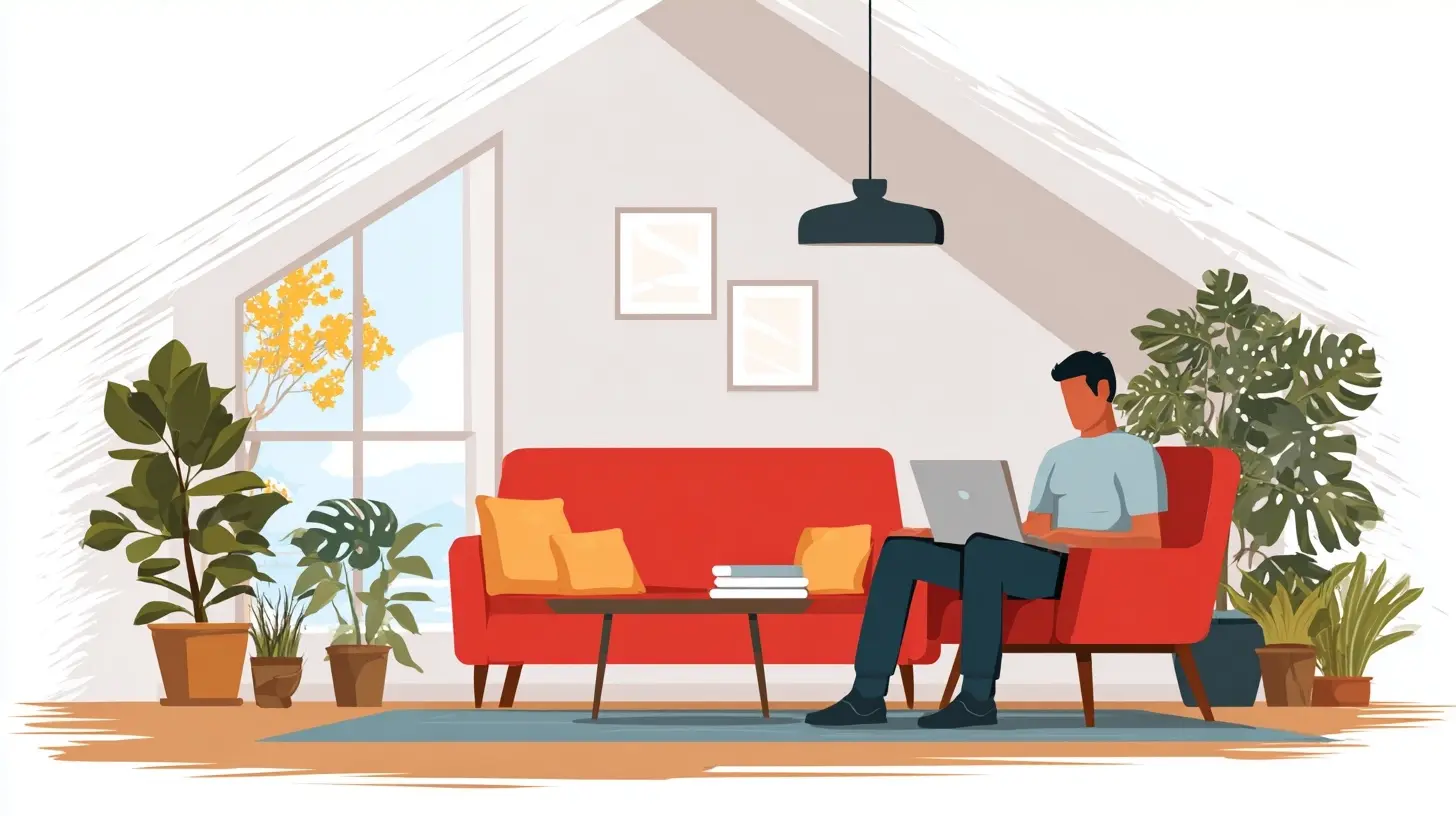
Flexibility in Location
With remote work, location becomes less of a constraint. Many remote workers are seeking homes in suburban or rural areas, where energy-efficient options might be more plentiful and affordable.Lifestyle Choices
Choosing to live in areas with energy-efficient homes allows remote workers to create a lifestyle that aligns with their values. Many are looking for communities that prioritize sustainability, which often translates to cleaner air, less traffic, and a greater sense of community.Access to Nature
Homes that are energy-efficient often incorporate eco-friendly designs that harmonize with their surroundings, providing access to outdoor spaces. This connection to nature can be rejuvenating for remote workers, offering a mental break from screens and enabling a healthier work-life balance.Common Misconceptions
Despite the clear benefits, there are some misconceptions about energy-efficient homes that may deter remote workers from considering them.Higher Upfront Costs
While it's true that energy-efficient homes can have higher upfront costs, this doesn't account for the long-term savings on utility bills and maintenance. Remote workers should consider total cost of ownership rather than just initial investment.Limited Options
Many believe that energy-efficient homes are limited in design and style. In reality, there are a variety of designs available, from modern to traditional. Remote workers can find homes that fit their aesthetic preferences while still being energy efficient.Complexity of Features
Some remote workers may feel intimidated by the technical aspects of energy-efficient homes. However, many builders and real estate professionals are knowledgeable about these features and can provide guidance.
Practical Advice for Remote Workers
When considering the purchase or rental of an energy-efficient home, remote workers should keep several practical tips in mind.Research Local Housing Markets
Understanding local housing markets is crucial. Remote workers should look for areas with a strong inventory of energy-efficient homes and research any local incentives available.Prioritize Features
Not all energy-efficient homes are created equal. Remote workers should prioritize features that matter most to them, such as insulation quality, window efficiency, and HVAC systems. A home that meets their specific needs can significantly enhance their remote work experience.Evaluate the Home's Energy Score
Many homes now come with an energy score, often based on the Home Energy Rating System (HERS) or similar metrics. This score can provide valuable insight into the home's energy efficiency and can guide buyers in making informed decisions.Consider Future Needs
Remote work may evolve, and so might personal and professional needs. It's wise to consider whether the energy-efficient home will still be suitable in the future. Features like extra space for a growing family or a flexible room for varied uses can be beneficial down the line.Conclusion
Energy-efficient homes offer numerous advantages for remote workers, from financial savings to improved health and well-being. As remote work continues to shape the real estate landscape, the appeal of these homes will only grow. By understanding the benefits, addressing misconceptions, and making well-informed choices, remote workers can find spaces that truly enhance their work and life balance.
all images in this post were generated using AI tools
Category:
Home Energy EfficiencyAuthor:

Mateo Hines