A Comprehensive Guide to Virtual Staging for First-Time Sellers
24 August 2026
So, you’ve decided to sell your home for the first time—congrats! That’s a huge milestone. Now comes the fun (read: slightly stressful) part—prepping your home to make buyers fall in love at first sight. But what if your living room doesn’t scream “dream home”? Or maybe you’ve already moved out, and the place looks more like an echo chamber than a cozy sanctuary?
Don't worry. This is where virtual staging steps in like a digital superhero.
In this comprehensive guide, we're diving into everything you need to know about virtual staging, especially if this is your first rodeo in the real estate market. By the end, you'll feel like a pro ready to make the most of this powerful—and surprisingly affordable—tool.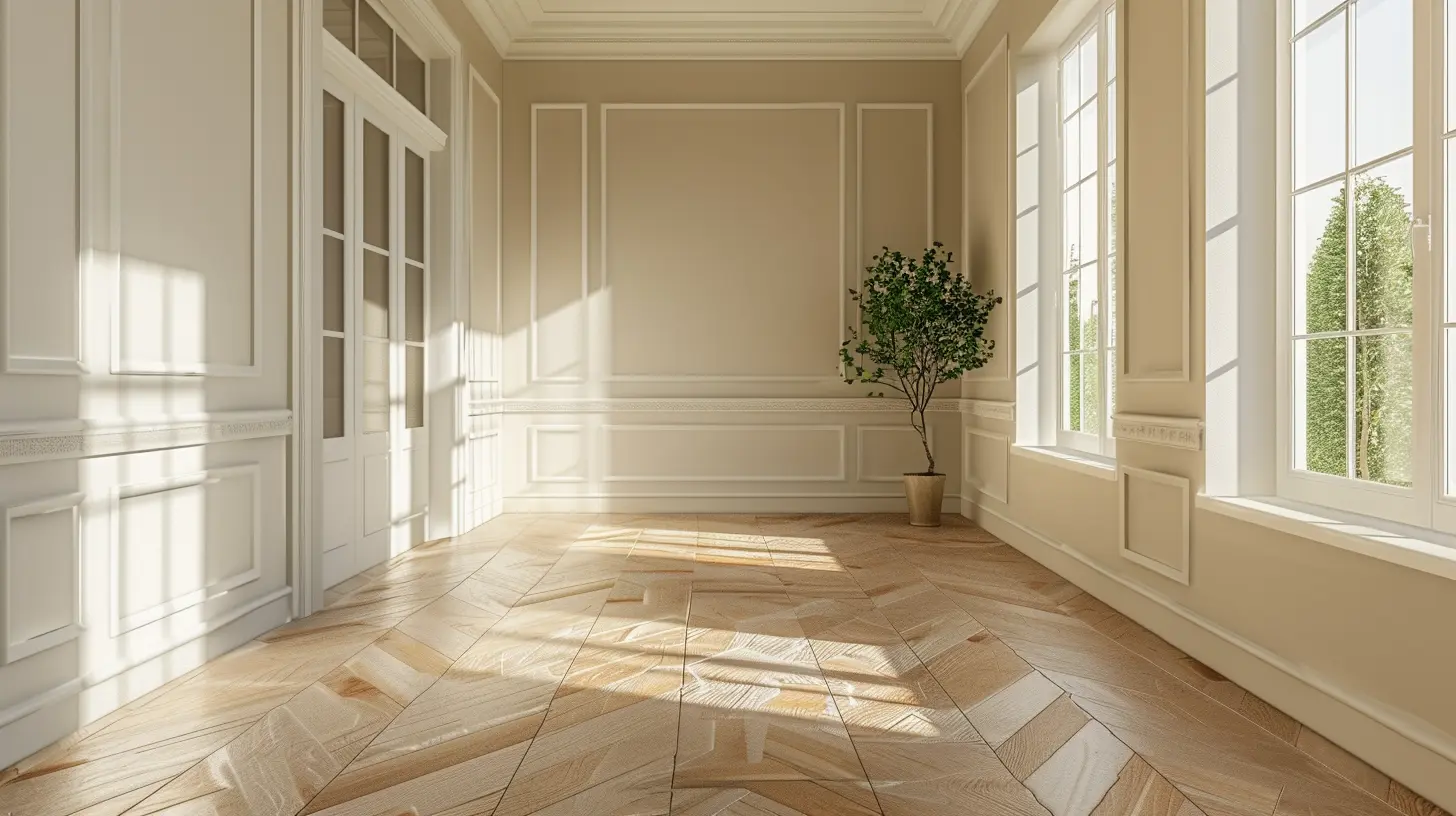
What Is Virtual Staging, Anyway?
Let’s start with the basics. Virtual staging is the process of using photo-editing software to digitally furnish and decorate photos of empty or outdated rooms. Instead of hiring professional stagers to haul in actual furniture, designers add super-realistic-looking couches, rugs, art, and more—entirely through a screen.Think of it as interior decorating… but without the IKEA runs and heavy lifting.
Virtual vs. Traditional Staging: What's the Difference?
Here’s a quick comparison to help you visualize:| Feature | Traditional Staging | Virtual Staging |
|--------|----------------------|-----------------|
| Cost | $$$ (thousands) | $ (hundreds or less) |
| Setup Time | Several days | A few hours to a couple of days |
| Flexibility | Limited inventory | Unlimited decor styles |
| Physical Furniture? | Yes | Nope, all digital |
| Ideal for | High-end listings | All listings, especially vacant homes |
If you're selling your home for the first time and want to keep costs low while maximizing appeal, virtual staging is your new best friend.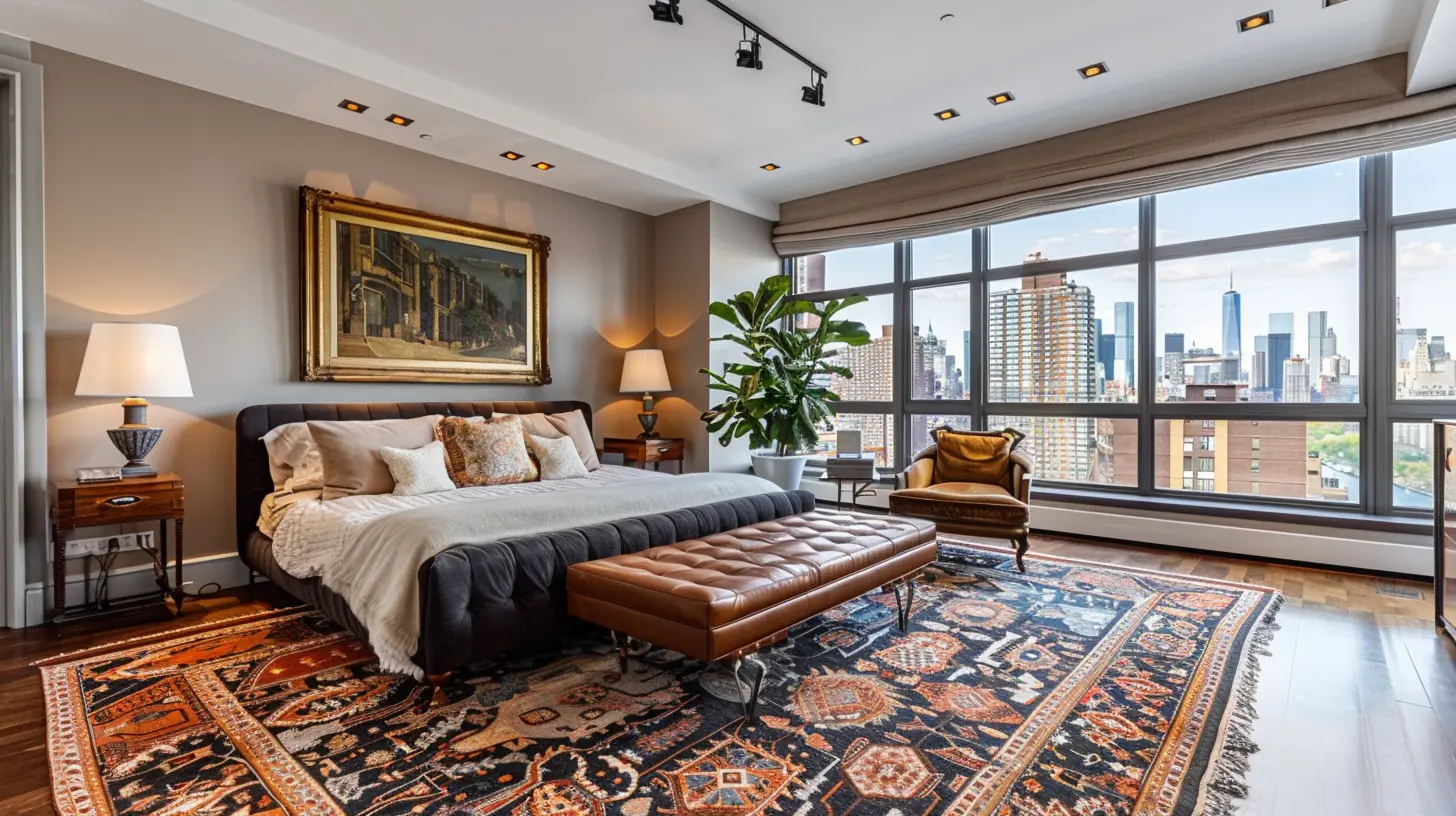
Why First-Time Sellers Should Seriously Consider Virtual Staging
Let’s be real—selling your home is both exciting and nerve-wracking. You want it to sell fast and at the best price possible. Here’s how virtual staging helps make that happen.1. It Makes Listings Scroll-Stopping
Online photos are the new curb appeal. Most buyers browse homes online before they even think about setting up a showing. If your listing photos look bland or empty, they’ll get scrolled past faster than you can say “pending offer.”Virtual staging transforms dull, vacant rooms into warm, inviting spaces that help buyers visualize themselves living there. And when they can picture themselves living there? Boom. You’re in business.
2. It’s Budget-Friendly Without Looking Cheap
Hiring a professional stager can cost you anywhere from $2,000 to $5,000—ouch. That’s a hefty chunk of change, especially when you’re already dealing with moving costs, agent commissions, and maybe even buying your next place.Virtual staging, on the other hand, costs a fraction of that. We’re talking around $30–$100 per photo. That means you can stage multiple rooms and styles without breaking the bank.
3. It Highlights Potential, Not Flaws
If your home has an awkward layout, outdated features, or let's admit it—less-than-ideal furniture—virtual staging can fix all that in post.You can show buyers a vision of what your space could be, rather than what it currently is. That vision has the power to change how buyers feel about your home, which can directly influence how much they’re willing to pay.
How Does Virtual Staging Work?
If you’re picturing someone Photoshopping a couch into your living room—well, you’re not totally wrong. But there's a bit more to it than that.Step 1: Take High-Quality Photos
First, you’ll need clear, high-resolution images of each room. Natural lighting is your best friend here. Try to take photos during the day with the blinds open and lights on.Pro tip: Even though the furniture will be added digitally, clean and declutter your space first. No one wants to see dust bunnies on the floor or cords hanging from the ceiling.
Step 2: Choose a Virtual Staging Service
There are loads of companies offering virtual staging services—BoxBrownie, roOomy, PadStyler, and more. Shop around. Check reviews. Ask to see sample work.Some services let you pick styles—like modern, farmhouse, or minimalist—so you can tailor the look to your target buyer.
Step 3: Review and Approve
Once the images are staged, you’ll receive previews to approve. You can usually request edits if something looks off or you want to try a different look.Step 4: Upload to Your Listing
Your agent will then upload the virtually staged images to your online listing. Many agents include both "before" and "after" photos so buyers can see what’s real and what’s staged.
Is Virtual Staging Ethical? (Spoiler: Yes—If You’re Honest)
Now you might be wondering: Is it shady to use digitally altered images?Good question—and no, it’s not shady as long as you're transparent. In fact, the National Association of REALTORS® says it's totally fine as long as you disclose that the images have been virtually staged.
That means adding a disclaimer in your listing description or watermarking the images with “Virtual Staging” to avoid misleading buyers.
Think of it like wearing makeup on a date—you’re highlighting your best features, not tricking anyone into thinking you’re someone else.
Virtual Staging Mistakes to Avoid
Just because virtual staging is digital doesn’t mean you can phone it in. Here are some common mistakes first-time sellers make—and how to avoid them.1. Over-Staging
Be careful not to clutter the space. Too many pieces or loud colors can distract from the actual room and turn off buyers.Keep it neutral, tasteful, and simple. Your goal is to inspire, not overwhelm.
2. Choosing Unrealistic Furniture
Don’t place a massive sectional in a tiny loft or a king-sized bed in a closet-sized bedroom. The furniture should match the scale of the room and what fits in real life.3. Trying It Yourself (Unless You’re a Pro)
DIY might save a few bucks, but bad virtual staging is worse than no staging at all. Floating furniture, weird shadows, and pixelated images are dead giveaways. Trust us—buyers will cringe.Stick with the pros unless you’ve got mad Photoshop skills.
Tips for Getting the Most Out of Virtual Staging
If you’re investing in virtual staging, you might as well do it right. Here are a few pro tips to help you get the biggest bang for your buck:- Know your buyer: Is your home appealing to young professionals? Families? Retirees? Choose furniture and design styles that match their lifestyles.
- Stage key rooms only: Focus on the living room, kitchen, master bedroom, and maybe a home office. You don’t need to stage every single room.
- Keep it consistent: Use the same design style across all staged photos for a cohesive look.
- Use both versions: Show both the empty photos and the virtually staged ones. This lets buyers see the potential while still getting a feel for the real space.
The ROI of Virtual Staging: Is It Really Worth It?
Let’s talk numbers for a second.According to a report from the National Association of REALTORS®, staged homes sell 73% faster and for up to 5–20% more than non-staged homes. That’s huge.
While traditional staging is also effective, virtual staging allows you to tap into those same benefits without the upfront cost. For first-time sellers, that’s about as close to a no-brainer as you can get.
Final Thoughts: Should You Virtually Stage Your Home?
Short answer? Yes. Long answer? Absolutely yes.Virtual staging offers the perfect mix of affordability, flexibility, and visual appeal—especially for first-time sellers navigating an already tricky world of real estate.
You don’t have to rent furniture or hire a designer. You don’t have to guess whether buyers will like your style. With virtual staging, you let the photos do the heavy lifting—literally and figuratively.
So, if you want your listing to shine in a sea of sameness, show potential instead of problems, and possibly speed up your sale with a better offer in hand—virtual staging is your golden ticket.
Just remember to be upfront about it, use high-quality images, and lean on professionals who know what they’re doing. You got this!
all images in this post were generated using AI tools
Category:
Virtual StagingAuthor:

Mateo Hines
Discussion
rate this article
2 comments
Lindsey Gibson
This article is a fantastic resource for first-time sellers looking to make a great impression with virtual staging. The tips and insights provided will definitely help showcase your property in the best light. Embrace the digital age and watch your listing stand out in today's competitive market!
September 25, 2026 at 3:24 AM
Mateo Hines
Thank you for your kind words! I'm glad you found the tips helpful for making a strong impression. Good luck with your listing!
Arlo McCarron
Virtual staging can transform empty spaces, helping buyers envision their future home more clearly.
September 9, 2026 at 10:35 AM