Adapting Virtual Staging Trends from 2027 for Your Home
14 September 2026
Virtual staging has moved a long way from the days when a listing photo showed a sofa that looked like it was floating two inches above the carpet. Today it is a standard part of how homes get marketed, and by 2027 the tools and expectations around it will have shifted again. If you are planning to sell, or if you work with sellers, understanding where this is heading matters more than chasing whatever filter is popular this month.
This article is not a prediction piece built on hype. It is a practical guide to the trends that are already forming and what they will mean for real homes, real budgets, and real buyers. I will walk through what is changing, why it works, when it can backfire, and how to adapt each trend to your specific situation.
Why 2027 Trends Matter to You Now
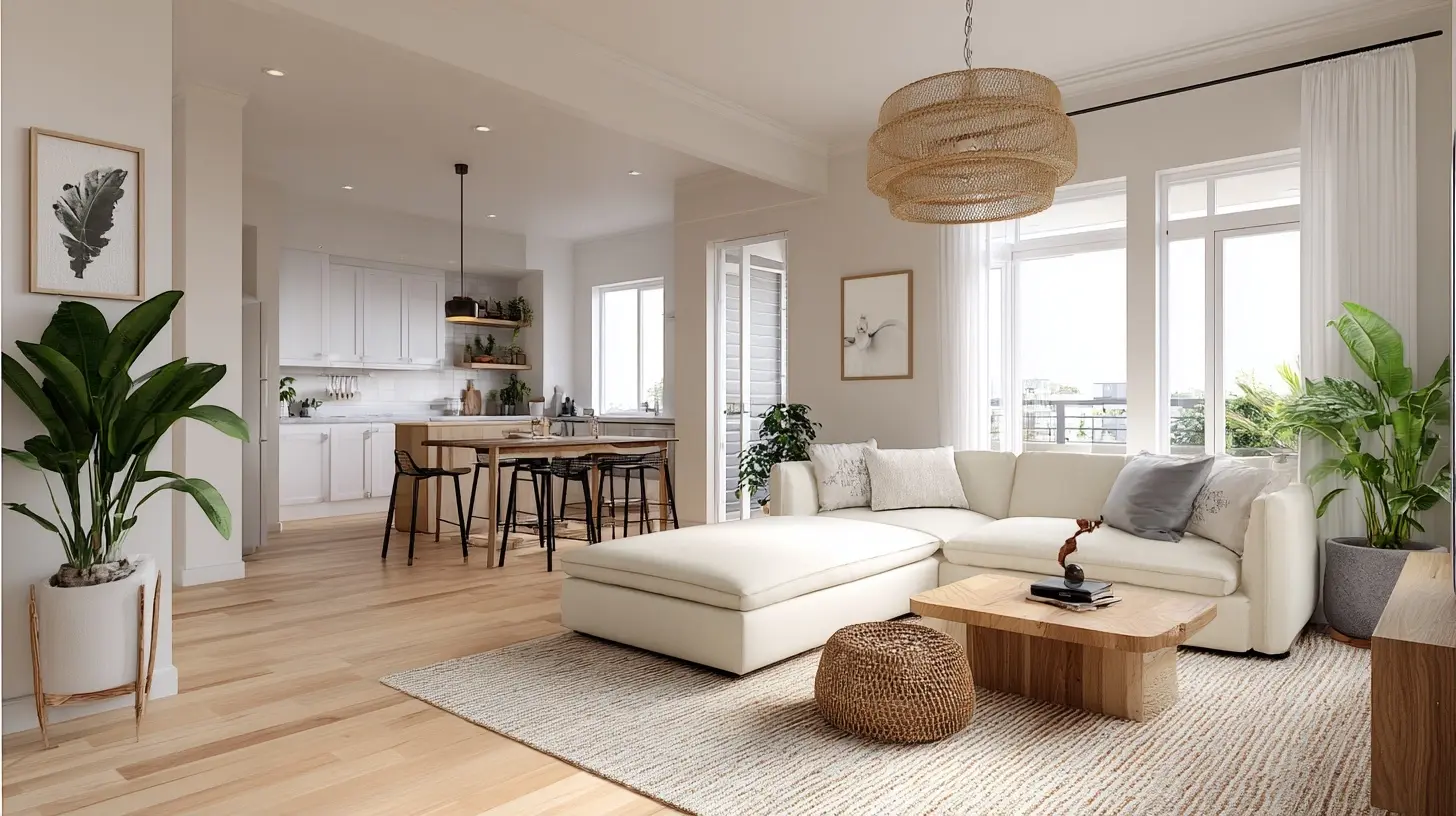
Most sellers assume virtual staging is a single decision: stage or do not stage. In reality it is a series of decisions about how much to stage, which rooms to touch, how realistic to make it, and how to disclose it. The trends shaping 2027 are really shifts in those decisions.Three forces are driving the change.
First, buyer skepticism has grown. After years of heavily edited listing photos, buyers have learned to spot the difference between a genuinely furnished room and a digitally inserted one. That skepticism does not mean they reject virtual staging. It means they reward honesty and punish obvious fakery.
Second, the technology has become cheap and fast. What once required a specialist and a week now takes minutes and costs very little. That accessibility cuts both ways: it makes staging available to more homes, and it floods the market with low-quality work that hurts everyone's trust.
Third, the way buyers browse has changed. More buyers now walk through a home digitally before they ever book a showing. The first impression is often a screen, not a doorstep. That raises the stakes on every image.
Understanding these forces helps you separate trends that will last from gimmicks that will fade.
The Core Shift: From Decoration to Decision Support
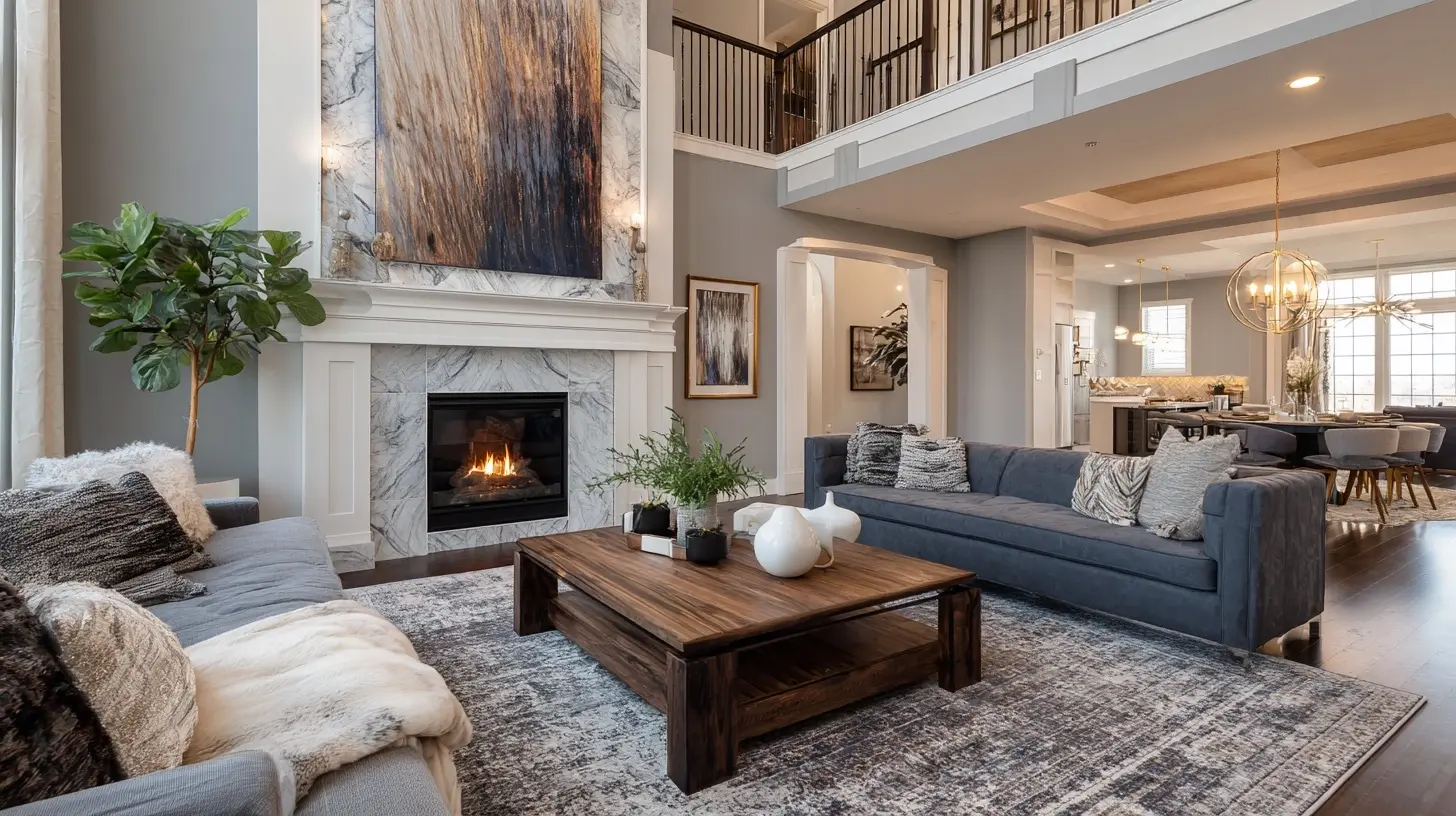
The biggest trend is not a style of furniture. It is a change in purpose.Early virtual staging tried to make empty rooms look pretty. The 2027 approach treats staging as decision support. The goal is to help a buyer answer specific questions: Will my couch fit here? Is this room big enough for a dining table? Can I picture my life in this space?
This shift changes everything about how you stage. A pretty room that leaves the buyer guessing about scale has failed. A slightly plain room that clearly shows a queen bed, two nightstands, and walking space has succeeded.
What this means in practice
- Show scale references. Include objects with known sizes, like a standard dining table or a king bed, so buyers can judge the room.- Keep sightlines open. Do not fill every corner. Empty space communicates size better than clutter.
- Match the room to its most likely use. If a small third bedroom works best as an office, stage it as an office, not a cramped guest room.
The reason this works is simple. Buyers are not buying furniture. They are buying a floor plan and a feeling. Virtual staging that supports the floor plan removes doubt. Staging that only decorates adds doubt because it hides the room behind stuff.
Trend One: Hyper-Realistic Rendering With Honest Limits
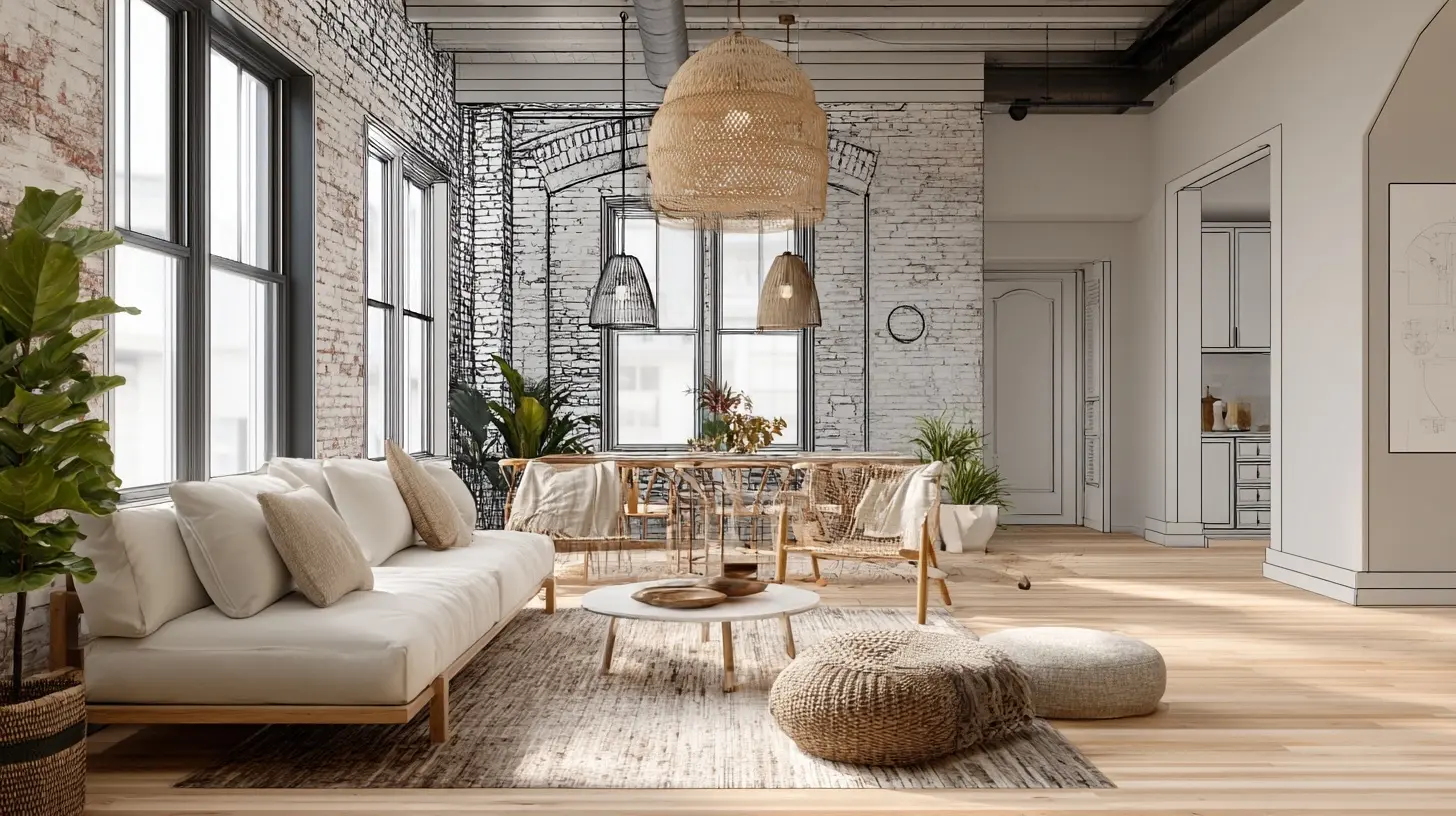
By 2027, the best virtual staging will be nearly indistinguishable from real photography, but the smartest practitioners will deliberately hold back from perfect realism in one specific way: they will keep the staging clearly labeled.This sounds contradictory, so let me explain. The realism applies to lighting, shadows, and materials. A rendered oak floor should reflect light the way real oak does. A linen sofa should have the right texture. This realism helps buyers trust what they see.
The honesty applies to disclosure. Every staged image should carry a clear note that the furniture is virtual. This is not just an ethical choice. It is a legal one in many markets, and it is a trust-building one everywhere.
Why some sellers resist this
Some sellers worry that labeling virtual staging will make buyers dismiss the photos. In my experience the opposite is true. Buyers who know a room is virtually staged look at it differently. They focus on the space rather than the decor. They feel respected rather than tricked.The risk of not disclosing is real. If a buyer arrives at a showing expecting a furnished home and finds an empty one, the gap between expectation and reality creates disappointment that colors everything else they see. That disappointment can cost you a sale, and in some regions it can create legal exposure.
When to use full realism
Full photo-real rendering works best for higher-priced homes where buyers expect polish and where the photography itself is high quality. In those listings, a poorly rendered image stands out as cheap.When to dial it back
For modest homes and fast-moving markets, a clean, slightly simplified rendering often works better. It reads as a helpful illustration rather than a promise. It also costs less to produce, which matters when margins are tight.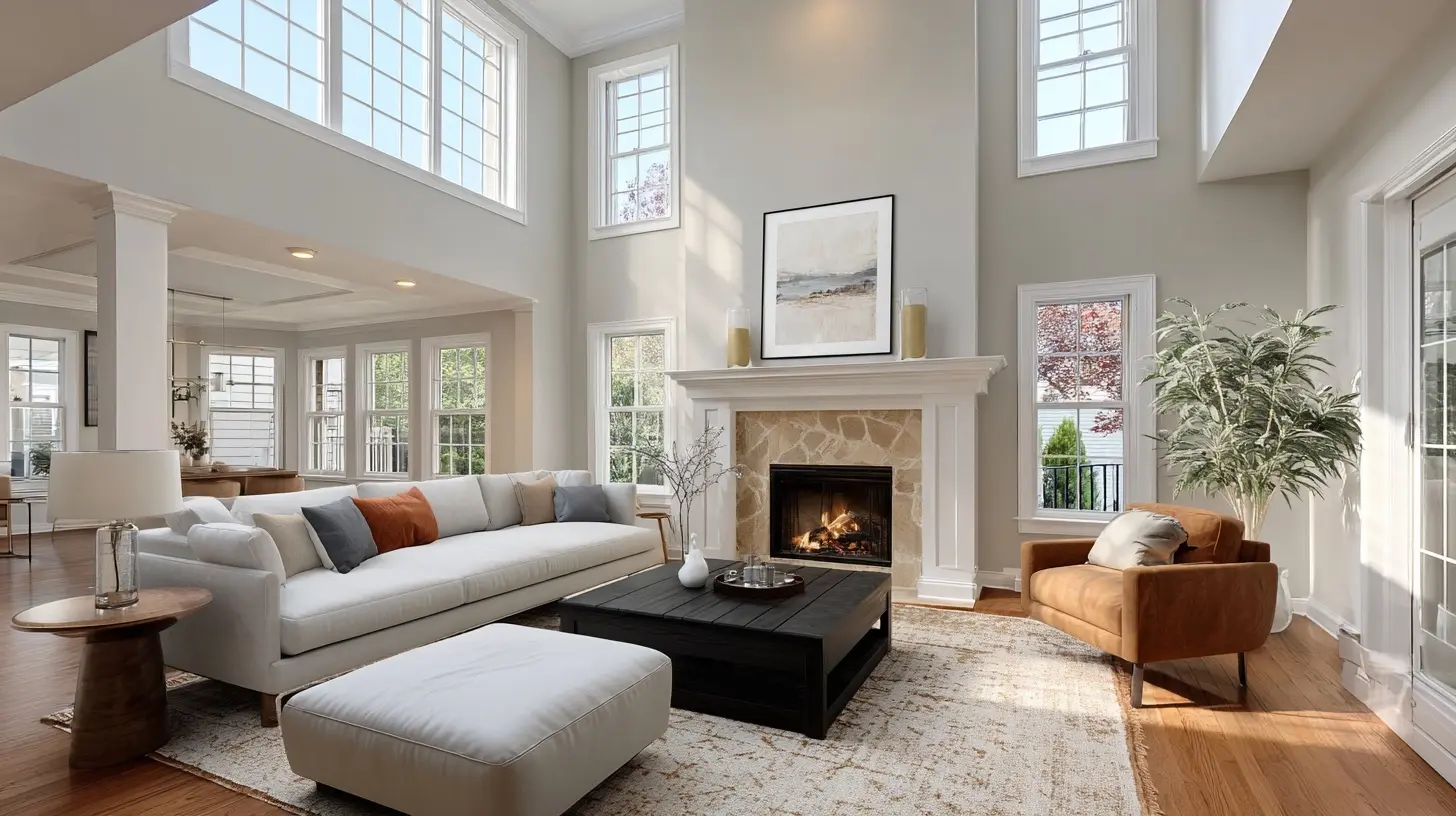
Trend Two: Room-Specific Staging Instead of Whole-House Staging
The old approach staged every room. The 2027 approach stages the rooms that sell the home and leaves the rest honest.Think about which rooms actually move a buyer. Usually it is the living room, the primary bedroom, and the kitchen or main gathering space. Secondary bedrooms, laundry rooms, and hallways rarely change a buyer's mind. Staging them adds cost and can even hurt by making a small home feel crowded.
A practical framework
Ask three questions for each room:1. Does this room have a clear purpose that a buyer might struggle to see?
2. Is the room a deciding factor in the purchase?
3. Would an empty photo make the room look smaller or stranger than it is?
If the answer to any of these is yes, stage it. If all three are no, leave it empty or use a simple floor plan overlay instead.
The trade-off
Whole-house staging creates a consistent, magazine-like feel. That consistency can be powerful for luxury listings and for homes photographed as a set. Room-specific staging saves money and keeps the listing honest, but it can look uneven if the empty rooms are photographed poorly. The fix is to photograph empty rooms with good light and wide angles so they still look intentional.Trend Three: The Rise of the Blank Canvas Look
Minimalism has been a staging trend for years, but by 2027 it evolves into something more specific: the blank canvas look. This means staging with fewer, larger, neutral pieces that suggest a lifestyle without imposing one.A blank canvas living room might have a single sofa, a low coffee table, a large rug, and one piece of art. That is it. No clutter, no books, no plants fighting for attention.
Why it works
Buyers project themselves into empty space. The more specific the staging, the harder that projection becomes. A room staged with bold, personal decor says "this is someone else's home." A room staged as a blank canvas says "this could be your home."There is also a practical reason. Neutral, minimal staging photographs well on every screen size, from a phone to a desktop. Busy staging turns into visual noise on a small screen, and most buyers browse on phones.
When it fails
The blank canvas look fails when it tips into coldness. A room with a single white sofa on a bare floor can feel like a showroom rather than a home. The fix is warmth: a textured rug, a soft throw, warm lighting. You want minimal but not sterile.
Trend Four: Climate and Lifestyle Storytelling
Buyers increasingly care about how a home handles heat, cold, light, and daily life. Virtual staging in 2027 reflects this by showing lifestyle details that answer practical questions.Examples include:
- A home office staged with a desk facing a window to show natural light.
- A patio staged with shade, showing how the space works in strong afternoon sun.
- A mudroom staged with hooks and a bench, showing where shoes and bags actually go.
These details are not decoration. They are arguments. They tell the buyer that the home was designed for real life, not just for photos.
The caution
Do not stage features the home does not have. If there is no shade structure on the patio, do not render one. That crosses from staging into misrepresentation. The line is simple: you can stage furniture and decor, but you cannot stage permanent fixtures that do not exist.Trend Five: Interactive and Layered Staging
Static images are giving way to layered experiences. A buyer might see an empty room, then tap to see it staged, then tap again to see a different furniture layout. This is already common in some markets, and by 2027 it will be expected in competitive price ranges.Why this helps
Different buyers want different things from the same room. One buyer sees a home office. Another sees a nursery. Layered staging lets both see their version without you committing to one.The cost and complexity
Interactive staging costs more to produce and requires a platform that supports it. It also demands discipline. If you show three layouts, all three must be realistic and all three must fit the actual dimensions. A layout that only works if the walls move will damage trust.For most sellers, a simpler version works well: one staged image plus a floor plan with dimensions. That combination answers the scale question without the cost of full interactivity.
Trend Six: AI-Assisted Staging With Human Judgment
AI tools now generate staging suggestions quickly. By 2027 they will be embedded in most listing platforms. The trend is not whether to use them. It is how to use them well.AI is good at speed and consistency. It can furnish a room in seconds and match a style across photos. It is bad at judgment. It does not know that the doorway needs clearance, that the radiator cannot be blocked, or that the room's odd corner makes a sectional sofa a bad idea.
The right division of labor
Let AI handle the first pass. Then have a human review every image for three things:1. Does the furniture fit the actual space?
2. Does the lighting match the real room?
3. Does the result look like a home someone could actually live in?
If the answer to any of these is no, fix it or drop it. A single unrealistic image can undermine an entire listing.
Common Mistakes and Misconceptions
Mistake: Staging to hide problems
Virtual staging cannot fix a dark room, a low ceiling, or a bad layout. If you stage a dark room with bright furniture, the room still reads as dark. The better move is to address the problem directly with lighting, paint, or honest photography that shows the room's real character.Mistake: Using the same style for every home
A modern minimalist staging works for a downtown condo. It can feel wrong in a cottage with original wood trim. Match the staging to the home's architecture and neighborhood. Buyers notice when a style fights the house.Misconception: Virtual staging is only for empty homes
Occupied homes benefit too. You can remove clutter digitally, or show a room's potential by adding furniture to a space currently used for storage. The key is to keep the result believable.Misconception: More staging means a higher price
Staging supports a price. It does not create one. A well-staged home in a strong location sells for what the market supports. Staging helps you reach that number faster and with fewer objections. It does not add value that is not there.
How to Choose What Fits Your Home
Not every trend applies to every property. Use this decision process.Step 1: Identify your buyer
A first-time buyer cares about affordability and move-in readiness. A luxury buyer cares about finish and flow. An investor cares about rentability. Each group responds to different staging choices.Step 2: Audit your photos
Look at your current listing photos on a phone. If a room looks confusing or empty in a way that raises questions, stage it. If it already reads clearly, leave it.Step 3: Set a budget and stick to it
Virtual staging is inexpensive compared to physical staging, but costs add up across many rooms and multiple revisions. Decide how many rooms to stage and how many revisions you will allow before you start.Step 4: Review for honesty
Before publishing, ask whether every image represents the home truthfully. If a buyer walked in, would they feel the photos were fair? If not, adjust.What to Watch Beyond 2027
Two developments are worth watching.First, standards for disclosure are likely to tighten. As virtual staging becomes universal, regulators and platforms will push for clearer labels. Sellers who adopt clear disclosure now will be ahead of the curve.
Second, the line between virtual staging and virtual renovation may blur. Tools that show a room with new flooring or a different wall color are already emerging. These are powerful but risky. Showing a renovation that has not happened can mislead buyers about what they are purchasing. Use them as inspiration, not as listing photos, unless the work is actually done.
Final Thoughts
The trends shaping virtual staging in 2027 all point in one direction: honesty that helps buyers decide. Hyper-realism with clear labels. Room-specific staging instead of blanket coverage. Blank canvases that invite projection. Lifestyle details that answer real questions. AI speed with human judgment.None of this requires a big budget. It requires clarity about what you are trying to communicate and respect for the buyer on the other side of the screen. A home that is staged to inform rather than to impress will always outperform one that is staged to deceive.
If you take one thing from this article, let it be this: the best virtual staging does not show a buyer a fantasy. It shows them a clear, believable version of the life they could actually live in your home.
all images in this post were generated using AI tools
Category:
Virtual StagingAuthor:

Mateo Hines