Before and After: Virtual Staging’s Dramatic Impact on Real Estate Listings
12 August 2026
Let’s face it—first impressions matter. Whether it's a job interview, a first date, or in this case, a real estate listing, the way something looks at first glance can make or break it. Buyers scrolling through home listings don’t have the patience to look past empty rooms or cluttered spaces. That’s where virtual staging swoops in like a superhero, cape and all.
In today’s digital-driven real estate world, virtual staging has become more than just a trend—it’s a game-changer. This high-tech twist on traditional home staging helps sellers transform dull or vacant spaces into eye-catching properties that spark buyer interest. But how dramatic is the difference, really? Let’s break it down with a behind-the-scenes look at the “before and after” of virtual staging’s impact on real estate listings.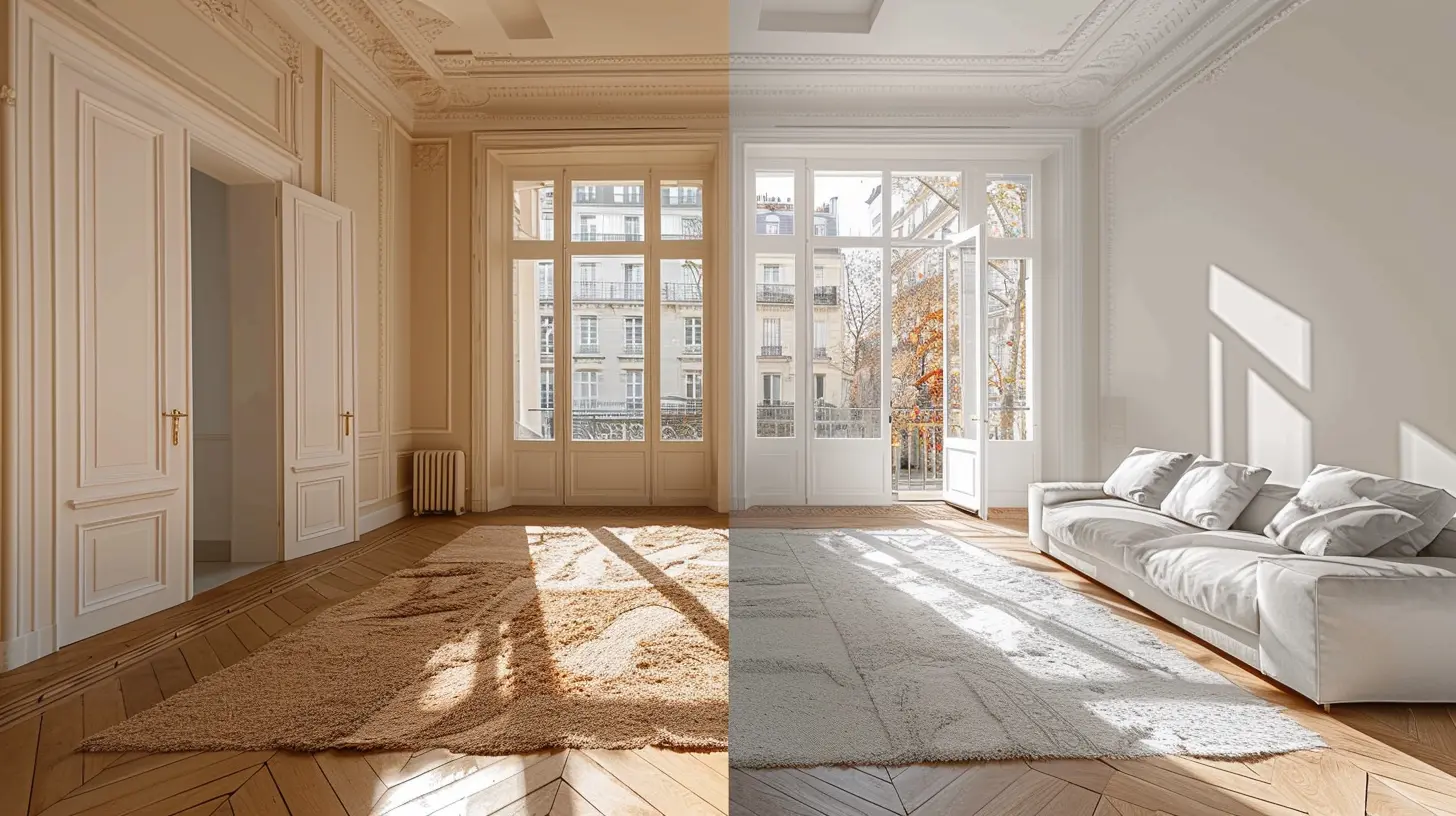
What Is Virtual Staging, Anyway?
Okay, quick refresher. Virtual staging is the process of digitally adding furniture, decor, and design elements to photos of empty or lived-in homes. It uses advanced photo-editing software to showcase the potential of a space without the hassle (and cost) of physically staging it.Imagine taking a plain sandwich and adding some spicy sauce, crispy lettuce, and a perfect fried egg. That’s what virtual staging does to a house—it adds the flavor.
Virtual staging works especially well for vacant properties, where blank walls fail to convey how cozy or functional a space can actually be. Through virtual magic, you can insert modern furniture, trendy light fixtures, plush rugs—you name it. And the best part? No moving trucks, no back-breaking labor, no stress.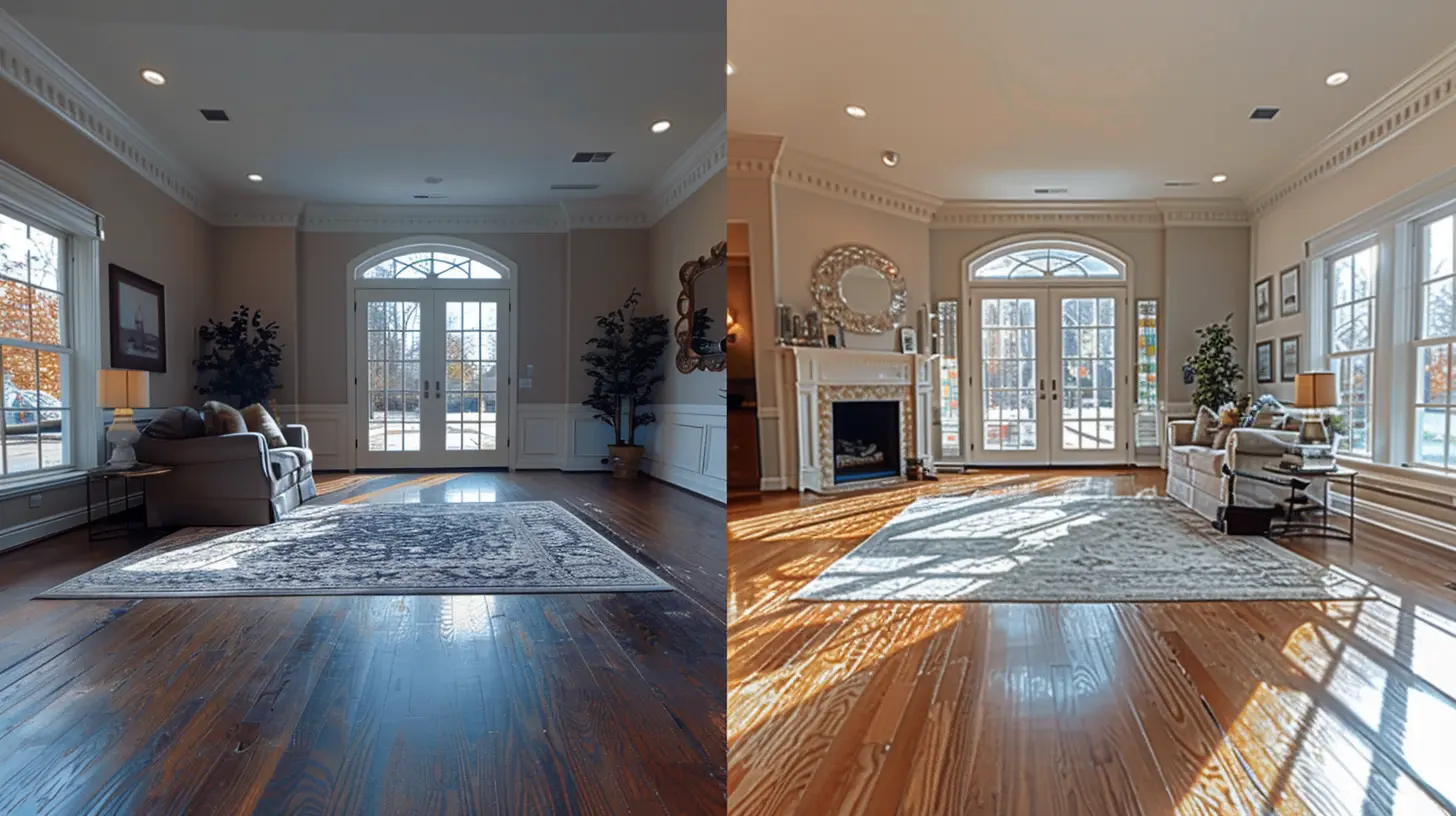
Why Visuals Matter More Than Ever
If a picture is worth a thousand words, then a professionally staged photo might be worth thousands of dollars—or at least a faster sale.In our click-and-scroll world, buyers decide in seconds whether a home deserves a closer look. If your listing photos don’t stand out, chances are they’ll get buried beneath a mountain of more attractive options.
According to the National Association of Realtors (NAR), over 95% of buyers look at homes online before ever stepping foot inside. That means your online photos are doing the heavy lifting. Blurry, dark, or empty photos? That’s like sending your house to a job interview in sweatpants.
Think of your listing photos as the Tinder profile for your home—you want to show it in its best light because you've only got seconds to spark interest.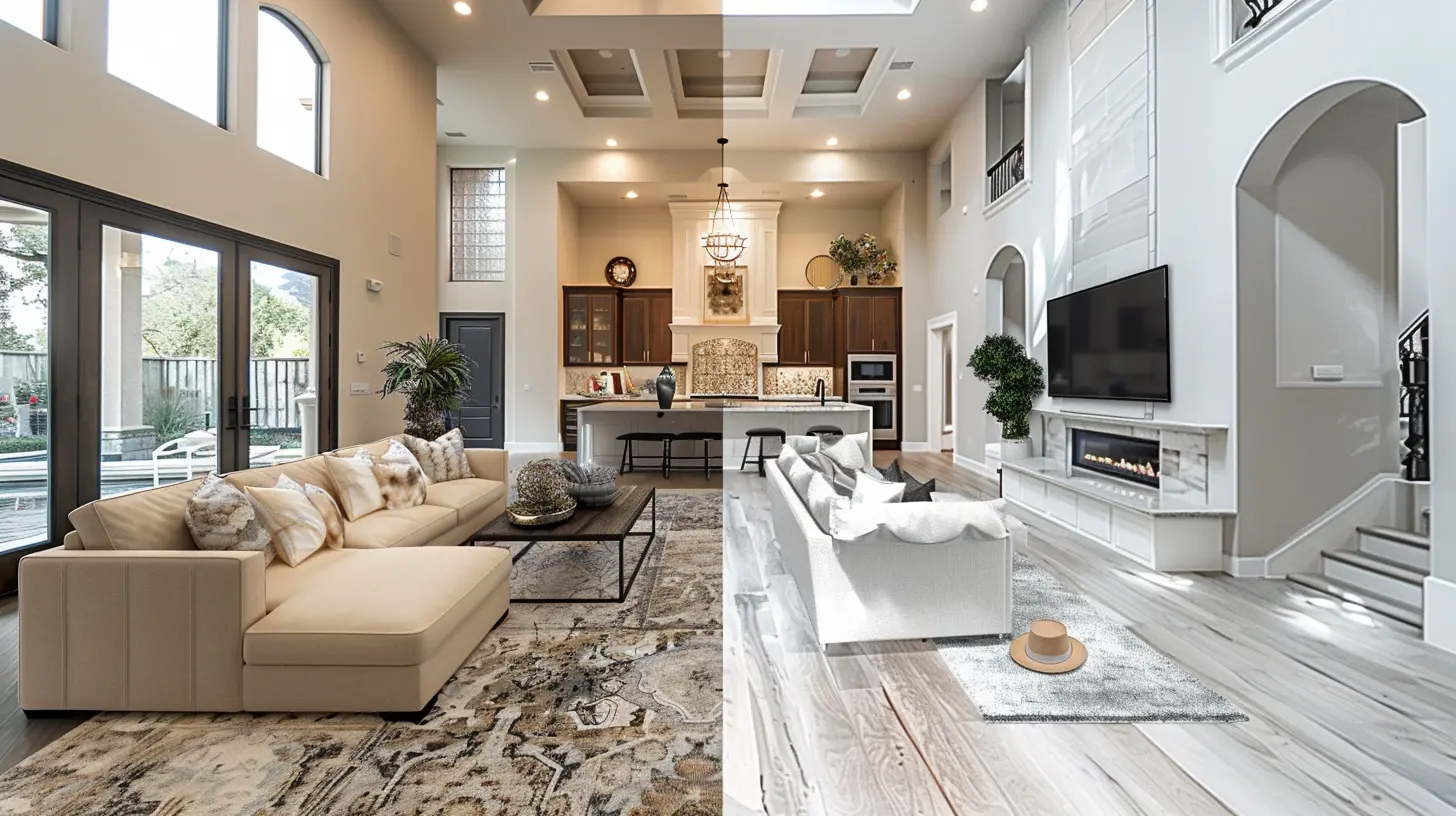
The “Before”: Challenges of Unstaged Listings
Let’s talk about what we’re up against when listings aren’t staged—virtually or otherwise.1. Empty Spaces Feel Cold and Lifeless
An empty room doesn’t just look dull; it feels confusing. Buyers struggle to understand the scale. Is that bedroom too small for a queen bed? Where would the couch even go in that awkward living room?Without visual cues like furniture and layout, buyers are left guessing—and guessing leads to hesitation.
2. Poorly Furnished Homes Can Be Distracting
On the flip side, if a home is occupied but filled with outdated furniture, clutter, or personal décor, it might turn buyers off. What you think is charming could be someone else’s “no thanks.”Virtual staging gives you the opportunity to tone down, modernize, or completely redo the aesthetic without stepping foot into the property.
3. Photos Lack Emotional Connection
Buyers aren’t just shopping for square footage—they’re buying into a lifestyle. An empty room doesn't whisper "cozy family movie nights" or "dinner parties with friends." It says, "Echoes. Lots of echoes."Without that emotional connection, buyers are less likely to picture themselves living there.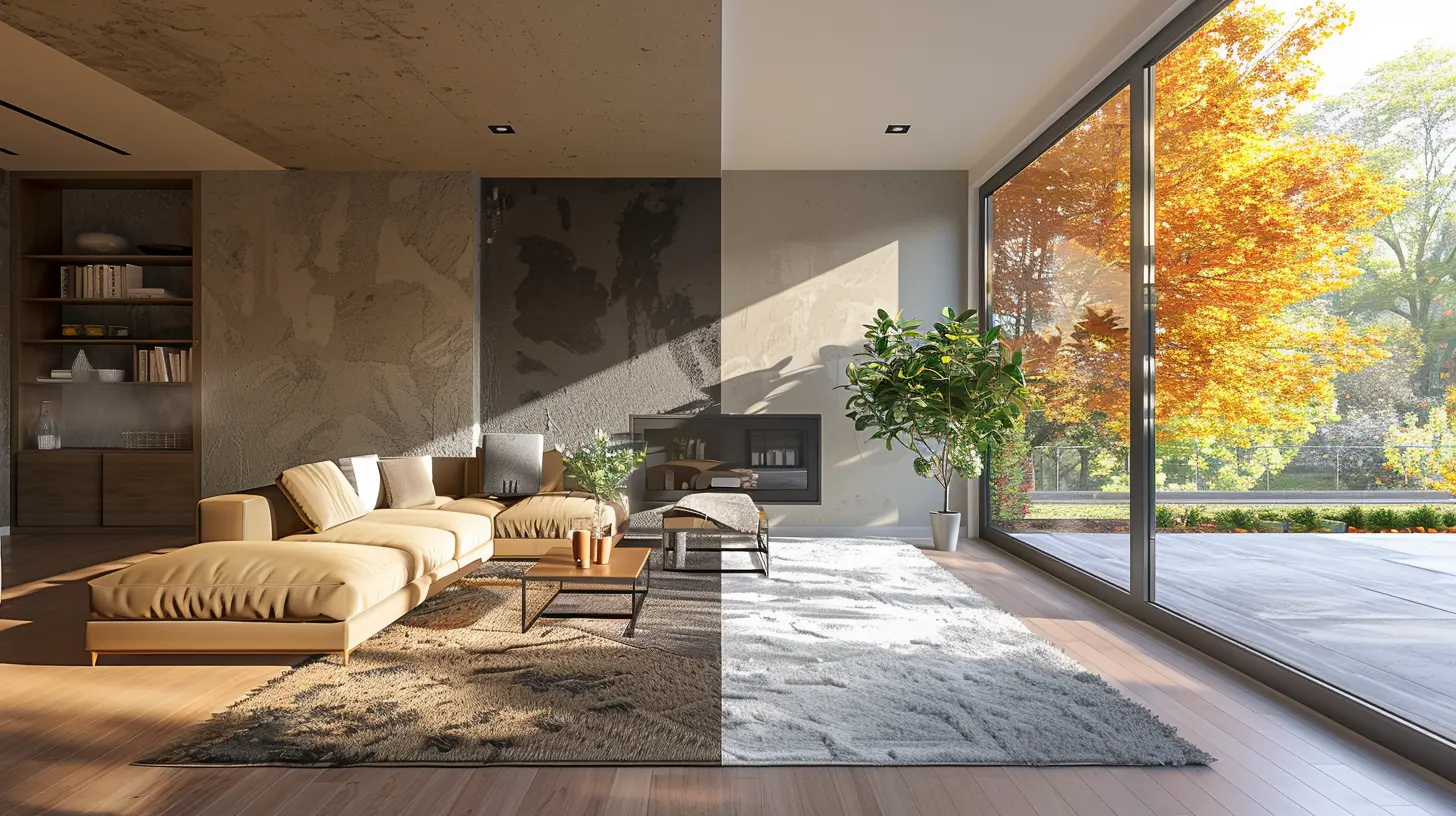
The “After”: How Virtual Staging Transforms Listings
Now here's where things get exciting. Virtual staging doesn’t just make photos look better—it changes the entire vibe of a listing.1. It Highlights a Home’s Full Potential
Yup, that awkward extra room? Virtual staging can turn it into a dreamy home office or a cozy reading nook. The open floor plan that feels too open? Now it’s a stylish, well-defined living and dining space.Staging helps define purpose, flow, and scale—critical things buyers need to see to fall in love with a home.
2. It Attracts More Clicks (And Inquiries)
Time for some numbers. Listings with professionally staged photos (including virtual staging) get more clicks, more shares, and more views. Period.It’s simple psychology. When something looks good, people pay attention. Attractive visuals pull in eyeballs. And eyeballs turn into showings.
Would you rather click on a blank, echoey living room or a photo that shows a sleek sectional, modern art, and glorious natural light bouncing off a coffee table? Exactly.
3. It Cuts Days on the Market
Properties with staged photos tend to sell faster—sometimes even weeks faster—than their non-staged counterparts. The increased interest leads to more offers, often in less time. That’s a win-win for both the seller and the agent.Plus, fast-moving homes can create a sense of urgency among buyers. Nobody wants to miss out on the "hot listing."
4. It’s Way More Cost-Effective Than Traditional Staging
Let’s talk dollars. Traditional staging can cost anywhere from $2,000 to $5,000 (and up!) depending on the size of the home and duration of the staging. Virtual staging? You're typically looking at $30 to $100 per photo.That’s pennies on the dollar for a massive visual upgrade.
So, if you’re ballin’ on a budget but still want that polished, Pinterest-worthy vibe, virtual staging is the move.
Real-Life “Before and After” Scenarios
Let’s walk through two examples to bring the impact home:Scenario 1: The Vacant Condo
Before: A two-bedroom condo sits empty. White walls. Beige carpet. Generic light fixtures. Potential buyers scroll right past the listing, thinking it’s too bland.After: Virtual staging adds a mid-century modern couch, pops of color in the artwork, and minimalist decor. The master bedroom features a stylish king bed with layered bedding and plants by the window.
Result: Inquiries double within a week. The condo sells in 10 days at asking price, after sitting on the market for 60+ days empty.
Scenario 2: The Dated Family Home
Before: The living room is filled with floral-patterned furniture and heavy drapes. The kitchen features ceramic roosters and linoleum floors. Buyers can't see past the dated style.After: Virtual staging replaces the old furniture with contemporary pieces, updates the lighting, and adds neutral, soft tones. Suddenly, it feels like a fresh canvas waiting for a new family.
Result: The listing gets more traction. An out-of-state buyer makes an offer based solely on the photos.
Important Do’s and Don’ts of Virtual Staging
Like any powerful tool, virtual staging needs to be used responsibly. Here are some tips to keep it ethical and effective.✅ DO:
- Use it to show layout and potential.- Clearly label photos as “virtually staged.”
- Keep the style neutral and appealing to a broad audience.
- Update photos if the home gets furnished or changed.
❌ DON’T:
- Alter the physical structure (e.g., hiding cracks or adding windows).- Mislead buyers by making the home look better than reality allows.
- Forget to show a few empty or “real” shots for transparency.
Remember, the goal isn’t to trick people—it’s to inspire them.
Is Virtual Staging Right for Every Property?
Honestly? Almost every property can benefit from it. But the strongest use cases are:- Vacant homes
- Homes with outdated or mismatched furniture
- New developments or pre-construction units
- Investor flips
- Long-distance sales where staging isn’t feasible
That said, for ultra-luxury listings or high-end markets, traditional staging might still carry a bit more prestige. But for 90% of sellers? Virtual staging is the smarter, faster, cheaper solution.
Final Thoughts
Virtual staging is like a digital magic wand for real estate. It turns blank spaces into beautiful, scroll-stopping homes that buyers want to see—and possibly buy—right away. Whether you're selling a cozy condo or a sprawling estate, the “before and after” transformation is no joke.In today’s competitive market, sellers (and agents) need every edge they can get. And with virtual staging, you're not just enhancing photos—you’re crafting a compelling story buyers want to be part of.
So if your listing photos are looking a little...blah, maybe it’s time to give them a makeover. Because when it comes to selling homes, presentation isn’t just important—it’s everything.
all images in this post were generated using AI tools
Category:
Virtual StagingAuthor:

Mateo Hines
Discussion
rate this article
1 comments
Maddison Castillo
Virtual staging truly transforms spaces in impressive ways.
August 17, 2026 at 11:47 AM
Mateo Hines
Absolutely! Virtual staging really does showcase a property's potential like nothing else.