Exploring Prefabricated Homes: A Sustainable Approach to Building
1 May 2026
When it comes to real estate, the idea of prefabricated homes is making waves. These aren't just temporary housing solutions or cheap construction alternatives; prefab homes are revolutionizing how we think about building sustainably. But what makes them so special? And why are more people choosing this approach over traditional home construction?
Let's dive deep into the world of prefab homes and uncover why they might just be the future of sustainable living. 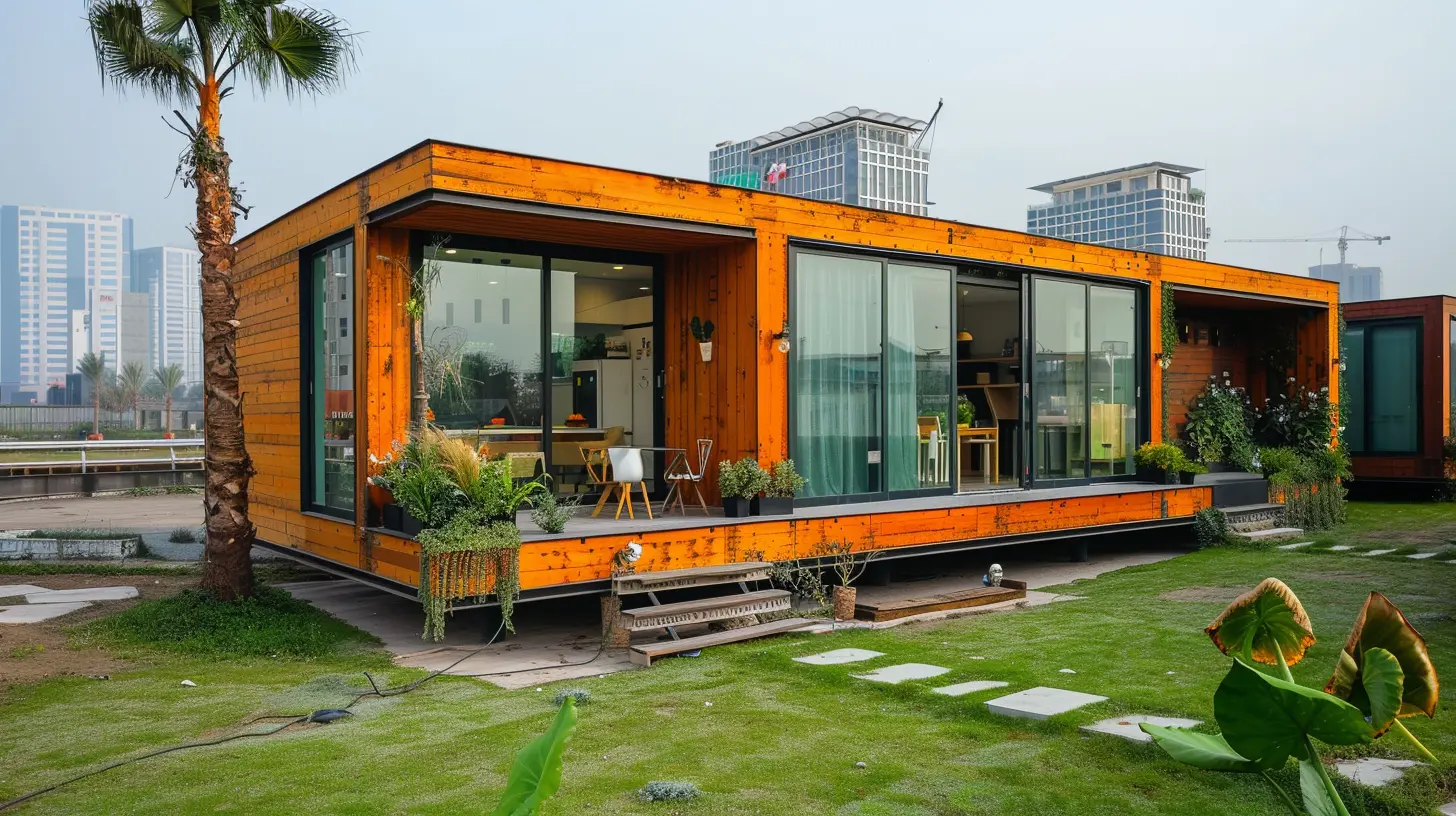
What Are Prefabricated Homes?
A prefabricated home, commonly known as a "prefab home," is a house that is built in sections at a factory and then transported to its final location, where it is assembled. Unlike traditional homes, which are built entirely on-site, prefab homes allow for quicker construction, reduced waste, and better quality control.Prefab homes come in several forms, including:
- Modular Homes – Built in large modules that are assembled on-site.
- Panelized Homes – Constructed in panels that are put together like a giant puzzle.
- Manufactured Homes – Fully built in a factory and then transported to a site in one or more pieces.
Each of these types offers unique benefits, but all share one common trait—they promote efficiency and sustainability. 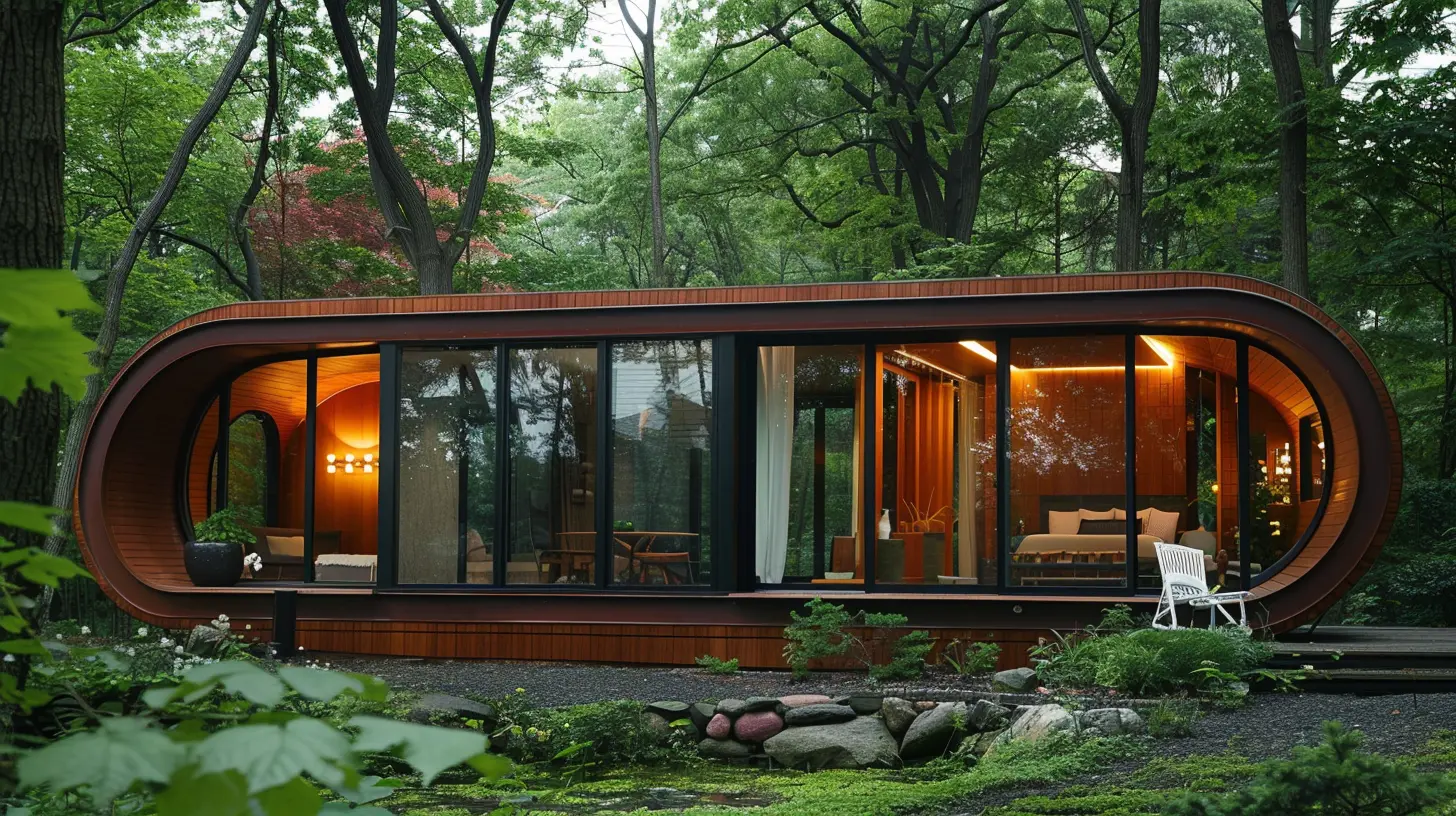
Why Prefabricated Homes Are a Sustainable Choice
With the increasing concerns about climate change and resource depletion, sustainability in construction has become a hot topic. Prefabricated homes provide a greener alternative to traditional building methods in several ways.1. Reduced Waste Production
Traditional construction sites generate tons of waste—think excess wood, concrete, and metal that end up in landfills. But with prefab homes, materials are measured and cut precisely in a controlled factory setting. This significantly reduces the amount of wasted material and makes the building process much more efficient.2. Energy Efficiency
Prefab homes are designed with energy efficiency in mind. Many incorporate advanced insulation, energy-efficient windows, and high-tech materials that keep your home warm in winter and cool in summer—without relying heavily on energy-consuming HVAC systems.Additionally, since these homes are built to fit together seamlessly, there are fewer gaps and drafts, helping homeowners save money on energy bills.
3. Lower Carbon Footprint
Did you know that traditional home construction can take months, requiring multiple deliveries of materials and workers traveling back and forth? That’s a lot of fuel being burned and emissions released into the air.Prefab homes, however, reduce transportation emissions by consolidating much of the construction process into a single location—the factory. Fewer trips to the construction site mean a lower carbon footprint overall.
4. Sustainable Materials
Many prefab manufacturers use eco-friendly materials, such as recycled steel, reclaimed wood, and non-toxic insulation. Some even incorporate sustainable energy solutions like solar panels or rainwater harvesting systems.If you want a home that aligns with environmentally responsible practices, a prefab home is a great choice. 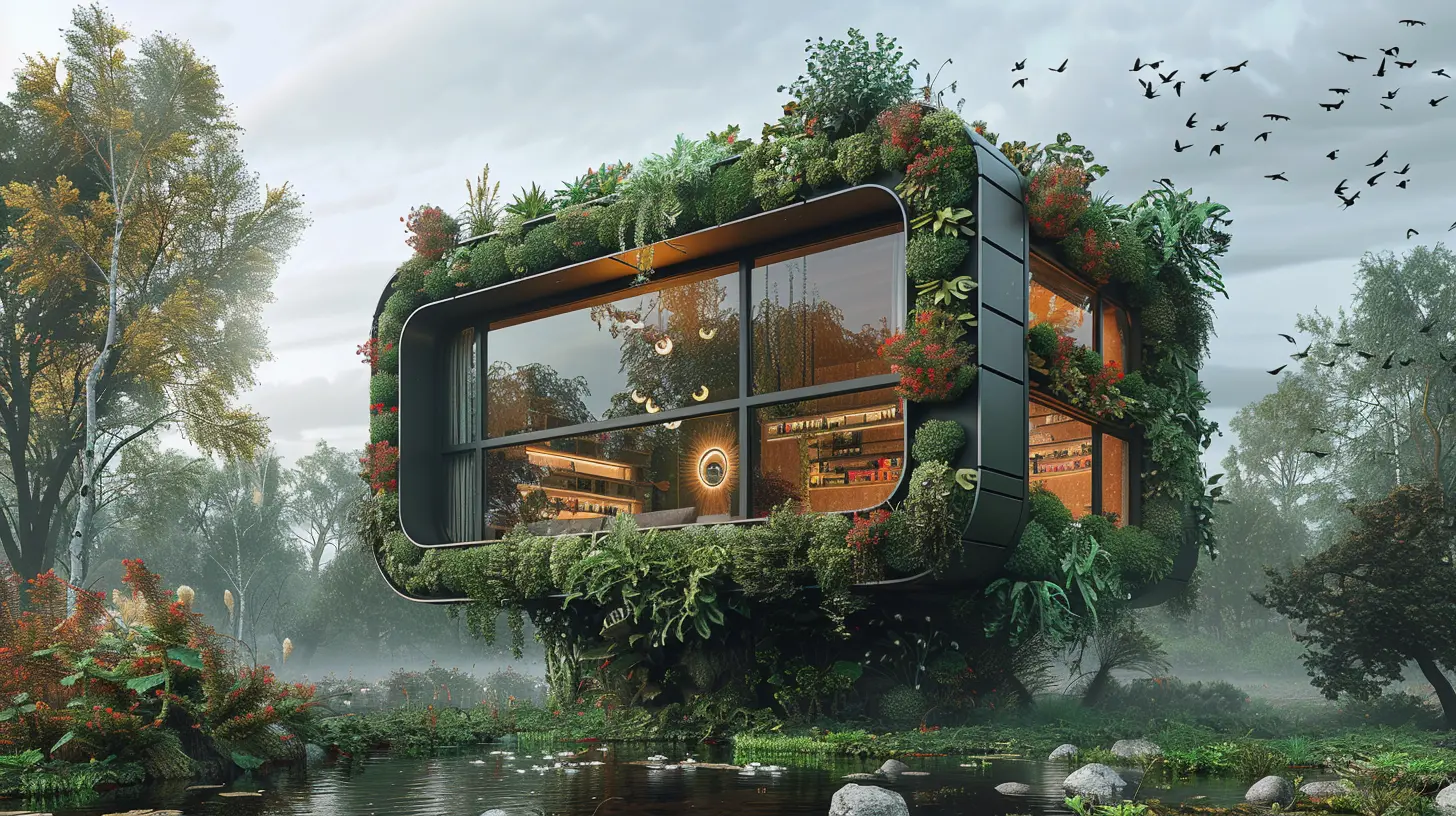
The Cost Factor: Are Prefab Homes More Affordable?
One of the most common questions people ask is, “Are prefab homes cheaper than traditional homes?” The answer—yes and no.Lower Construction Costs
Prefab homes tend to cost less in labor since they are assembled in a factory environment, cutting down on manual work hours. Because of this, the overall construction process is much faster, which means fewer labor costs for homeowners.Fewer Delays = Money Saved
Since prefab construction happens indoors, there’s little risk of weather delays. No more worrying about rain pushing back your home's completion date, which in turn saves money on extended labor costs.Long-Term Savings
While upfront costs can vary, the real savings come in the long run. Thanks to energy-efficient designs and durable materials, prefab homes often result in lower maintenance and energy costs over time.So, while some high-end prefab models can be pricey, the efficiency and durability of these homes can lead to significant savings in the long run. 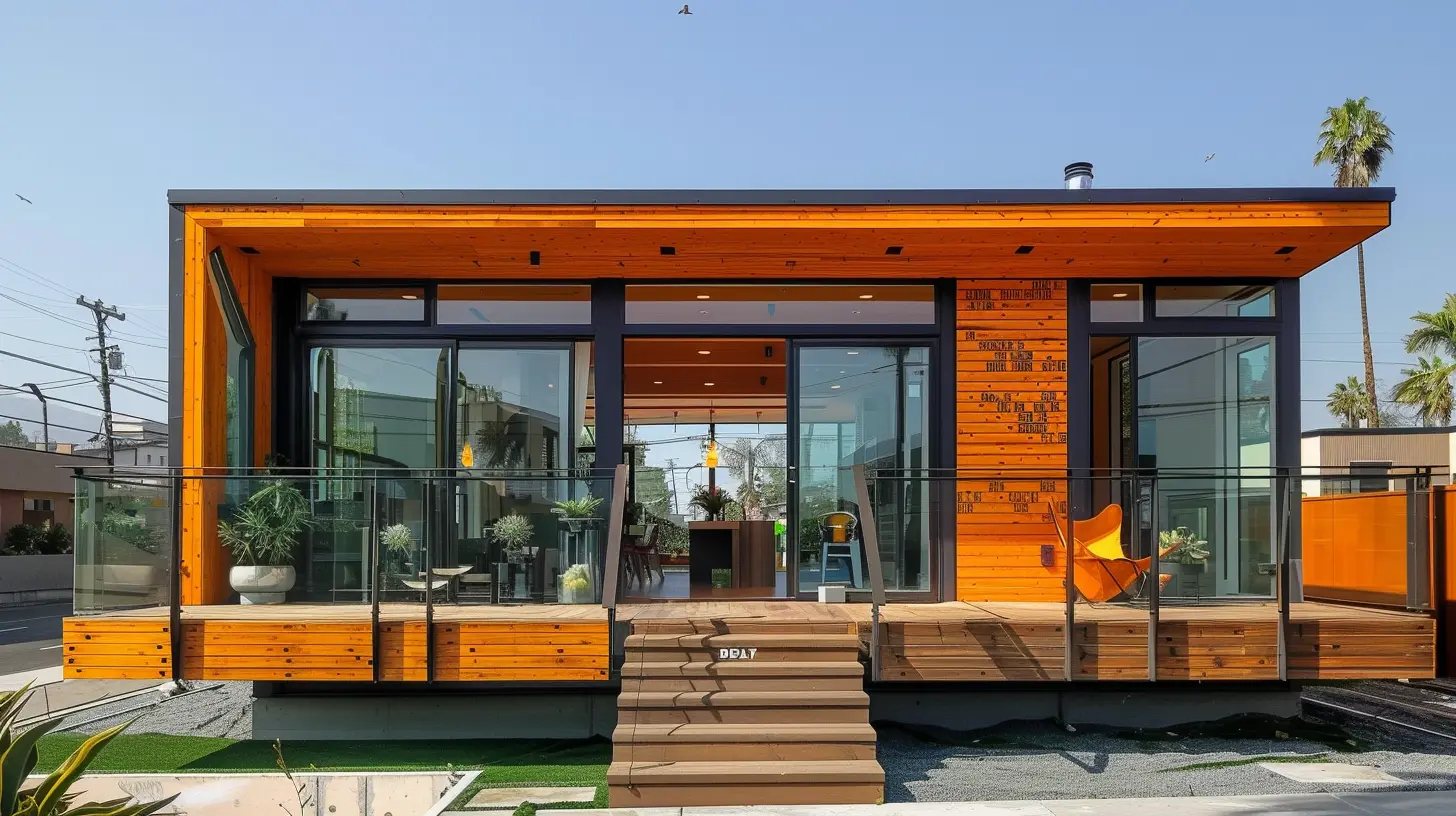
Common Myths About Prefabricated Homes
Despite their growing popularity, prefab homes still face several misconceptions. Let’s clear up a few of them.1. “Prefab Homes Are Low Quality.”
Far from it! Prefabricated homes are built in controlled environments, meaning they undergo rigorous quality checks. In many cases, they are even stronger than traditional homes because they are designed to withstand transportation and assembly.2. “They All Look the Same.”
While some people associate prefab homes with cookie-cutter designs, the reality is very different. Many prefab manufacturers offer customizable layouts, stylish finishes, and luxurious designs that rival traditional homes. You can make your prefab home as unique as you’d like!3. “You Can’t Get a Mortgage for a Prefab Home.”
This used to be true, but not anymore. Many banks and financial institutions now offer financing options for prefab home buyers, just like they do for traditionally built homes.Is a Prefab Home Right for You?
So, should you consider a prefabricated home? Here are a few questions to ask yourself:- Do you want a faster, more efficient home-building process?
- Are you looking to reduce your carbon footprint?
- Do you value energy efficiency and lower utility bills?
- Do you want a stylish, modern home that can still be customized?
If you answered yes to most of these, then a prefab home could be the perfect solution for you!
The Future of Prefabricated Homes
The real estate and construction industry is evolving, and prefabricated homes are at the forefront of that change. With innovations in 3D printing, smart home technology, and sustainable materials, prefab homes will only continue to improve in design, efficiency, and affordability.As more homeowners and builders recognize the benefits of prefab housing, we can expect to see a significant shift toward this modern way of building homes.
Final Thoughts
Prefabricated homes aren’t just a trend—they’re a game-changer in sustainable living. From reduced waste to energy efficiency, they offer a forward-thinking solution to modern real estate challenges.Whether you're a first-time homebuyer looking for affordability, an eco-conscious individual aiming for a greener lifestyle, or someone who simply wants a quick and hassle-free home-building process, a prefab home might be exactly what you need.
The future of housing is here, and it’s factory-built! Are you ready to embrace it?
all images in this post were generated using AI tools
Category:
Green HomesAuthor:

Mateo Hines
Discussion
rate this article
2 comments
Christopher McDowell
This article highlights a thoughtful and innovative approach to home building. Prefabricated homes not only reduce waste but also offer a viable solution for those seeking sustainable living. It's encouraging to see more people embrace options that support both the environment and affordable housing. Change is possible, and every step counts.
June 18, 2026 at 2:41 AM
Mateo Hines
Thank you for the thoughtful comment. I'm glad you found the article inspiring. Prefabricated homes truly offer a promising path towards sustainability and affordability. Every step does matter.
Rebecca McFee
Prefabricated homes truly offer innovative solutions for sustainable living today.
May 8, 2026 at 2:19 AM
Mateo Hines
I completely agree. Prefabricated homes are a great way to combine sustainability with modern design.