Choosing Between New Construction and Existing Homes: What You Should Know
30 January 2026
Buying a home is one of the biggest financial decisions you'll ever make. But before you start picking out paint colors or envisioning life in your new neighborhood, there's a critical choice to make—do you go for a brand-new home or an existing one?
Each option has its pros and cons, and what works for one buyer might not be ideal for another. If you're on the fence, keep reading! We'll break it down in plain English so you can choose the right home for your needs.
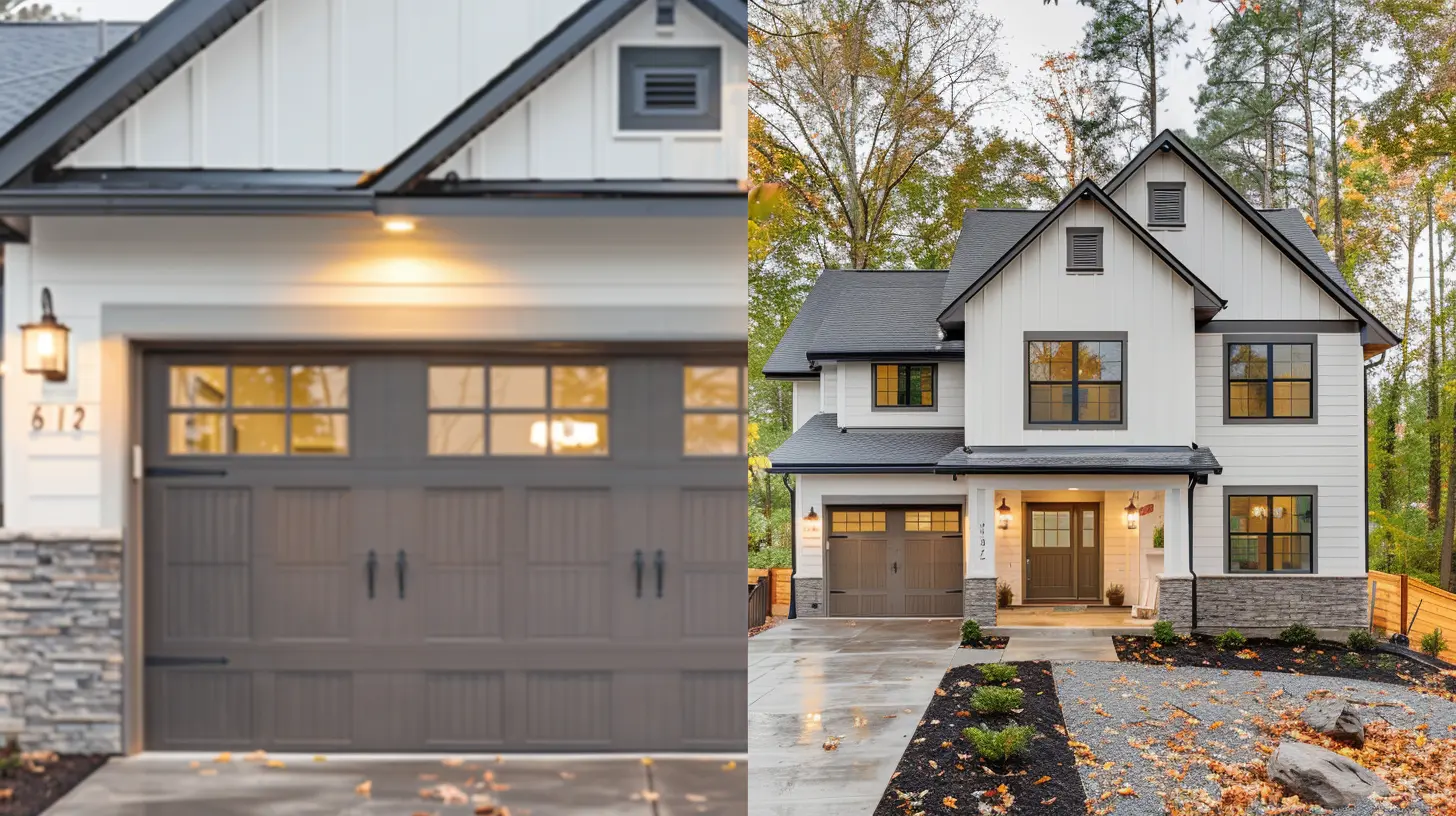
The Appeal of New Construction Homes
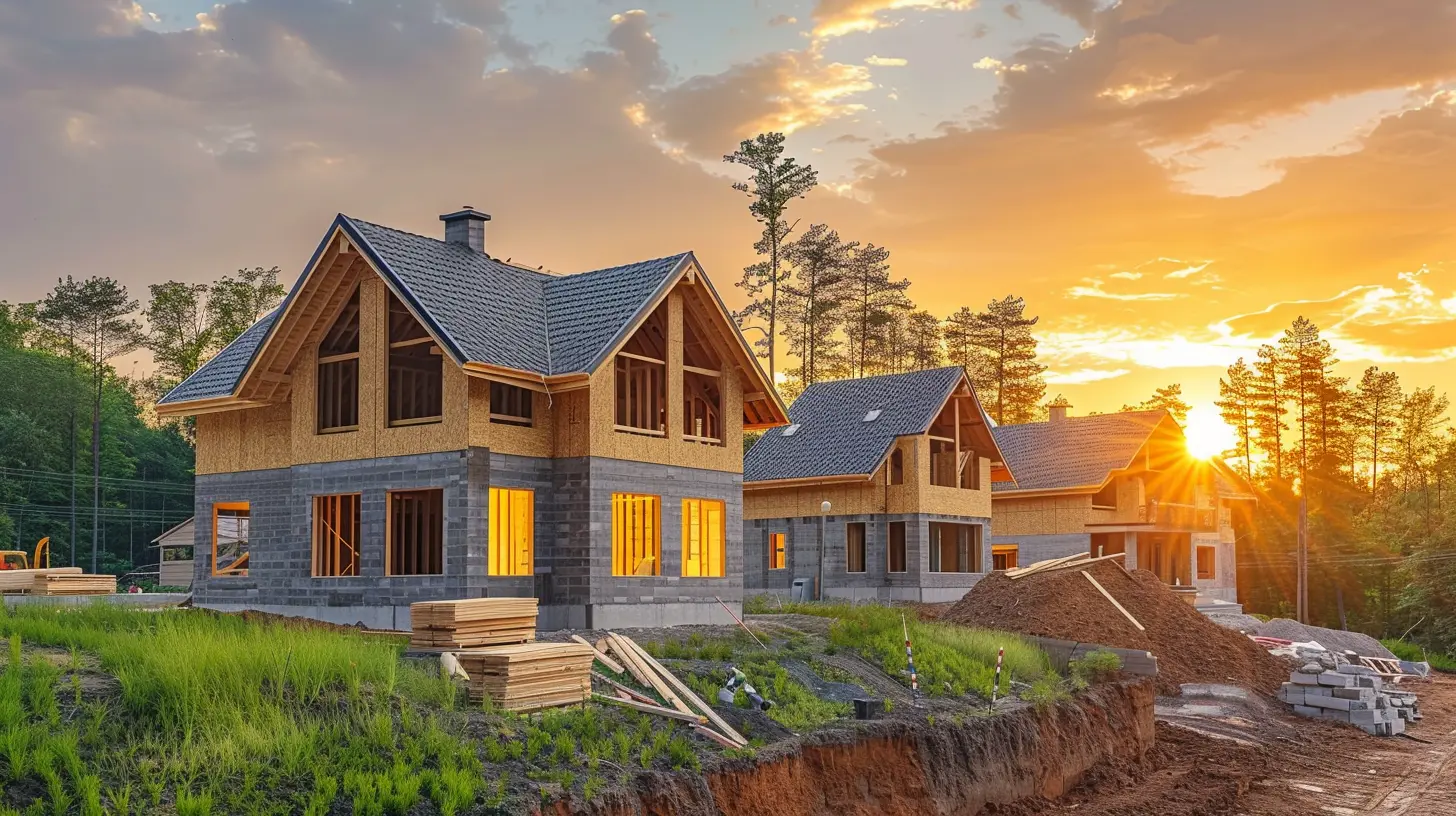
There's something exciting about being the first owner of a home. Everything is fresh, modern, and untouched. But beyond the new-home smell, there are practical reasons why buyers love new construction.1. Customization at Its Best
When you buy a new home, you often get to make choices about layout, finishes, and upgrades. Want an open-concept kitchen? Prefer hardwood over carpet? With new construction, you can personalize your home to match your taste and lifestyle.2. Modern Design & Energy Efficiency
New homes are built with the latest technology and energy-efficient materials. From better insulation to smart home features, new builds save money on utilities and provide a more comfortable living space.3. Fewer Repairs and Maintenance
Since everything in a new home is... well, new, you won’t have to worry about costly repairs anytime soon. There’s no need to replace an aging roof, deal with outdated plumbing, or fix an old HVAC system. Plus, builder warranties often cover defects for the first few years.4. Healthier and Safer Living
Older homes can have hidden issues like asbestos, lead paint, or outdated electrical wiring. New homes follow current building codes and safety standards, making them a safer option for you and your family.5. Move-In Ready Convenience
New construction homes are typically move-in ready, so you won’t have to deal with the hassle of renovations or deep cleaning left behind by previous owners. Just grab your keys and start settling in!The Downsides of New Construction
While new homes sound like a dream, they’re not perfect. Here are some things to consider:- Higher Costs: New builds often come with a premium price tag, especially when you start adding upgrades.
- Longer Wait Time: If the home isn't completed yet, you might have to wait months before moving in.
- Lack of Character: Some buyers prefer the charm and unique history of older homes. New builds can feel a bit cookie-cutter.
- Less Mature Landscaping: New neighborhoods might lack large trees and established yards, making them feel less inviting at first.
The Benefits of Buying an Existing Home
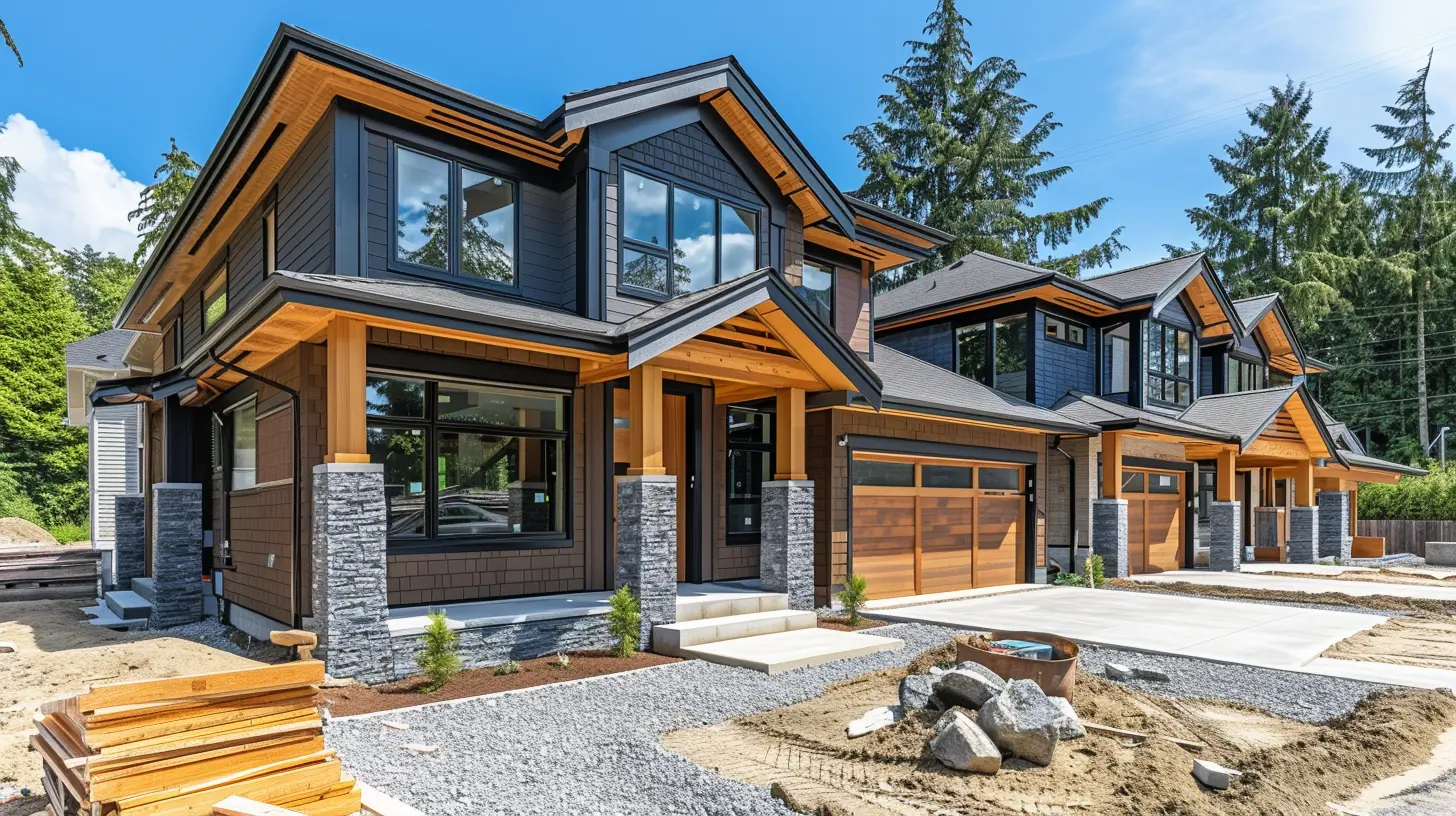
Older homes have their own appeal, and they often win buyers over with their charm, character, and prime locations. Let’s dive into the benefits.1. Prime Locations & Established Neighborhoods
Many existing homes are in well-established neighborhoods with mature trees, parks, and strong community vibes. Older homes are often closer to city centers, cutting down on commute times and giving you easy access to shopping, dining, and entertainment.2. More Affordable & Negotiable Prices
Existing homes are usually priced lower than new builds. Plus, there's more room for negotiation. Sellers might even throw in appliances, window treatments, or furniture to sweeten the deal.3. Unique Architecture & Character
If you love crown molding, original hardwood floors, or vintage fireplaces, an existing home might be your perfect match. Older homes often have design features that new homes simply don’t offer.4. Faster Move-In Time
Unlike new construction, where you might have to wait for months, existing homes are ready to go. As soon as you close on the deal, you can move in.5. More Established Landscaping
Many older homes come with beautiful, mature landscaping—big shade trees, flowering bushes, and well-maintained lawns that would take years to grow in a new development.Potential Downsides of Existing Homes
Buying an older home has its share of challenges. A few things to watch out for:- More Maintenance & Repairs: Older homes often come with aging appliances, old plumbing, and outdated electrical systems.
- Less Customization: You may have to live with a layout you don’t love or spend money on renovations.
- Higher Utility Bills: Many older homes aren’t as energy-efficient, meaning you may pay more for heating and cooling.
Should You Buy New or Go for an Existing Home?
The right choice depends on your budget, preferences, and long-term goals. Here are a few questions to ask yourself:- Do you want a move-in-ready home or are you okay with renovations? If you prefer minimal upkeep, a new home might be best. But if you love DIY projects, an existing home could be a great opportunity.
- Is location more important than features? If you want a prime location with an established community, an older home may be your best bet. If modern amenities mean more to you, a new build is worth considering.
- How important is energy efficiency? If lower utility bills and smart-home features top your list, new construction might be your best choice.
- Are you on a tight timeline? If you need to move quickly, an existing home will likely work better for you.
Final Thoughts
Whether you choose a brand-new home or an older one, both have their perks and drawbacks. It all comes down to what suits your lifestyle, budget, and long-term goals. Take your time, weigh the pros and cons, and find a home that feels right for you. After all, buying a home isn’t just a transaction—it’s a place where you'll make memories for years to come.all images in this post were generated using AI tools
Category:
New ConstructionAuthor:

Mateo Hines
Discussion
rate this article
2 comments
Jack Hernandez
Both new constructions and existing homes have unique benefits. Consider factors like budget, location, maintenance, and personal preferences to make an informed decision.
February 10, 2026 at 4:33 AM
Mateo Hines
Thank you for your thoughtful comment! Evaluating budget, location, maintenance, and personal preferences is indeed crucial in making the best choice for your home.
Will Stone
Deciding between a brand-new home and a vintage charmer is like picking between a shiny spaceship and a cozy treehouse! Both have their perks—just remember, one comes with a built-in mystery and history, while the other boasts zero squeaks!
February 4, 2026 at 4:34 AM
Mateo Hines
That's a great comparison! Each option offers unique benefits. It really comes down to whether you value modern amenities or character and history. Choose what feels right for you!