Creating a Statement Wall: Bold Colors vs. Subtle Tones
13 May 2026
A statement wall can completely transform the vibe of a room without requiring a major renovation. Whether you go bold with vibrant hues or keep it minimal with subtle tones, it all comes down to personal style and the ambiance you want to create. But which route should you take? Should you go all-in with an eye-catching color, or should you stick with a soft, understated shade? Let’s break it down so you can make the best decision for your space. 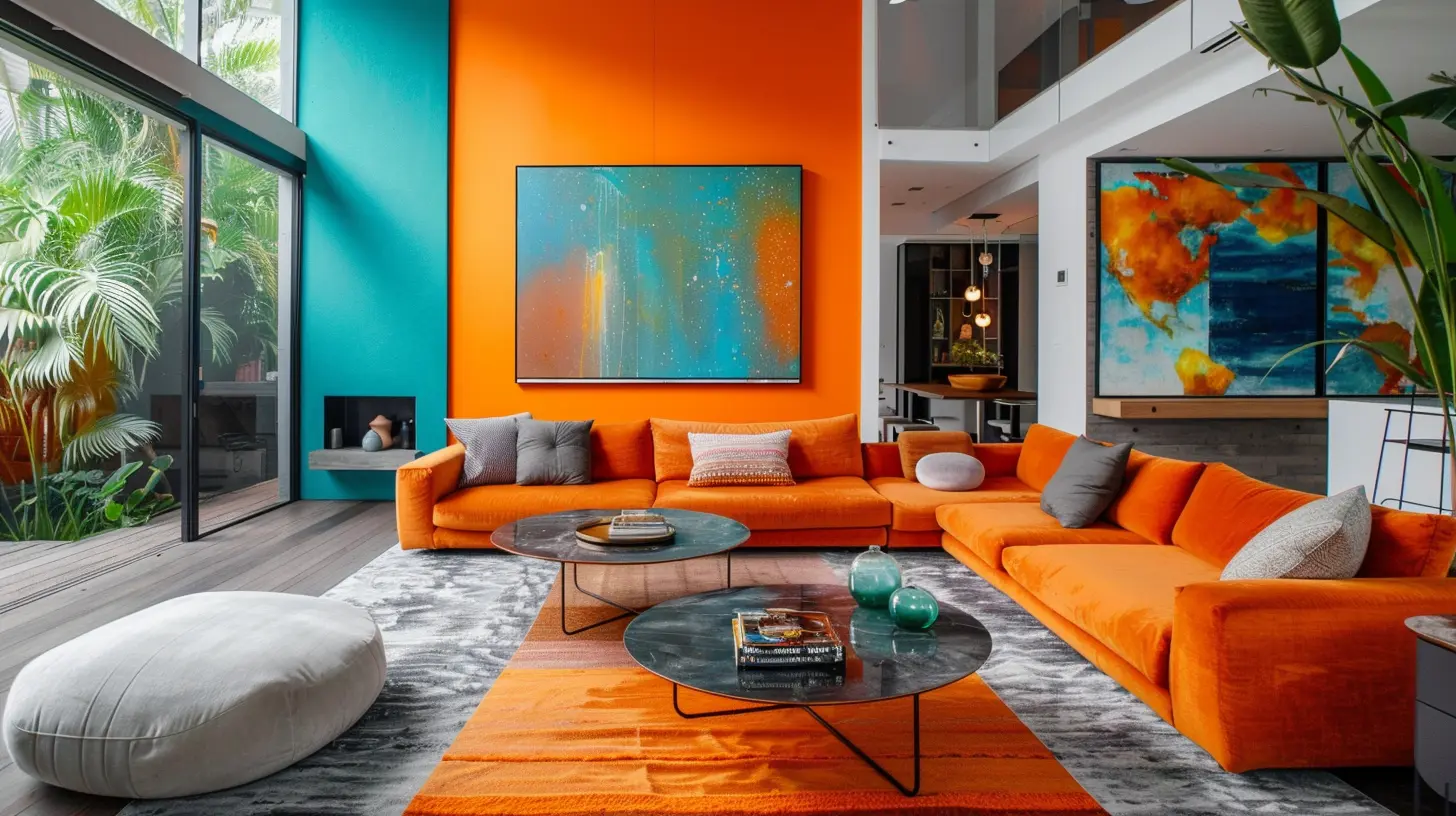
Why Create a Statement Wall?
Ever walked into a room and immediately felt drawn to a particular wall? That’s the power of a well-designed statement wall. It’s not just about adding color—it’s about defining the space, creating a focal point, and setting the overall mood.A statement wall can:
✔ Add personality to a room
✔ Break up monotony in neutral spaces
✔ Highlight architectural features
✔ Increase visual depth
But the real question is—should you go for bold colors, or do subtle tones make a bigger impact? 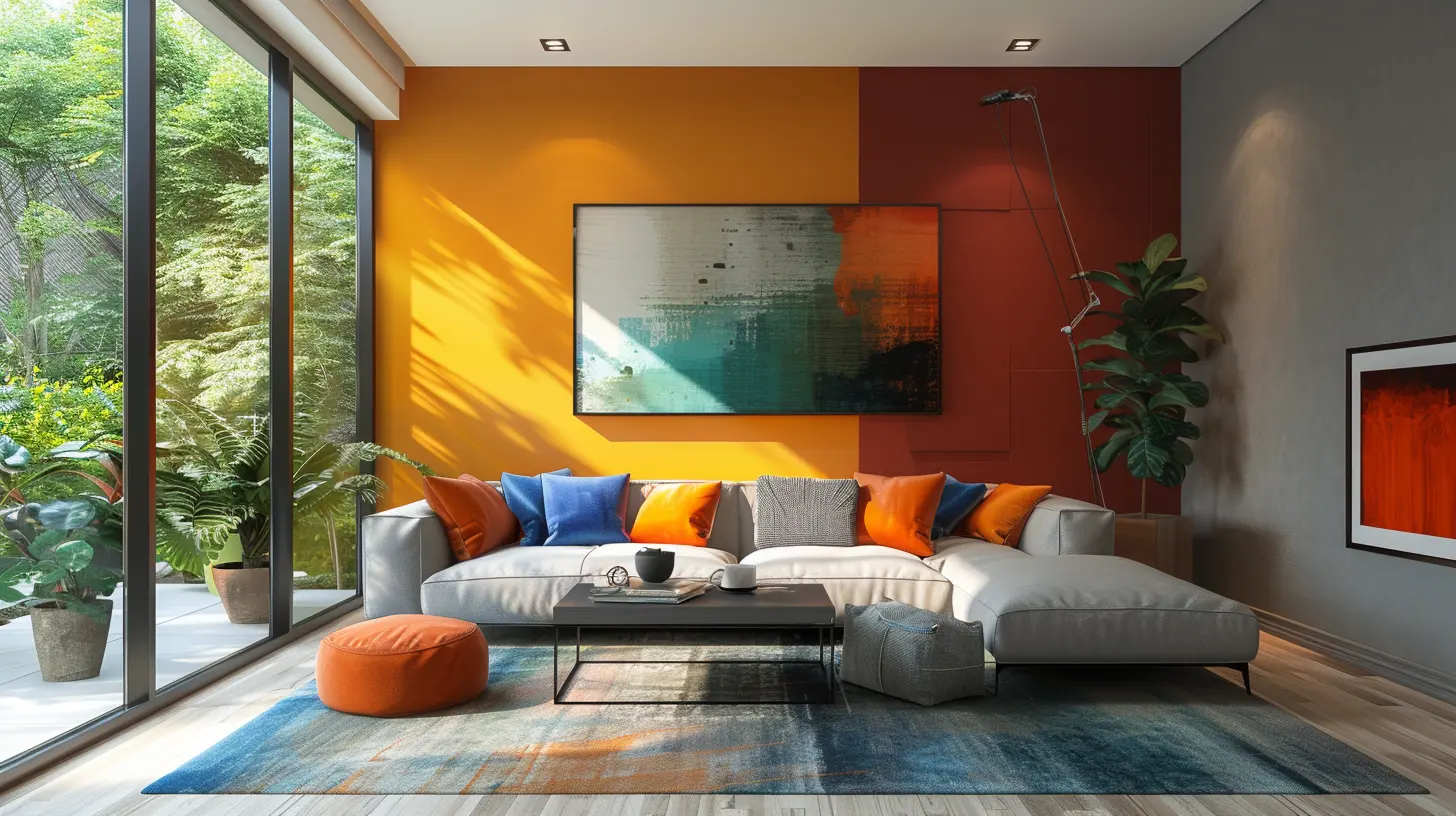
The Case for Bold Colors
Going bold with your statement wall is like wearing a striking outfit—you’re making a confident, eye-catching choice that demands attention.1. Adds Drama and Energy
Rich, vibrant colors like deep blues, fiery reds, or emerald greens inject energy into a space. These colors can make a room feel dynamic and full of life. If you love making a statement, bold hues might be your best bet.2. Creates a Focal Point
A bold-colored statement wall becomes the natural centerpiece of the room, drawing the eye immediately. It works especially well behind a bed, a fireplace, or in a dining area where you want to create a conversation-starting backdrop.3. Works Well with Neutral Décor
If the rest of your furniture and décor are relatively neutral, a bold statement wall can be just the pop of color the space needs without overwhelming the entire room.4. Expresses Personality
Your home should reflect your personality. Bold colors, like mustard yellow or electric blue, can express creativity, confidence, and a love for the unconventional.Best Spaces for Bold Colors:
- Living Rooms – A bold color behind the sofa can create a vibrant social space.- Bedrooms – Deep navy or burgundy can add coziness and luxury.
- Home Offices – Energizing colors like orange or green can improve productivity.
Pro Tip: If you're hesitant about committing to a bold shade, consider using removable wallpaper or a mural for a temporary color experiment. 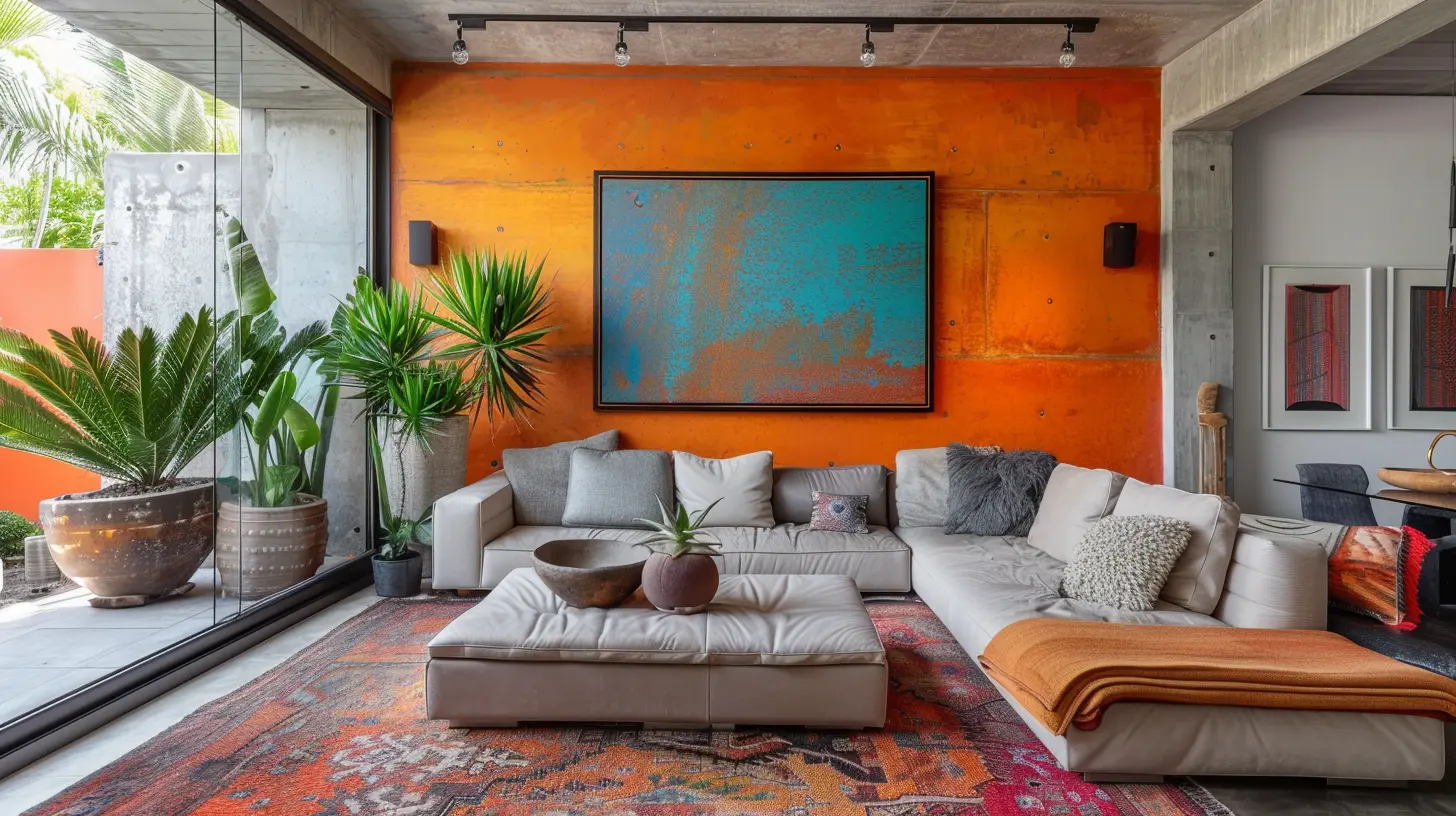
The Appeal of Subtle Tones
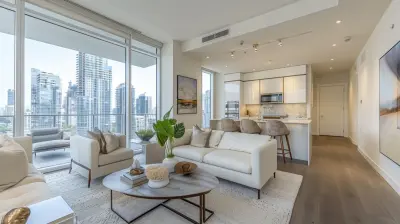
Subtle tones may not scream for attention, but they have their own charm. They create a sense of calm, elegance, and sophistication without overwhelming the room.1. Timeless and Versatile
Soft shades, such as light gray, warm beige, or muted pastels, never go out of style. They work seamlessly with nearly any design theme, from modern to rustic.2. Enhances Light and Space
Lighter hues reflect natural light, making a room feel airier and more spacious. If you’re working with a small or dimly lit space, a soft, neutral wall can open it up.3. Subtle Elegance
Instead of commanding attention, subtle tones create a refined backdrop that makes the entire room feel cohesive and serene. They pair well with statement furniture pieces, bold artwork, or striking textures.4. Easy to Update
Unlike bold colors, which can feel overwhelming after a while, subtle tones are easier to change or layer with new décor. You won’t feel “stuck” with the color choice in a few years.Best Spaces for Subtle Tones:
- Bedrooms – Creates a peaceful retreat perfect for relaxation.- Hallways & Entryways – Keeps the space feeling bright and welcoming.
- Minimalist Interiors – Complements clean, simple design elements.
Pro Tip: If you’re worried about a subtle color feeling too "boring," add texture with shiplap, wallpaper, or a geometric paint design to make the wall visually interesting. 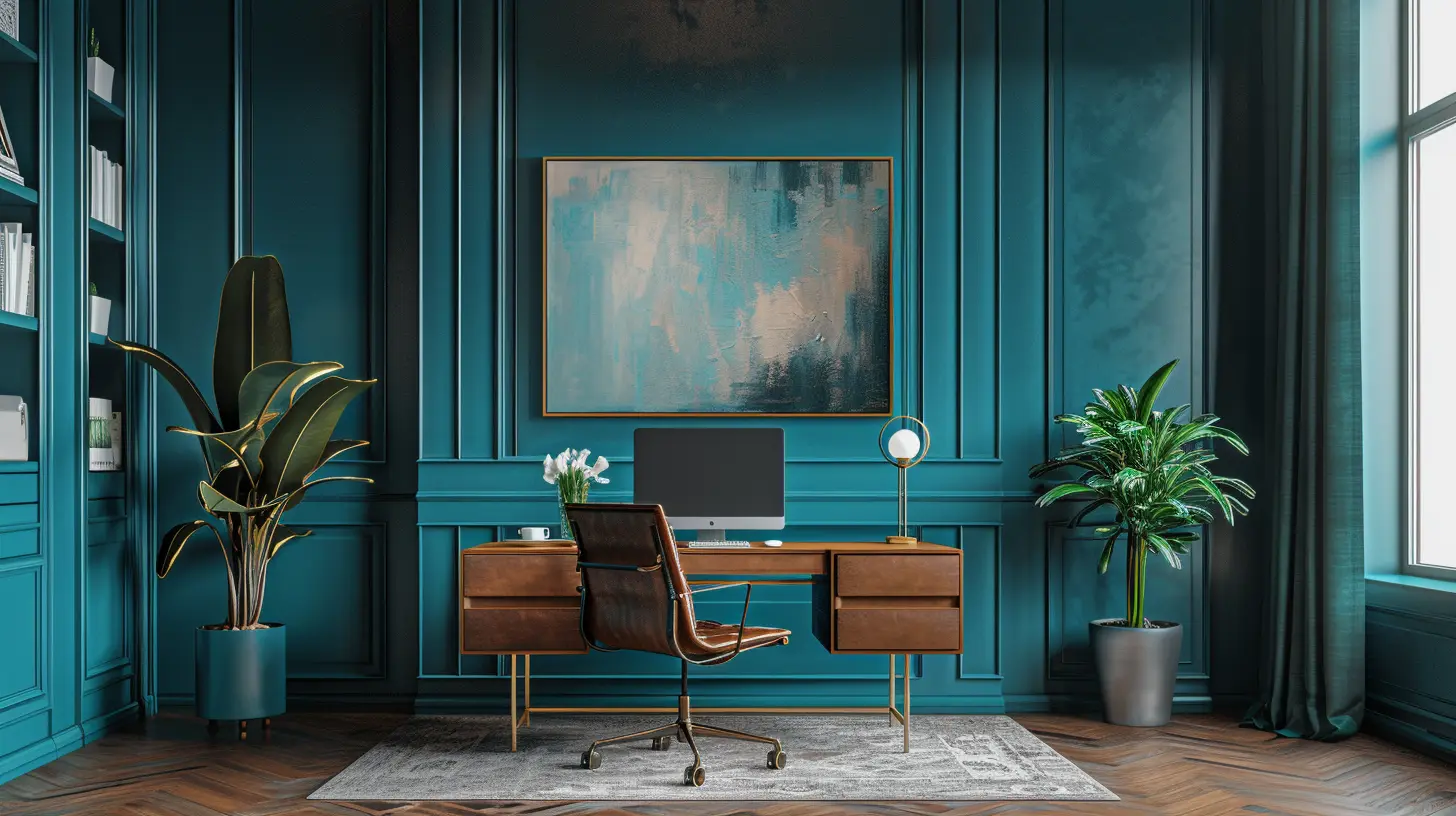
How to Choose the Right Option for Your Space
Still undecided? Here are some factors to help you determine whether bold or subtle tones suit your space best:1. Consider Your Room Size
- Small rooms: Lighter, subtle tones can open up the space.- Larger rooms: Bold colors work well without making the area feel cramped.
2. Think About The Mood You Want to Create
- Bold Colors: High-energy, dramatic, and expressive.- Subtle Tones: Calm, elegant, and sophisticated.
3. Evaluate Existing Décor
- If your furniture and décor are already colorful, a bold wall might feel too busy.- If your furnishings are mostly neutral, a pop of color can bring the room to life.
4. Consider Long-Term Commitment
- Bold colors can feel trendy but may not have the same staying power as classic neutrals.- Subtle tones are timeless, making them a safer long-term choice.
Striking a Balance: The Best of Both Worlds
Who says you have to choose just one? You can merge bold colors and subtle tones in creative ways:✔ Accent Borders: Paint a subtle base color and add bold-colored geometric shapes or stripes.
✔ Two-Tone Walls: Use a bolder shade on the lower half and a softer tone above for contrast.
✔ Textured Finishes: Use a neutral base with bold wallpaper or textured panels to add depth.
✔ Strategic Decor Pairing: If you pick a subtle wall color, introduce bold furniture and artwork to create contrast.
This way, you get the excitement of a statement wall without feeling overwhelmed by too much color.
Conclusion
Creating a statement wall is an opportunity to showcase your personality and design preferences. Whether you opt for bold hues that demand attention or subtle tones that ooze sophistication, both choices have unique benefits. Consider your space, mood, and long-term vision before making your final decision—and most importantly, have fun with it. Your home should be a reflection of you!all images in this post were generated using AI tools
Category:
Interior DesignAuthor:

Mateo Hines
Discussion
rate this article
2 comments
Dorothy Ross
Whether you go bold or subtle, your statement wall can truly reflect your style and personality... have fun!
July 23, 2026 at 4:20 AM
Mateo Hines
I completely agree! A statement wall is a perfect way to showcase your unique style. Enjoy the process!
Craig Lee
This article offers great insights on statement walls. I appreciate the balance between bold colors and subtle tones. It's fascinating how the right choice can transform a space and reflect personal style.
May 18, 2026 at 11:25 AM
Mateo Hines
Thank you for your feedback! I'm glad you found the balance discussed in the article helpful. It's amazing how color can truly change a space.