How to Save for a Down Payment Without Stress
2 May 2026
Buying a home is a huge milestone. But let’s be honest — saving for a down payment can feel like climbing Mount Everest without any training. It’s easy to get overwhelmed when you see the numbers, but don’t worry! With the right plan, saving for a home doesn’t have to mean giving up your daily coffee or cutting out all the fun in your life.
In this guide, we’ll break down stress-free ways to save for a down payment without feeling like you’re sacrificing everything. Ready? Let’s dive in! 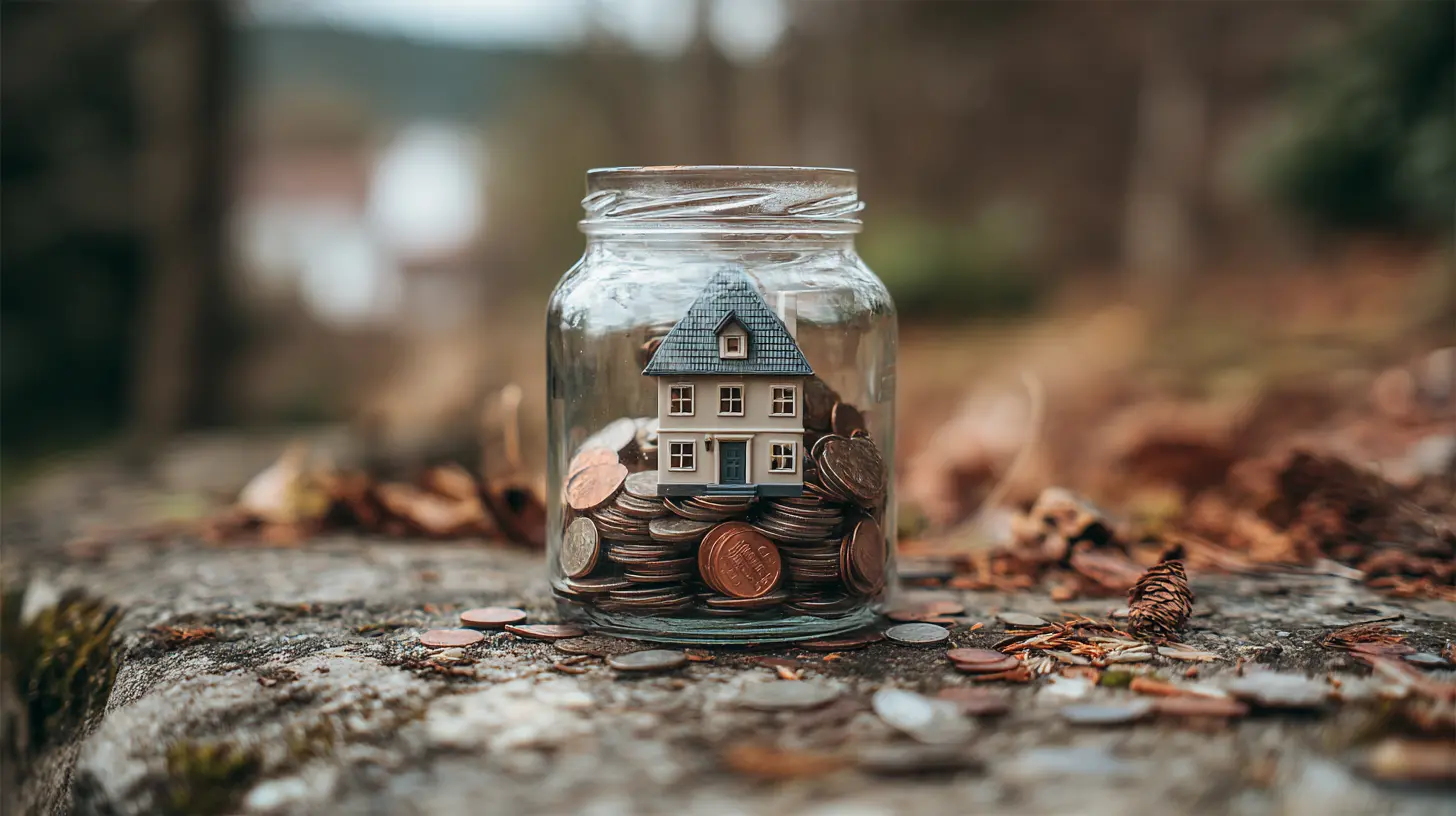
1. Understand How Much You Need
Before you start stashing cash, you need a clear goal. How much do you actually need for a down payment?How Down Payments Work
Typically, lenders require you to put down anywhere from 3% to 20% of the home’s purchase price. Here’s a rough breakdown:- 3%-5% Down – Some conventional loans allow lower down payments, especially for first-time buyers.
- 10% Down – A solid middle ground that lowers your mortgage payments without draining your savings.
- 20% Down – Ideal! It helps you avoid private mortgage insurance (PMI), which adds extra costs to your monthly payments.
Set a Realistic Goal
Instead of pulling a number out of thin air, research home prices in your desired area. If homes typically sell for $300,000 and you plan to put down 10%, your target is $30,000.Knowing the number makes it much easier to stay motivated! 
2. Open a Dedicated Savings Account
Trying to save money in your regular checking account is like keeping cookies in your kitchen while on a diet—it’s way too tempting to dip into that money for other expenses.Why a Separate Account Works
- It prevents you from accidentally spending your savings.- Many high-yield savings accounts offer better interest rates, helping your money grow.
- It keeps your goal visible and tangible.
Pro Tip: Automate your savings! Set up an automatic transfer from your paycheck into this account every month. You won’t even have to think about it, and over time, the balance will build up without much effort. 
3. Cut Expenses Without Feeling Deprived
You don’t have to go into extreme “no-fun” mode to save for a home. The key? Smart budgeting.Find Hidden Money in Your Budget
Here are some painless ways to free up extra cash:- Cancel Unused Subscriptions – Streaming services, gym memberships, or subscription boxes you no longer use? Say goodbye!
- Negotiate Your Bills – Call your internet, phone, or insurance providers and ask for a better rate. You’d be surprised at how often they’ll lower your bill just to keep you as a customer.
- Eat Out Less, Cook More – We’re not saying never eat out, but cutting back just a few meals per month can save hundreds.
The "Latte Factor" Myth
You’ve probably heard the advice: "Stop drinking fancy coffee, and you’ll save a fortune!" But let’s be real—giving up something small that makes you happy won’t magically make you a homeowner. Instead, focus on cutting big-ticket expenses that actually make a difference.
4. Boost Your Income (Even a Little Helps!)
If cutting expenses isn’t enough, the next best step is to make more money. And no, it doesn’t mean working yourself to exhaustion!Side Hustles That Don’t Take Over Your Life
- Freelancing – If you have a skill like writing, graphic design, or social media management, use platforms like Fiverr or Upwork.- Rent Out a Spare Room – If you have extra space, consider short-term rentals like Airbnb.
- Sell Unused Items – Declutter and sell things you no longer need on platforms like eBay, Facebook Marketplace, or Poshmark.
- Drive for Rideshare or Delivery Services – Flexible and easy to fit into your schedule.
Even an extra $200-$500 a month can significantly speed up your savings.
5. Leverage Down Payment Assistance Programs
Not everyone needs to save the full amount on their own. Many down payment assistance programs are available based on income, location, or first-time homebuyer status.Types of Assistance Programs
- Grants – Free money that doesn’t need to be repaid.- Low-Interest Loans – Loans specifically designed to help cover down payments, often with favorable terms.
- Employer Assistance Programs – Some companies offer home-buying assistance as an employee perk.
Check with your state’s housing authority or HUD’s website to find programs available in your area.
6. Invest Your Savings Wisely
If you have time before you plan to buy, consider investing a portion of your savings to grow your money faster.Safe Investment Options
- High-Yield Savings Accounts – Earns more interest than a regular savings account.- Certificates of Deposit (CDs) – Locks in your money for higher interest.
- Money Market Accounts – A mix of savings and investing with minimal risk.
While investing in stocks can offer higher returns, if you’re buying a home within 2-3 years, stick to safer investments to avoid market volatility.
7. Stay Motivated With Visual Tools
Saving for a down payment can feel like a long road. To stay on track, use visual tools to make progress more exciting.Ideas to Keep You Motivated
- Savings Tracker – Create a chart where you color in a section every time you hit a milestone.- Vision Board – Print pictures of your dream home and put them where you’ll see them every day.
- Accountability Partner – Share your goal with a friend or family member who will help you stay on track.
Treat your savings like a game instead of a chore, and you’ll feel more inspired to stick with it.
8. Avoid These Common Saving Mistakes
Sometimes, the biggest obstacles aren’t the lack of money but bad financial habits. Make sure you avoid these pitfalls:Mistakes That Can Slow You Down
- Dipping Into Savings Too Soon – Don’t use your down payment fund for vacations or impulse purchases.- Not Accounting for Closing Costs – Besides the down payment, you’ll need extra cash for inspections, taxes, and other fees.
- Waiting Too Long to Start – The earlier you start saving, the easier it is. Even small amounts add up over time!
Final Thoughts
Saving for a down payment doesn’t have to be stressful. By setting a clear goal, automating savings, cutting unnecessary expenses, boosting your income, and exploring assistance programs, you’ll be well on your way to homeownership—without sacrificing your happiness.The key? Stick to the plan, stay patient, and celebrate small wins along the way. Before you know it, you’ll have that down payment ready and be house-hunting with confidence!
all images in this post were generated using AI tools
Category:
Buyers GuideAuthor:

Mateo Hines
Discussion
rate this article
2 comments
Erin Conrad
Interesting tips, any surprises?
June 12, 2026 at 3:33 AM
Mateo Hines
Thanks! One surprise is how small changes in daily spending can add up fast. It really makes saving easier than you might expect.
Jaxon Beck
Saving for a down payment doesn't have to be a daunting task. Discover hidden strategies that can transform your approach. Sometimes, the most effective solutions are right in front of you, waiting to be uncovered...
May 5, 2026 at 2:46 AM
Mateo Hines
Absolutely! Finding simple, effective strategies can make all the difference. It's all about getting creative and staying focused.