Creating an Energy Efficient Home Office for the 2030s
16 November 2026
As the world moves toward the 2030s, the need for energy efficiency in our homes, particularly in home offices, has become increasingly important. Whether you are a remote worker or a business owner, creating an energy-efficient home office is not only beneficial for the planet, but it can also reduce your utility bills and enhance your overall productivity. In this article, we will explore practical strategies, real-world examples, and key considerations to help you design an energy-efficient workspace that aligns with the values and demands of the coming decade.

Understanding Energy Efficiency in a Home Office
Before diving into specific strategies, it's essential to clarify what energy efficiency means in the context of a home office. Energy efficiency involves using less energy to provide the same level of comfort and productivity. This is achieved by optimizing how energy is consumed in your workspace, from lighting to heating and cooling systems, as well as the materials and technology you choose.The Importance of Energy Efficiency
The benefits of energy efficiency extend beyond personal savings. Here are a few reasons why focusing on energy efficiency in your home office is crucial:1. Cost Reduction: Lower energy bills are a direct benefit of energy-efficient practices. By utilizing smart technology and energy-efficient appliances, you can significantly cut down on unnecessary expenses.
2. Environmental Impact: Reducing your carbon footprint is essential. Energy-efficient offices contribute to the larger goal of decreasing greenhouse gas emissions and conserving natural resources.
3. Enhanced Comfort: An energy-efficient office often means better indoor air quality and more consistent temperatures, creating a more comfortable work environment that can enhance focus and productivity.
4. Future-Proofing Your Space: As energy prices fluctuate and regulations become stricter, having an energy-efficient office can shield you from sudden increases in costs and create a resilient workspace adaptable to future standards.
Setting Up Your Home Office
Creating an energy-efficient home office begins with careful planning and consideration of your workspace layout. Here are the key components to think about.Location and Layout
Natural Light
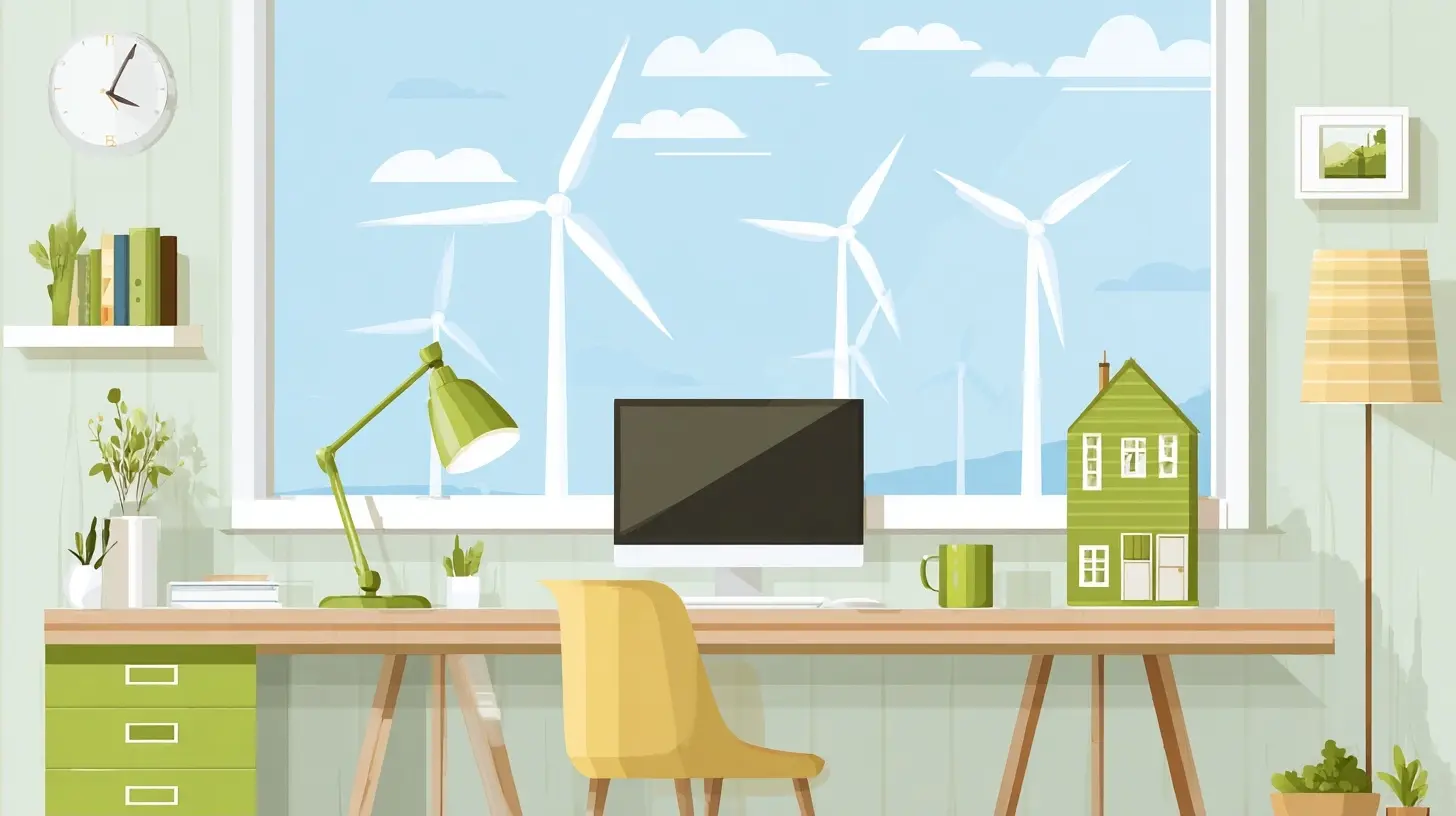
Maximizing natural light is one of the simplest ways to improve energy efficiency. Position your desk near windows to make the most of daylight. Not only will this reduce your reliance on artificial lighting, but natural light also has psychological benefits, contributing to a better mood and increased productivity.Tip: Use light-colored blinds or curtains to diffuse harsh sunlight without completely blocking it out.
Space Optimization
Consider how you arrange your furniture. An open layout can promote airflow and help regulate temperature, making it easier to maintain comfort without relying heavily on heating or cooling systems.Insulation and Sealing
Proper insulation is critical in maintaining temperature control. Ensure that your office space is well insulated, particularly if it is in a converted garage or attic. This can prevent drafts and reduce the need for heating and cooling.Common Mistake: Many people overlook the importance of sealing windows and doors. Simple weather stripping can significantly enhance insulation and energy efficiency.
Choosing Energy-Efficient Technology
Lighting
LED Lighting
Switching to LED lighting is one of the easiest ways to improve energy efficiency. LED bulbs consume significantly less power than traditional incandescent bulbs and last much longer, which translates to lower costs over time.Consideration: When selecting LED lighting, look for products with a high Color Rendering Index (CRI) for better color accuracy and comfort.
Equipment
Energy Star Products
When purchasing office equipment like computers, printers, and monitors, look for the Energy Star label. Energy Star-certified products meet strict energy efficiency guidelines set by the U.S. Environmental Protection Agency.Real-World Example: A high-efficiency printer can save energy not only while in use but also during standby mode, reducing overall energy consumption.
Smart Technology
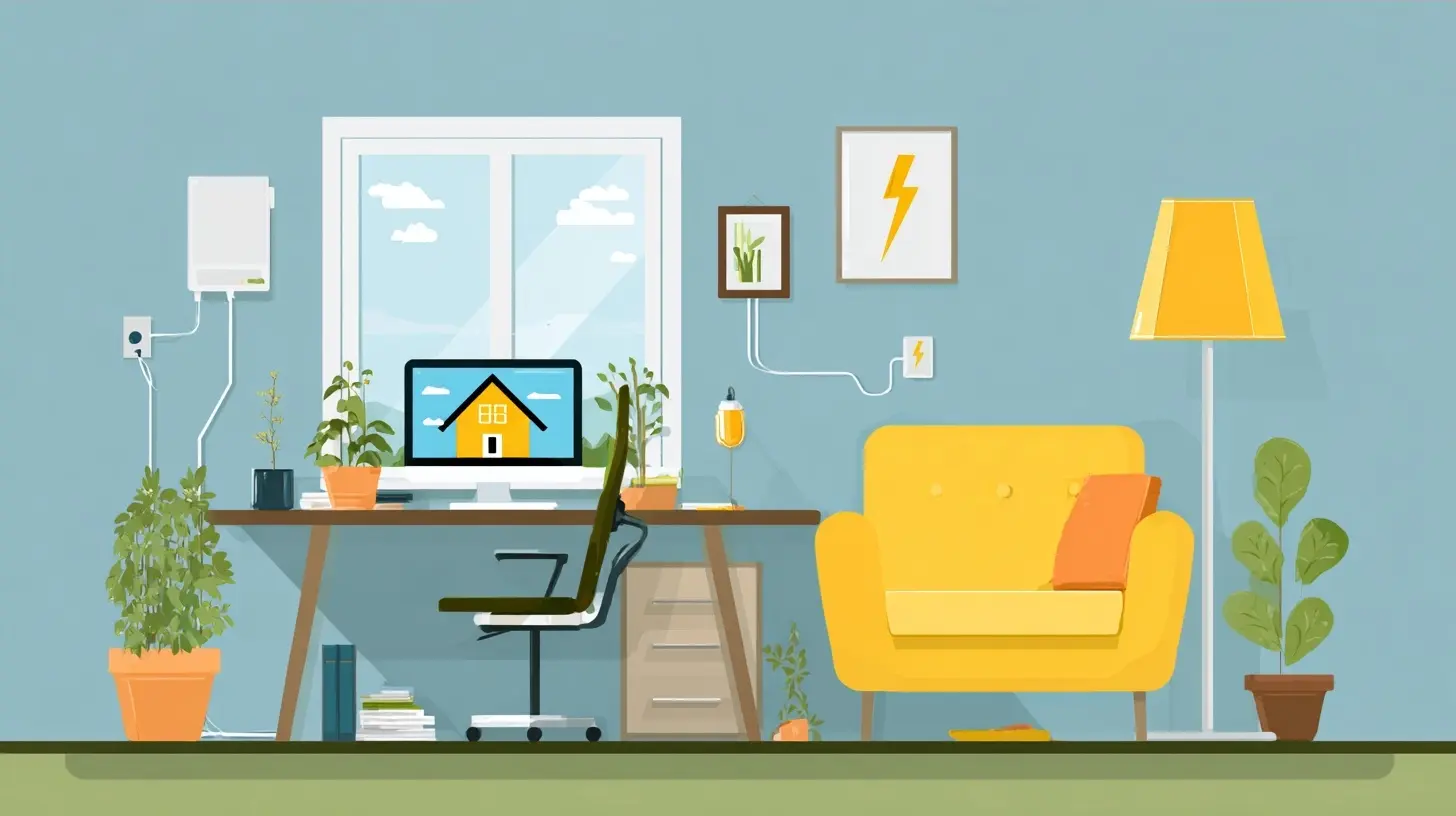
Integrating smart home technology can also enhance energy efficiency. Smart thermostats, lighting controls, and energy monitoring systems allow you to optimize energy usage based on your specific work habits.Tip: Use motion sensors to control lighting in your office, ensuring that lights are only on when the room is occupied.
Heating and Cooling
Efficient HVAC Systems
If your home office is equipped with a heating, ventilation, and air conditioning (HVAC) system, ensure it is energy-efficient. Regular maintenance, such as changing filters and cleaning ducts, can enhance performance and longevity.Trade-Off: While a programmable thermostat can offer convenience, it may require an upfront investment. However, the long-term savings often outweigh the initial costs.
Alternative Heating and Cooling Options
Consider low-energy alternatives for heating and cooling, such as:1. Mini-Split Systems: These systems allow for targeted heating and cooling, reducing energy waste.
2. Ceiling Fans: A ceiling fan can help circulate air and reduce the demand for heating and cooling.
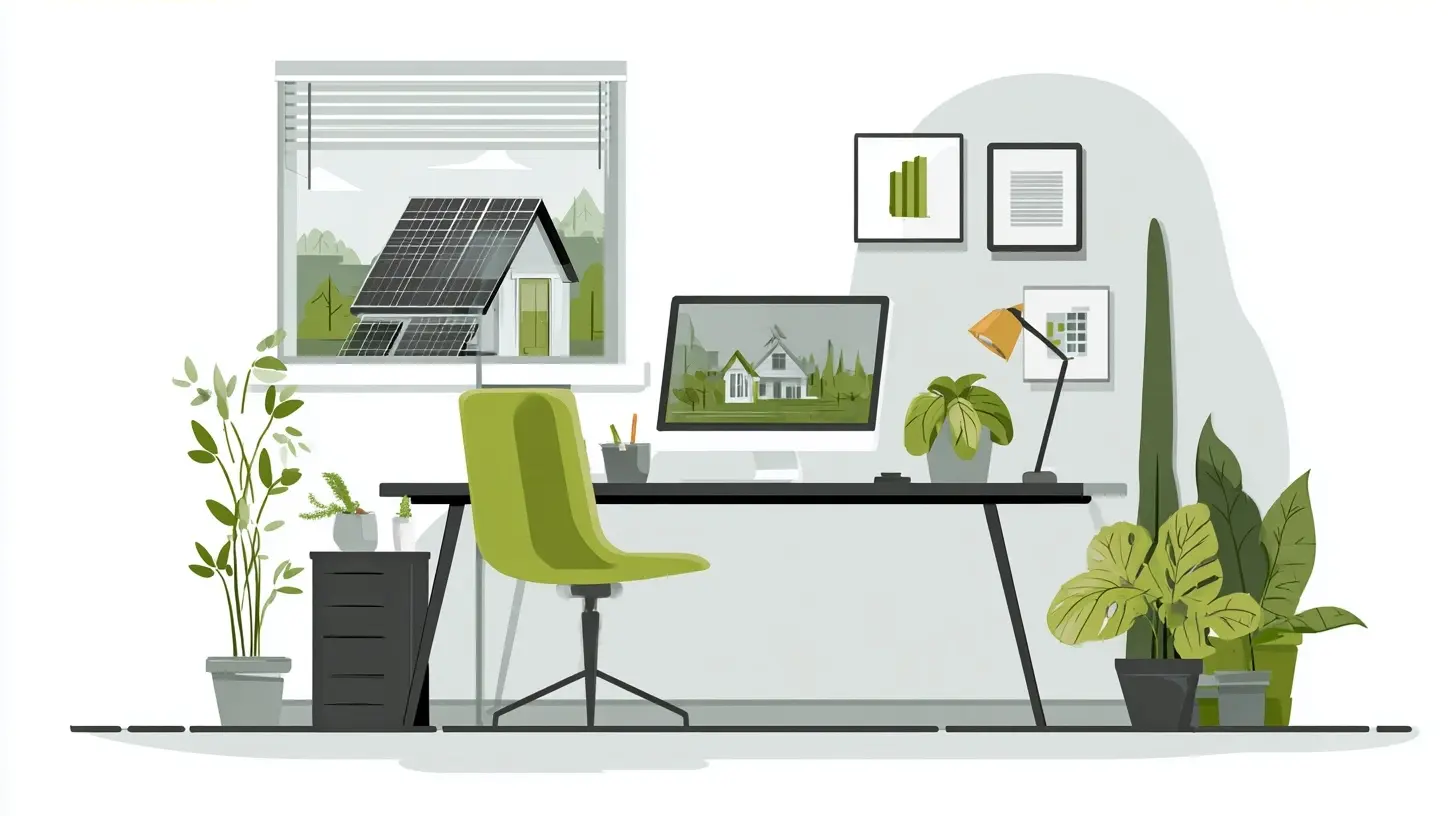
3. Passive Solar Techniques: Positioning your office to take advantage of solar gain can naturally warm the space during colder months.
Selecting Sustainable Materials
Eco-Friendly Furniture
When investing in office furniture, consider materials that are sustainable and have low environmental impact. Look for products made from recycled materials or sustainably sourced wood.Common Misconception: Many assume that eco-friendly materials are more expensive. While some may have a higher upfront cost, they often last longer and can lead to savings in the long run.
Flooring Options
If you are considering new flooring, options like bamboo or cork are sustainable choices that can also provide insulation benefits. They tend to be durable and can contribute to a more energy-efficient space.
Incorporating Plants
Benefits of Biophilic Design
Incorporating plants into your home office can improve air quality and create a more calming atmosphere. Plants absorb carbon dioxide and release oxygen, contributing to a healthier environment.Tip: Choose low-maintenance plants like snake plants or pothos if you don't have a green thumb.
Aesthetic and Functional Value
Plants not only enhance aesthetics but can also help in regulating humidity levels. This can reduce the need for humidifiers or dehumidifiers, further saving energy.Best Practices for Energy Conservation
Daily Habits
Simple daily habits can significantly impact your energy consumption:1. Power Down: Shut down computers and other equipment when not in use, instead of leaving them on standby.
2. Unplug Devices: Many devices continue to draw power even when turned off. Unplugging can prevent phantom energy loss.
3. Use Natural Ventilation: On pleasant days, consider turning off the HVAC system and opening windows for natural airflow.
Periodic Audits
Conducting periodic energy audits can help identify areas where you can improve efficiency. Consider hiring a professional energy auditor or utilize online tools to assess your energy use.
Financing and Incentives
Tax Credits and Rebates
Many governments offer tax credits and rebates for energy-efficient home improvements. Research local programs that may help offset costs for upgrades, such as insulation, energy-efficient appliances, or renewable energy sources.Long-Term Investments
While some energy-efficient upgrades may require significant initial investment, consider them as long-term investments. Energy savings over time can lead to substantial financial benefits.Conclusion
Creating an energy-efficient home office for the 2030s involves thoughtful planning, strategic choices, and a commitment to sustainability. By focusing on energy-efficient technology, sustainable materials, and daily habits that conserve energy, you can create a workspace that is not only comfortable and productive but also aligned with the values of a more sustainable future. As we move closer to the next decade, every step taken toward energy efficiency will contribute to a healthier planet and a more resilient lifestyle.
all images in this post were generated using AI tools
Category:
Home Energy EfficiencyAuthor:

Mateo Hines