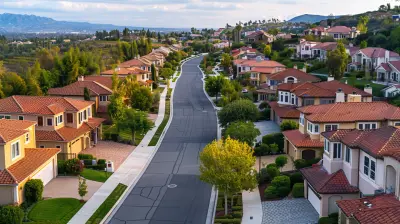
How to Predict Property Value Trends in 2026
28 April 2026
So, you’re thinking about buying, selling, or just holding onto real estate in 2026? Smart move. But here’s the million-dollar question: How do you know which way the market will swing?
Predicting property values isn’t about crystal balls or lucky guesses. It’s about reading the signals—the subtle (and not-so-subtle) shifts in the economy, demographics, and even your local coffee shop’s chatter. Think of it like predicting the weather: you don’t need to be a meteorologist to know a storm’s coming if you feel the drop in pressure and see the dark clouds gathering.
In this article, I’m going to walk you through the exact strategies, data points, and human insights you need to forecast property value trends for 2026. We’ll keep it real, conversational, and packed with actionable advice. No fluff, no jargon—just the stuff that actually works.
Ready? Let’s dive in.
Why 2026 Is a Unique Year for Real Estate (And Why You Should Care)
First, let’s set the stage. 2026 isn’t just another year on the calendar. It’s a year shaped by the aftermath of post-pandemic adjustments, shifting interest rates, and a generation of millennials finally settling down. We’re also seeing a massive wave of Gen Z entering the housing market—and they don’t buy like their parents did.Here’s the thing: property value trends in 2026 won’t follow the same old patterns. The old rule of “location, location, location” is still true, but now it’s “location, infrastructure, and lifestyle.” A house in a quiet suburb might skyrocket if a new tech hub opens nearby, while a downtown condo could stagnate if remote work stays permanent.
So, if you want to predict where values are headed, you need to look at the forces shaping the market—not just last year’s sales data.
The 5 Pillars of Property Value Prediction (Your Forecasting Toolkit)
I like to break this down into five core pillars. Think of them as the legs of a table. If one leg is wobbly, your prediction might tip over. But if all five are solid, you’ve got a rock-solid forecast.1. Macro-Economic Trends (The Big Picture)
You can’t predict property values without understanding the economy. It’s like trying to guess the speed of a car without knowing if it’s on a highway or a dirt road.Interest Rates are the elephant in the room. When rates are low, borrowing is cheap, and prices tend to rise. When rates are high, buyers pull back, and prices cool off. For 2026, most economists expect rates to stabilize—not drop dramatically, but not spike either. That means we’re in a “steady-as-she-goes” phase, which is actually great for predictable growth.
Inflation is another key player. If inflation stays high, the dollar buys less, and people flock to real estate as a hedge. That pushes values up. If inflation cools, you might see slower appreciation. Keep an eye on the Consumer Price Index (CPI)—it’s your best friend here.
Employment Numbers matter too. When jobs are plentiful, people have money to buy homes. When layoffs spike, especially in white-collar sectors, demand drops. For 2026, look at sectors like tech, healthcare, and renewable energy—they’re the engines driving migration.
2. Local Market Dynamics (The Neighborhood Pulse)
Here’s where things get personal. National trends are great, but real estate is hyper-local. A booming market in Austin, Texas, might mean nothing to someone in rural Ohio.Supply and Demand is the most basic rule. If there are more buyers than sellers, prices go up. If inventory piles up, prices drop. For 2026, watch the months of inventory in your area. Anything under 4 months is a seller’s market; over 6 months is a buyer’s market.
New Construction is another clue. If cranes are everywhere and new subdivisions are popping up, that’s a sign of confidence. But if builders are slowing down, it might mean they see a downturn coming.
School Districts are still a massive driver. Even if you don’t have kids, good schools boost property values by 10–20% in many areas. Check the rankings and see if any schools are improving or declining.
3. Demographic Shifts (Who’s Moving Where?)
People are the heart of real estate. If a wave of buyers is heading your way, values will rise. If people are leaving, values will fall.Millennials are now in their peak home-buying years (ages 30–45). They’re looking for affordable starter homes, good schools, and walkable neighborhoods. If your area has that, expect demand.
Gen Z is entering the market earlier than expected. They’re digital natives, so they care about high-speed internet, remote-work infrastructure, and eco-friendly features. Homes with solar panels or smart tech might see a premium.
Retirees are also shifting. Many are selling their large suburban homes and moving to smaller, amenity-rich communities. If your area has a growing 55+ population, that could stabilize or boost values.
4. Infrastructure and Development (The Hidden Catalyst)
This is the secret sauce. Infrastructure projects are like magic fertilizer for property values. A new highway, a light rail station, or a major employer moving in can turn a sleepy town into a hot market overnight.For 2026, look for:
- New transit lines (especially rail or bus rapid transit)
- Tech hubs or data centers being built nearby
- Hospital expansions (healthcare jobs attract families)
- Zoning changes (e.g., allowing higher-density housing)
A great example: In 2023, a small town in Georgia saw property values jump 15% after Amazon announced a new fulfillment center. The same thing happens when Apple or Google opens an office.
5. Consumer Sentiment (The Gut Check)
Last but not least, you have to gauge how people feel about the market. Are they optimistic or scared? This is harder to measure, but it’s real.Housing Market Confidence Index is a good place to start. It measures how many people think it’s a good time to buy or sell. When confidence is high, people act fast. When it’s low, they sit on their hands.
Social Media and Local Forums are surprisingly useful. Spend 10 minutes on Reddit’s real estate threads or Nextdoor in your area. Are people complaining about prices? Celebrating a sale? That sentiment often predicts short-term movement.
How to Actually Use These Pillars (A Step-by-Step Framework)
Okay, so you’ve got the theory. Now let’s put it into practice. Here’s a simple, repeatable process you can use to predict property value trends for 2026.Step 1: Gather Your Data (Don’t Overthink It)
You don’t need a Bloomberg terminal. Start with free tools:- Zillow or Redfin for recent sales and price trends
- FRED (Federal Reserve Economic Data) for interest rates and inflation
- Bureau of Labor Statistics for local employment data
- Local planning department for upcoming developments
Spend 30 minutes pulling numbers for your specific area. Write them down.
Step 2: Look for Patterns (The “So What?” Test)
Don’t just collect data—interpret it. Ask yourself:- Are prices rising faster than the national average? (That’s a red flag for a bubble.)
- Is inventory dropping? (That’s bullish.)
- Are employers moving in or out? (That’s a leading indicator.)
For example, if you see that a new tech company is hiring 500 people in your town, and inventory is low, you can bet prices will rise in 2026.
Step 3: Compare to 2023–2025 Trends
History doesn’t repeat, but it often rhymes. Look at how your area performed during the last rate hike cycle (2022–2023). Did prices drop or just slow down? If your market held steady during tough times, it’s likely resilient in 2026.Step 4: Make a Prediction (And Be Honest About Uncertainty)
Here’s where you write your forecast. Use a simple scale:- Strong appreciation (5%+)
- Moderate appreciation (2–5%)
- Flat (0–2%)
- Decline (negative)
Don’t be afraid to say “I’m not sure.” A good prediction includes a range, like “3–6% appreciation, depending on rates.”
Step 5: Monitor and Adjust
Predictions aren’t set in stone. Check your data every quarter. If interest rates drop unexpectedly, revise your forecast. If a big employer leaves, adjust downward.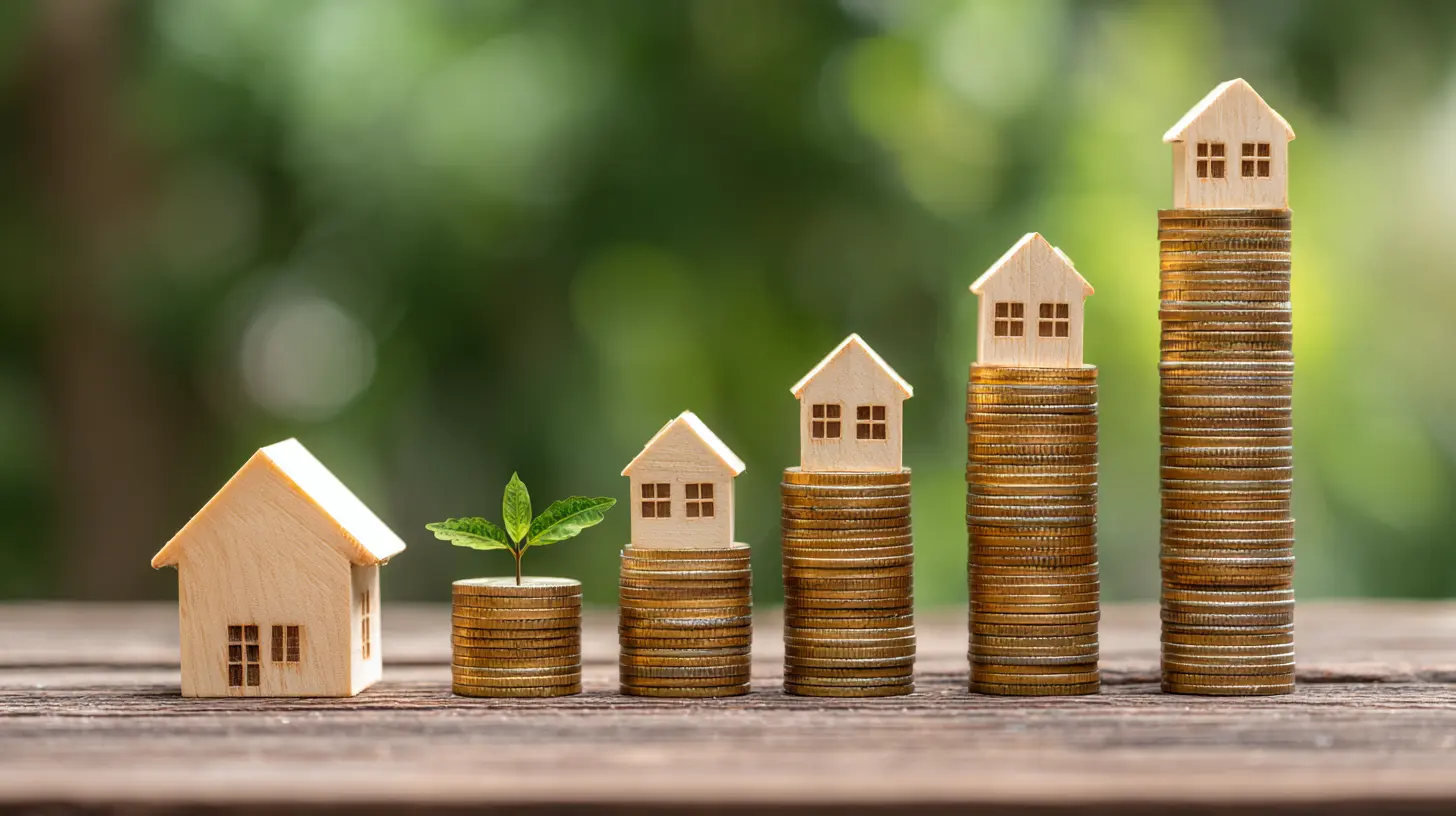
Real-World Example: Predicting a 2026 Boom in a Mid-Sized City
Let me walk you through a hypothetical but realistic scenario.Imagine you live in Riverside, California (a real city with actual trends). Here’s what you’d find:
- Macro: Interest rates are stabilizing, inflation is cooling.
- Local: Inventory is low—only 3 months of supply. New construction is slow because of high material costs.
- Demographics: Millennials are moving from LA for cheaper homes. Remote workers are flocking in.
- Infrastructure: A new commuter rail line to LA is opening in 2025.
- Sentiment: Local forums are buzzing about how “now is the time to buy before prices go up.”
Prediction: Strong appreciation (5–7%) in 2026. Why? Because supply is tight, demand is rising, and a major infrastructure project is about to drop. It’s a perfect storm.
Now, compare that to a city like Youngstown, Ohio, where population is declining and no major employers are moving in. That market might see flat or slightly negative values.
See how the pillars work together?
Common Mistakes to Avoid (Learn From My Blunders)
I’ve made plenty of bad predictions in my time. Here are the three biggest traps:1. Relying Only on Past Performance
“Home prices always go up” is a dangerous myth. Sure, over the long term, real estate appreciates. But in the short term, markets can crash. Don’t assume 2026 will look like 2021.2. Ignoring Local Politics
Zoning laws, rent control, and property taxes can crush values. For example, if a city passes strict rent control, investors might flee, and prices could drop. Always check local government plans.3. Forgetting About Climate Risk
This is huge for 2026. Flood zones, wildfire areas, and hurricane-prone regions are seeing higher insurance costs—and lower demand. If your property is in a high-risk area, values might stagnate even if the rest of the market booms.
Tools and Resources to Stay Ahead
You don’t have to do this alone. Here are my go-to resources for staying ahead of property value trends:- Realtor.com Economic Research (free reports)
- CoreLogic Home Price Index (monthly data)
- Local MLS (Multiple Listing Service) (ask your agent for access)
- Google Trends (search for “homes for sale in [city]” to gauge buyer interest)
- LinkedIn (follow local developers and city planners)
Pro tip: Set up Google Alerts for terms like “[your city] real estate 2026” and “new development [your area].” You’ll get updates before the news cycle catches up.
The Human Element: Why Gut Instinct Still Matters
I know I’ve been talking about data and numbers, but let’s be real—real estate is emotional. You can’t always predict what humans will do.Sometimes, a neighborhood just feels right. Maybe the local farmers market is growing, or a new bakery opened, or the streets are getting safer. Those intangible factors often drive value more than a spreadsheet.
So, here’s my advice: Use the data as your compass, but trust your gut as your map. If you walk through a neighborhood and you’d want to live there, chances are others will too.
Final Thoughts: Your 2026 Prediction Playbook
Predicting property value trends isn’t about being right 100% of the time. It’s about being less wrong than everyone else. By combining macro data, local insights, demographic shifts, and a little bit of intuition, you can spot opportunities before they become obvious.Remember: 2026 is a year of transition. Rates are stabilizing, populations are shifting, and infrastructure is being built. If you pay attention now, you’ll be ahead of the curve when the market moves.
So, go ahead—pull up those Zillow charts, check your local planning board’s website, and start connecting the dots. Your future self (and your portfolio) will thank you.
Now, over to you: What’s one trend you’re seeing in your local market right now? Drop it in the comments—I’d love to hear your take.
all images in this post were generated using AI tools
Category:
Property ValuationAuthor:

Mateo Hines
Discussion
rate this article
2 comments
Logan McGlynn
Great insights! Understanding property value trends can really empower buyers and sellers alike. By considering market data and economic factors, we can make informed decisions that benefit everyone involved. Excited to see how these predictions unfold in 2026 and beyond! Keep up the good work!
June 7, 2026 at 2:55 AM
Mateo Hines
Thank you! I'm glad you found the insights valuable. It's an exciting time to explore these trends, and I appreciate your enthusiasm for what lies ahead. Let's keep the conversation going!
Felicity McGee
This article offers valuable insights into the future of property value trends. Understanding these predictions can empower buyers and sellers alike. Excited to see how these trends unfold in 2026 and beyond!
May 9, 2026 at 4:13 AM
Mateo Hines
Thanks for your thoughts! I'm glad you found the insights valuable. It will be interesting to see how these trends play out in the coming years.