How Developers Can Maximize ROI with Land-Use Efficiency
11 August 2026
Real estate development is all about one thing—getting the highest return on investment (ROI) from every square foot of land. But in today's competitive market, simply putting up a building isn't enough. Developers must be strategic, innovative, and efficient in how they utilize land to maximize its value.
So, how do you squeeze the most out of your land while ensuring sustainability, profitability, and long-term success? Let’s dive deep into the world of land-use efficiency and uncover the best strategies for optimizing ROI.
Understanding Land-Use Efficiency
Before we jump into strategies, let’s break it down—what exactly is land-use efficiency?In simple terms, it’s the practice of utilizing land in the most effective way possible to generate maximum financial returns while balancing environmental and social responsibilities. This involves strategic planning, sustainable practices, and smart design to ensure every square inch serves a purpose.
As land prices continue to skyrocket, developers who fail to capitalize on efficient land utilization leave money on the table. So, let's look at how you can make every inch count.
1. Smart Zoning and Mixed-Use Developments
Make the Most of Zoning Flexibility
One of the biggest challenges in real estate development is working within zoning laws. But what if you could make zoning regulations work for you instead?Many cities are now implementing flexible zoning laws, allowing mixed-use developments. Instead of sticking to single-use buildings (like strictly residential or commercial), why not blend both?
Think about it—combining residential, retail, and office spaces in one development means you’re maximizing land use while catering to multiple markets. Mixed-use developments create vibrant communities where people can live, work, and shop all in one place.
Vertical Expansion: Build Up, Not Just Out
When land is scarce or expensive, sometimes the best direction to go is up. High-rise developments allow you to multiply usable space within the same land footprint. By incorporating multiple floors of residential, office, or retail spaces, you’re optimizing square footage and increasing potential revenue streams.
2. Sustainable and Green Building Practices
Sustainability isn’t just a buzzword—it’s a profitable strategy. Eco-friendly developments not only reduce environmental impact but also attract buyers and tenants willing to pay a premium for green living.Energy Efficiency Equals Cost Efficiency
Implementing energy-efficient designs—such as solar panels, smart HVAC systems, and high-performance insulation—reduces long-term operational costs. This means lower utility bills and higher profit margins for both developers and future occupants.Maximizing Green Spaces
Contrary to popular belief, green spaces don’t take away from profitability—they enhance it. Buyers and renters are increasingly prioritizing access to gardens, parks, and rooftop terraces. These features add aesthetic and functional value, making properties more desirable and boosting their overall worth.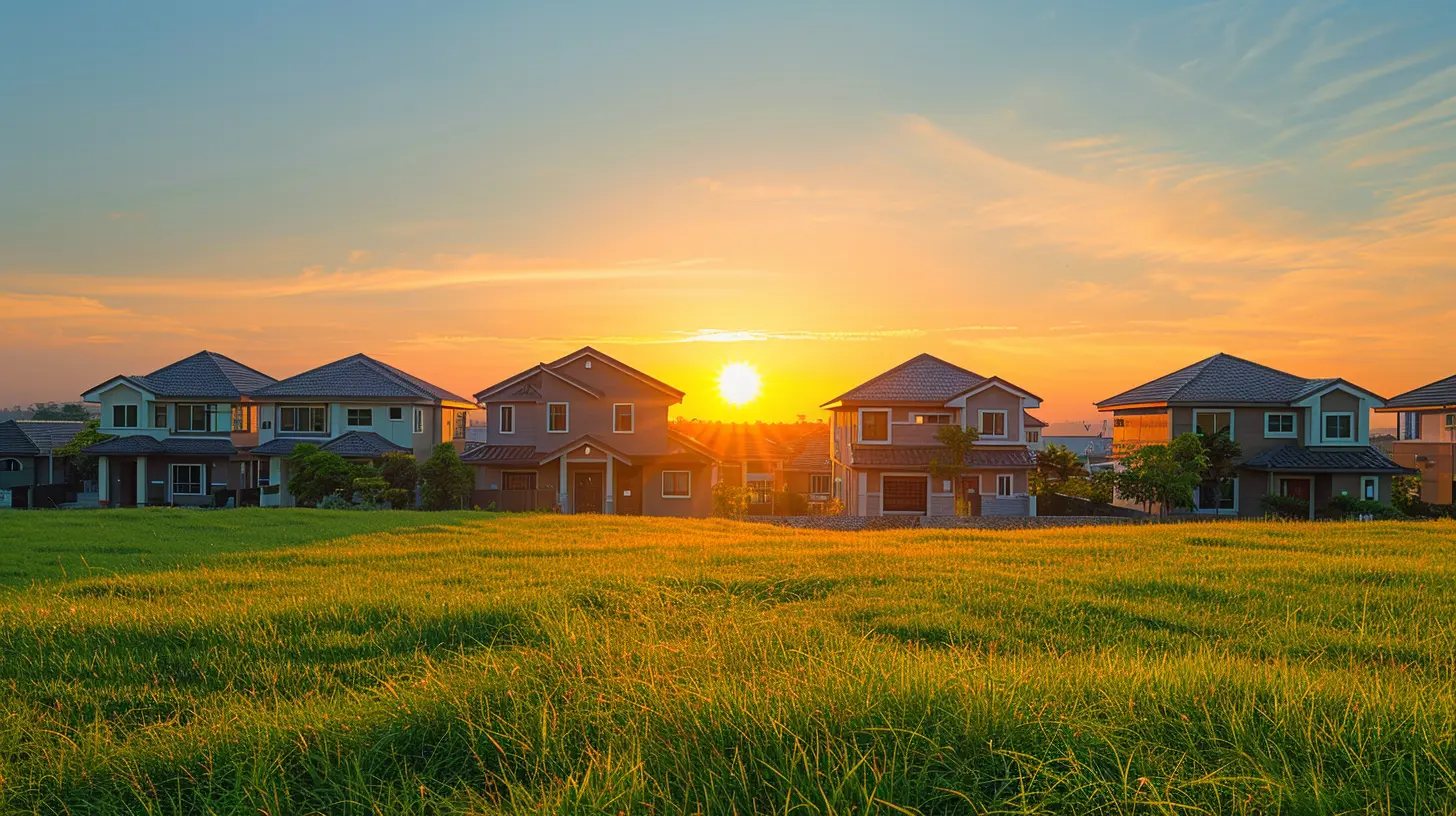
3. Adaptive Reuse and Repurposing Existing Structures
Why start from scratch when you can transform what’s already there? Adaptive reuse is an increasingly popular strategy for maximizing ROI while cutting down on construction costs.Imagine taking an old warehouse and converting it into trendy loft apartments, or repurposing an abandoned shopping center into a modern co-working space. By thinking outside the box, developers can breathe new life into underutilized properties and create high-value assets.
Faster Approvals, Lower Costs
Adaptive reuse often requires fewer permits and zoning adjustments than new developments. Plus, reusing existing structures can significantly reduce material costs, making it a cost-effective alternative to new construction.4. High-Density Housing for Maximum Yield
With urban populations growing and housing demand increasing, high-density housing has emerged as a key strategy for optimizing land use.Multifamily Housing and Apartment Complexes
Developers who prioritize multifamily housing over single-family units can significantly boost ROI. More units mean a steady and diversified income stream, whether through sales, rentals, or property management.Co-Living and Micro-Apartments
Not everyone wants (or can afford) sprawling apartments. Micro-apartments and co-living spaces cater to modern urban dwellers, especially millennials and young professionals looking for affordable yet convenient housing options.By incorporating communal spaces and smart interior layouts, developers can maximize occupancy rates and generate higher revenue per square foot.
5. Transit-Oriented Development (TOD)
The closer a property is to public transportation, the more valuable it becomes. Transit-oriented development (TOD) focuses on building housing, commercial, and mixed-use projects near major transit hubs, making them highly desirable for commuters.Walkability and Connectivity Drive Demand
People love convenience. Developments located near train stations, bus routes, or major highways attract tenants who prioritize accessibility. This not only increases property value but also ensures high occupancy rates.Reduced Parking Needs = More Usable Space
With TOD, car dependency decreases, meaning developers can allocate less space for parking lots and more for revenue-generating amenities—like additional housing units, retail stores, or green spaces.6. Maximizing ROI with Smart Technology and Amenities
Technology is reshaping real estate, and smart developers are leveraging it to increase property value and operational efficiency.Smart Buildings = Higher Value
From automated lighting to smart security systems, integrating technology into developments enhances both functionality and appeal. Tenants and buyers increasingly expect smart home features, and properties that offer them can command higher prices.Amenities That Boost Property Value
Not all amenities are created equal. Developers must choose wisely—features like fitness centers, shared workspaces, rooftop decks, and high-speed internet hubs are in high demand. These additions don’t just attract tenants but also increase property desirability, translating into higher rent and sales prices.
7. Strategic Land Acquisition
The foundation of land-use efficiency starts with purchasing the right piece of land.Target Undervalued Properties
Savvy developers keep an eye out for undervalued or overlooked properties—vacant lots, underutilized commercial spaces, or distressed properties with potential. Buying low and developing strategically is a surefire way to maximize ROI.Consider Emerging Markets
While prime locations are always attractive, emerging areas often offer far higher growth potential. Investing in up-and-coming neighborhoods allows developers to buy land at lower costs while benefiting from appreciation as the area develops.Final Thoughts
Maximizing ROI with land-use efficiency isn’t about cutting corners—it’s about making intentional, strategic decisions that optimize space, reduce waste, and enhance long-term value.By embracing mixed-use designs, sustainable practices, adaptive reuse, and smart planning, developers can unlock the full financial potential of their properties while creating vibrant, livable communities.
So, the next time you’re planning a development, ask yourself: Are you truly making the most of every square foot? If not, now’s the time to start.
all images in this post were generated using AI tools
Category:
Real Estate DevelopmentAuthor:

Mateo Hines
Discussion
rate this article
1 comments
Gideon McQuade
Smart planning and innovative design are key to maximizing ROI.
August 13, 2026 at 3:20 AM