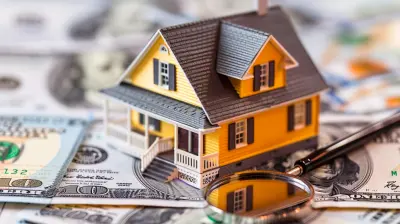
How Government Stimulus Could Influence Housing Prices in 2027
13 October 2026
Housing prices do not move in a vacuum. They respond to credit conditions, supply constraints, household balance sheets, migration patterns, and the broader cost of capital. Government stimulus sits at the center of that web because it can change several of those variables at once. When policymakers inject money into the economy, subsidize borrowing, or support household incomes, the effects ripple through housing demand and supply in ways that are rarely simple.
This article examines how government stimulus could shape housing prices in 2027. It does not predict a single outcome, because no one can. Instead, it maps the transmission channels, the conditions that determine whether stimulus lifts prices or merely stabilizes them, and the trade-offs that buyers, sellers, investors, and policymakers should weigh.

Why 2027 Is a Distinctive Year to Watch
Timing matters in real estate. A stimulus package passed in one year often reaches its peak effect two to three years later. Construction takes time. Permitting takes time. Households adjust slowly. By 2027, several forces will likely converge.First, many economies will still be working through the aftermath of the post-pandemic rate cycle. Central banks that raised rates aggressively may have eased by then, but the neutral rate could settle higher than the pre-2020 norm. That matters because stimulus works differently when baseline borrowing costs are elevated.
Second, demographic pressure remains intense. Millennials are in their peak homebuying years. Gen Z is entering the market. Older homeowners are aging in place, which reduces turnover and tightens supply. Stimulus that boosts demand against a constrained supply base tends to push prices up faster than stimulus that boosts both demand and supply.
Third, housing affordability is already stretched in many markets. When affordability is poor, stimulus can behave unpredictably. It may help marginal buyers enter the market, or it may simply bid up prices for a limited pool of homes.
Fourth, political cycles matter. If 2027 follows a major election cycle in the United States or elsewhere, housing policy could be in active flux. Tax credits, down payment assistance, and zoning reform often gain momentum in the years after elections.

The Main Channels Through Which Stimulus Reaches Housing
Stimulus is not a single tool. It is a category. Each tool transmits into housing prices through a different mechanism, and the timing differs.1. Direct Cash Transfers
Direct payments to households increase disposable income. Some of that money flows into rent, some into down payments, and some into debt reduction. The housing effect depends on how recipients allocate funds. If payments are large and recurring, they can lift rental demand quickly, which in turn supports investor purchases and raises values. If payments are one-time, the effect is usually smaller and shorter.2. Mortgage Rate Subsidies and Buydowns
When the government subsidizes mortgage rates, it lowers the monthly payment for buyers. That increases purchasing power. A buyer who could afford a $400,000 home at 6.5 percent might afford a $460,000 home at 5.5 percent, assuming the same monthly budget. In supply-constrained markets, that extra purchasing power often gets capitalized into prices rather than improving affordability.3. Tax Incentives for Buyers
First-time buyer tax credits, mortgage interest deductions, and capital gains exclusions can all stimulate demand. The critical question is whether the incentive is temporary or permanent. Temporary credits tend to pull forward purchases, creating a demand spike followed by a slowdown. Permanent changes alter long-run expectations and can raise baseline prices.4. Supply-Side Stimulus
Grants for construction, tax credits for affordable housing developers, and infrastructure spending can increase the number of homes. This is the most effective way to improve affordability, but it is also the slowest. A project funded in 2025 may not deliver units until 2027 or later. If supply-side stimulus is large and well targeted, it can offset demand pressure. If it is small or poorly designed, it does little.5. Rental Assistance and Eviction Moratoriums
Rental support stabilizes tenants and landlords. It can prevent forced selling, which supports prices in the short run. But extended moratoriums can discourage new rental construction, which tightens supply later. The net effect on prices depends on how long the support lasts and whether it is paired with new construction incentives.6. Infrastructure and Regional Development
Roads, transit, and broadband can open new areas to development. This expands the effective supply of land. Over time, that can moderate price growth in the newly connected areas, though it may raise prices in the immediately affected zones.
The Supply-Demand Balance Is the Deciding Factor
The single most important variable in this analysis is the elasticity of housing supply. In markets where builders can respond quickly, stimulus tends to produce more construction and less price inflation. In markets where zoning, land costs, and permitting block new supply, stimulus mostly bids up prices.Consider two metros. Metro A has permissive zoning, abundant land, and a fast permitting process. Metro B has strict zoning, limited land, and slow approvals. If both receive the same demand-side stimulus, Metro A will see more construction and moderate price growth. Metro B will see sharper price increases because the supply response is weak.
This is why national stimulus programs produce uneven regional outcomes. Buyers in restrictive markets should expect stimulus to raise prices more than buyers in flexible markets. Sellers in restrictive markets benefit most. Renters in both markets face pressure if new supply does not materialize.
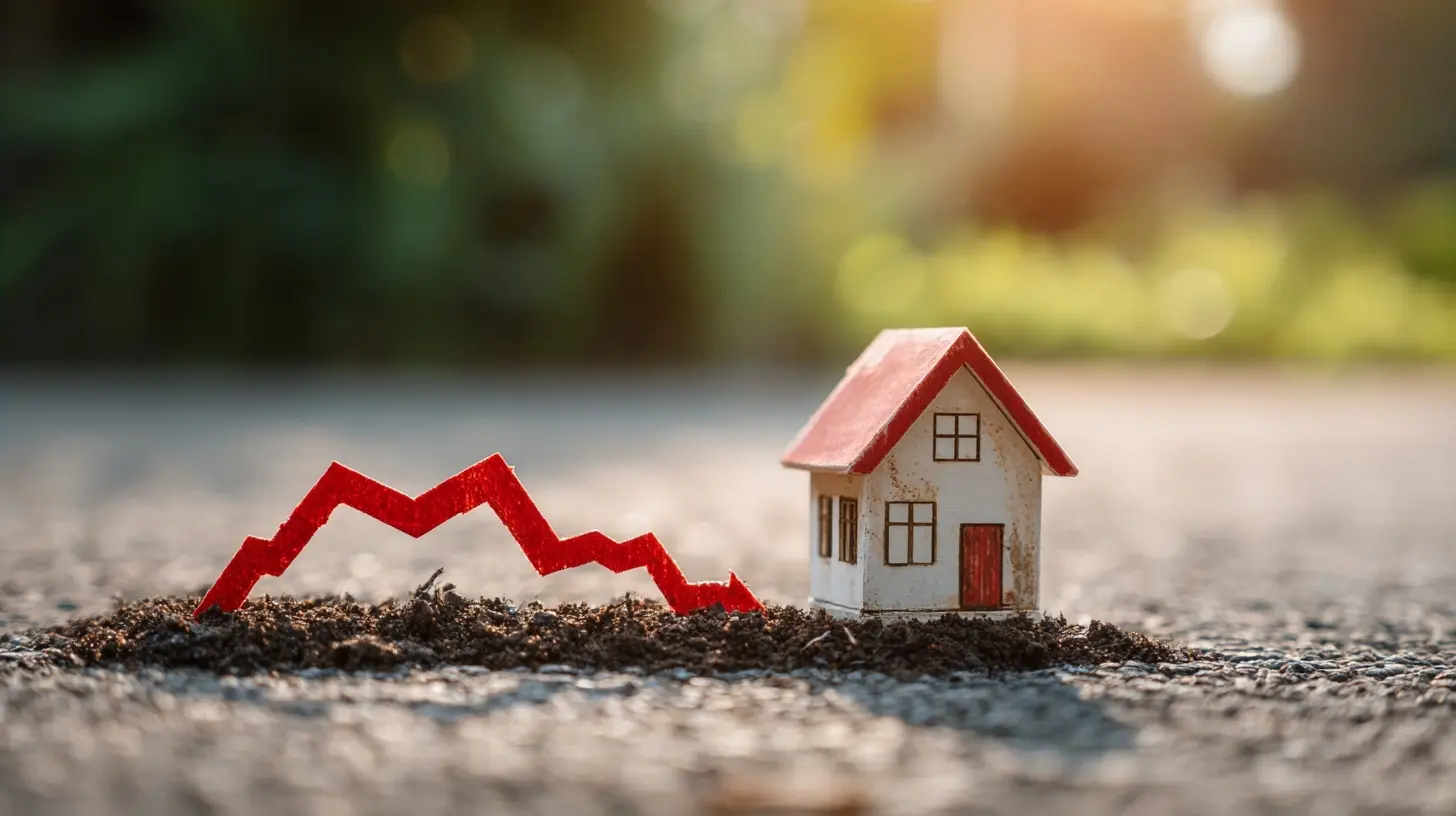
How Interest Rate Policy Interacts With Fiscal Stimulus
Fiscal stimulus and monetary policy are not independent. If the government injects money while the central bank is tightening, the two forces partially cancel. If fiscal stimulus arrives when the central bank is easing, the effect on housing demand is amplified.By 2027, the rate environment will likely be different from the 2022 to 2024 period. If inflation is under control and rates have fallen, stimulus will pack more punch. If inflation resurges and rates stay high, stimulus may be offset by higher borrowing costs.
This interaction is often misunderstood. Many people assume stimulus always raises prices. In practice, it raises prices only when it is not fully offset by tighter monetary conditions or by new supply.
What History Suggests Without Overstating It
Past stimulus programs offer useful analogies, though no two cycles are identical. The post-2008 housing recovery was shaped by a mix of low rates, tax credits, and foreclosure mitigation. The pandemic-era stimulus produced a sharp surge in housing demand, partly because remote work changed where people wanted to live and partly because rates fell to historic lows.The lesson is not that stimulus always causes a boom. The lesson is that stimulus amplifies whatever trend is already present. If the underlying market is tight, stimulus accelerates price growth. If the market is oversupplied, stimulus may only slow the decline.
Practical Scenarios for 2027
Rather than pretend to know the future, it helps to outline plausible scenarios and their implications.Scenario 1: Broad Demand-Side Stimulus With Limited Supply Response
In this scenario, tax credits, down payment assistance, and rate buydowns are enacted, but zoning reform stalls and construction lags. Prices rise in most markets, especially in supply-constrained metros. Affordability worsens for buyers who do not qualify for the programs. Renters face higher rents as investors compete for limited inventory.Scenario 2: Balanced Stimulus With Strong Supply Measures
Here, demand support is paired with serious funding for construction, permitting reform, and infrastructure. Price growth is moderate. Affordability improves at the margin, though the benefits take time to appear. This is the most favorable outcome for long-term housing stability, but it is also the hardest to achieve politically.Scenario 3: Stimulus Offset by Tight Monetary Policy
If inflation forces the central bank to keep rates high, the stimulative effect on housing is muted. Prices may flatline or decline in real terms. Cash buyers and investors with low leverage gain relative advantage. First-time buyers still struggle.Scenario 4: Targeted Stimulus for Specific Groups
Programs aimed at veterans, first-time buyers, or low-income households can raise prices in the specific segments they touch. The overall market may be unaffected, but the targeted segment sees price inflation. This is a common and often overlooked outcome.Common Mistakes Buyers and Investors Make
Mistake 1: Assuming Stimulus Means Guaranteed Price Growth
Stimulus is one input among many. If supply rises, rates climb, or the labor market weakens, prices can fall even with stimulus in place.Mistake 2: Ignoring Local Supply Conditions
National headlines rarely reflect local reality. A buyer in Austin, Texas faces a different market than a buyer in San Francisco or Boise. Always analyze the local supply-demand balance before acting on macro news.Mistake 3: Overleveraging on the Expectation of Future Stimulus
Buying beyond your means because you expect a government program to bail you out is a dangerous strategy. Programs are uncertain, often income-tested, and rarely as generous as rumors suggest.Mistake 4: Confusing Price Growth With Value Growth
A stimulus-driven price increase is not the same as an improvement in underlying value. If prices rise because of cheap credit rather than higher incomes or better amenities, the gains may be fragile.Mistake 5: Selling Too Early or Too Late
Sellers who expect a stimulus-driven spike may hold out for unrealistic prices. Sellers who panic before stimulus arrives may leave money on the table. The right timing depends on your local market and your personal goals, not on headlines.
Best Practices for Navigating a Stimulus-Influenced Market
Focus on your holding period. If you plan to own for ten years, short-term price swings matter less. If you plan to sell in two years, timing and local conditions matter enormously.Stress-test your budget. Assume rates could be higher than expected. Assume maintenance costs will rise. Do not rely on future stimulus to make your payment affordable.
Study local supply pipelines. Check building permits, zoning changes, and planned developments. A wave of new supply can cap price growth even when demand is strong.
Diversify your exposure. If you invest in real estate, consider markets with different supply profiles. A restrictive market and a flexible market will respond differently to the same stimulus.
Watch the details of legislation. The difference between a tax credit and a tax deduction, or between a grant and a loan, can change the housing impact significantly. Read the fine print.
Consult professionals who know your market. National experts can explain trends. Local agents, lenders, and appraisers can explain your specific situation.
What Policymakers Should Consider
Stimulus designed without regard for supply is a recipe for price inflation. The most effective housing stimulus combines demand support with aggressive supply expansion. It also avoids cliff effects, where benefits end abruptly and cause sudden market disruptions.Policymakers should also consider regional differences. A program that works in a flexible market may backfire in a restrictive one. Targeted, place-based approaches often outperform one-size-fits-all national programs.
Finally, transparency matters. When households and builders understand the rules and timelines, they can plan. Uncertainty itself can distort markets, sometimes more than the policy does.
Key Takeaways
Government stimulus can influence housing prices in 2027, but the direction and magnitude depend on context. Demand-side stimulus in a supply-constrained market tends to raise prices. Supply-side stimulus in a flexible market tends to improve affordability. The interaction with monetary policy, the timing of implementation, and the specifics of program design all matter.Buyers should not assume stimulus will make housing cheaper. Sellers should not assume it will create a windfall. Investors should analyze local supply conditions rather than reacting to national headlines. The most reliable strategy is to understand your market, manage your finances conservatively, and make decisions based on your own timeline and goals.
all images in this post were generated using AI tools
Category:
Housing BubbleAuthor:

Mateo Hines
Discussion
rate this article
1 comments
Finn Sweeney
In the quiet dance of markets, government whispers can stir the tide. By 2027, watch how policy shapes dreams of home, a delicate balance of need and desire, where hope seeks its place under the sky.
October 13, 2026 at 2:47 AM