Reducing Your Carbon Footprint with Sustainable Living Spaces
5 January 2026
Let’s face it — we’re at a tipping point with our environment. From rising global temperatures to never-ending plastic waste, the world is begging us to rethink how we live. And since we all have to live somewhere, why not start with our homes? Your living space can do more than just give you shelter; it can actively help reduce your carbon footprint.
If you're wondering how sustainable living spaces play into all this, keep reading. We're going to walk through what sustainable housing really means, how it helps the environment (and your wallet), and actionable steps to make your home more planet-friendly.
What Exactly Is a Sustainable Living Space?
Let’s not overcomplicate it. A sustainable living space is simply a home that’s built or modified with eco-friendly materials, uses energy efficiently, and minimizes waste. Picture a home that works like a hybrid car — smart, efficient, and built to leave a lighter footprint.Sustainable homes are designed to:
- Consume less energy and water,
- Reduce greenhouse gas emissions,
- Use renewable or recycled materials,
- Blend in with the natural environment,
- Create healthier indoor air quality.
Sound too good to be true? It’s not. And the best part? You don’t need to live off-grid in a solar-powered cabin to make a difference. Plenty of changes can be made whether you live in a small apartment or a big house in the suburbs.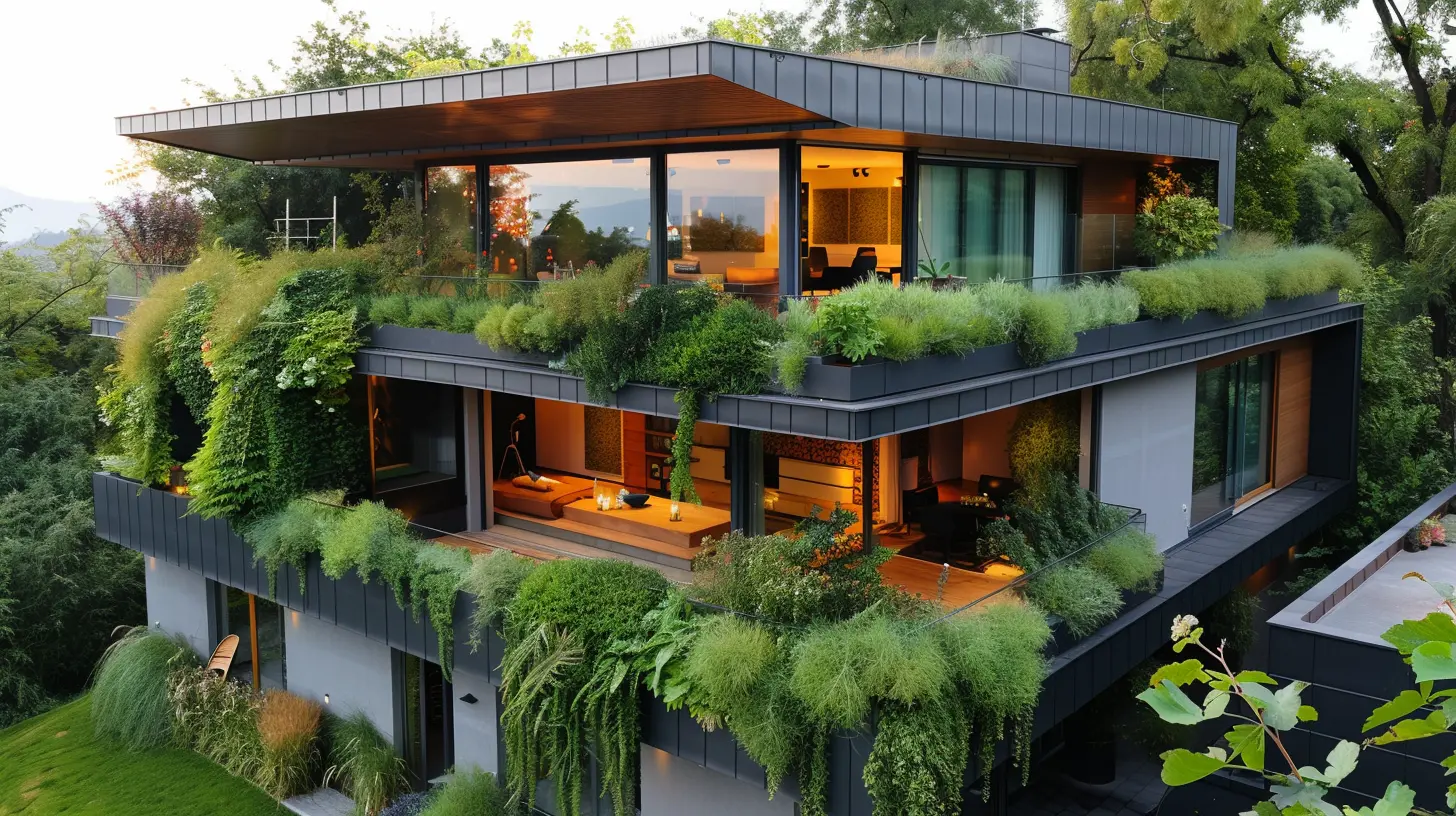
Why Should You Care About Reducing Your Carbon Footprint?
We hear the term “carbon footprint” a lot, but what does it really mean? It’s basically the total amount of greenhouse gases — especially carbon dioxide — that are generated by our actions. Driving our cars, heating our homes, charging our devices… it all adds up.And here’s the kicker: Buildings account for nearly 40% of global carbon emissions. Yep, you read that right. That means your home has a major role to play in fighting climate change.
So, by making smarter choices where we live, we’re not just reducing emissions — we’re also saving money, improving our health, and building a better future. It’s a win-win-win.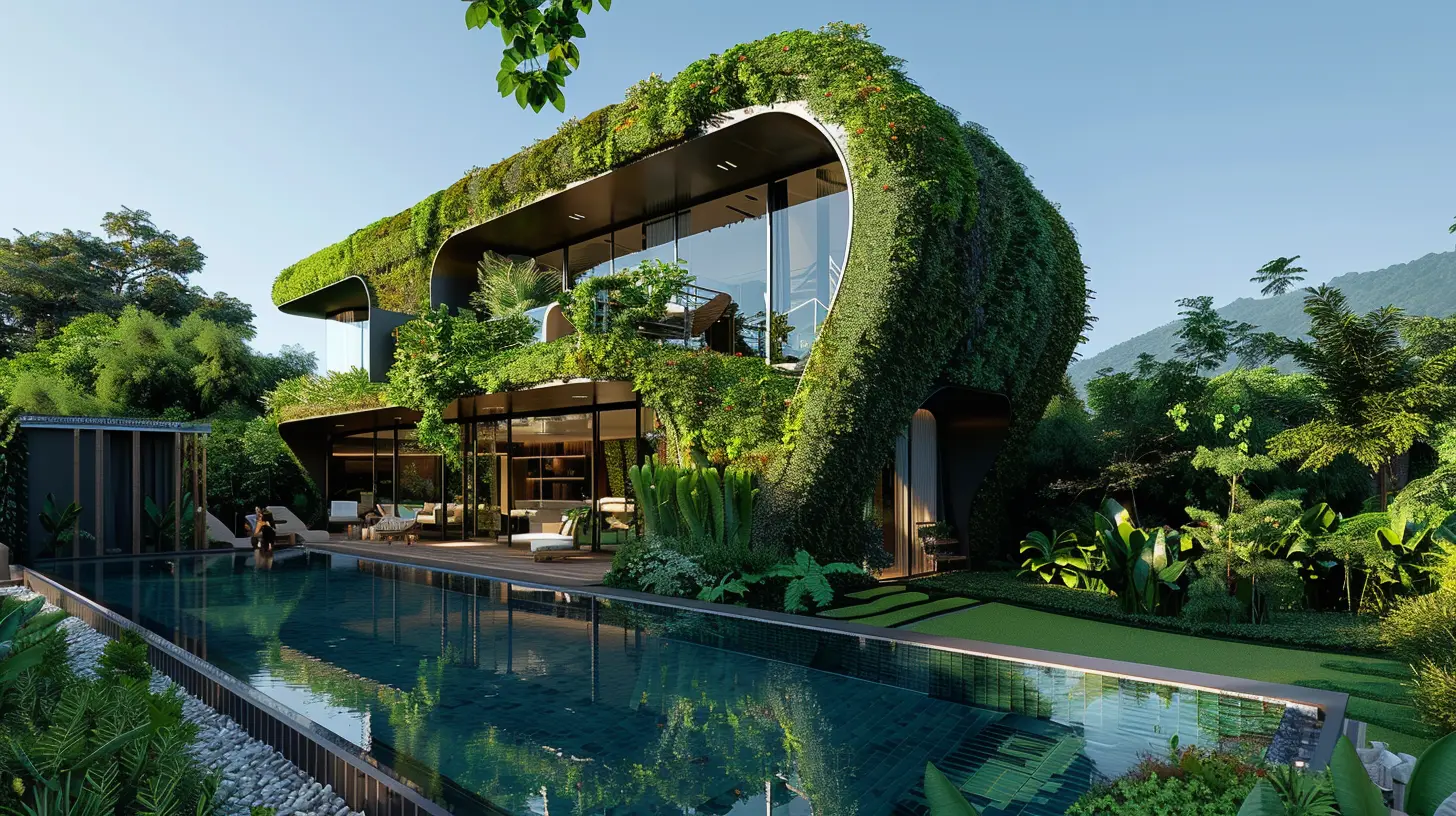
How Sustainable Living Spaces Reduce Your Carbon Footprint
Let’s dig into the nuts and bolts. What exactly makes a home “sustainable,” and how does that translate to a lower carbon footprint?1. Energy Efficiency: Less Wattage, More Savings
This is where a lot of the magic happens. Sustainable homes are insulated better, sealed tighter, and use efficient heating and cooling systems. We're talking smart thermostats, LED lighting, and Energy Star-rated appliances.- Insulation & Windows: Quality insulation and double/triple-pane windows mean your home retains heat in the winter and cool in the summer. Translation? Less time running the heater or A/C.
- Solar Panels: Invest once, save for decades. Solar panels take advantage of free, clean energy from the sun.
- Appliances & Lighting: Swapping out older appliances for high-efficiency models and switching to LEDs can dramatically cut energy use.
2. Water Conservation: Every Drop Counts
Water waste isn’t just about dryness — it takes energy to pump, heat, and treat water.- Low-flow fixtures: Toilets, faucets, and showerheads that use less water but still get the job done.
- Rainwater Harvesting: Collect rain in barrels to water your garden or wash your car.
- Greywater Systems: Reuse water from sinks and showers to flush toilets or irrigate landscaping.
3. Sustainable Materials: Built to Last (and Love the Planet)
Let’s talk materials. A sustainable home uses resources that are renewable, recycled, or non-toxic.- Bamboo Flooring: Grows fast, looks great, and holds up over time.
- Recycled Steel or Wood: Gives old materials a new life without extra emissions.
- Low-VOC Paints: Volatile organic compounds (VOCs) can mess with your indoor air. Low-VOC paints = cleaner air.
4. Smarter Design: Small Things, Big Impact
Design matters. Sustainable homes aren’t just eco-friendly — they’re smartly laid out to maximize natural light and airflow.- Passive Solar Design: Large south-facing windows can heat your home naturally during the winter.
- Cross Ventilation: Properly placed windows allow cool breezes to flow through, reducing the need for A/C.
- Compact Living: Smaller homes use fewer materials, consume less energy, and are easier to maintain.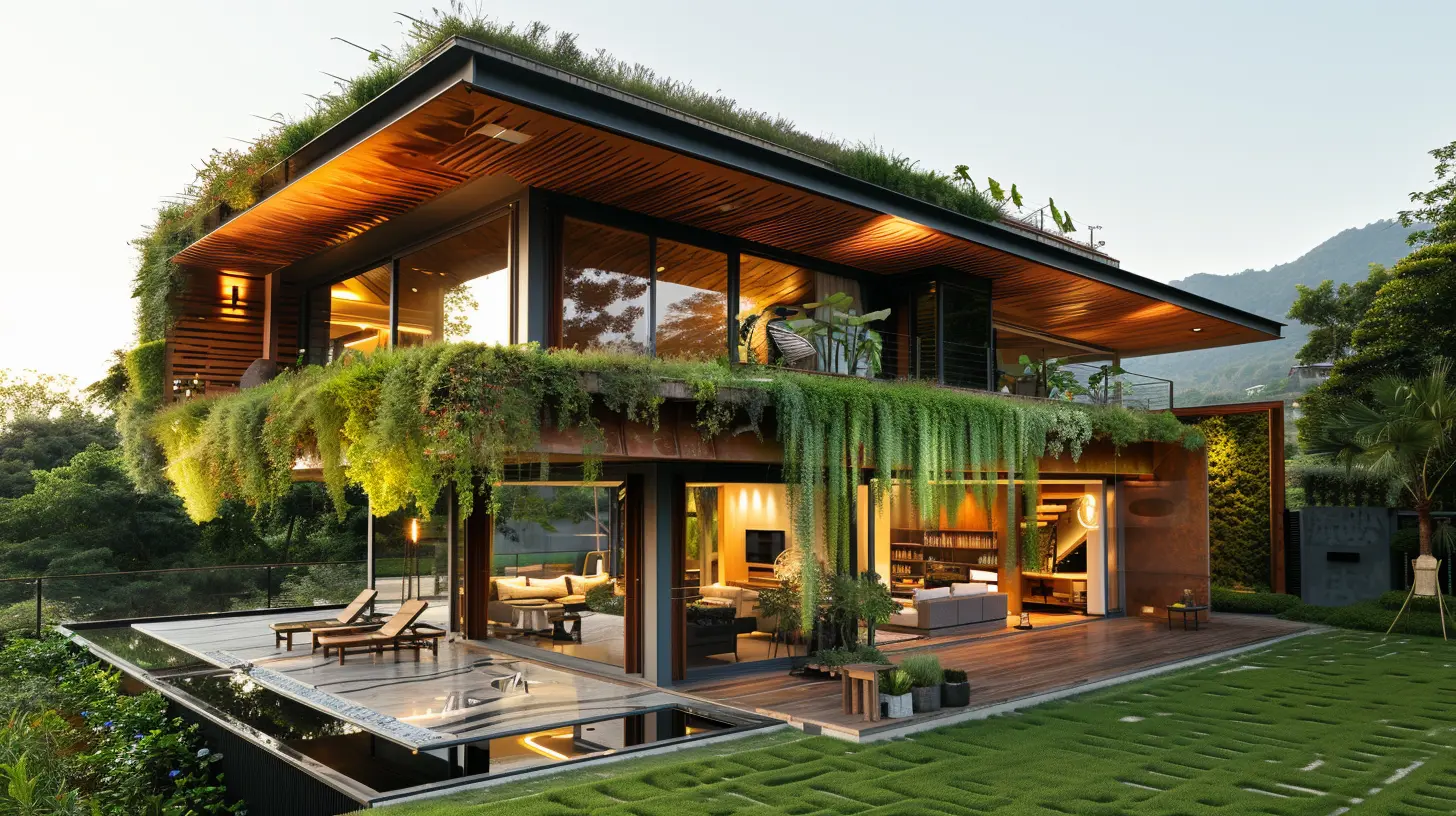
Don’t Own? You Can Still Live Sustainably
Maybe you’re renting or not ready for a full renovation. That’s totally fine. There are still plenty of small tweaks you can make to cut down on your carbon footprint.- Use LED bulbs in every lamp.
- Unplug electronics when they’re not in use (yes, that phone charger is still sucking energy when not charging).
- Put up blackout curtains to regulate indoor temps.
- Add some indoor plants — they purify the air and make the space feel fresh.
How Green Homes Affect Your Wallet
Let’s talk money — because saving the planet doesn’t have to drain your bank account. In fact, sustainable living can actually save you a ton in the long run.- Lower Energy Bills: Efficient homes can cut your energy use by 30% or more.
- Tax Incentives: Many governments offer rebates for installing solar panels or energy-efficient systems.
- Increased Property Value: Green homes are in demand. Buyers are willing to pay more for sustainable features.
- Lower Maintenance Costs: Quality, sustainable materials tend to last longer and require fewer repairs.
Think of it like this: investing in sustainability is like planting a money tree in your backyard. It might need a little care in the beginning, but it’ll pay you back for years to come.
Sustainable Communities: It’s Not Just About One House
Creating a sustainable living space isn’t just an individual effort — entire neighborhoods are getting in on the action. Developers, architects, and city planners are designing communities that prioritize sustainability from the ground up.We're seeing developments that include:
- Community solar farms
- Shared green spaces and gardens
- Bicycle infrastructure
- Public transport access
- Home designs that meet LEED or Passive House standards
When the whole community commits to living sustainably, the impact multiplies fast.
Your Action Plan: Steps to Make Your Space More Sustainable
Ready to roll up your sleeves? You don’t have to do everything at once. Start small and build momentum. Here’s a checklist to get you going:Immediate Wins (No Renovation Needed)
- Switch to LED lighting throughout your home.- Use smart power strips to avoid phantom energy use.
- Install a programmable or smart thermostat.
- Opt for natural cleaning products.
- Buy second-hand furniture or decor.
Mid-Term Projects (Weekend Warrior Style)
- Seal windows and doors to prevent drafts.- Install low-flow showerheads and faucet aerators.
- Start composting kitchen scraps.
- Plant a pollinator-friendly garden.
- Add insulation in the attic or crawl space.
Long-Term Investments
- Replace old HVAC systems with high-efficiency models.- Add solar panels or a solar water heater.
- Replace windows with energy-efficient models.
- Install a rainwater harvesting system.
- Consider a full home energy audit.
Final Thoughts: Every Step Counts
Look, we’re all part of the problem — but that means we all get to be part of the solution. Whether you're buying, building, renting, or just dreaming about your future home, adopting sustainable living practices is one of the most powerful things you can do for the planet (and yourself).Let’s stop thinking of “eco-friendly” as a trend and start treating it as the new normal. After all, our homes are where we live, love, grow… and maybe even change the world — one light bulb, one solar panel, one green choice at a time.
all images in this post were generated using AI tools
Category:
Green HomesAuthor:

Mateo Hines
Discussion
rate this article
2 comments
Ryan McBride
Great insights! Embracing sustainable living not only benefits the planet but enhances our quality of life.
January 20, 2026 at 5:03 AM
Mateo Hines
Thank you! I completely agree—sustainable living is a win-win for both our planet and our well-being.
Makayla McClendon
Embracing sustainability enriches lives and protects our planet.
January 6, 2026 at 5:29 AM
Mateo Hines
Absolutely! Sustainable living not only benefits the environment but also enhances our quality of life.