How Location Plays a Key Role in New Construction Sales
9 February 2026
When it comes to buying a new home, there’s one factor that stands out above the rest: location. Sure, fancy features and modern designs are great, but where a home is built can make or break the deal. Whether you're a homebuyer, a real estate investor, or a developer planning a new project, understanding why location is so crucial can help you make smart decisions.
Let’s dive into why location is the secret ingredient that drives new construction sales and what buyers look for when choosing where to settle down.
1. The Golden Rule of Real Estate: Location, Location, Location
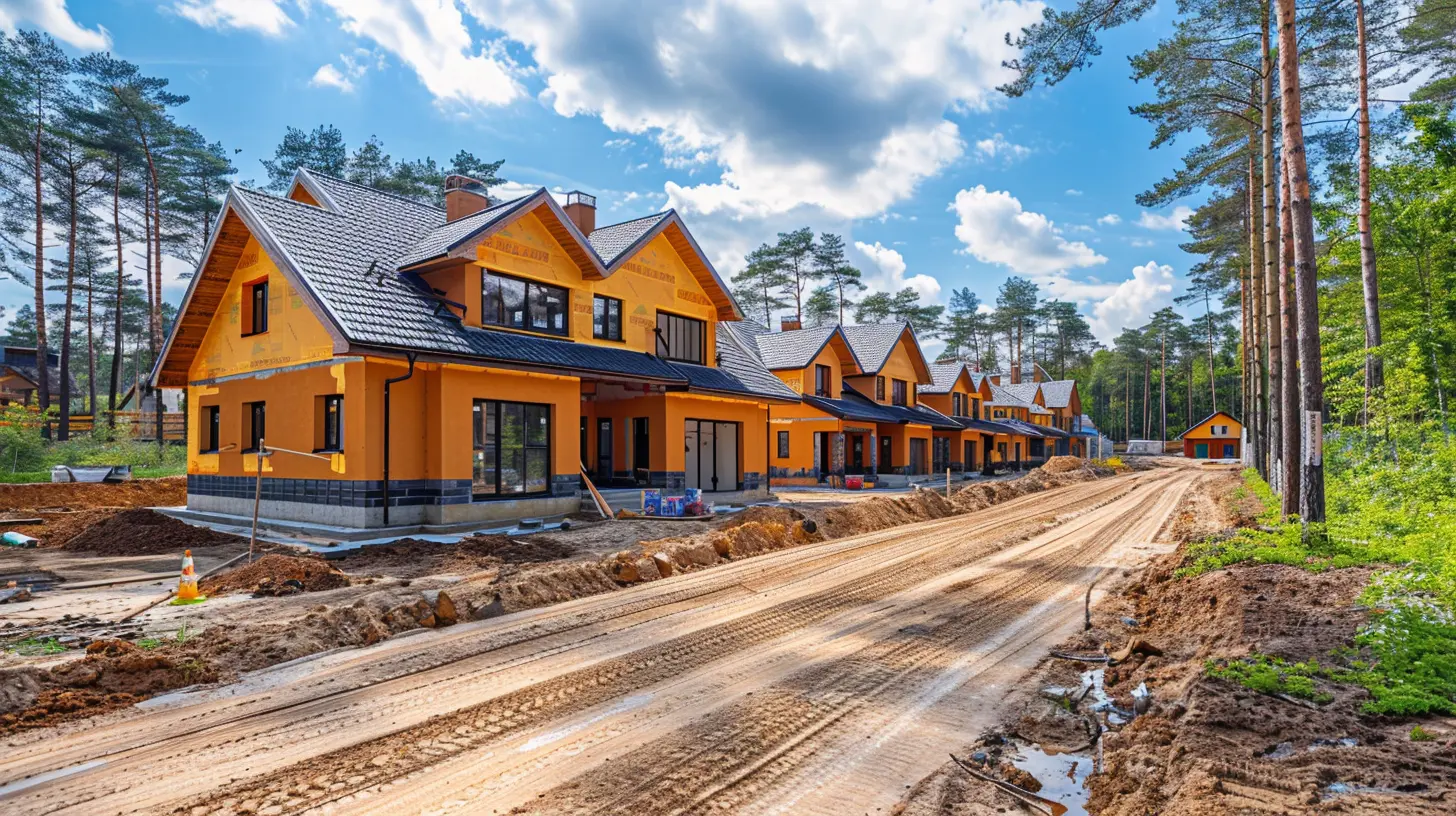
You’ve probably heard this phrase a thousand times, but it’s for a good reason. Location isn't just a factor in real estate—it’s the factor. A home can be remodeled, upgraded, or expanded, but its location? That’s set in stone.No matter how stunning a home may be, if it’s in an undesirable area, it’ll struggle to attract buyers. On the flip side, even a modest home in a prime location can sell like hotcakes.
2. Accessibility and Convenience Matter
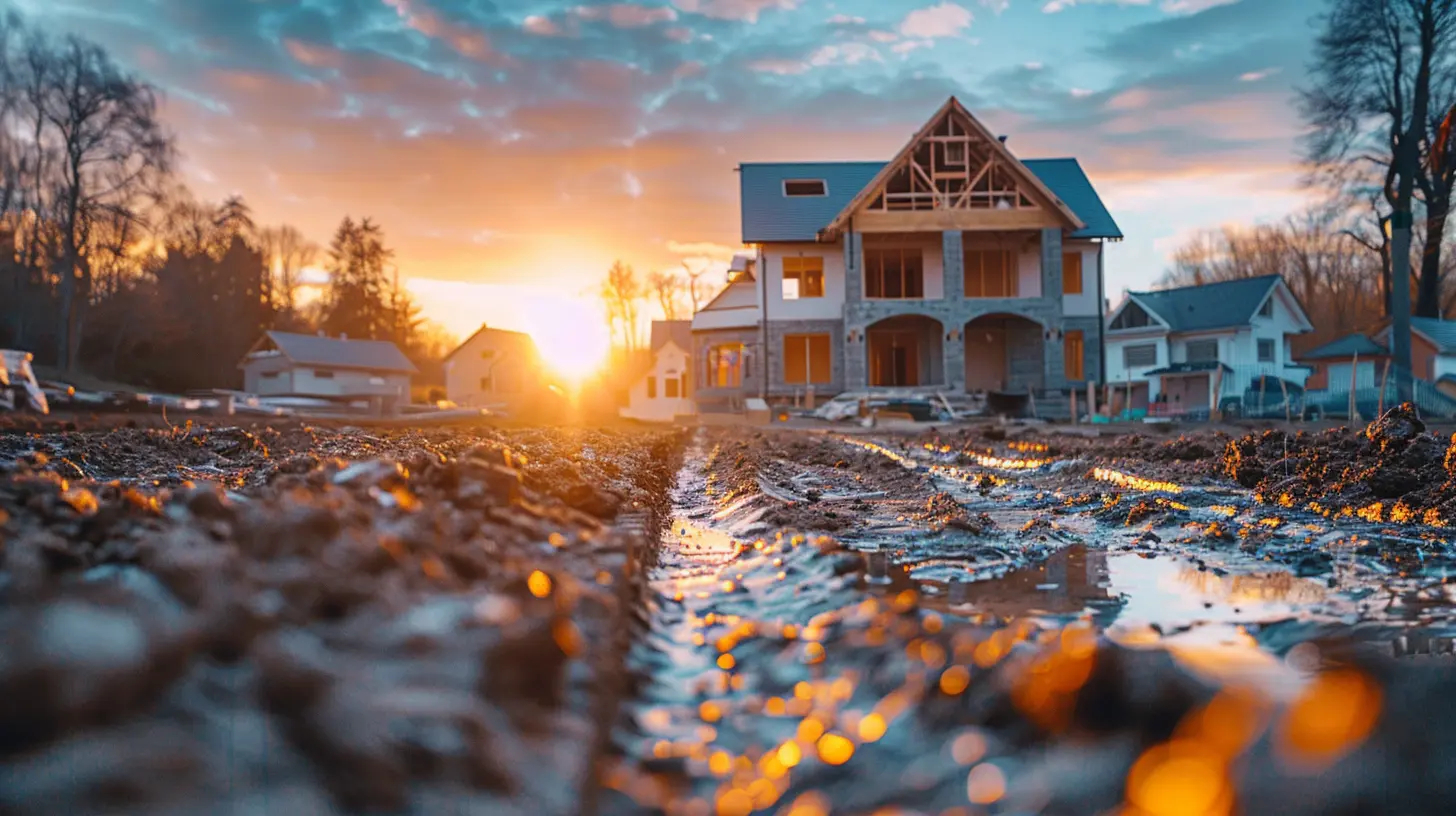
One of the first things buyers consider is how easily they can get to work, school, shopping centers, and entertainment spots. A well-located home should offer:- Proximity to Major Roads and Highways – Nobody likes spending hours in traffic. Easy access to main routes is a huge selling point.
- Public Transportation Options – Especially in urban areas, buyers love homes near bus stops, train stations, or subway lines that make commuting a breeze.
- Nearby Essentials – Grocery stores, hospitals, and pharmacies should be a short drive (or even a walk) away.
A home in a convenient location makes daily life smoother, and that’s something buyers are always willing to pay more for.
3. Quality of Schools: A Game-Changer for Families
For families with kids, school districts can be a deal-breaker. Even buyers without children often consider school quality because good schools boost property values. Homes in areas with top-rated schools tend to sell faster and at higher prices. Developers planning new constructions often target locations near excellent schools because they know it’s a massive selling point.
4. Crime Rates and Safety Concerns
Safety is non-negotiable. Buyers want to live in a community where they feel secure. Areas with low crime rates, well-lit streets, and active neighborhood watch programs tend to attract more buyers.Developers take crime statistics seriously when selecting land for new construction. Even luxury homes will struggle to sell if they’re located in a high-crime area.
5. The Power of Neighborhood Amenities
A thriving neighborhood with parks, restaurants, coffee shops, gyms, and entertainment options adds serious appeal. People don’t just buy a home—they buy into a lifestyle.Walkability is also a massive plus. A location where you can grab a coffee, go for a jog, or take your kids to the park without hopping in the car? That’s real estate gold!
6. Future Growth and Development: The Hidden Gem Factor
Savvy buyers and investors don’t just look at what a location offers today—they think about the future. Areas with planned developments, business expansions, or new infrastructure projects signal growth potential.- A new shopping mall or business park? Property values could skyrocket!
- A planned highway extension? Faster commutes can make a location more desirable.
- Upcoming public transportation improvements? More accessibility means higher demand.
New construction projects in areas with strong future growth prospects tend to sell fast because buyers see the investment potential.
7. Resale Value: Thinking Ahead
Even if buyers plan to live in their new home forever, life happens. Job relocations, growing families, or changing needs might require them to sell. That’s why smart buyers think about resale value before committing.Homes in prime locations hold their value better—and in many cases, appreciate significantly over time. This makes location a critical factor not just for immediate sales but also for long-term investment potential.
8. The Emotional Factor: What Feels Like Home?
Beyond all the practical reasons, location also tugs on the heartstrings. Some buyers want to be in the heart of a bustling city, while others prefer the peace of suburban life. For some, being near a beach, lake, or mountain is a dream come true.People don’t just buy homes based on logic—they make decisions based on emotions and gut feelings. If a location speaks to them, they’re far more likely to seal the deal.
9. The Role of Builders and Developers in Choosing the Right Location
Homebuilders and developers don’t just pick land randomly. A ton of research goes into selecting the right spot for new construction projects. They analyze:- Market trends and demand
- Local economic conditions
- Infrastructure and amenities
- Future growth potential
The goal? Building in locations where homes will fly off the market.
Conclusion
At the end of the day, location is the cornerstone of real estate success. Whether you're buying, selling, or building, choosing the right spot can mean the difference between a home that sits on the market and one that sells in record time.So, the next time you’re eyeing a new construction home, remember: You can change almost everything about a house—but you can’t change its location!
all images in this post were generated using AI tools
Category:
New ConstructionAuthor:

Mateo Hines
Discussion
rate this article
2 comments
Kyle Montgomery
Location isn't just an address; it’s the heartbeat of opportunity. Choose wisely, and watch your investment thrive!
February 19, 2026 at 3:23 AM
Mateo Hines
Thank you for your insightful comment! You're absolutely right—location truly shapes the potential success of new construction projects.
Orionyx Thornton
Location: the magic word that turns 'dream home' into 'where did I park my unicorn?' If you’re building new, remember: your house might be glorious, but if it’s next to a llama farm, prepare for some serious ‘neigh-sayers’ at open houses!
February 13, 2026 at 3:39 AM
Mateo Hines
Great point! Location can make or break a home’s appeal, regardless of its beauty. It's essential to consider surrounding factors to attract buyers.