How Smart Home Technology Impacts Modern Home Inspections
19 January 2026
The real estate industry is evolving at lightning speed, and one of the biggest game-changers in recent years is smart home technology. From voice-controlled thermostats to security cameras that send real-time alerts, smart home devices are transforming the way we live. But did you know they’re also reshaping the way home inspections are done?
Gone are the days when inspectors only had to check the foundation, plumbing, and electrical wiring. Now, they also have to assess an entire ecosystem of smart devices. But how exactly is this shift impacting home inspections? Let’s dive in! 
The Rise of Smart Home Technology in Real Estate
Smart home technology is no longer a futuristic concept—it’s here, and it’s becoming a must-have feature for homebuyers. Devices like smart locks, automated lighting, and energy-efficient HVAC systems are making homes more convenient and secure.According to industry reports, nearly 69% of American households now own at least one smart device. With such rapid adoption, home inspectors must adapt their processes to ensure these tech-driven homes are evaluated properly. 
What Does a Modern Home Inspection Look Like?
Traditionally, home inspections focused on structural integrity, electrical systems, plumbing, roofing, and HVAC systems. But with the rise of smart homes, inspectors now have an additional layer of complexity to consider.1. Evaluating Smart Security Systems
Smart security systems—including video doorbells, motion detectors, and fingerprint-activated locks—are among the most popular smart home features.- Home inspectors may check whether these systems function properly, but they don’t typically test security settings due to privacy concerns.
- They may, however, verify if smart locks engage correctly and if security cameras appear operational.
- Buyers should request login credentials from the seller to ensure full control over security settings after purchase.
2. Assessing Smart Thermostats & HVAC Systems
A smart thermostat can save homeowners up to 10-15% on heating and cooling bills, making it a major selling point.- Inspectors will check if the thermostat displays accurate temperature readings.
- They’ll also confirm if the system responds to manual inputs and scheduled settings.
- However, they won’t necessarily test remote access features, as that requires the previous owner’s login credentials.
3. Examining Smart Lighting & Electrical Systems
Smart lighting systems allow homeowners to control lights remotely, set timers, and adjust brightness.- Inspectors ensure that wired smart lighting functions correctly.
- They’ll also check if outlets and wiring are up to code, which is critical for preventing electrical hazards.
If the home includes a smart circuit breaker, inspectors may review whether it self-monitors for faults and power surges.
4. Smart Appliances & Home Integration
From refrigerators that track grocery lists to washing machines that send cycle notifications, smart appliances are becoming household staples.- Home inspectors typically confirm that appliances turn on and operate manually but don’t always evaluate smart features.
- Buyers should test smart functions personally or request a demonstration from the seller.
5. Internet Connectivity & Smart Hubs
Smart homes rely heavily on Wi-Fi connectivity to operate devices like smart hubs (Amazon Alexa, Google Home, etc.).- While inspectors won’t assess internet speed, they may note whether devices successfully connect to the home network.
- Poor connectivity could be a red flag, especially if crucial systems like security alarms depend on it. 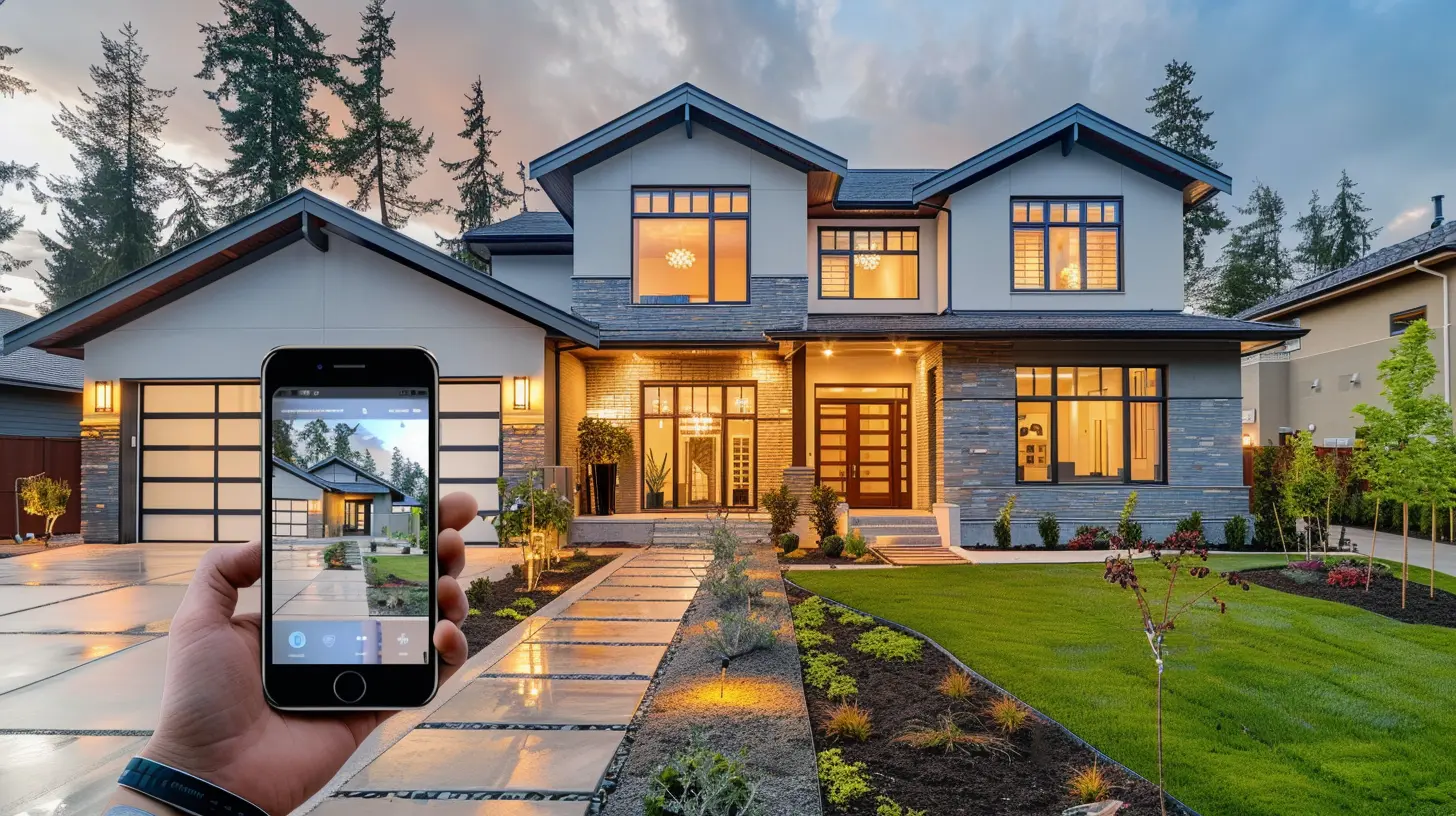
Challenges of Inspecting Smart Homes
As exciting as smart home technology is, it presents unique challenges for home inspectors:1. Device Compatibility Issues
Different brands use different operating systems, and sometimes, smart devices don’t communicate seamlessly with each other. Inspectors may struggle to check integration across various platforms.2. Data & Privacy Concerns
Some smart devices store sensitive data, such as security camera footage and personal habits. Inspectors must tread carefully to respect the homeowner’s privacy while still ensuring the functionality of key systems.3. Software Updates & Functionality Changes
Smart devices rely on frequent software updates, meaning a feature that works during an inspection could stop working later. Unlike traditional home elements, some smart features may become obsolete over time.4. Cybersecurity Risks
A home with poorly secured smart devices can be vulnerable to hacking. While inspectors aren’t cybersecurity experts, they might advise buyers to reset passwords and update firmware upon move-in to avoid unauthorized access.
How Buyers & Sellers Can Prepare for a Smart Home Inspection
If you’re selling or buying a smart home, here are a few tips to ensure a smooth inspection process:For Sellers:
✔ Provide a list of installed smart devices and manuals.✔ Perform a factory reset on devices if you’re moving.
✔ Ensure all necessary devices are powered on during the inspection.
✔ Share access credentials with the buyer (when applicable).
For Buyers:
✔ Request a demonstration of smart home features from the seller.✔ Verify that the previous owner transfers ownership of smart devices.
✔ Change passwords and update firmware to improve security.
✔ Test key devices personally after purchase.
By being proactive, both buyers and sellers can avoid confusion and make the transition easier in a tech-enhanced home.
The Future of Smart Home Inspections
As smart technology continues to evolve, home inspectors will need to keep pace. Some experts predict that future inspections may:- Incorporate AI-powered diagnostics to detect device malfunctions.
- Use specialized inspectors who focus solely on smart home technology.
- Offer cybersecurity evaluations to ensure smart homes are protected from digital threats.
One thing is certain—smart home technology isn’t going away any time soon. Whether you’re an inspector, buyer, or seller, adapting to these advancements is key to ensuring a seamless real estate experience.
Final Thoughts
Smart home technology has undeniably changed modern home inspections. While inspectors now have more to evaluate, buyers and sellers also have new responsibilities when dealing with connected homes. From smart security systems to Wi-Fi-enabled appliances, these tech-forward additions require careful consideration during the home inspection process.If you’re planning to buy or sell a smart home, proper preparation and knowledge can make the experience smooth and hassle-free. As technology continues to evolve, staying informed about these advancements will be crucial for the real estate market.
all images in this post were generated using AI tools
Category:
Home InspectionsAuthor:

Mateo Hines
Discussion
rate this article
2 comments
Kimberly Murphy
Smart home tech: where your toaster might be spying on you during inspections! Just remember, if the fridge starts giving you relationship advice, it’s time to unplug!
February 1, 2026 at 4:36 AM
Mateo Hines
That's a funny way to put it! Smart tech definitely adds a layer of complexity to home inspections. Better keep an eye on those appliances!
Jenna Anderson
Enhances efficiency and accuracy.
January 25, 2026 at 5:28 AM
Mateo Hines
Thank you! Smart home technology indeed streamlines inspections, ensuring precision and saving time.