How Smart Home Technology is Becoming a Valuation Factor
18 November 2026
Smart home technology is shifting from a luxury to a necessity in many areas, influencing how properties are valued in the real estate market. As more consumers seek out homes equipped with the latest technology, the implications for home valuations are becoming increasingly significant. This article delves into how smart home technology affects property values, the types of technologies that matter, their benefits, and considerations for buyers and sellers alike.
The Rise of Smart Home Technology
Defining Smart Homes
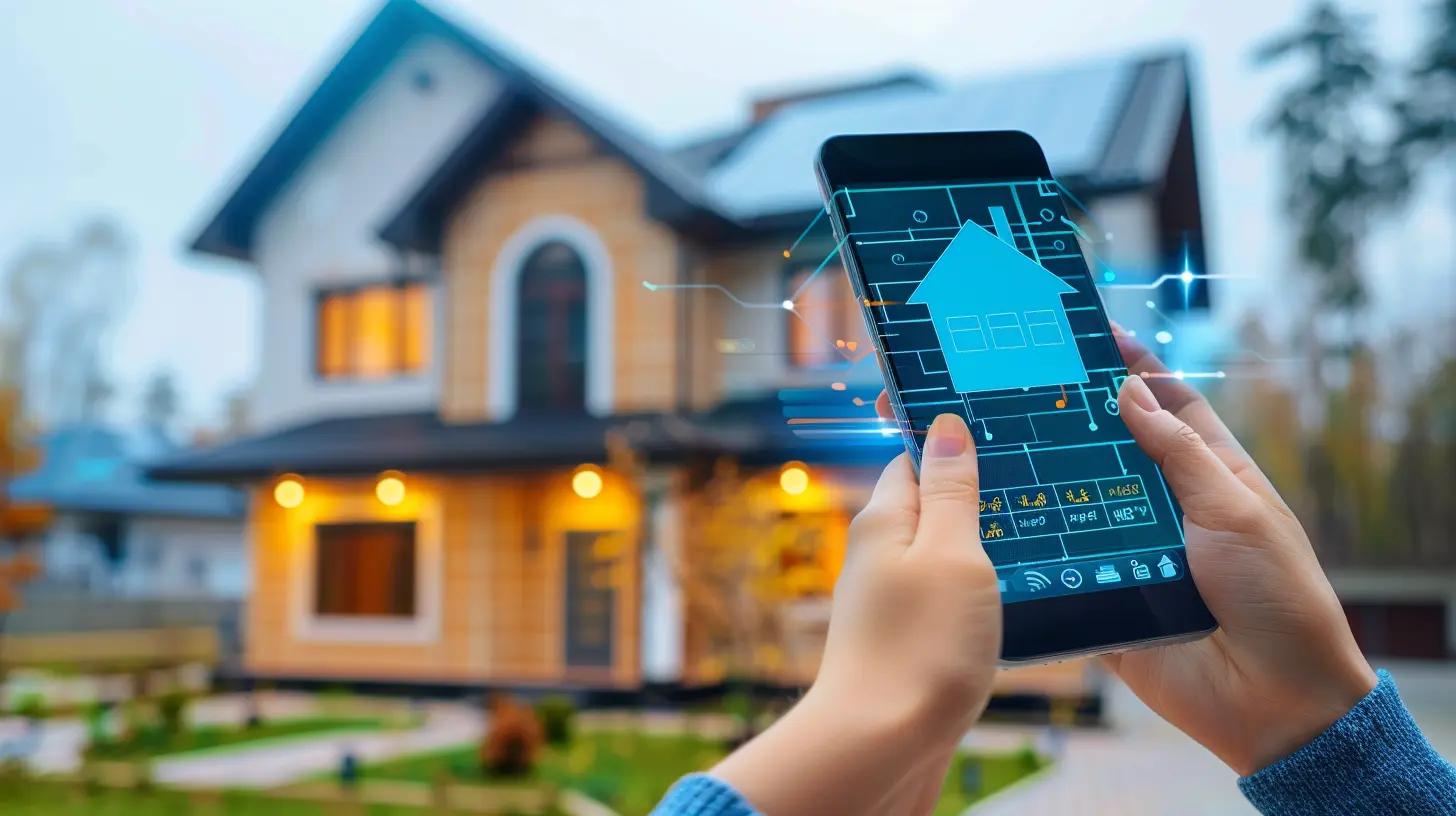
A smart home is equipped with devices that connect to the internet, allowing homeowners to control systems such as lighting, heating, security, and entertainment remotely. Common technologies include smart thermostats, security cameras, smart locks, and home assistants.Market Trends
The adoption of smart home technology has surged in recent years. According to industry reports, the global smart home market is projected to reach over 200 billion dollars by 2025. This rapid growth indicates a shift in consumer behavior, where buyers are increasingly prioritizing smart features in their home search.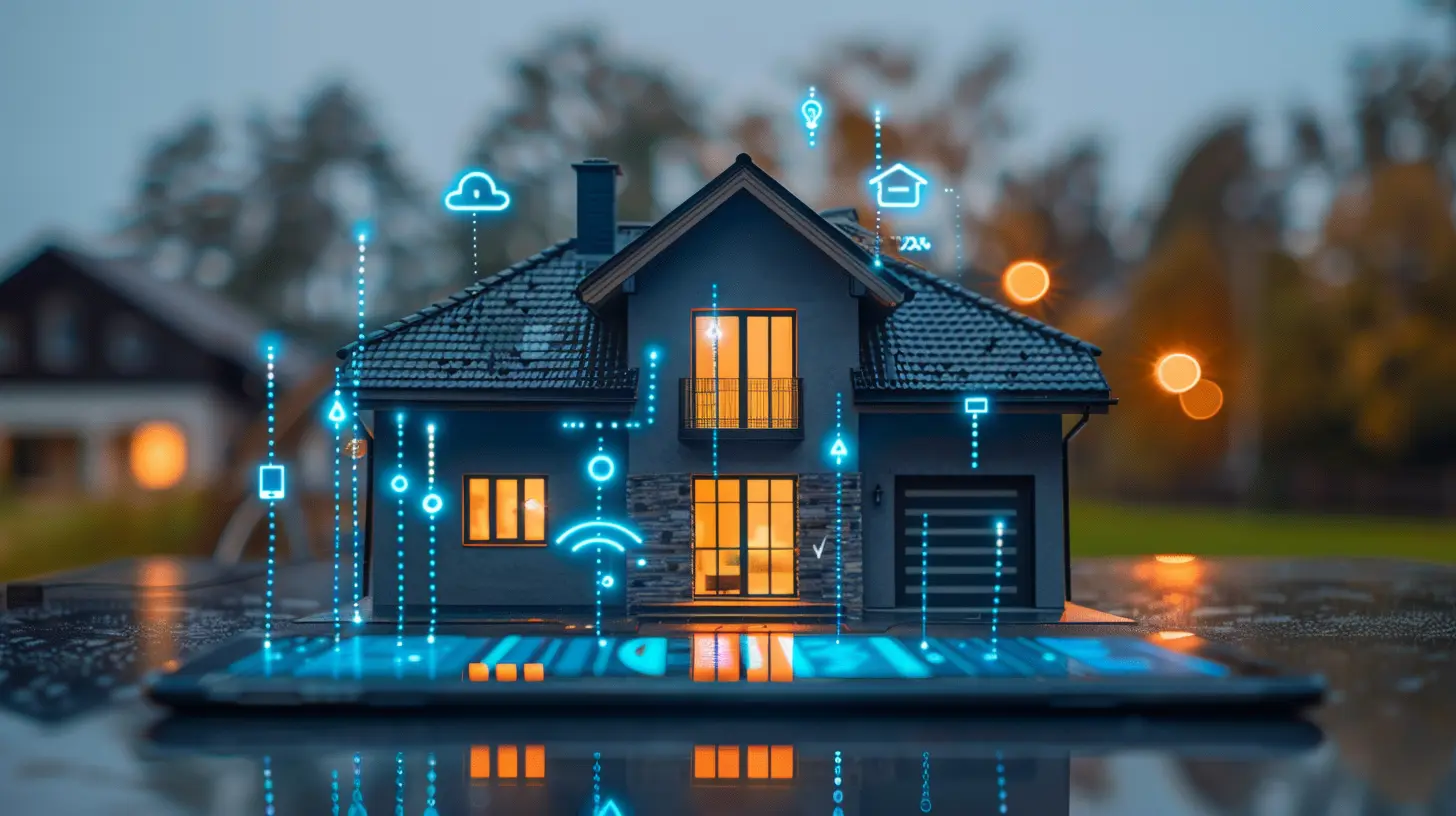
Understanding Valuation Factors
Traditional Valuation Criteria
Real estate appraisals traditionally focus on location, property condition, size, and comparable sales. These factors have long defined a property's market value. However, as technology becomes integral to everyday living, it is now a crucial consideration in the valuation process.The Role of Smart Technology in Valuation
Smart home technologies can enhance the appeal of a property, potentially increasing its market value. Appraisers and buyers alike are beginning to recognize the value added by features such as energy efficiency and enhanced security.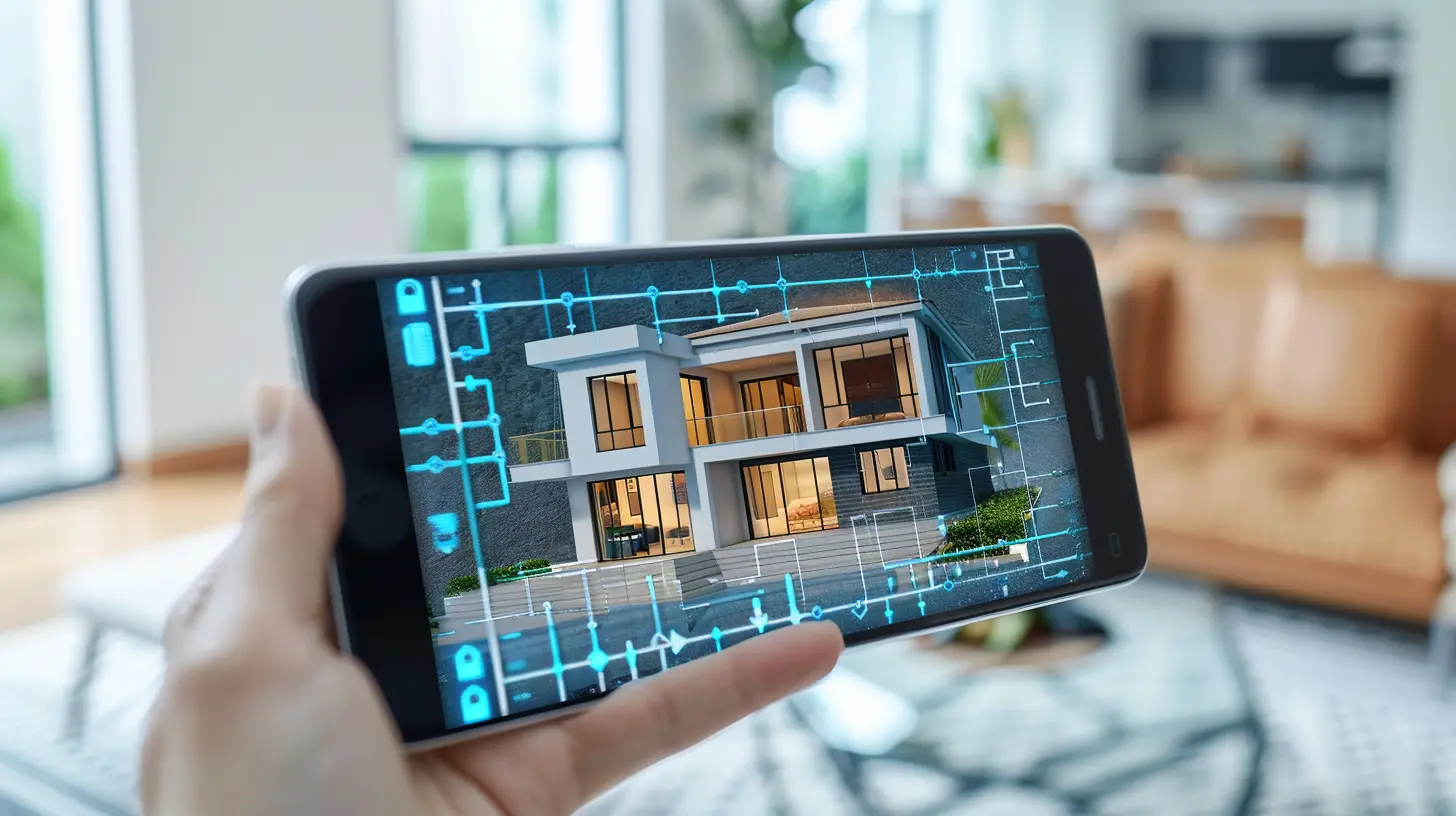
Key Technologies Impacting Valuation
Energy Management Systems
Smart thermostats and energy monitors help homeowners reduce energy consumption. Properties equipped with these systems may attract buyers looking to save on utility bills. For example, a home with a smart thermostat could see a decrease in energy costs by up to 20 percent. This translates to savings that can be factored into the valuation.Security Features
Home security systems that include smart locks, cameras, and alarm systems can provide peace of mind for homeowners. Properties with advanced security features are often more attractive to buyers, particularly in urban areas where safety is a concern. A well-secured property can command a higher price, as buyers feel they are investing in their safety.Home Automation Systems
Home automation systems streamline daily tasks, enhancing convenience and lifestyle. These systems can control lighting, appliances, and entertainment systems, which can make a home more desirable. Homes with integrated automation systems are often viewed as modern and efficient, thus increasing their perceived value.Connectivity and Internet of Things (IoT)
A well-connected home requires robust internet infrastructure. Properties equipped with advanced wiring and network capabilities can command a premium. Buyers often see value in homes that facilitate seamless connectivity for multiple devices.
Benefits of Smart Home Technology
Increased Marketability
Smart home features make a property stand out in a competitive market. Listings that highlight these technologies can attract more interest, leading to quicker sales and potentially higher offers.Improved Energy Efficiency
Beyond the initial appeal, smart technologies can offer long-term savings through energy efficiency. For environmentally conscious buyers, homes that incorporate such features can be particularly attractive. This can also lead to a more favorable appraisal, as energy efficiency becomes a selling point.Enhanced Comfort and Convenience
Smart homes offer users the ability to customize their environments easily. From adjusting the thermostat before arriving home to controlling lighting with voice commands, these conveniences can significantly enhance everyday life. Properties that offer these conveniences may sell for more due to the lifestyle benefits they provide.Considerations for Buyers
Assessing Value vs. Cost
While smart home technology can enhance property value, buyers should consider whether the additional costs align with their needs and preferences. Not all smart features are necessary for every buyer, and some may prioritize traditional home features over technology.Compatibility and Integration
Home technology can vary widely in compatibility and ease of use. Buyers should assess whether the existing smart devices can integrate with their preferences and existing devices. Poor compatibility can lead to frustration and diminish the perceived value of the property.Ongoing Costs
Smart home systems may require ongoing subscriptions or maintenance costs. Buyers should inquire about these potential expenses, as they can impact the overall cost of ownership and should be considered in the valuation.
Considerations for Sellers
Upgrading for Value
Sellers may consider upgrading their homes with smart technologies to increase market appeal. However, it is essential to assess which technologies will offer the best return on investment. Not all upgrades will yield a significant increase in property value.Appraisal Challenges
Not all appraisers are equipped to evaluate smart home features appropriately. Sellers should provide documentation and evidence of the benefits of smart technologies to support the property's valuation during the appraisal process.Marketing Smart Features
When selling a home with smart technology, it is crucial to market these features effectively. Highlighting the benefits of these technologies in listings can help attract tech-savvy buyers who might be willing to pay a premium for a smart home.Common Misconceptions
Smart Homes Are Too Expensive
While the upfront cost of smart home technology can be high, many devices offer significant savings over time through energy efficiency and increased market value. Buyers should view smart features as an investment rather than an expense.Smart Technology Is Complicated
Another misconception is that smart home technology is overly complex. Many systems are designed to be user-friendly, with intuitive apps and interfaces. Training and support are often available, making transition into a smart home seamless.Generalization of Value
Not all smart home features carry the same weight in terms of value. Homebuyers often prioritize specific technologies over others. For example, a buyer may see more value in a smart security system than in smart lighting. Understanding market preferences is essential.
Best Practices for Implementation
Start Small
For homeowners looking to integrate smart technology, starting small can be a smart approach. Begin with one or two devices that offer the most significant benefits, such as smart lighting or a thermostat. As familiarity grows, homeowners can invest in additional technologies.Research and Educate
Staying informed about the latest smart home technologies can help homeowners make informed decisions. Researching devices, reading reviews, and consulting with professionals can provide insights into which technologies offer the best value.Focus on Compatibility
When purchasing new devices, ensure they can integrate into existing systems. Checking compatibility before investing can save time and frustration down the road.Conclusion
Smart home technology is more than just a trend; it is reshaping how properties are valued in the real estate market. As buyers increasingly seek homes with advanced features, understanding the implications of these technologies is vital for both buyers and sellers. By evaluating the benefits, addressing misconceptions, and implementing best practices, all parties can navigate this evolving landscape effectively.##
all images in this post were generated using AI tools
Category:
Property ValuationAuthor:

Mateo Hines