How to Build a Green Home on a Budget
29 March 2026
Let’s face it—building your dream home can be expensive. And when you throw in the idea of going green, it might seem like a luxury only the rich can afford. But here's the truth: building a green home on a budget isn’t just possible—it can actually save you money in the long run. Yep, you read that right.
Eco-friendly doesn’t always mean expensive. In fact, you can still care for the planet without draining your bank account. So if you're wondering how to start building a sustainable, environmentally friendly home without going broke—grab a cup of coffee, sit back, and let’s walk you through the nitty-gritty of how to build a green home on a budget.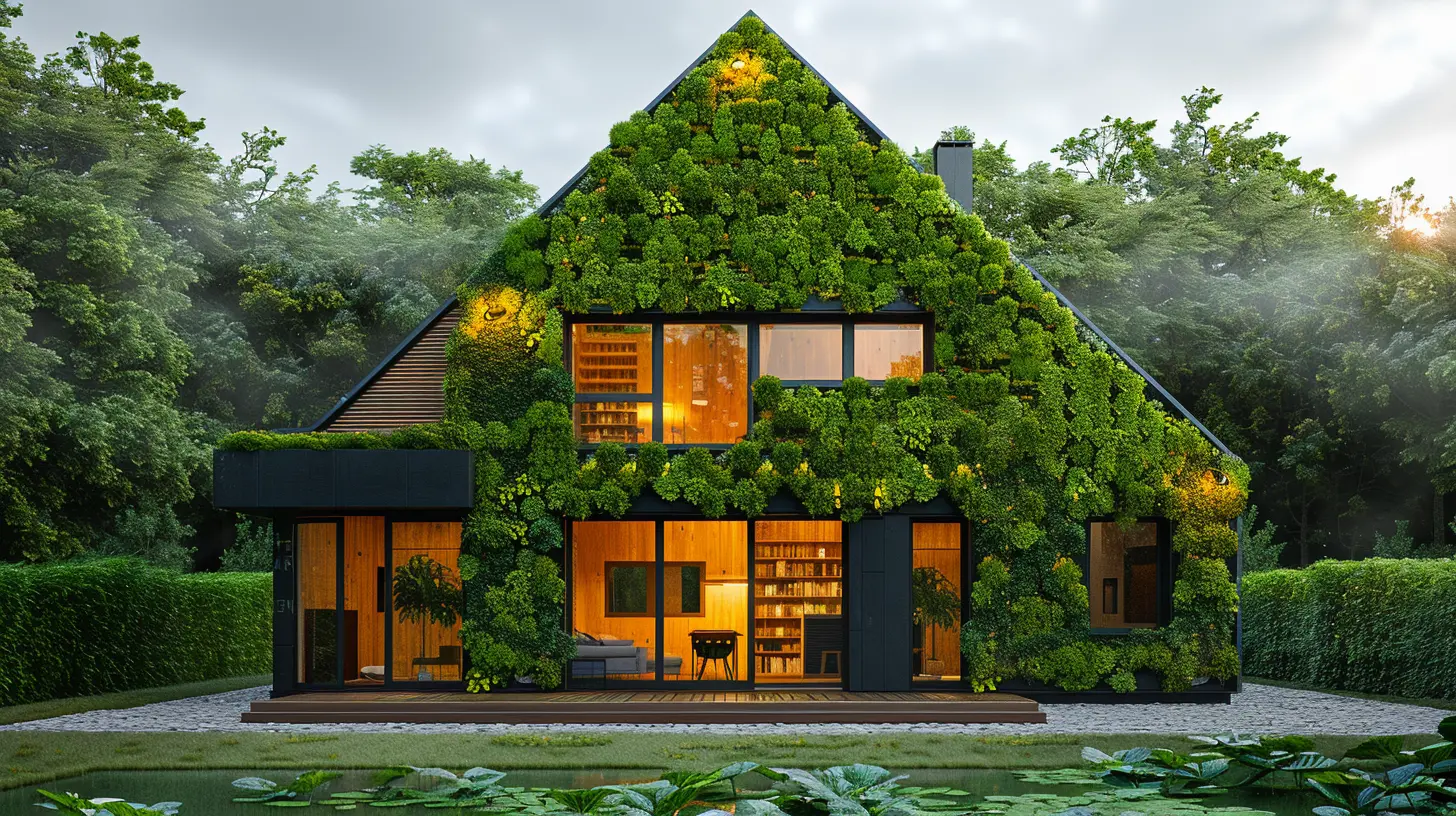
🏡 What Exactly Is a Green Home?
Before we dive into the “how,” let’s clear up the “what.” A green home is designed with sustainability in mind. It uses less energy, conserves water, and minimizes waste. Think solar panels, energy-efficient appliances, non-toxic building materials, and smart designs that work with the environment rather than against it.But going green doesn’t mean installing every high-tech gadget money can buy. It means making conscious choices that reduce your carbon footprint and promote a healthier living space.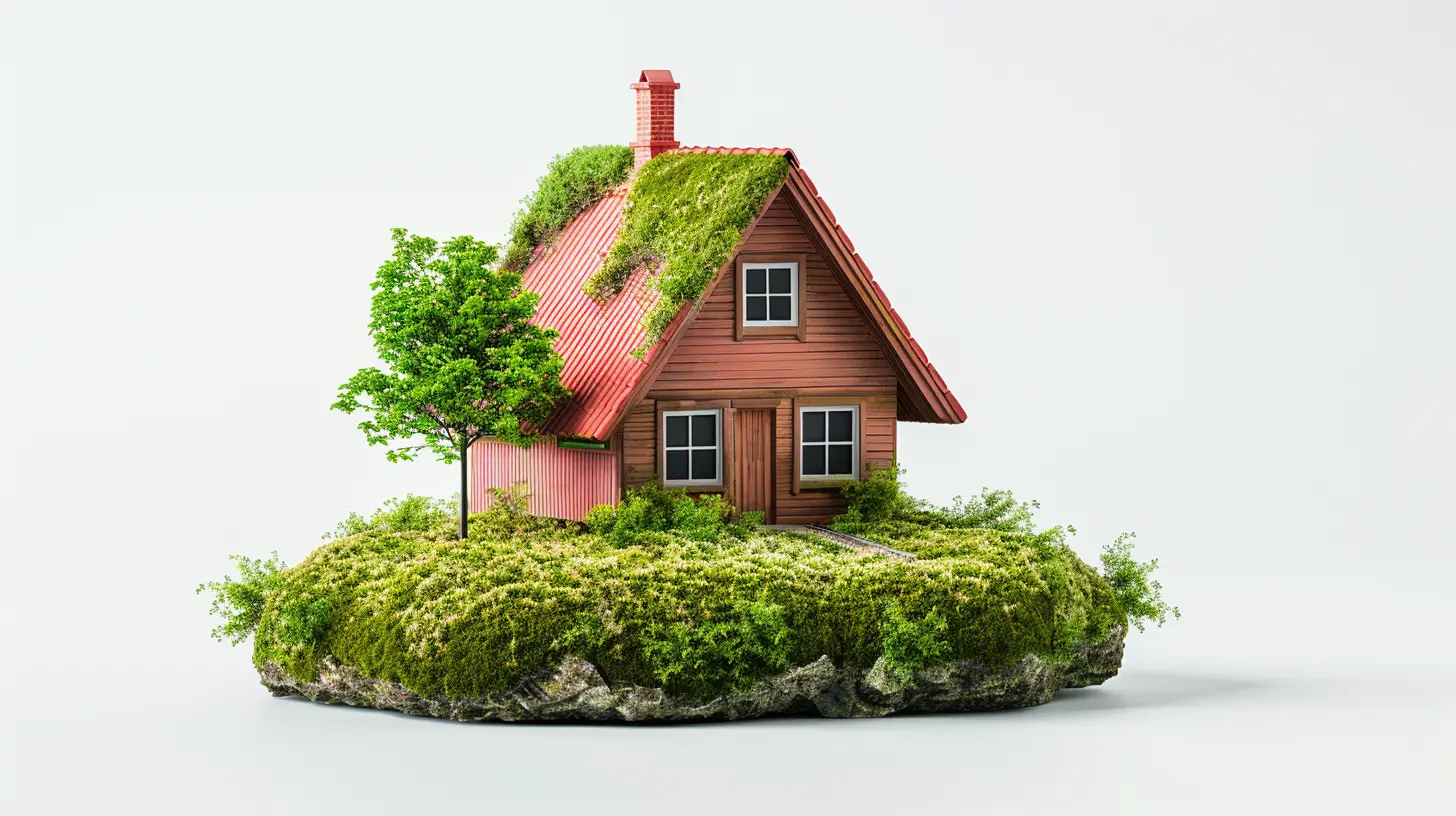
💡 Why Go Green on a Budget?
Let’s get real—going green isn’t just about hugging trees. It’s about:- Lower utility bills
- Improved indoor air quality
- Reduced maintenance costs
- Higher home value
- Peace of mind, knowing you're doing your bit for the planet
And if you play your cards right, you can enjoy all of this without maxing out your credit cards.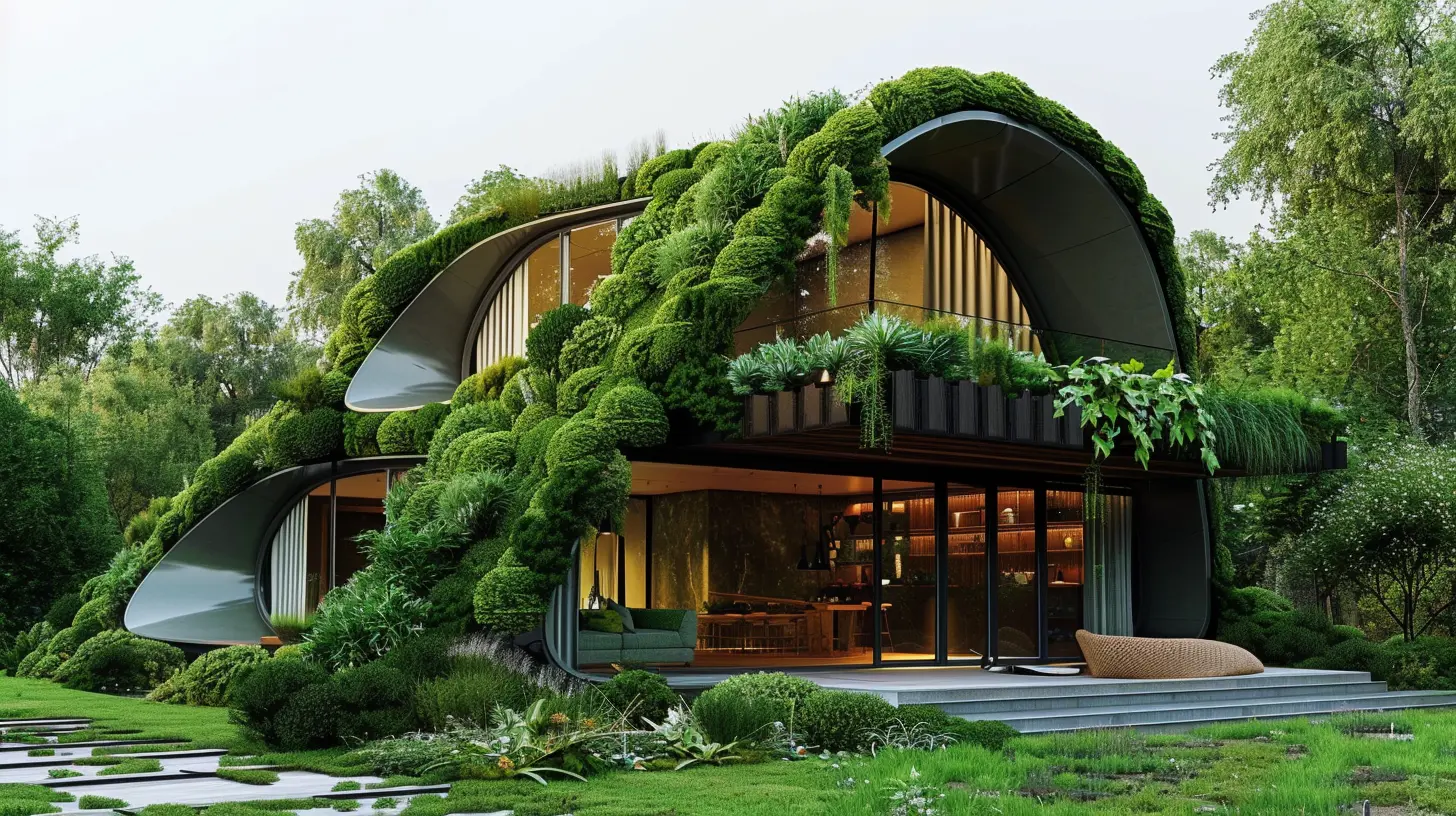
👷 1. Start with Smart Design
When it comes to building green, design is everything. The smartest, most cost-effective green homes start with thoughtful planning.🌞 Maximize Natural Light & Ventilation
Design your home to let in as much natural light as possible. South-facing windows can warm your home during winter while reducing the need for artificial lighting throughout the year. Add some well-placed vents or clerestory windows, and you’ll rely less on your HVAC system.Want cheap cooling? Shade your windows with roof overhangs or native trees. Mother Nature just became your free air-con.
📐 Think Small & Functional
Less is more when it comes to green living. A smaller, well-designed space uses fewer materials and energy. Focus on functionality—multifunctional furniture, open floor plans, vertical storage. You’ll save money upfront and over time.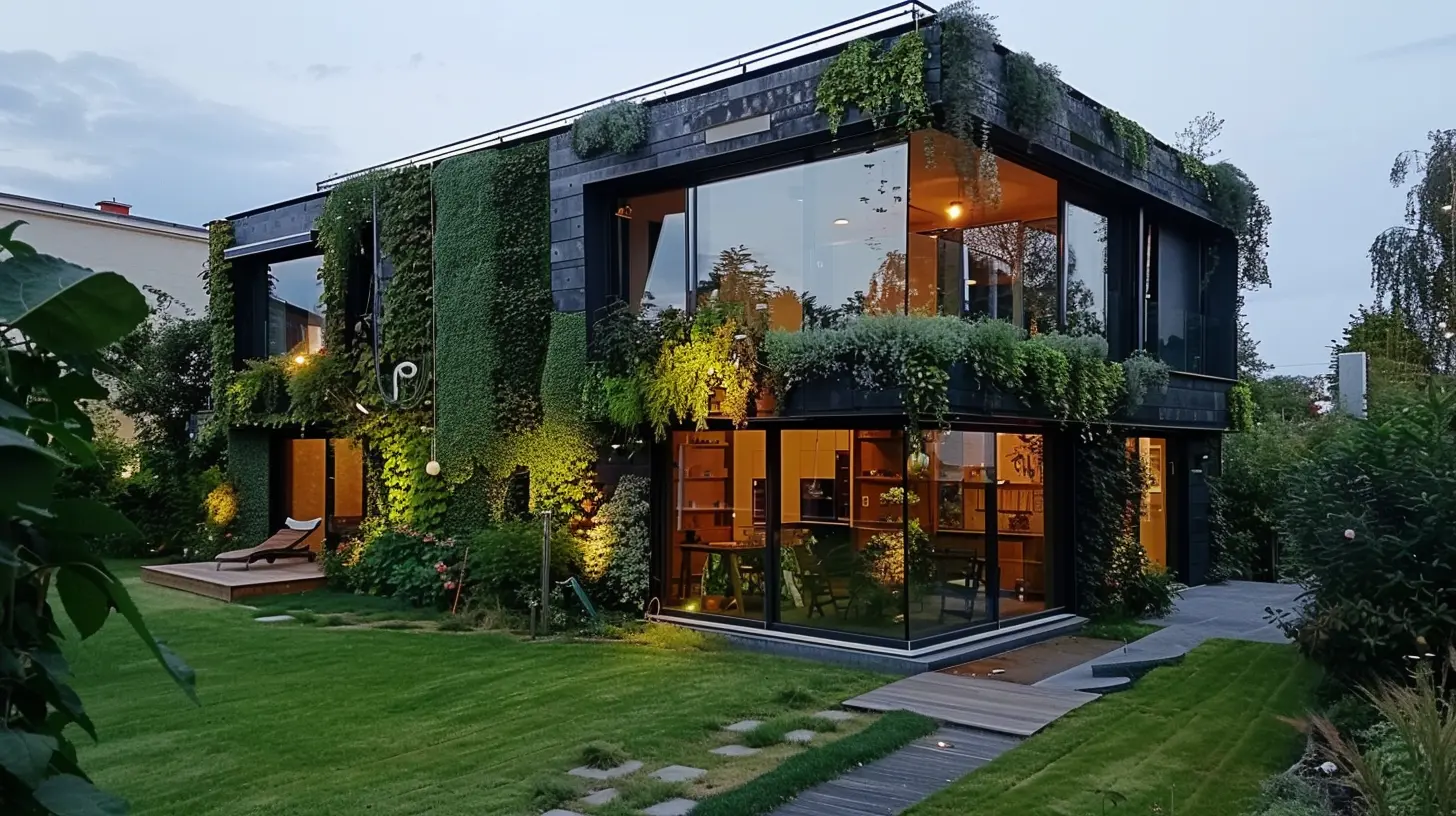
🧱 2. Use Sustainable, Low-Cost Building Materials
You don't need marble countertops or bamboo floors imported from across the globe to build green. There are tons of affordable, eco-friendly materials waiting to be used.♻️ Reuse and Reclaim
Reclaimed wood, recycled metal, salvaged bricks—the options are endless. Not only are these materials easy on your budget, but they also add character and uniqueness to your home. Bonus: you’re keeping usable materials out of landfills.🧱 Choose Locally Sourced Materials
The shorter the distance materials travel, the lower their environmental footprint. That also means lower shipping costs for you. Look for locally sourced stone, clay, or wood.🧪 Low-VOC Paints and Finishes
Traditional paints and finishes release harmful chemicals into the air. You don’t want that junk in your lungs or your walls. Choose low-VOC (volatile organic compounds) options to keep your indoor air clean and fresh—without the price tag of health costs down the road.🔋 3. Go Energy-Efficient Without Going Broke
Energy-efficient homes aren’t just cool; they’re cool and cost-cutting. Thanks to advancements in technology, many energy-saving solutions are now budget-friendly.💡 LED Lighting
LED bulbs use 75% less energy than traditional ones. They also last about 25 times longer. That’s a no-brainer switch you can make starting today.🧊 Energy-Star Appliances
Sure, new appliances can seem expensive. But appliances with the Energy Star label can cut your energy bills significantly. Over the long run, they practically pay for themselves.Tip: Look for rebates and tax credits. Many utility companies and governments offer incentives for upgrading to energy-efficient appliances.
🌡️ Insulation & Sealing
You can't have a green home if you’re losing half your heat through the roof. Insulation is one of the most cost-effective ways to reduce energy consumption. Spend a little extra on good insulation for your walls, attic, and floors. Seal up cracks around windows and doors too. Keep the warmth in and the cold air out, or vice versa.💧 4. Slash Your Water Use
Wasting water is like pouring money down the drain—literally. Luckily, saving water at home is easy and doesn’t require a massive budget.🚿 Low-Flow Fixtures
Install low-flow showerheads, faucets, and dual-flush toilets. You’ll save gallons of water every day and trim your water bill while you're at it.🌧️ Harvest Rainwater
Simple barrel systems can capture rainwater for your garden or even flushing toilets. It’s free, natural, and sustainable.🌱 Xeriscaping
Ditch the high-maintenance, thirsty lawn. Choose native plants that thrive with minimal watering. Not only will your yard look great, but you’ll also cut down on your water use and landscaping costs.🔋 5. Consider Renewable Energy… the Smart Way
Yes, solar panels can be pricey upfront—but they don’t always have to be.☀️ Start Small with Solar
You don’t need to power your whole house from the sun right away. Start with solar water heaters or a few panels to offset your energy load. Gradually expand as your budget allows.🔌 Check for Incentives
Investing in renewable energy? You could qualify for federal, state, or local tax credits. Some energy companies even buy back excess power. It’s like your roof just became a money-printing machine.🚰 6. Focus On Indoor Air Quality
Going green isn't just about the environment—it’s about your health too.🌬️ Ventilation is Key
Good airflow reduces mold and allergens. Use exhaust fans in bathrooms and kitchens to keep moisture down. Include operable windows to welcome fresh air in.🌿 Choose Non-Toxic Materials
From glue to varnish, a lot of home materials can give off toxic fumes. Choose natural options whenever possible like formaldehyde-free plywood, natural fiber carpets, and stone instead of PVC flooring.🛠️ 7. DIY Wherever You Can
Sweat equity saves a ton.Love getting your hands dirty? Paint your own walls, install your own fixtures, or build your own compost bin. Don’t know how? YouTube does.
Every project you DIY keeps costs down and gives you a deeper connection with your home. Plus, that feeling of “I built this” pride? Priceless.
💰 8. Tap Into Incentives and Budget-Friendly Financing
Good news: There’s money out there for people who want to live green.📜 Government Grants & Tax Credits
From solar panels to energy-efficient windows, Uncle Sam often offers federal tax credits to ease your green journey.🏦 Green Mortgages
Some lenders offer special mortgages for energy-efficient homes, with better interest rates or additional borrowing capacity for sustainable upgrades.🤝 Partner With Sustainability-Focused Builders
Not all contractors view green building the same way. Look for those who specialize in eco-friendly homes and are experienced with budget-conscious solutions. They’ll know how to stretch your dollars without skimping on quality.🧘 9. Think Long-Term
Building green isn’t just about saving a few bucks today—it’s about investing in a healthier, cheaper-to-run, and more sustainable future.Those energy bills? They’ll be lower.
That air quality? It’ll be cleaner.
Your home’s value? Higher.
Planet Earth? Happier.
When you choose sustainable now, you’re choosing smarter for tomorrow.
✨ Final Thoughts: Building Smart, Living Green
At the end of the day, building a green home on a budget is about making smarter choices, not necessarily more expensive ones. With a little creativity, a bit of planning, and a lot of heart, you can create a home that’s kind to your wallet AND the planet.No, you don’t need to install Tesla Powerwalls or live off-grid in a forest to call your home “green.” It starts with a single step. Maybe it’s switching to LED lights. Maybe it’s insulating your attic. The point is: Start small. Think smart. Live better.
The Earth will thank you—and so will your wallet.
all images in this post were generated using AI tools
Category:
Green HomesAuthor:

Mateo Hines
Discussion
rate this article
2 comments
Zaylee Rosales
Great insights! Building a green home on a budget is not only achievable but essential for sustainability. Focusing on energy efficiency and sustainable materials can significantly reduce costs while benefiting the environment.
April 7, 2026 at 4:18 AM
Mateo Hines
Thank you! I'm glad you found the insights helpful. Emphasizing energy efficiency and sustainable materials truly makes a positive impact both financially and environmentally.
Kate Carter
Building a green home on a budget? Just remember: if your houseplant survives, you're halfway there! Eco-friendly doesn’t have to mean 'broke and bewildered.' Happy building!
April 4, 2026 at 3:18 AM
Mateo Hines
Great point! Finding that balance between sustainability and budget can make the process rewarding. Happy building indeed!