How to Find a Great Real Estate Agent
23 November 2026
Finding the right real estate agent can feel like finding a needle in a haystack. The stakes are high; whether you are buying or selling a home, the right agent can make all the difference. This guide will help you navigate the process of finding a great real estate agent by providing insights, tips, and considerations that go beyond the basics.

Understanding the Role of a Real Estate Agent
Before diving into the search, it's crucial to understand what a real estate agent does. A good agent serves as your advisor, negotiator, and advocate in the property market. Their primary responsibilities include:- Market Analysis: Providing insights on market trends, property values, and neighborhood dynamics.
- Listing and Marketing: For sellers, they will create compelling listings and market properties through various channels.
- Negotiation: They handle offers and counteroffers, striving to get the best deal for their clients.
- Transaction Management: Agents guide clients through the closing process, ensuring all paperwork is completed accurately and on time.
Understanding these roles will help you identify what you need from an agent and how to evaluate their effectiveness.

Identify Your Needs
What Type of Transaction?
The first question to ask yourself is whether you're buying or selling. Each scenario may require different skills from an agent.- Buying: Look for someone with strong negotiation skills and local market knowledge. They should understand what you want and guide you to properties that meet your criteria.
- Selling: You'll want an agent who is skilled in marketing and has a proven track record in selling properties similar to yours. Their ability to stage a home and create a compelling listing can greatly influence the sale.
Local Expertise
Consider whether you need an agent with expertise in a specific neighborhood or type of property. For instance, if you are looking for a luxury home or a foreclosure, finding an agent with experience in these niches can provide you with an edge.
Researching Potential Agents
Start with Referrals
Begin your search by asking friends, family, and colleagues for recommendations. Personal referrals can lead you to agents who have proven themselves in the field. However, don't settle solely on referrals; it's essential to conduct your own research.Online Platforms
Utilize online platforms like Zillow, Realtor.com, or local real estate websites to find agents in your area. Pay attention to reviews and ratings. Look for agents who have consistent positive feedback and a strong track record.Check Credentials
Once you have a shortlist, check the credentials of each agent. You want to ensure they are licensed and in good standing with local real estate boards. Also, consider their professional designations, such as Certified Residential Specialist (CRS) or Accredited Buyer's Representative (ABR), which indicate specialized training.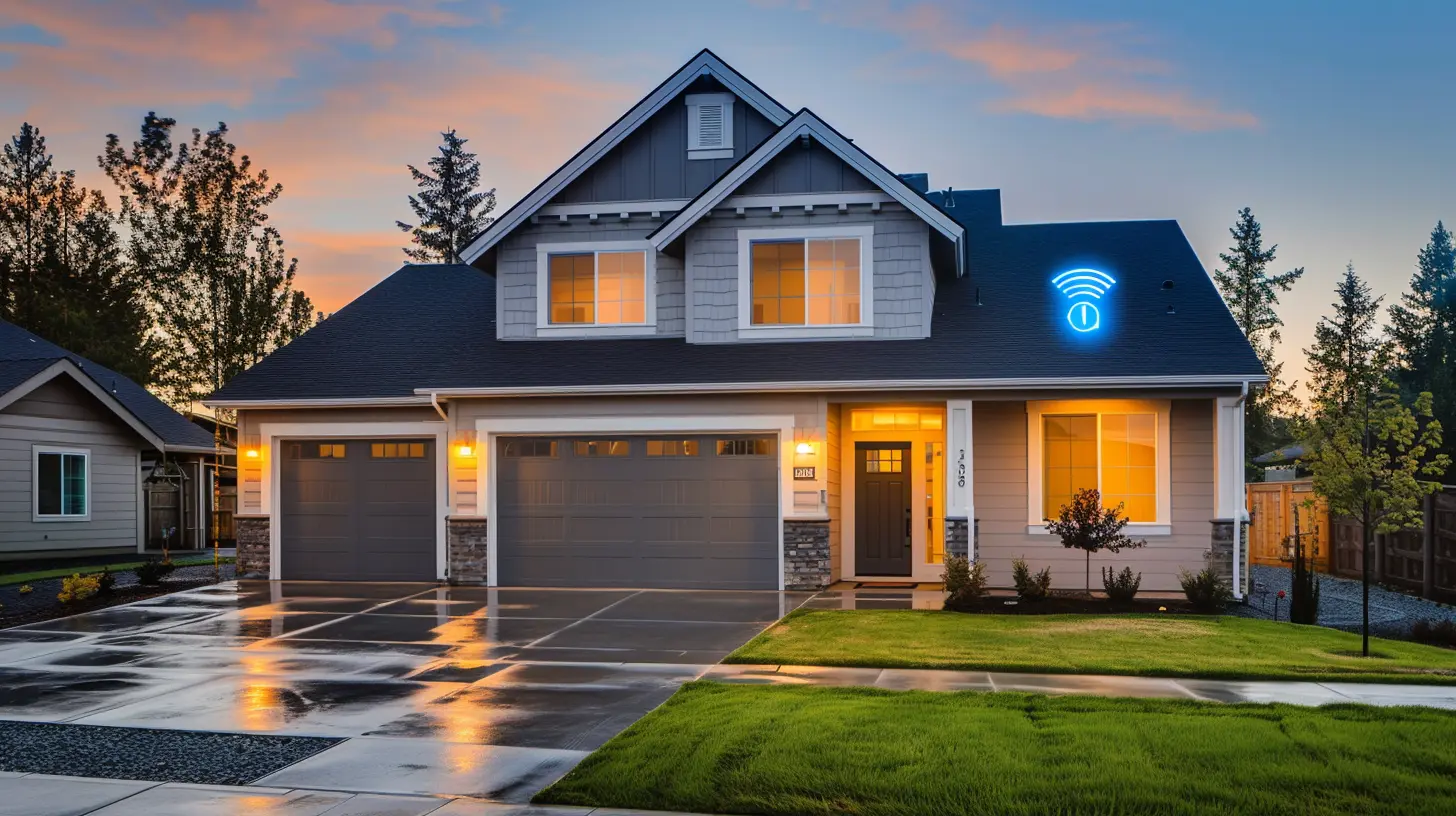
Interviewing Candidates
Prepare Your Questions
When you have a few candidates, it's time to conduct interviews. Prepare a list of questions to ask, such as:- How long have you been in real estate?
- What is your experience in this neighborhood?
- What is your strategy for marketing properties or finding buyers?
- Can you provide references from past clients?
This dialogue will give you insight into their expertise and communication style.
Gauge Compatibility
Chemistry matters in this relationship. You need to feel comfortable discussing your needs and concerns with your agent. Pay attention to how they listen and respond to your questions. If they seem dismissive or uninterested, it may be a sign to look elsewhere.Evaluating Their Marketing Strategy
For Sellers
If you're selling your home, you want an agent with a solid marketing plan. Ask about their approach to staging, photography, and online listings. A great agent will invest in professional photography, as first impressions are critical.- Online Presence: In today's digital age, the online presence of an agent is vital. Ask about their strategies for promoting listings on social media, real estate websites, and email campaigns.
- Open Houses: Inquire if they hold open houses and how often. An effective open house can attract serious buyers.
For Buyers
For buyers, understanding how agents find properties is essential. Ask about their approach to searching for homes-are they proactive in finding listings before they hit the market? A great buyer's agent often has access to off-market listings or upcoming developments.
Understanding Commission Structures
Typical Commission Rates
Real estate commissions can vary significantly. Typically, agents earn between 5% and 6% of the sale price, split between the buyer's and seller's agents. However, this is negotiable.What to Consider
While a lower commission might seem attractive, it's essential to consider what you might be sacrificing in terms of service and expertise. Sometimes, paying a little more for an experienced agent can lead to a higher sale price or better buying terms.Common Mistakes to Avoid
Ignoring Compatibility
One common pitfall is overlooking personal compatibility. An agent might have excellent credentials, but if you do not communicate well, it can lead to frustration. Make sure you feel comfortable expressing your thoughts and concerns.Rushing the Decision
Finding the right agent is crucial, so don't rush the process. Take the time to research, interview, and reflect on your choices. This decision can significantly impact your buying or selling experience.Not Checking References
Always ask for and check references. Speaking to past clients can provide valuable insights into an agent's performance, communication style, and overall satisfaction.
The Importance of Communication
Clear Expectations
From the beginning, set clear expectations about communication. Discuss how often you expect updates and through which channels (phone, email, text). A good agent will value your time and keep you informed.Responsiveness
Pay attention to how quickly potential agents respond during your initial conversations. If they are slow to respond before you have hired them, it may not improve once you are officially working together.When to Walk Away
Red Flags
If you encounter any red flags, consider moving on. Signs include:- Lack of local market knowledge
- Poor communication skills
- Pressure tactics or a pushy demeanor
- Inability to provide references or past success stories
Don't hesitate to trust your instincts. If something feels off, it probably is.
Building a Long-Term Relationship
After the Transaction
Once your transaction is complete, consider maintaining a relationship with your agent. A great agent can become a long-term resource for home improvement tips, market updates, or even recommendations for contractors.Referrals and Networking
If you had a positive experience, consider referring them to friends or family. A strong professional relationship often leads to mutual benefits and networking opportunities.Conclusion
Finding a great real estate agent involves more than just picking a name from a list. It requires understanding your needs, conducting thorough research, and building a relationship based on trust and communication. By following these guidelines, you can significantly improve your chances of finding an agent who will advocate for you and facilitate a successful transaction.
all images in this post were generated using AI tools
Category:
Real Estate FaqAuthor:

Mateo Hines