The Evolution of Smart Home Hubs: What’s New?
18 December 2025
Smart home hubs have come a long way, haven't they? Once upon a time, home automation felt like something straight out of a sci-fi movie—complicated, expensive, and reserved for tech wizards. Fast forward to today, and smart home hubs are as common as Wi-Fi routers, effortlessly syncing our gadgets, routines, and lifestyles.
But what’s new in the world of smart home hubs? Are we looking at genuinely game-changing innovations, or is it just more bells and whistles? Let’s dive into the latest trends shaping the future of these clever little devices. 
A Quick Trip Down Memory Lane
Before we get into the cutting-edge advancements, let’s take a moment to appreciate how far smart home hubs have come.The Early Days: Clunky, Expensive, and Limited
In the beginning, smart home systems were bulky, expensive, and required professional installation. If you wanted to automate your lights or security cameras, you’d end up with a spaghetti mess of wires, control panels, and a manual the size of a novel. Early adopters had to be patient and tech-savvy—two things not everyone has in abundance.The Rise of Wireless and Voice Assistants
Then came the wireless revolution. With Wi-Fi and Bluetooth leading the charge, smart home systems became far more accessible. The introduction of voice assistants like Amazon Alexa, Google Assistant, and Apple’s Siri changed the game entirely. Suddenly, you could control your home with just your voice—no buttons, no remotes, no fuss.But that was just the beginning... 
What’s New in Smart Home Hubs?
The latest advancements in smart home hubs are making them more intuitive, affordable, and interconnected than ever. Here’s what’s shaking things up in 2024:1. Matter: The Universal Language for Smart Homes
One of the biggest industry breakthroughs is Matter—a new standard designed to unify smart home ecosystems. If you’ve ever had trouble connecting your smart doorbell to your hub or found out your smart thermostat isn’t compatible with your system, you’ll love Matter.This new protocol, backed by giants like Apple, Google, Amazon, and Samsung, ensures that smart home devices "speak the same language," making cross-brand compatibility a reality. Think of Matter as the Esperanto of smart homes—finally, all your gadgets can understand each other.
2. AI-Powered Automation: Your Home Is Getting Smarter
Gone are the days when setting up a smart hub meant manually programming every little command. Thanks to artificial intelligence (AI), modern smart hubs can learn your habits and make intelligent decisions on their own.Imagine walking into your home after work, and the lights adjust to your preferred brightness, the thermostat sets itself just right, and your favorite playlist starts playing—all without you lifting a finger. AI-driven hubs aren’t just reactive; they’re proactive.
3. Enhanced Privacy and Security Features
With great convenience comes great responsibility—especially when it comes to privacy. In the past, concerns about data security have kept some homeowners wary of smart home hubs.But good news! The latest hubs are placing a strong emphasis on local data processing and encryption, reducing reliance on cloud storage and keeping your info more secure than ever. Plus, with two-factor authentication and advanced encryption methods, hacking into your smart home has never been tougher.
4. Energy Efficiency: Smart Homes, Smarter Savings
Eco-conscious homeowners, rejoice! Smart hubs are now doubling as energy management systems.Newer models can monitor power usage in real-time, suggest energy-saving habits, and even optimize your home's energy consumption automatically. Some even integrate with solar panels and battery storage, making it easier than ever to slash those electric bills.
Imagine getting a notification: “You've left the kitchen lights on for two hours. Want me to turn them off?” That’s the kind of intelligent energy management we’re talking about. 
The Future of Smart Home Hubs
So, where do smart home hubs go from here? If current trends are any indication, the future looks incredibly exciting.1. Smarter Predictive Automation
Right now, smart hubs react to your commands. In the future, they’ll predict what you need before you even ask. Based on patterns in your daily routine, your home could anticipate your arrival, adjust temperatures, unlock doors, and brew your coffee—all without a single voice command.2. Improved Integration with Wearables
Smart home hubs are starting to sync with wearables like smartwatches and fitness trackers. Imagine your thermostat adjusting based on your body temperature or your bedroom lights dimming when your smartwatch detects you’re feeling sleepy. Talk about personalized comfort!3. Robots & Smart Assistants Getting More Hands-On
We’ve seen smart speakers and voice assistants, but what about actual robots helping out around the house? Companies are already working on robotic assistants that integrate seamlessly with smart home hubs—whether it’s a robot that vacuums while you’re at work or a smart fridge that orders groceries when supplies run low.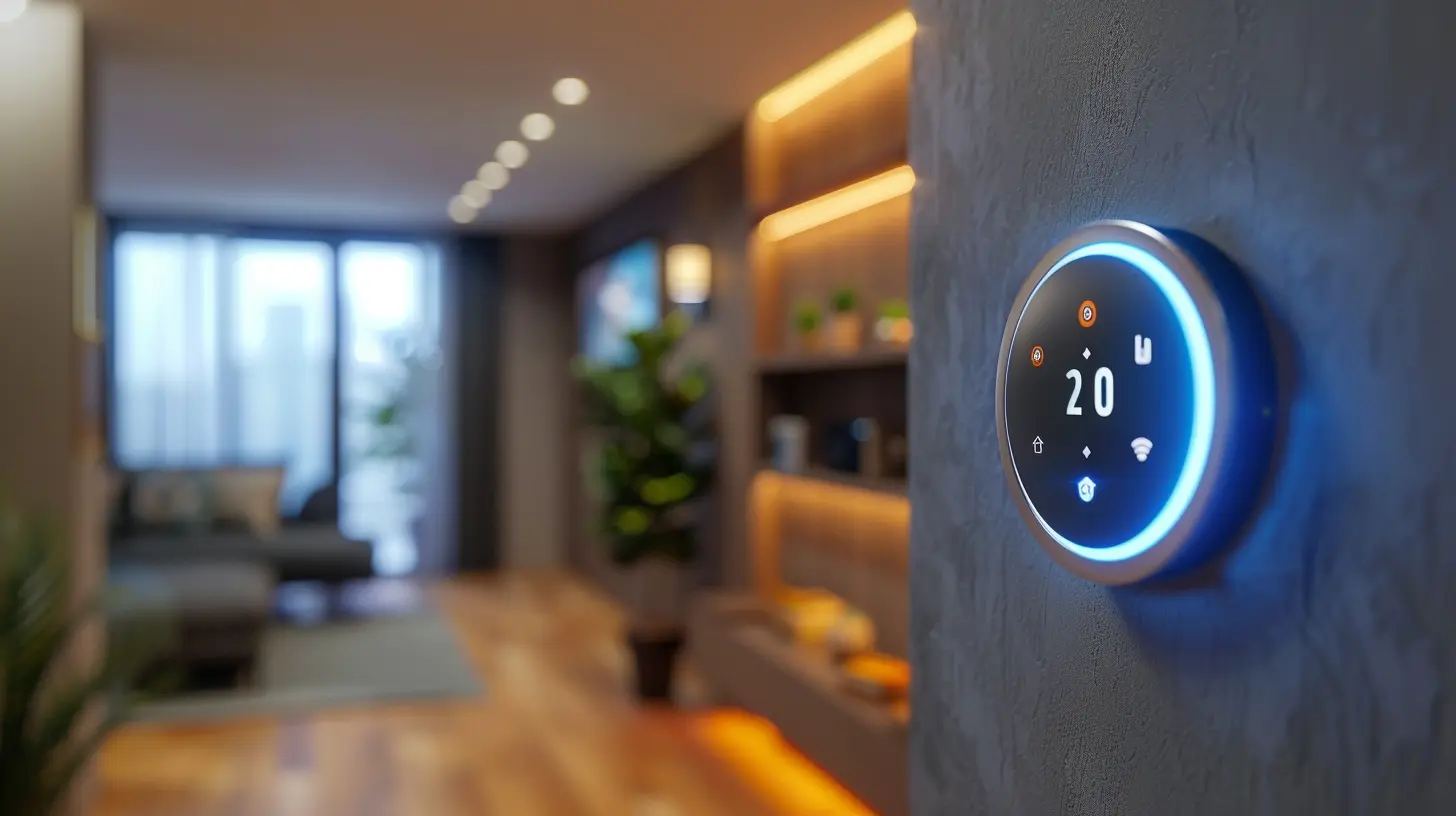
How to Choose the Right Smart Home Hub for You
With so many options on the market, picking the right smart home hub can be overwhelming. Here are a few things to keep in mind when shopping around:✔ Compatibility: Ensure it works with your existing smart devices (or better yet, choose one that supports Matter).
✔ Ease of Use: Look for hubs that offer a simple setup, intuitive controls, and minimal maintenance.
✔ Security Features: Opt for a hub with robust encryption and local processing to safeguard your data.
✔ Scalability: Choose a hub that can grow with your smart home needs.
If you’re just starting, beginner-friendly options like Amazon Echo, Google Nest Hub, or Apple HomePod Mini are excellent choices. But if you’re looking for something more advanced, hubs like Samsung SmartThings or Hubitat Elevation offer greater customization and control.
Final Thoughts
The evolution of smart home hubs has been nothing short of remarkable. From clunky, complicated setups to sleek, AI-powered systems, these little devices are redefining how we live at home.With better compatibility, enhanced security, and AI-driven automation, the future of smart homes looks brighter than ever. And who knows? In a few years, we might not even need to think about our smart homes—they'll already know what we want, before we do!
So, if you’ve been on the fence about diving into the smart home revolution, there’s no better time than now. Your future self (and your electric bill) will thank you.
all images in this post were generated using AI tools
Category:
Smart HomesAuthor:

Mateo Hines
Discussion
rate this article
2 comments
Elena Wheeler
The article effectively highlights the rapid advancements in smart home hubs, yet it overlooks the challenges of interoperability and user privacy. As technology evolves, ensuring seamless integration and safeguarding personal data must be prioritized. Future innovations should focus on user-centric designs that enhance convenience without compromising security.
December 30, 2025 at 3:56 AM
Mateo Hines
Thank you for your insightful comment. You make a great point about the need for better interoperability and privacy as we advance. Balancing innovation with security is crucial for user trust and satisfaction.
Zephyrian Murphy
Fascinating insights on smart home hubs! It's intriguing to see how technology continues to evolve and integrate into our everyday lives. I'm curious about the potential future innovations that will further enhance our home experiences!
December 21, 2025 at 11:44 AM
Mateo Hines
Thank you for your thoughts! The future of smart home hubs looks promising, with advancements in AI and IoT likely to enhance automation and user experience even further. Exciting times ahead!