How to Leverage Virtual Staging in Tough Real Estate Markets
7 July 2026
Selling or renting a property in a slow market can feel like trying to paddle upstream with a broken oar. Buyers are picky, sellers are anxious, and listings sit longer than leftovers in the back of the fridge.
But what if there was a way to make your property pop—without breaking the bank? Enter virtual staging, a game-changer in real estate that turns empty (or outdated) rooms into stunning, magazine-worthy spaces—without hauling in a single piece of furniture.
So, how does it work? And more importantly, how can you leverage virtual staging to stand out in a tough real estate market? Let’s dive in.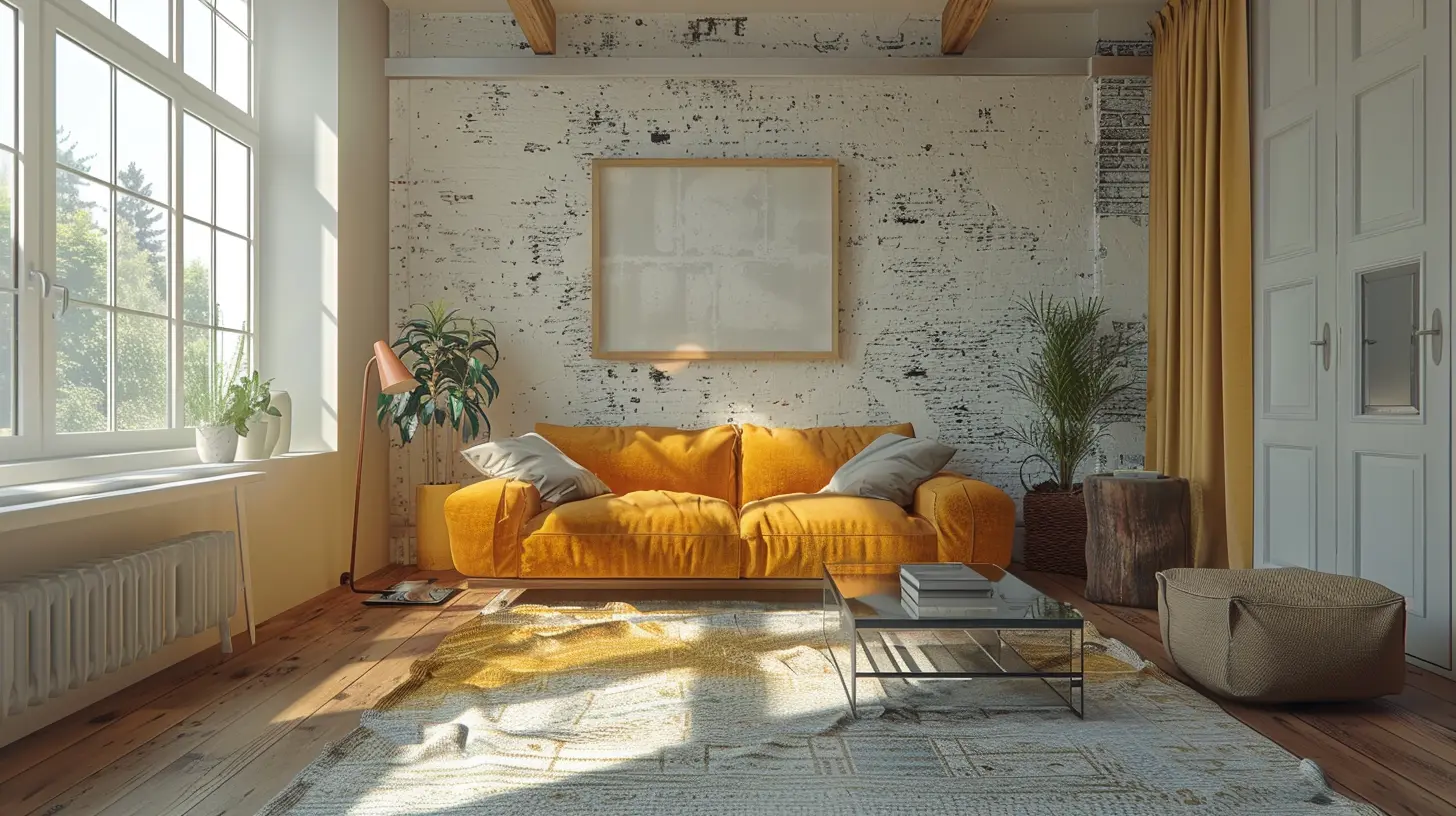
What Is Virtual Staging (And Why Should You Care)?
Virtual staging is the digital version of traditional home staging. Instead of physically bringing furniture into an empty space, designers use software to create hyper-realistic images that showcase the home’s potential.Think of it like a real estate glow-up. That bare living room? Instantly transformed into a cozy, inviting space. A dull bedroom? Now a luxurious retreat.
Why It Matters:
- Buyers Struggle to Visualize – Most people can’t picture how an empty or cluttered space could look with the right decor.- Cuts Costs – Traditional staging can cost thousands, while virtual staging is a fraction of the price.
- Speeds Up Sales – Homes that look move-in ready attract more interest and sell faster.
- Sets Your Listing Apart – In a competitive market, images matter. A well-staged virtual design can make buyers stop scrolling and take notice.
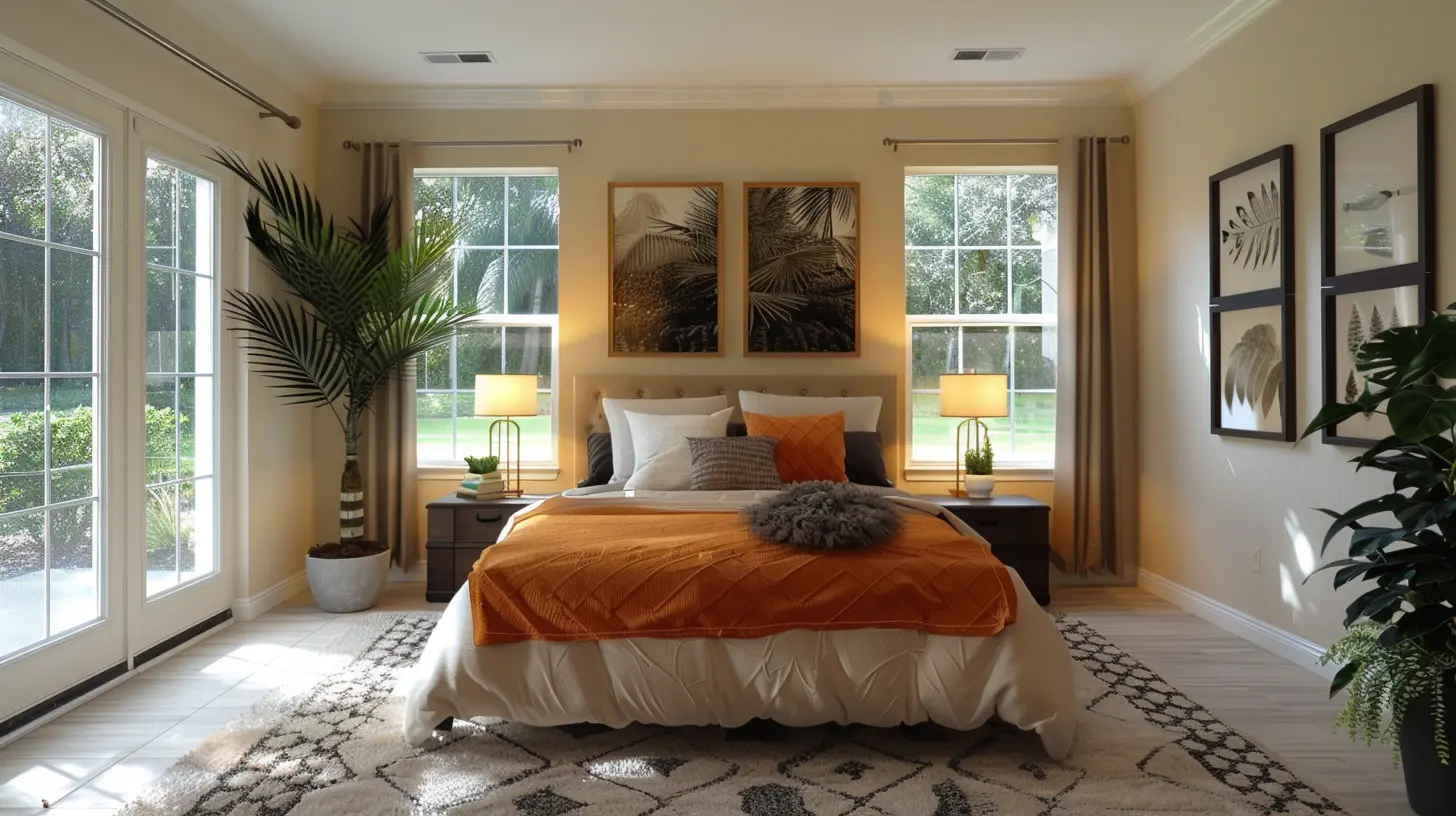
The Magic of Virtual Staging in a Tough Market
A sluggish real estate market means more listings, fewer buyers, and longer selling times. But instead of dropping your price or throwing in desperate concessions, virtual staging helps you enhance your property’s appeal—without a drastic investment.Here’s how virtual staging can help you stay ahead of the game:
1. Makes a Great First Impression
First impressions matter, especially online. With 90% of home buyers searching online first, your listing needs to grab attention instantly.A well-staged property looks polished, inviting, and move-in ready, which means buyers are more likely to schedule a showing. If your photos stand out, so will your listing.
2. Tailors the Home to Different Buyers
Got a home in a trendy urban neighborhood? Stage it with sleek, modern furniture. Selling a suburban family home? Showcase a warm, cozy setup.Virtual staging allows you to target different buyer demographics without the hassle of physically redecorating. A single listing can feature multiple styles—helping buyers see the home that fits THEIR lifestyle.
3. Cost-Effective Alternative to Physical Staging
Traditional staging can set you back anywhere from $2,000 to $10,000. Ouch.Virtual staging, on the other hand, costs just a few hundred bucks per listing—and delivers just as much impact.
So, if your marketing budget is tighter than a lid on an old pickle jar, virtual staging is an easy win.
4. Helps Sell Vacant Homes Faster
A vacant home can feel cold and uninviting. Buyers struggle to connect emotionally with an empty space, and that means longer days on the market.By adding furniture, rugs, and decor digitally, virtual staging transforms a vacant property into a warm, welcoming home—without the need for physical staging or rentals.
5. Minimizes the Distraction of an Outdated or Cluttered Space
If you’re selling a home that hasn’t been updated since the 90s, virtual staging can help modernize the look—without knocking down walls or replacing avocado-green countertops.It also helps disguise cluttered or overly personalized spaces. (Yes, that means Grandma’s collectible spoons and the neon gaming setup can be “digitally removed” for listing photos.)
Pro Tips: How to Get the Most Out of Virtual Staging
Now that you’re sold on the idea (or at least curious), let’s talk about the best practices for using virtual staging effectively.1. Use High-Quality Professional Photos
You can’t polish a blurry, dark photo—no matter how amazing the staging is. Use high-resolution, well-lit images for the best results.2. Keep It Realistic
Go for minimalist, tasteful designs that feel natural. If the staging looks straight out of a Sims game, potential buyers will notice.3. Be Transparent
Always disclose that images are virtually staged. It’s a great marketing tool, but honesty is key—buyers still need to walk into a real, empty home.4. Don’t Overdo It
Avoid overfilling rooms with excessive furniture or decor. Keep the designs neutral, stylish, and inviting.5. Work with a Pro
There are plenty of DIY tools, but if you can, hire a professional virtual stager. Their expertise can make all the difference in creating realistic, eye-catching photos.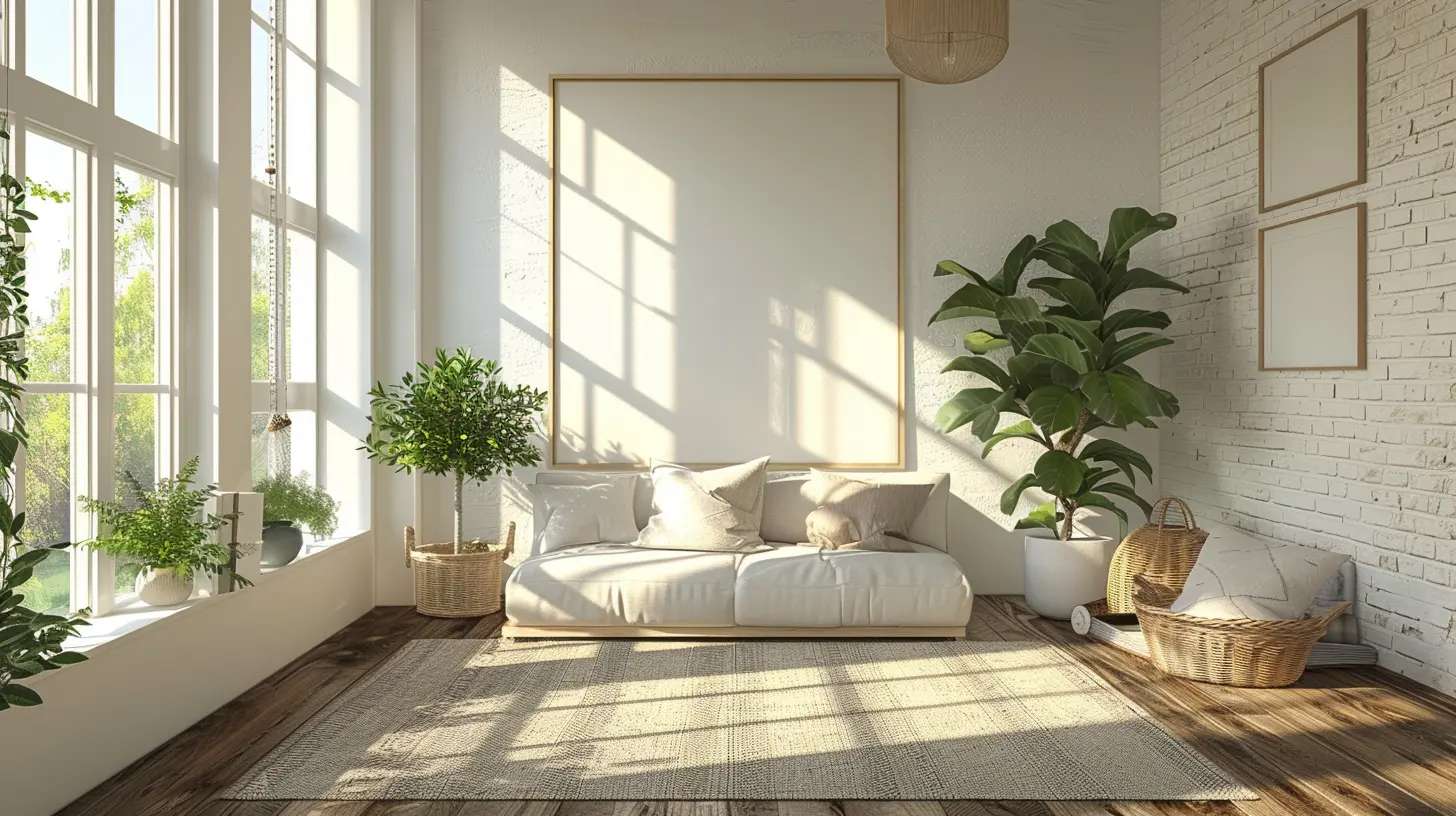
How to Add Virtual Staging to Your Marketing Strategy
Once you’ve got your beautifully staged images, it's time to put them to work:- Use Them in Online Listings – Zillow, Realtor.com, and MLS platforms are your best friends.
- Share on Social Media – Instagram, Facebook, and Pinterest love eye-catching home photos.
- Create Before & After Comparisons – Show buyers just how much potential the space has.
- Include in Email Marketing – A well-staged image can make a "boring" listing email a must-click.
Is Virtual Staging Worth It?
If you're selling in a sluggish market, the answer is a resounding YES.Virtual staging is affordable, effective, and makes homes look their absolute best—which means faster sales and better offers.
In today’s digital age, buyers expect high-quality visuals, and a virtually staged home stands out like a diamond in a sea of pebbles.
So, if you’re struggling to catch buyers’ eyes, it’s time to ditch the old-school staging costs and go virtual.
After all, why settle for an empty, overlooked listing when you can create a stunning, must-see home—with just a few clicks?
all images in this post were generated using AI tools
Category:
Virtual StagingAuthor:

Mateo Hines
Discussion
rate this article
1 comments
Wendy Chapman
Virtual staging offers a cost-effective way to enhance property appeal, particularly in challenging markets. By presenting potential spaces vividly, sellers can attract more buyers and make properties stand out.
July 10, 2026 at 12:44 PM
Mateo Hines
Absolutely, virtual staging can really transform how properties are perceived, especially when the market is tough. It's an innovative solution that helps sellers capture buyer interest effectively.