How to Stay on Budget During a Home Renovation
31 December 2025
Renovating your home is thrilling—the idea of transforming a dated space into something fresh and functional can get your heart pumping with excitement. But if you’ve ever peeked at your bank account halfway through a project, you probably already know how easy it is for costs to spiral out of control. So, how do you keep your finances from going off the rails? Let’s talk about it.
Whether you're just replacing your kitchen cabinets or tearing down walls for an open-concept living space, sticking to a budget can feel like navigating a minefield. One wrong step, and BOOM—you're facing unexpected expenses, contractor delays, or wish-list upgrades that weren’t part of your initial plan.
Grab a coffee, because we’re about to walk you through exactly how to stay on budget during a home renovation—without losing your sanity (or your savings).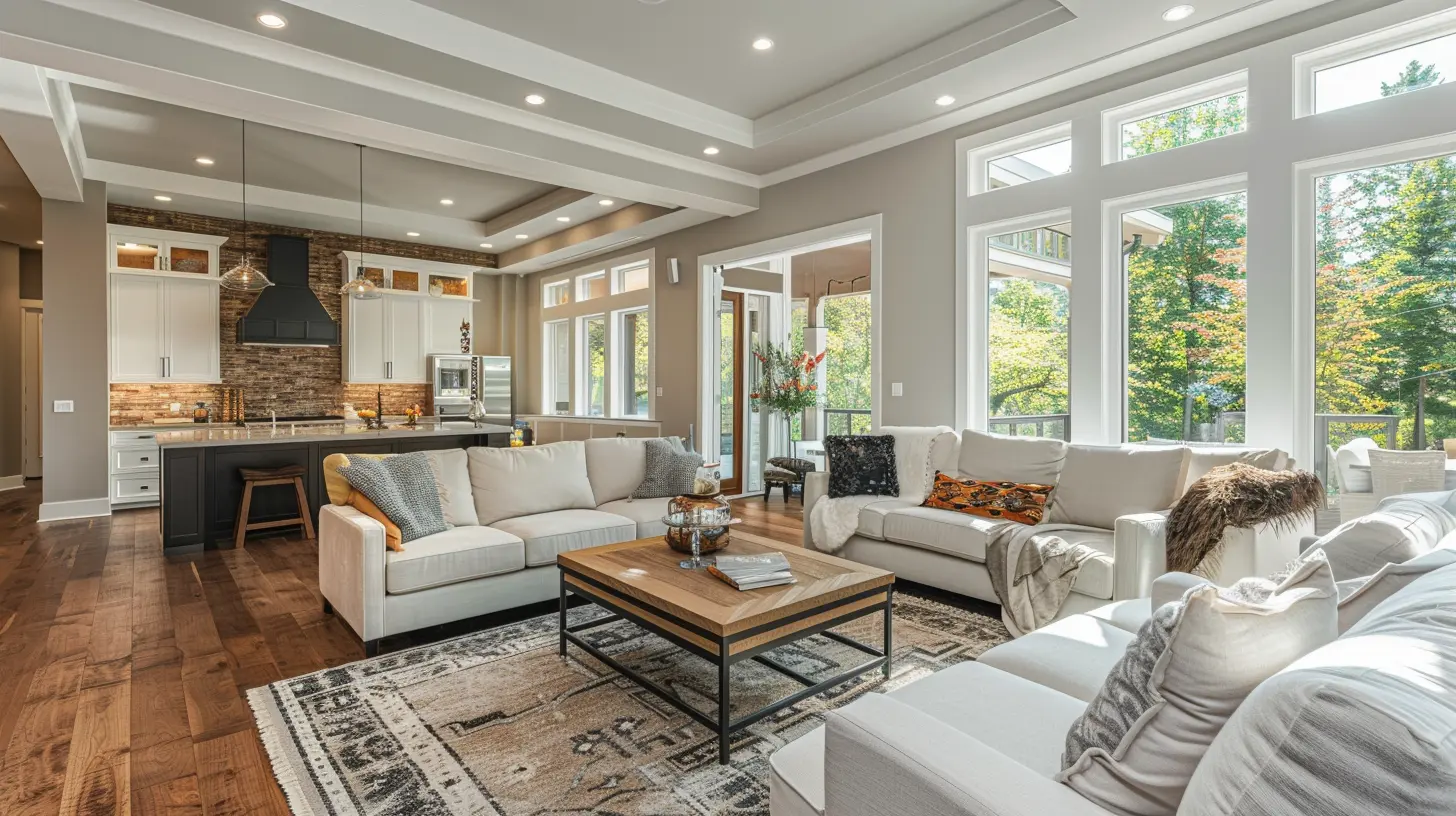
Set a Realistic Budget From the Start
Let’s be real. Renovation dreams are often bigger than renovation budgets. That’s why your first step should be figuring out how much you’re really willing (and able) to spend.Itemize Everything
Instead of tossing out a random number like “let’s renovate the kitchen for $10,000,” break that number down:- Materials (cabinets, flooring, paint)
- Labor
- Permits
- Designer fees
- Hidden expenses (they’re coming, trust me)
Having a detailed list helps you see where your money is going—and it’s easier to trim the fat if needed.
Add a Buffer
Always, always build in a buffer. Industry standard? Add 15–20% to your total budget for unexpected costs. Because let’s face it—something will go wrong. You might find mold behind the drywall or discover the plumbing is a mess. That buffer will feel like a warm safety net when things go sideways.
Prioritize Projects Based on ROI
Sure, a spa-level bathroom sounds divine, but will it add value if you’re planning to sell in a few years?Focus on High-Value Upgrades
If you want bang for your buck, focus on areas that increase your home’s value:- Kitchens and bathrooms
- Energy-efficient upgrades (windows, insulation)
- Curb appeal (landscaping, new siding)
When you prioritize based on return on investment (ROI), you’re not just spending—you’re investing. That mindset shift is a game changer.
Don’t Skip the Planning Phase
Planning isn’t just about picking tile samples and paint swatches. It’s about knowing your numbers, your timeline, and your team.Get Multiple Quotes
Never settle for the first estimate. Talk to at least three contractors. Think of it like shopping for a car—you wouldn't just buy the first one you test drive, right?Lock Down a Timeline
Time is money. The longer a renovation drags on, the more expensive it gets. A clear schedule keeps you and your contractor accountable.
DIY Where It Makes Sense
Want to save serious cash? Roll up your sleeves and get your hands dirty.The Right DIY Projects
Not everything needs a pro. Painting a room, installing new hardware, or even demo work can be done yourself. Just be honest about your skills. You don’t want to turn a simple fix into a costly repair job.Know When to Call the Pros
Electric, plumbing, and anything structural? Leave that to the experts. If you botch it, you’ll likely pay double to get it fixed. Some things are worth the investment.Be Smart with Material Choices
Champagne taste on a beer budget? No worries—you can still get the look for less.Opt for Lookalike Materials
Want marble countertops but can’t stomach the price? Go for quartz or high-end laminate. Dreaming of hardwood floors? Consider engineered wood or luxury vinyl planks. They look great and cost way less.Buy in Bulk or Shop Sales
Watch for end-of-season clearance sales, floor models, or warehouse deals. Don’t sleep on online marketplaces or salvage stores either—your budget will thank you.Avoid Scope Creep Like the Plague
Scope creep is that sneaky temptation to add “just one more thing” while you’re already in renovation mode. It’s a budget killer.Stick to the Original Plan
Changing plans mid-project may not seem like a big deal, but those little tweaks add up—fast. More time, more labor, more dollars. Before adding anything new, ask yourself: “Is this a want or a need?”Use a Change Order System
If changes absolutely have to happen, document everything in a change order. It outlines additional costs and keeps everyone on the same page.Stay on Top of Spending
If you don’t track your spending, your budget becomes a guessing game—and that’s a game you don’t want to play.Use Budgeting Tools
Apps like Mint, YNAB (You Need A Budget), or even a Google Sheet can help you track every dollar. Assign categories, keep receipts, and review weekly.Pay As You Go
Whenever possible, pay for expenses in stages. It helps prevent overspending early on and spreads out the financial hit.Communicate Clearly with Contractors
Think of your contractor as your renovation co-pilot. If communication breaks down, so does your budget.Set Expectations Early
Discuss your budget upfront—be crystal clear. A good contractor will respect your financial limits and help you make smart trade-offs.Don’t Assume—Ask
If something seems confusing or too expensive, speak up. Renovation isn’t the time to be shy.Know When to Walk Away
Sometimes, the best way to stay on budget is to pause—or even postpone—the project.Watch for Red Flags
If your contractor keeps missing deadlines, costs keep creeping up, or you feel uncomfortable with choices being made, don’t be afraid to hit the brakes.It’s Your Money
Remember, this is your investment. You’re not being difficult by asking questions or holding people accountable. You're being smart.Final Thoughts
Renovating your home on a budget doesn’t mean cutting corners or settling for less. It just means being thoughtful—planning ahead, making smart choices, and keeping your eyes on the prize. Sure, the process might have its hiccups, but when you're cozy in your freshly upgraded space without a maxed-out credit card, you’ll be glad you kept things in check.So, next time you feel the urge to splurge on gold-plated faucets or that dreamy $12-per-square-foot tile, take a breath. Budget-conscious decisions today make for sweet peace of mind tomorrow.
all images in this post were generated using AI tools
Category:
Home RenovationAuthor:

Mateo Hines
Discussion
rate this article
2 comments
Zinn Howard
Planning is key to budget-friendly renovations. Set clear priorities, track expenses diligently, and always expect the unexpected to stay financially on course.
January 20, 2026 at 1:47 PM
Mateo Hines
Absolutely! Effective planning and prioritization are essential for managing renovation costs. Staying organized and prepared for surprises can help maintain your budget.
Harley McQuaid
Great tips! Staying on budget during renovations can truly make the experience rewarding and stress-free.
December 31, 2025 at 5:03 AM
Mateo Hines
Thank you! I'm glad you found the tips helpful. Staying on budget can definitely enhance the renovation experience!