How Weather & Climate Impact Home Inspections
30 December 2025
When it comes to buying or selling a home, the home inspection is one of the most crucial steps. It helps uncover potential issues that could cost you thousands of dollars in repairs down the road. But did you know that weather and climate play a huge role in this process?
From extreme heat to heavy rain and freezing winter conditions, different weather patterns can impact the results of a home inspection. Whether you're a buyer, seller, or investor, understanding these factors can save you from unexpected surprises.
In this guide, we'll dive deep into how different weather conditions affect home inspections and what you should look out for during each season.
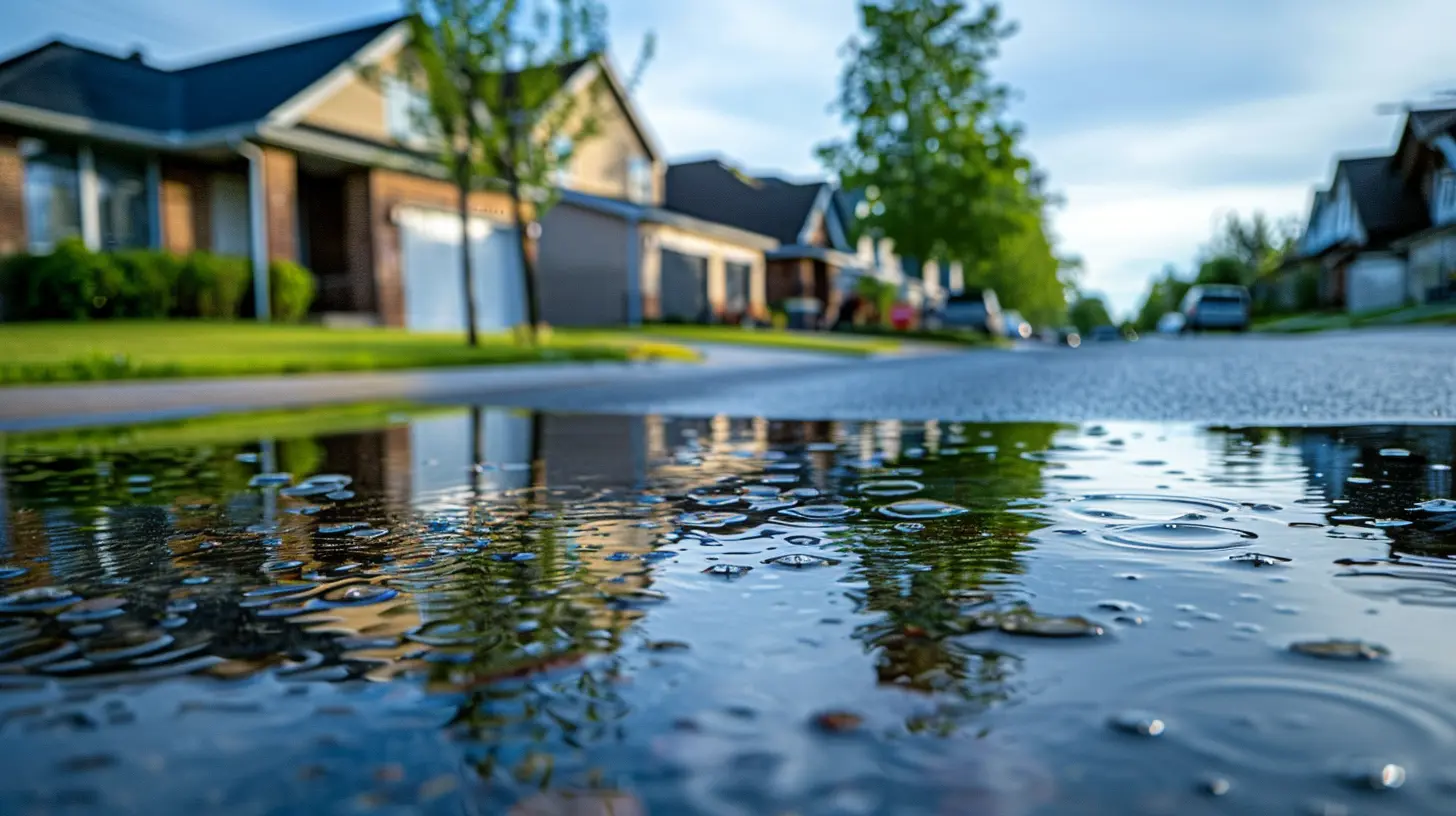
How Weather Affects Home Inspections
Weather isn't just about feeling hot or cold—it has a direct impact on homes. Different temperatures, moisture levels, and seasonal changes can reveal hidden problems or make it harder for inspectors to do their jobs effectively.1. Rain & Moisture: Uncovering Hidden Water Issues
Rain might seem like a bad time to have a home inspection, but in reality, it can help expose issues that might otherwise go unnoticed. Water damage is one of the biggest concerns in a home, and rain can reveal leaks, drainage problems, and even structural damage.
Common Problems Rain Can Reveal:
- Roof Leaks: Inspectors can check for active leaks when it's raining.- Basement Flooding: Heavy rain can expose poor drainage systems.
- Foundation Issues: Water pooling around the foundation may indicate serious damage.
- Mold & Mildew Growth: Excess moisture encourages mold buildup, which can be a health hazard.
If you're scheduling a home inspection during the rainy season, pay close attention to these areas—you might be glad the rain helped uncover potential problems!
2. Extreme Heat & Dry Conditions: Stressing the Structure
Hot weather isn't just uncomfortable; it can cause significant wear and tear on a home. Long periods of heat can dry out the soil around a home, leading to foundation shifts and cracks.Heat-induced Inspection Concerns:
- Cracks in Walls & Foundations: When soil dries out, it shrinks, causing structures to settle unevenly.- Roof Damage: Intense heat can cause shingles to curl or crack over time.
- Expansion of Materials: Heat makes wood, metal, and other materials expand, which can lead to warping and misaligned doors or windows.
If you're buying a home in a hot climate, it's essential to check for signs of long-term heat exposure.
3. Cold Weather & Freezing Temperatures: Hidden Dangers in Plain Sight
Freezing temperatures bring their own set of challenges. Not only can they make it harder for inspectors to assess certain parts of the home, but they can also mask underlying issues.Cold-weather Inspection Challenges:
- Frozen Pipes: Inspectors may not detect pipe damage if the water isn’t actively flowing.- Ice Dams on Roofs: Snow buildup can lead to ice dams, which cause leaks and roof damage.
- HVAC System Issues: A home’s heating system is under pressure in the winter, which can highlight inefficiencies or failures.
Winter home inspections can be tricky, but a trained inspector will know what to look for to ensure you're not walking into an expensive repair situation.
4. Wind & Storm Damage: The Invisible Threat
Strong winds and storms can cause significant damage to homes, both in the short term and long term. High winds can loosen roof shingles, damage siding, and even shift foundations over time.Wind-related Home Inspection Concerns:
- Loose or Missing Roof Shingles: Wind can lift shingles, leading to roof leaks.- Damaged Siding & Exterior Features: Inspectors will check for cracks, dents, and loose fittings.
- Downed Trees & Branches: Nearby trees can pose a hazard if they're weak or too close to the home.
Storm-prone areas require extra vigilance when inspecting homes. If you're in a hurricane or tornado-prone zone, ensure the home meets local building codes for wind resistance.
5. Humidity & Moisture Levels: The Silent Destroyer
High humidity can be a home's worst enemy. It not only affects comfort but also leads to structural problems over time.How Humidity Impacts Homes:
- Mold & Mildew Growth: Excess moisture can lead to mold infestations and musty odors.- Wood Rot & Decay: Humidity accelerates the deterioration of wooden structures.
- Condensation Issues: Poor ventilation can cause condensation on windows and walls, leading to damage.
Homes located in humid climates need extra care when it comes to ventilation and moisture control. Inspections in these areas should focus on proper drainage, ventilation systems, and mold prevention.
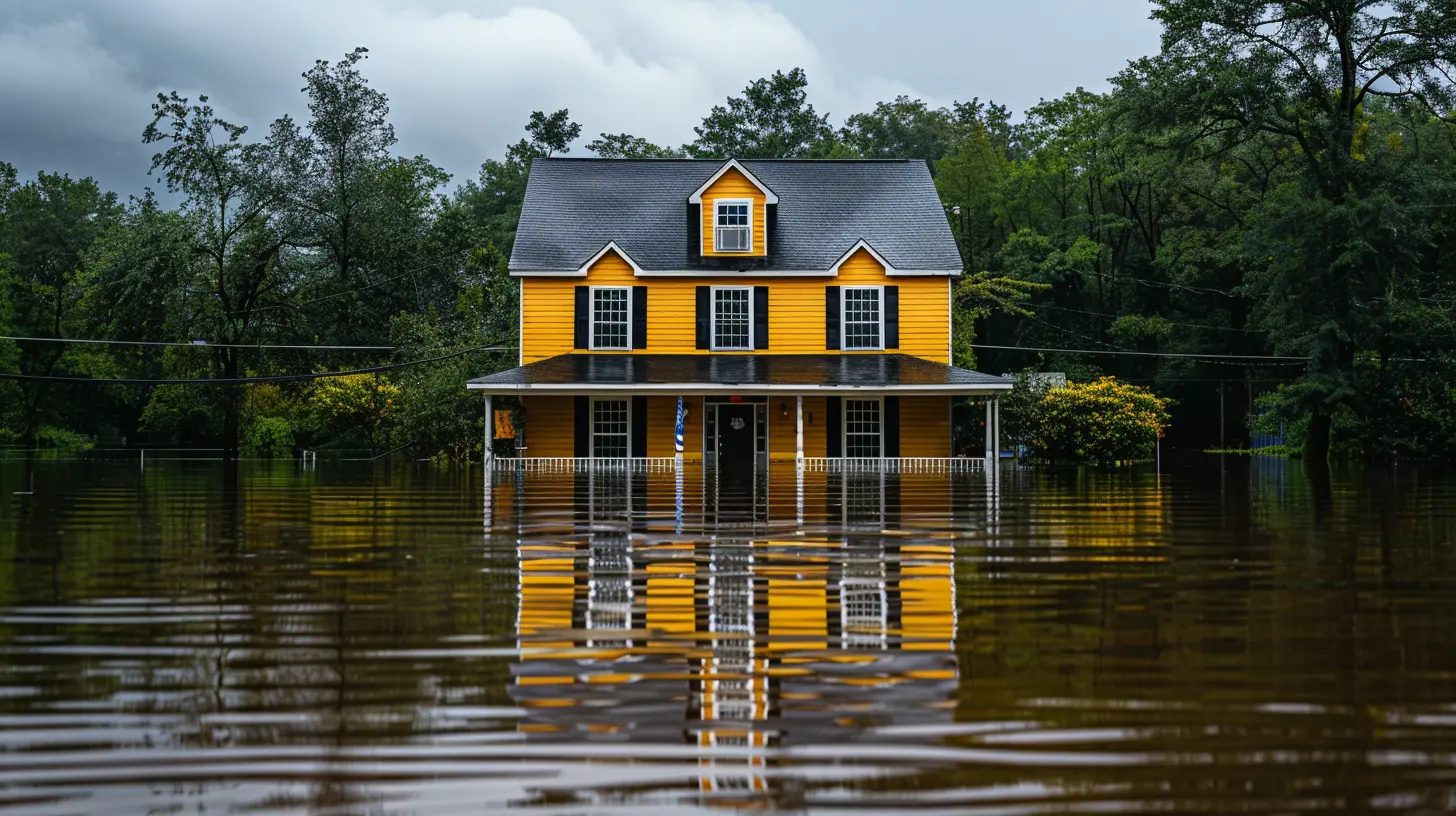
Seasonal Challenges for Home Inspections
Every season presents unique challenges for home inspections. Here's what to expect throughout the year:Spring
- Melting snow can reveal water leaks and foundation issues.- Increased humidity can expose mold problems.
- Expanding tree roots may cause plumbing or foundation damage.
Summer
- High temperatures can stress HVAC systems.- Dry soil may lead to foundation cracks.
- Roof wear and tear from sun exposure is more visible.
Fall
- Leaves can clog gutters, increasing water damage risks.- Cooler air reveals drafts and insulation issues.
- Early signs of ice dams may start forming on roofs.
Winter
- Snow-covered roofs make it hard to inspect for damage.- Freezing temperatures can hide plumbing issues.
- Heating systems are pushed to their limits, revealing inefficiencies.
How to Prepare for a Home Inspection in Any Weather
While you can't control the weather, you can certainly prepare for it. Here are some tips to ensure a successful home inspection, no matter the season:- Check the forecast: If extreme weather is expected, consider rescheduling.
- Clear walkways & access points: Ensure the inspector can easily reach all areas.
- Turn on utilities: Inspectors need running water and electricity to check systems.
- Prepare for follow-up inspections: Some issues may require further investigation in better conditions.

Final Thoughts
Weather and climate play a crucial role in home inspections. While some weather conditions can make it easier to spot issues, others can hide potential problems. Whether it's rain revealing leaks, heat causing structural shifts, or winter masking plumbing issues, understanding these factors is key to making a well-informed decision.If you're planning a home inspection, be mindful of the season and how it might impact the results. Knowing what to look for can help you avoid costly surprises and ensure you're making a sound investment.
all images in this post were generated using AI tools
Category:
Home InspectionsAuthor:

Mateo Hines
Discussion
rate this article
2 comments
Benjamin Peterson
Weather and climate aren't just small talk; they're your home's undercover agents! Don’t let a sunny façade fool you—inspectors know how to spot the secrets lurking below!
January 17, 2026 at 1:32 PM
Mateo Hines
Absolutely! Weather and climate play crucial roles in home inspections, revealing hidden issues that can impact your home's integrity. Always dig deeper than the surface!
Blair Fry
Great insights! It's fascinating how much weather influences home inspections. From moisture to temperature fluctuations, every season brings unique challenges. As a homebuyer, being aware of these factors can save us from surprises down the road. Thanks for shedding light on this important aspect of real estate!
December 30, 2025 at 3:56 AM
Mateo Hines
Thank you for your thoughtful comment! I'm glad you found the insights helpful. Understanding how weather impacts home inspections is essential for informed homebuying.