Land Conservation and Real Estate Development: Finding a Balance
21 December 2025
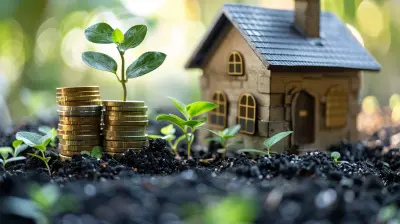
When it comes to real estate, developers and environmentalists often find themselves on opposite sides of the fence. On one hand, we need homes, businesses, and infrastructure. On the other, we need to protect our environment, preserve green spaces, and maintain biodiversity. So, how do we strike a balance between land conservation and real estate development?
Let's dive into the challenges, solutions, and ways developers can work hand-in-hand with conservation efforts to create a sustainable future.
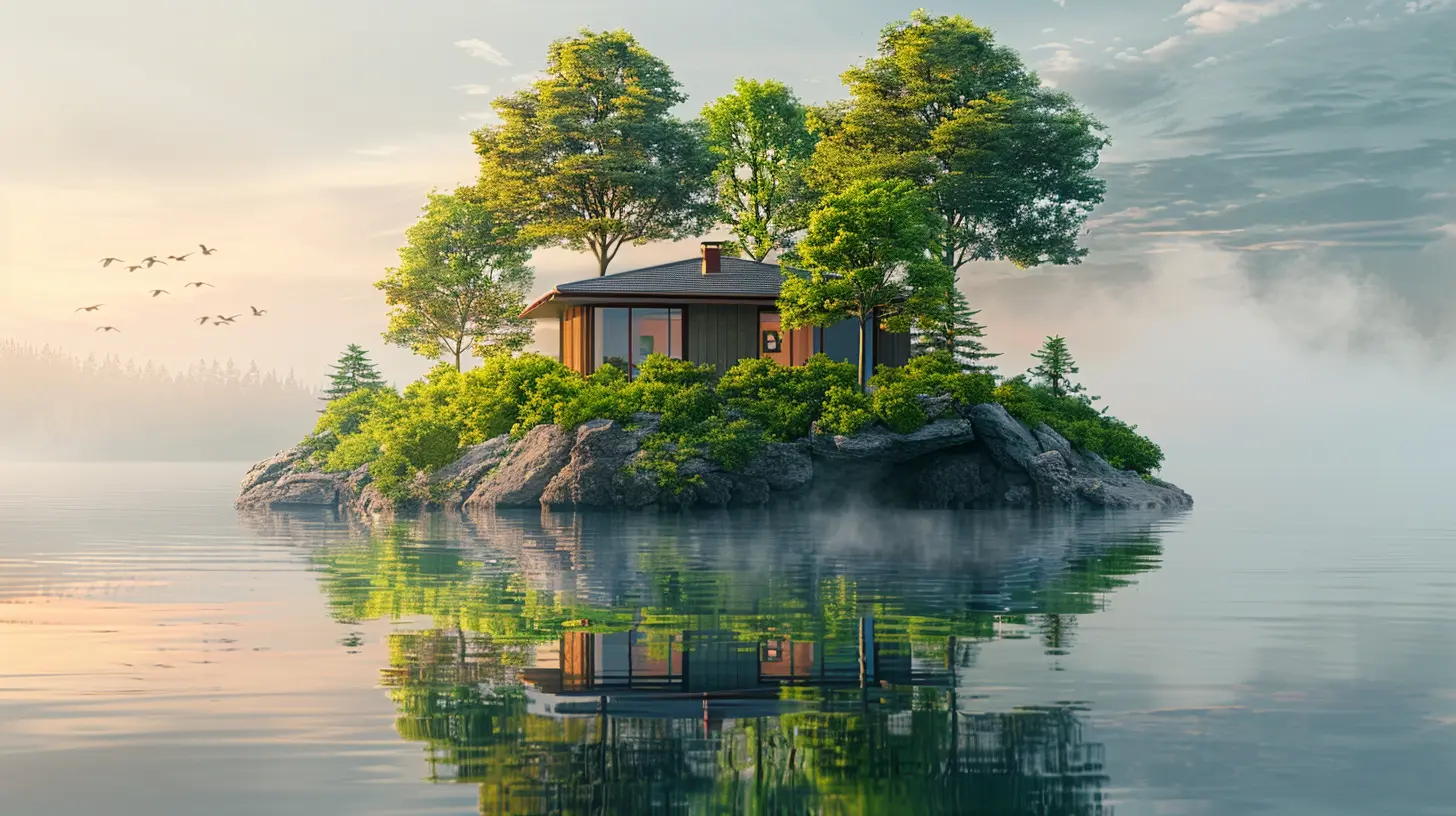
Why Land Conservation Matters
Before we get into the nuances of balancing land conservation and development, let's talk about why conservation is essential.1. Protecting Ecosystems and Wildlife
Every piece of land that is developed can impact the plants and animals living there. Urban expansion can destroy natural habitats, forcing wildlife to relocate or, worse, pushing species to the brink of extinction.2. Maintaining Air and Water Quality
Forests and wetlands act as natural filters, purifying our air and water. When too much land is cleared for development, we risk increased pollution, which can have long-term health effects on humans and wildlife alike.3. Managing Climate Change
Green spaces help absorb carbon dioxide, one of the biggest culprits behind climate change. When we reduce forests and green areas, we contribute to rising temperatures and extreme weather events.4. Promoting Healthier Communities
Living near parks, forests, and open spaces isn’t just aesthetically pleasing; it’s proven to boost mental and physical health. Green areas encourage outdoor activities, reduce stress, and even increase property values.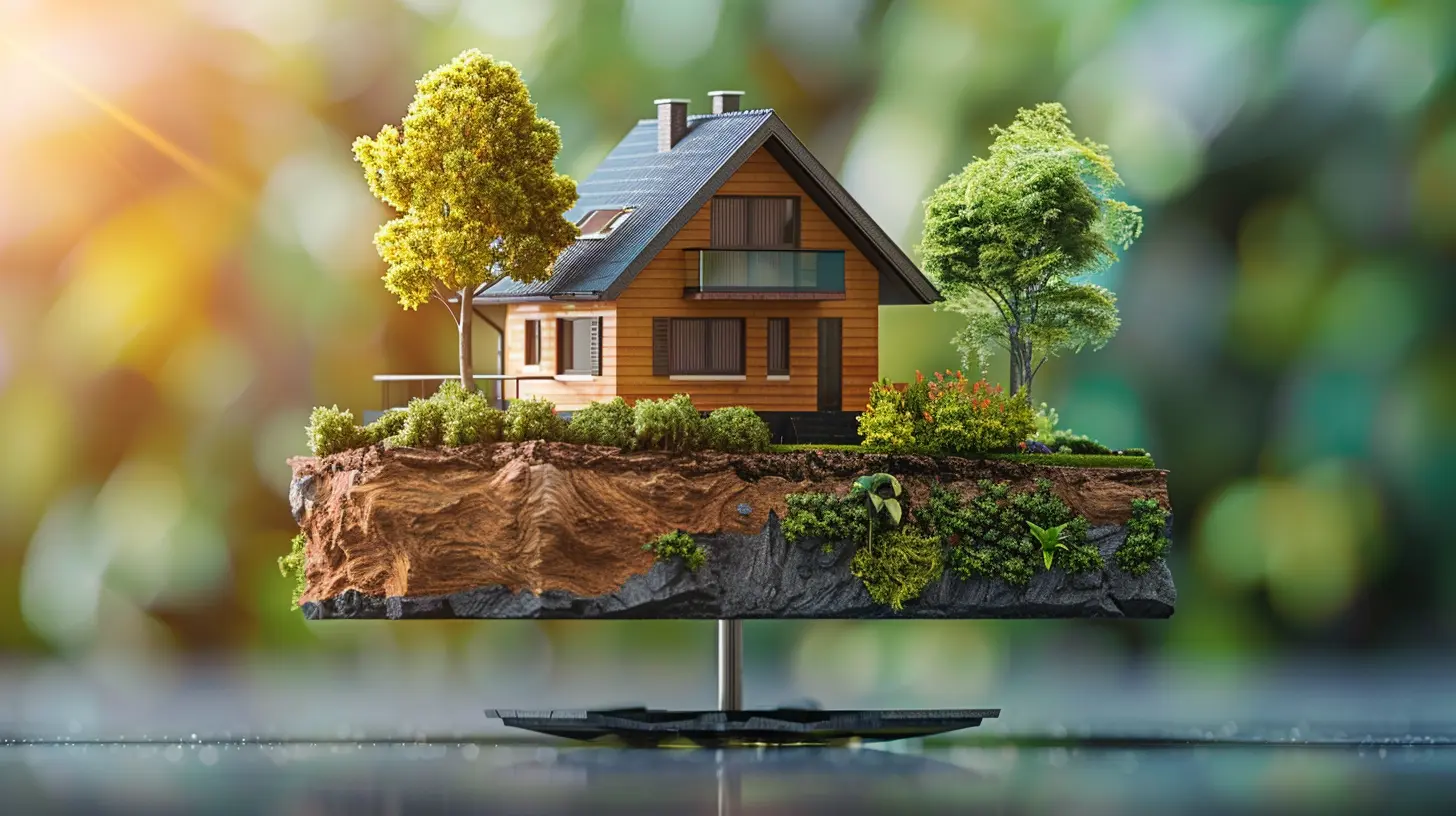
The Push for Real Estate Development
On the flip side, real estate development is crucial for economic growth, housing affordability, and urban expansion. Here’s why developing land is just as important as conserving it.1. Meeting Housing Demands
As populations grow, the demand for housing skyrockets. People need places to live, and cities need to expand to accommodate them.2. Boosting the Economy
Real estate development creates jobs, attracts businesses, and contributes to local and national economies. From construction workers to realtors, many industries rely on property development.3. Infrastructure and Urban Growth
Without development, we wouldn’t have the roads, schools, hospitals, and businesses that make modern living possible. Expanding cities and towns is necessary to improve accessibility and services.4. Enhancing Property Values
Developed areas with well-planned infrastructure often increase property values, benefiting homeowners and investors alike.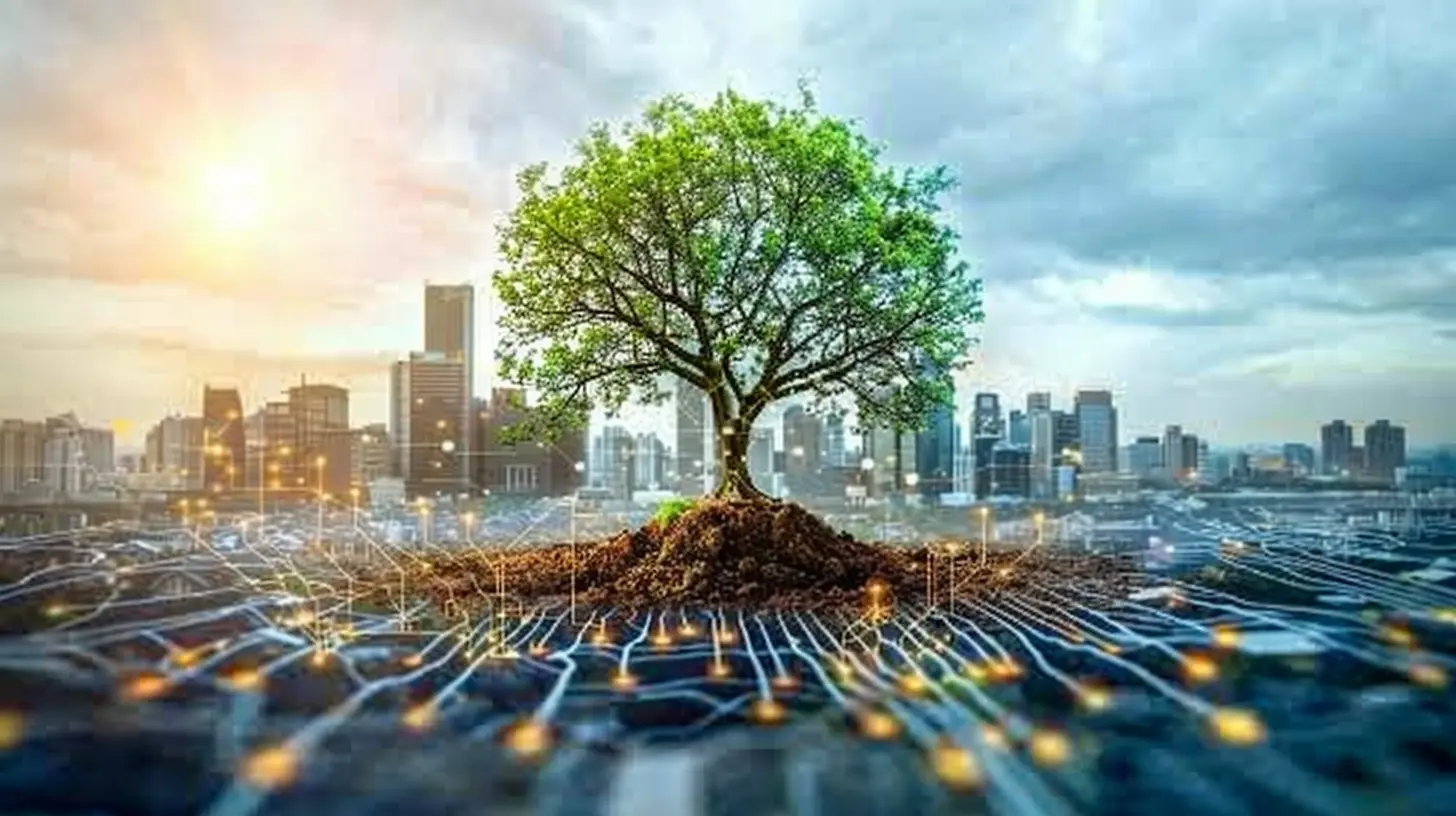
Can Conservation and Development Coexist?
Now comes the million-dollar question: Is it possible to balance conservation with real estate development? The short answer—yes! But it requires careful planning, innovative solutions, and a commitment from both developers and conservationists.1. Smart Growth Strategies
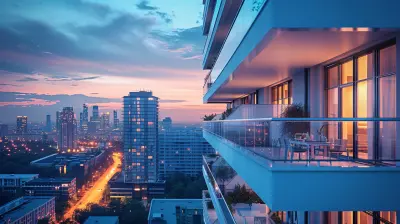
Smart growth encourages sustainable urban expansion without encroaching on critical ecosystems. This means:- Building up, not out—promoting high-density developments instead of urban sprawl.
- Incorporating mixed-use developments, where businesses, homes, and public spaces coexist efficiently.
- Prioritizing public transportation to reduce the need for excessive road expansions.
2. Green Building Practices
Sustainable construction techniques can minimize environmental impact and make real estate development eco-friendly. Here are some ways builders can contribute:- Using recycled or sustainable building materials.
- Implementing energy-efficient designs, such as solar panels and green roofs.
- Incorporating water-saving technologies, like rainwater collection and water-efficient landscaping.
3. Preserving Green Spaces Within Developments
Including parks, green roofs, and tree-lined streets in urban planning can help maintain biodiversity and improve quality of life. Studies show that even small green spaces in cities can help reduce urban heat effects and improve air quality.4. Conservation Easements
A conservation easement is an agreement where landowners voluntarily give up development rights to protect natural resources. This ensures that specific areas of land remain untouched while allowing for responsible development in other areas.5. Government Policies and Incentives
Many governments offer incentives for developers who incorporate conservation into their projects. Tax breaks, zoning benefits, and grants encourage real estate professionals to build with sustainability in mind.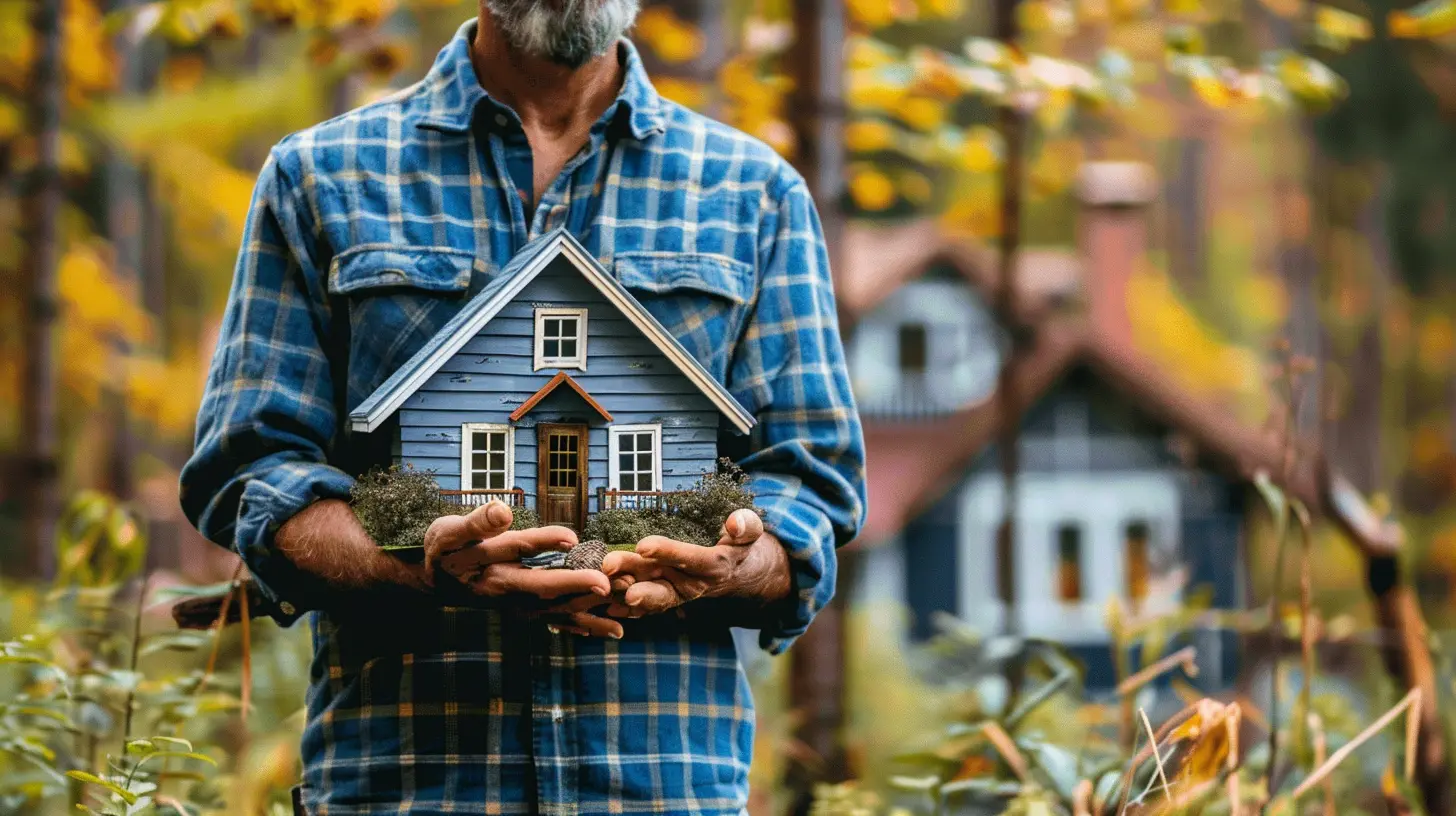
Case Studies: Cities Finding the Balance
To see land conservation and real estate development coexisting successfully, let’s look at a few examples:1. Portland, Oregon, USA
Portland is known for its impressive urban planning. The city has strict urban growth boundaries, meaning that development happens within pre-set areas, leaving surrounding forests and farmlands protected. This approach has encouraged sustainable urban growth while preserving green spaces.2. Singapore—A Green Metropolis
Singapore is a global leader in sustainable urban planning. Despite its limited landmass, the city has integrated green architecture into its developments, from rooftop gardens to green walls that help regulate temperature and improve air quality.3. The Netherlands' Water Management and Sustainable Planning
Due to its low-lying geography, the Netherlands has embraced sustainable construction with a focus on water management. The country integrates conservation into development with the use of clever urban planning and eco-friendly infrastructure.What Can Homebuyers and Investors Do?
If you’re in the real estate market, you can play a role in promoting sustainable development.1. Look for Green Certifications
When buying a home or commercial property, check for eco-friendly certifications like LEED (Leadership in Energy and Environmental Design). These properties are more energy-efficient and have a smaller environmental footprint.2. Support Eco-Conscious Developers
Some developers prioritize sustainability, ensuring that their projects have minimal environmental impact. Doing some research before investing in a property can lead to smarter, more ethical real estate decisions.3. Advocate for Urban Green Spaces
Whether you're a homeowner or renter, advocating for parks, trees, and community gardens in your area can contribute to a greener, healthier neighborhood.
Final Thoughts
Land conservation and real estate development may seem like opposing forces, but with smart planning, sustainable practices, and forward-thinking policies, they can actually complement each other. Developers don’t have to choose between progress and preservation—both can thrive when approached wisely.As our population continues to grow, finding that balance will be crucial in ensuring a sustainable, livable future for generations to come. So, whether you’re a developer, investor, or homebuyer, let’s work together to make sure we’re building a world that’s both economically and environmentally sustainable.
all images in this post were generated using AI tools
Category:
Real Estate DevelopmentAuthor:

Mateo Hines
Discussion
rate this article
2 comments
Audrey Franklin
This article beautifully highlights the essential interplay between land conservation and real estate development. It's crucial for stakeholders to prioritize sustainable practices that protect our environment while accommodating growth. Striking a balance is not just beneficial—it's imperative for future generations. Thank you for addressing this vital issue!
January 12, 2026 at 7:08 PM
Mateo Hines
Thank you for your thoughtful comment! I completely agree that balancing land conservation with real estate development is essential for a sustainable future. Your insights are much appreciated!
Otto Ramirez
Striking a balance between land conservation and real estate development is crucial; sustainable practices can enhance property value while preserving essential ecosystems.
December 22, 2025 at 4:33 AM
Mateo Hines
Thank you for highlighting this essential balance; sustainable practices not only protect ecosystems but also increase property values, benefiting both the environment and the community.