Maximizing Daylight: Natural Lighting Solutions for Green Homes
26 April 2026
Creating a green home isn’t just about solar panels and energy-efficient appliances. One of the most overlooked yet powerful tools in sustainable living is… natural light! Think about it – the sun gives us free, clean, and beautiful light every single day. So why not use it to our full advantage?
Let’s dive into how you can flood your home with daylight, cut down on energy bills, and create a space that feels warm, open, and alive.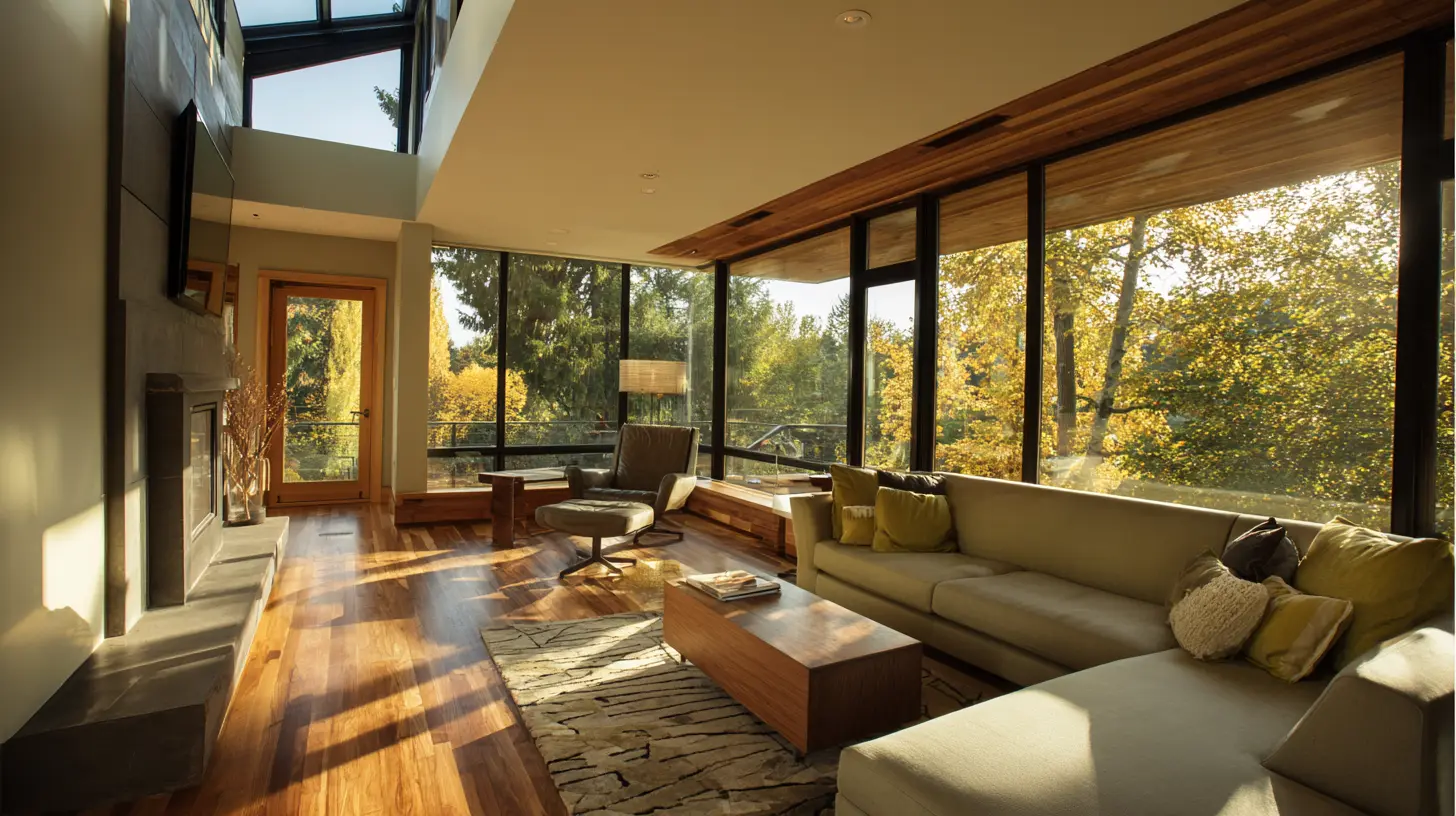
Why Natural Light Matters in a Green Home
Before we jump into the “how,” let’s talk about the “why.”It’s Energy Efficient
The more sunlight you let in, the less you rely on artificial lighting. That means fewer kilowatts used, and lower electric bills. Pretty simple, right?It Boosts Mood and Health
Ever feel groggy and sluggish in a poorly lit room? Natural light is linked to better sleep patterns, improved mental clarity, and reduced stress. Just like plants, we thrive in the sun.It Makes Your Home Look Bigger
Bright rooms appear larger and more open. That’s a bonus whether you're living in a tiny apartment or a spacious home.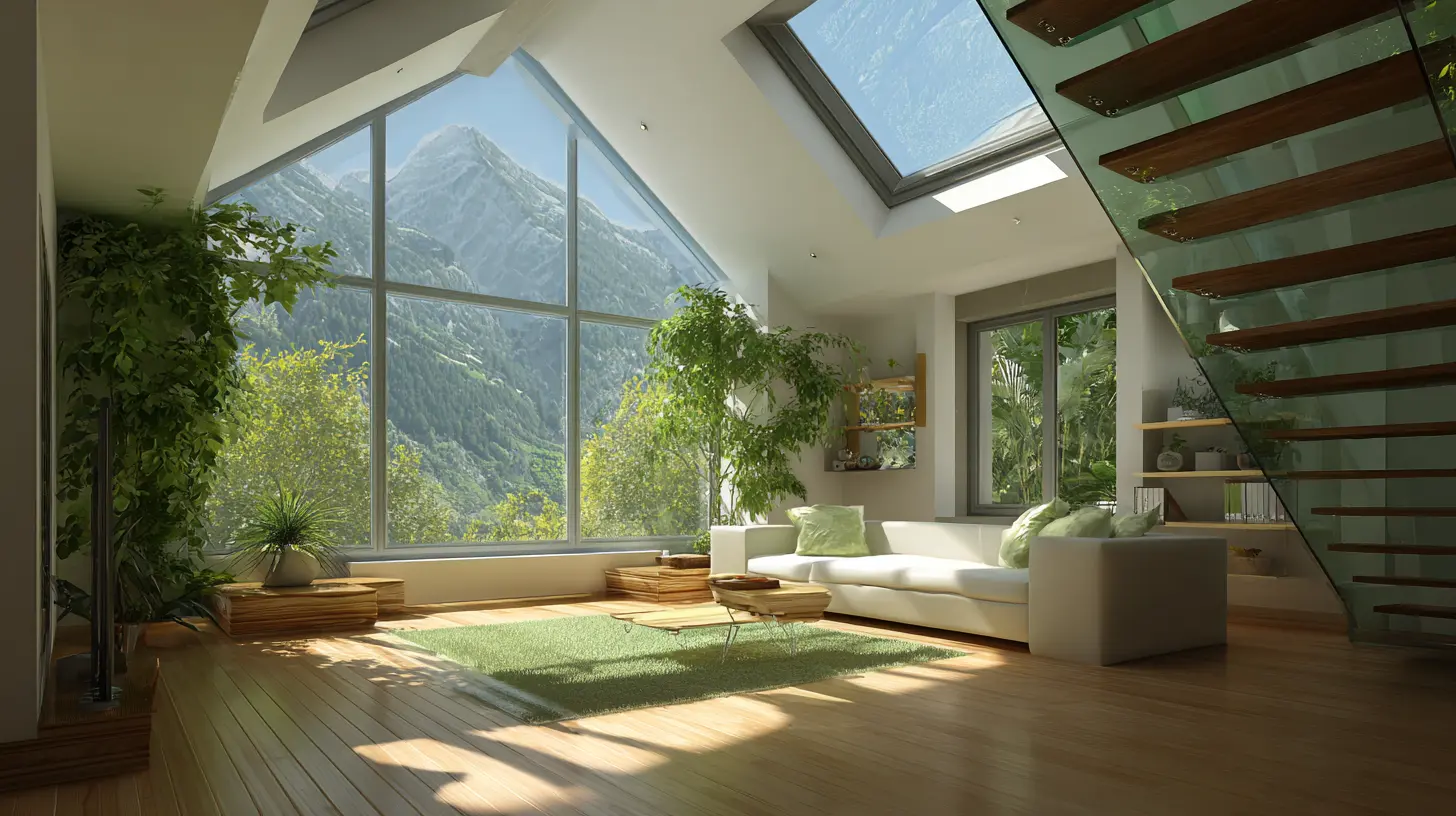
Assessing Your Home's Daylight Potential
Not every home is created equal when it comes to sunlight. But that doesn’t mean you can’t make improvements.Orientation and Layout
Is your home facing the right way? Homes that are south-facing (in the Northern Hemisphere) get the most consistent sunlight throughout the day. Take a walk around your home at different times and observe how the light moves.Window Placement and Size
Are your current windows maximizing available sunlight? Small, poorly placed windows might be limiting your daylight. Bigger isn’t always better – it’s about strategic placement.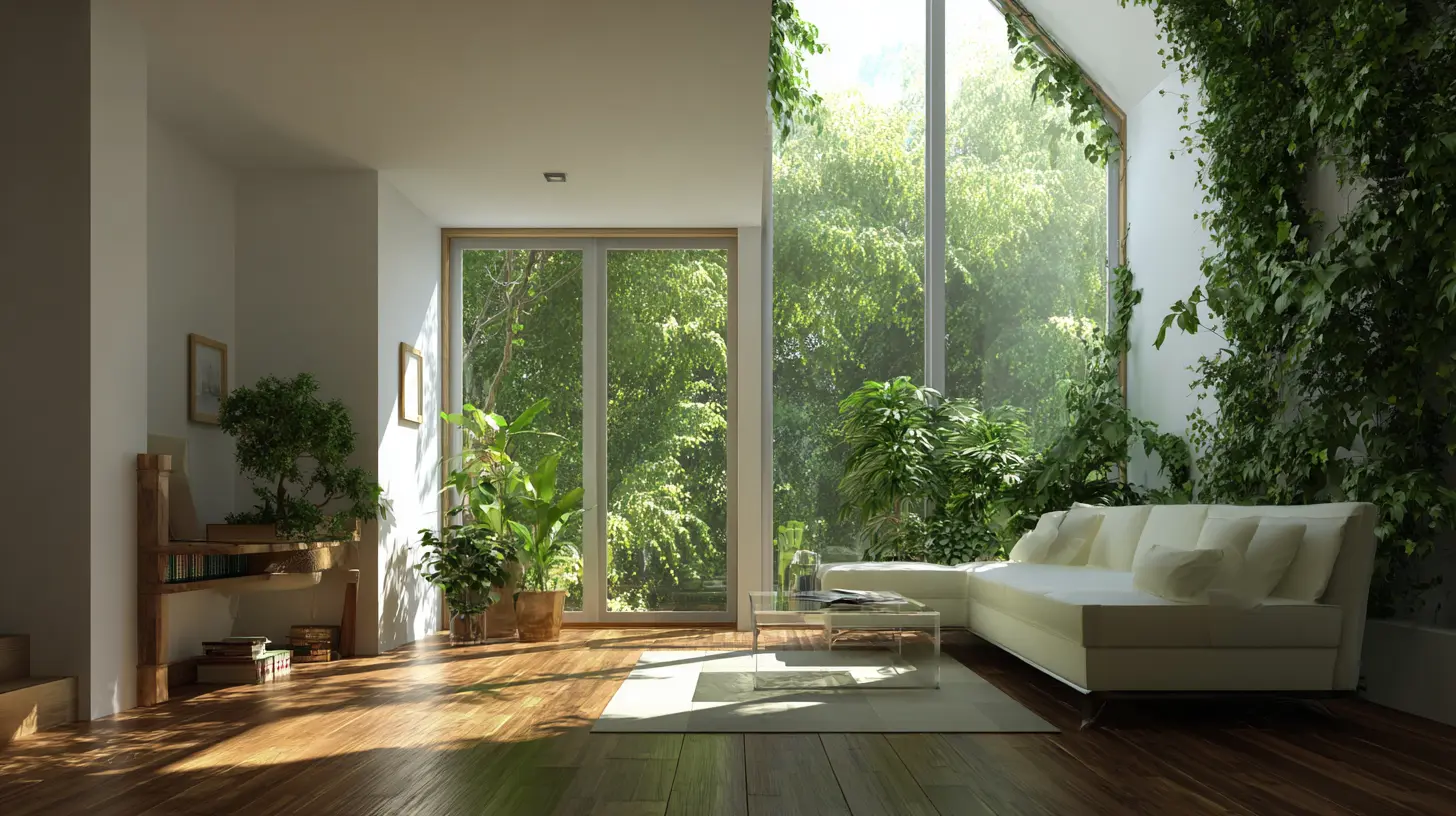
Smart Window Design for Maximum Daylight
Windows are the superheroes of natural lighting. Here’s how to make them work their magic.Go Bigger, But Smarter
Floor-to-ceiling windows or wide sliding glass doors can pull in massive amounts of daylight. Want to make them even more effective? Place them where they’ll catch the most rays: typically the south side.Use Clerestory Windows
These are high windows near the roofline that let in daylight without sacrificing privacy. They're perfect for bathrooms or bedrooms where you want light but not the view from your neighbor’s garage.Add Skylights or Light Tubes
Skylights bring the sky indoors. Light tubes (also called sun tunnels) are like fiber optics for sunlight – they channel light from the roof into darker interiors like hallways or closets.Don’t Forget About Window Frames
Thinner frames and more glass = more light. Choose window designs that minimize obstruction while still providing insulation.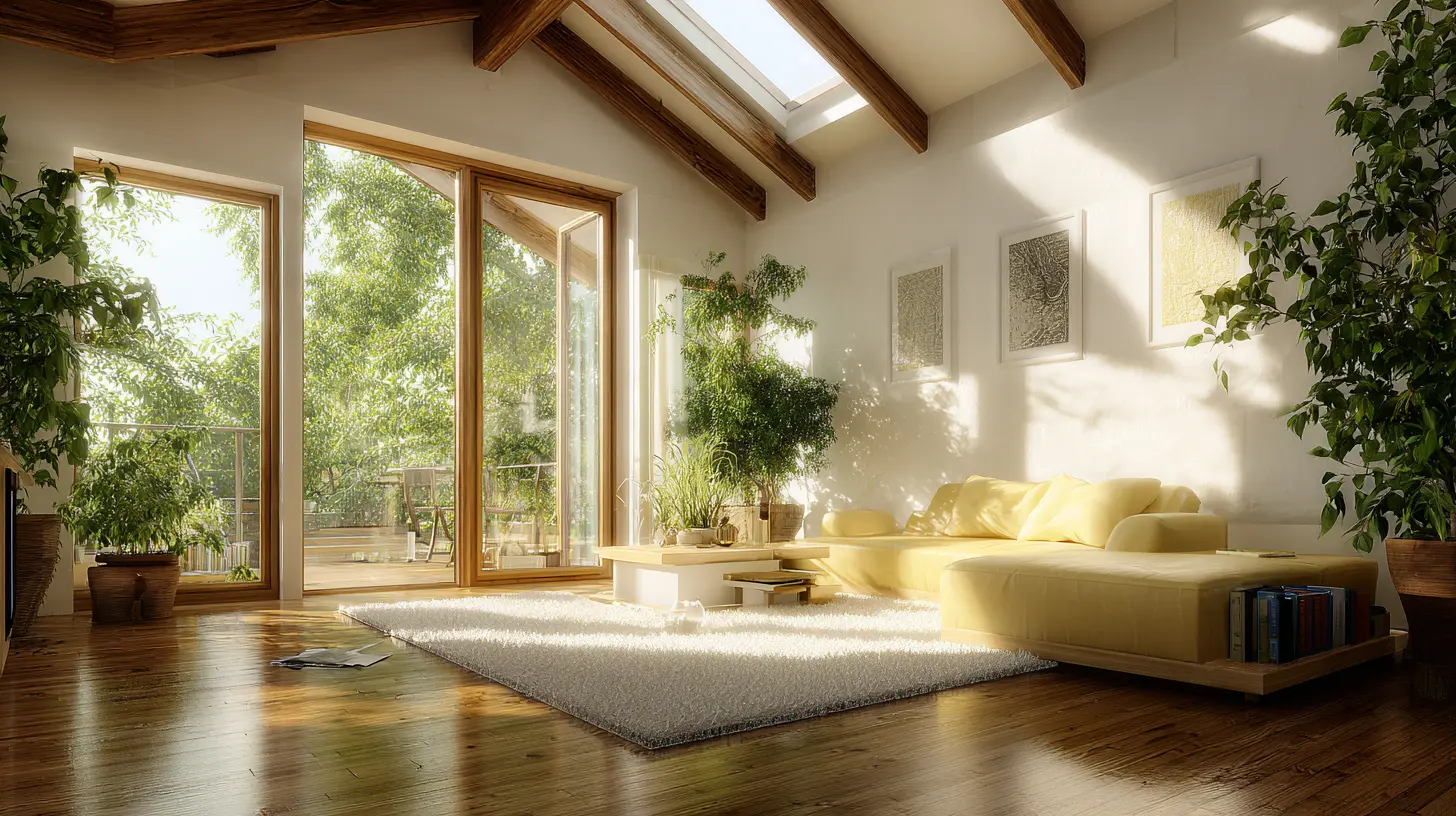
Reflecting Light with Interior Design
It’s not just about getting light in – it’s also about bouncing it around.Use Light-Colored Walls
Light walls reflect far more light than dark walls. Whites, soft grays, or creamy neutrals can dramatically boost the brightness of a room.Glossy and Reflective Surfaces
High-gloss paint, mirrored furniture, even polished floors – they can all reflect light throughout a space. Think of them as mini sunlight amplifiers.Minimal Window Treatments
Heavy drapes and dark blinds can block precious daylight. Consider sheer curtains or roller blinds that let in light while still offering privacy.Take Advantage of Open Floor Plans
Walls block light. It’s that simple.By knocking out unnecessary interior walls or opting for open-concept layouts, you allow natural light to travel deeper into your home. Even using glass partitions instead of solid ones can make a huge difference.
Smart Landscaping to Boost Indoor Light
Believe it or not, what’s outside your window matters too.Trim Overgrown Trees and Bushes
Got big trees or bulky bushes blocking your windows? Trim them back to let the sunshine in. You’d be surprised how much brighter it gets with a single pruning session.Position Outdoor Features Strategically
Avoid placing tall fences, sheds, or other large structures right in front of sun-facing windows. Keep your sightlines – and sunlight – clear.Passive Solar Design: A Long-Term Natural Lighting Strategy
If you’re building or renovating, now’s the time to think long-term.Orient the Building for the Sun
Face main living spaces towards the south (in the Northern Hemisphere) to catch sunlight during the day. Design your floor plan around this.Use Thermal Mass
Materials like concrete, brick, or stone absorb heat during the day and release it slowly at night. Combine these with natural light to keep your home warm and cozy without turning up the heat.Deep Overhangs
You want light in the winter but shade in the summer, right? Deep roof overhangs or awnings allow winter sun to shine in when it's low on the horizon but block high summer sun to keep your space cool.Use Mirrors Creatively
This one’s quick and easy. Mirrors double the impact of any natural light by reflecting it across the room. Place a large mirror opposite a window and watch how it instantly makes the room feel bigger and brighter. It’s like magic, but better—because it’s science.Mix Daylight with Efficient Artificial Lighting
Even the brightest homes need a night-light plan. The key is layering.Use Task Lighting
Install targeted lighting where you need it—like under cabinets or over desks—but keep overall brightness soft.Go LED
LED bulbs are energy-efficient, long-lasting, and now come in tones that mimic natural daylight. Look for bulbs labeled “daylight” or around 5000K for that bright, natural effect.Natural Light and Privacy: Can You Have Both?
Absolutely.Frosted Glass and Window Film
These allow in plenty of light while blurring the view. Perfect for bathrooms or street-facing windows.Strategic Plant Placement
Indoor plants near windows can act as natural privacy screens. And bonus – they clean the air and look gorgeous.Daylight Harvesting: The Techy Side of Natural Light
This might sound like something out of a sci-fi movie, but it's real—and it's awesome.What Is Daylight Harvesting?
It’s a smart system that adjusts your artificial lighting in real time, based on the amount of natural light available. If the sun’s doing the heavy lifting, your lights dim or turn off entirely. It saves energy without you lifting a finger.How to Get It
You’ll need sensors and compatible lighting, but many smart home systems offer daylight harvesting as part of their package. It’s worth it if you're serious about creating a high-efficiency home.Mistakes to Avoid When Maximizing Natural Light
A few common missteps could sabotage your sunlight strategy.- Ignoring window placement during renovations – it’s not just an aesthetic choice.
- Overloading on skylights – Yes, there can be too much. Too many skylights can heat your home in summer or cause glare.
- Choosing the wrong paint finish – Glossy isn’t always better. In some rooms, a soft matte finish reflects light more evenly.
- Blocking key windows with furniture – Make sure your big sunlight portals stay clear and unobstructed.
Final Thought: Let the Sunshine In
Green homes are all about balance – between comfort, cost, and sustainability. And while we often obsess over the latest gadgets and smart features, sometimes the best solution is as old as time itself: sunlight.So whether you’re building new, renovating, or just sprucing up your space, think about how you can welcome more daylight into your home. It’s free, it’s beautiful, and it might just make your home feel like a breath of fresh air.
all images in this post were generated using AI tools
Category:
Green HomesAuthor:

Mateo Hines
Discussion
rate this article
2 comments
Winona McMichael
Love this! Natural light truly transforms a home’s energy and mood.
April 30, 2026 at 11:44 AM
Mateo Hines
I completely agree! Natural light makes such a difference in how a space feels. Thanks for your thoughts!
Sienna Gonzalez
Who needs a sun tan when you can bask in the glow of natural light? 🌞 Let’s turn those dark corners into bright nooks! Here’s to homes that shine as bright as our smiles. Happy decorating!
April 28, 2026 at 12:44 PM
Mateo Hines
Absolutely! Natural light transforms spaces and boosts our mood. Here's to brighter homes and happier vibes. Happy decorating!