Understanding the Pros and Cons of Different Mortgage Types
8 December 2025
When you're thinking about buying a home, one of the most important (and let’s be honest, stressful!) decisions you’ll have to make is picking the right mortgage. It’s a big deal—this choice can affect your finances for years to come. With so many mortgage options out there, it's easy to feel overwhelmed. Should you pick a fixed-rate mortgage or an adjustable-rate mortgage? What about FHA loans or VA loans? Each type has its pros and cons, so understanding the basics can help you make a smarter choice.
Don’t worry—I’ll break it all down for you in a way that’s easy to digest. Let’s explore the most common mortgage types, their benefits, and their pitfalls, so you can feel confident in choosing what’s best for you.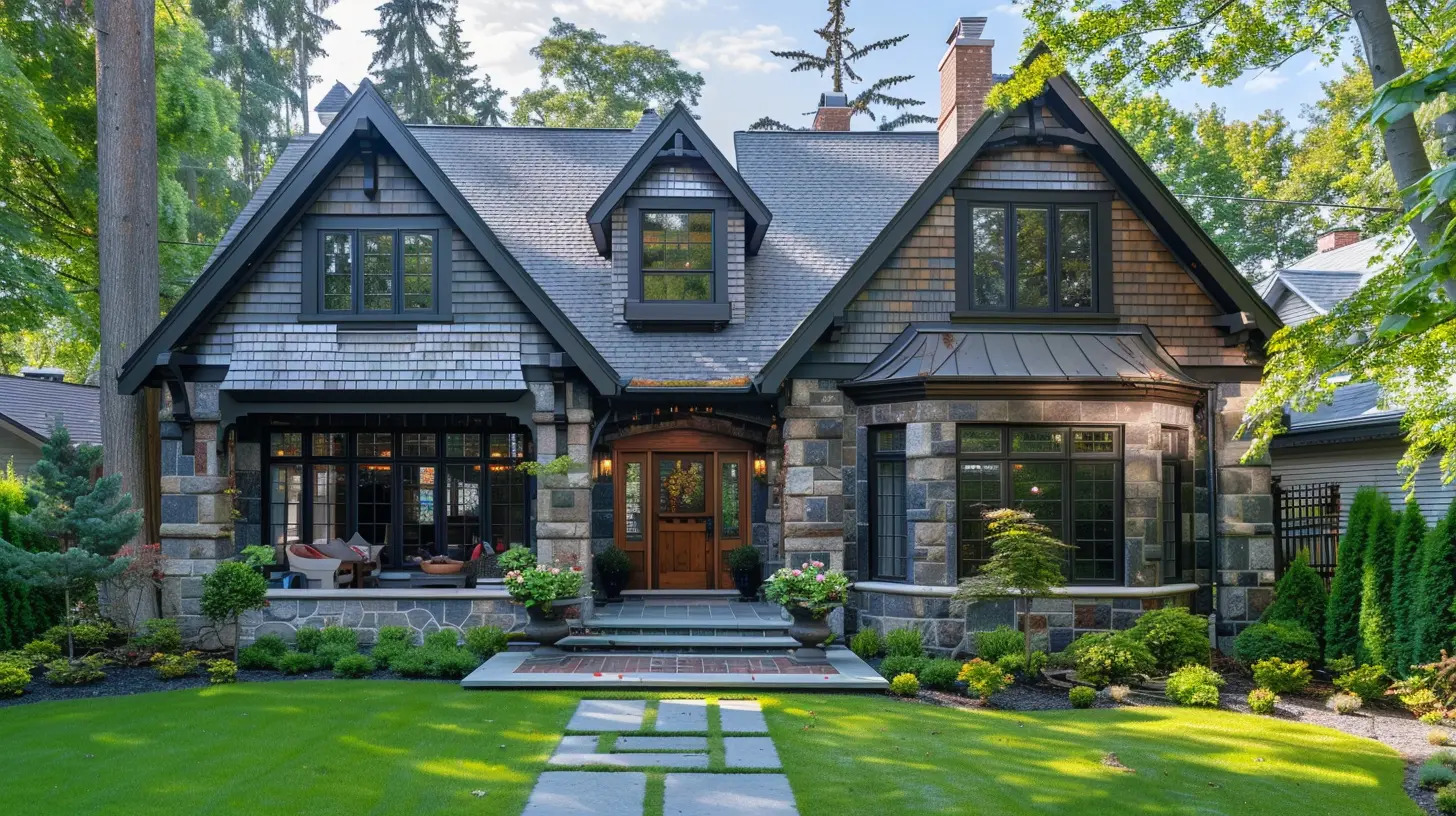
Why Are Mortgage Types So Important?
Before we dive into the specific types, let’s hit pause for a second and talk about why this decision is such a big deal. Your mortgage isn’t just a loan—it’s a long-term commitment. The type of mortgage you choose affects everything: your monthly payment, how much interest you’ll pay over time, and even how much flexibility you have if your financial situation changes. In short, your choice can either set you up for success or leave you scrambling in tough times.Think of it like choosing a pair of shoes. If you pick the wrong size or style, you’re going to feel it every single step of the way. Similarly, the wrong mortgage can pinch your wallet and cause unnecessary stress. So, let’s make sure you pick the perfect fit!
Fixed-Rate Mortgages (FRMs)
What Are They?
A fixed-rate mortgage is exactly what it sounds like—your interest rate stays the same for the entire term of the loan. These mortgages typically come in 15-year or 30-year terms, though other lengths are available.The Pros:
- Predictable Payments: Your monthly payment for principal and interest stays the same, no surprises here! This consistency makes budgeting a breeze.- Simplicity: Fixed-rate mortgages are straightforward. There’s no need to constantly monitor interest rates or worry about sudden changes.
- Protection Against Rising Rates: If interest rates go up in the future, you’re locked into your lower rate. You can thank yourself later.
The Cons:
- Higher Initial Interest Rates: The stability comes with a cost—your starting rate is usually higher than an adjustable-rate mortgage.- Less Flexibility: If interest rates drop significantly, you might feel stuck unless you refinance (which comes with its own fees and hassle).
Best For: People who crave stability and plan to stay in their home long-term. If you're the kind of person who doesn't like surprises, a fixed-rate mortgage might be your new best friend.
Adjustable-Rate Mortgages (ARMs)
What Are They?
With an adjustable-rate mortgage, your interest rate starts low but can change over time based on market conditions. They typically begin with a fixed-rate period—say, 5 or 7 years—then adjust annually.The Pros:
- Lower Initial Rates: The starting interest rate is usually lower than a fixed-rate mortgage, which means smaller initial payments.- Great for Short-Term Plans: If you only plan to stay in your home for a few years, you could save a lot of money during the fixed-rate period.
- Rate Drops Can Work in Your Favor: If interest rates fall, your monthly payments could decrease (but this isn’t guaranteed).
The Cons:
- Uncertainty: Once the fixed-rate period ends, your interest rate can go up—sometimes significantly. This can lead to higher monthly payments.- Complexity: ARMs can be a bit confusing because of the way adjustments are calculated. If you don’t fully understand the terms, you could be in for a rude awakening.
- Risky for Long-Term Buyers: If rates skyrocket, so do your payments.
Best For: Buyers who are confident they’ll sell or refinance before the fixed-rate period ends—or those willing to take a calculated risk for lower initial costs.
Government-Backed Loans (FHA, VA, and USDA)
If you’re looking for something a little different, government-backed loans might be just what you need. These loans are more specialized and come with their own benefits and drawbacks.FHA Loans
FHA loans are insured by the Federal Housing Administration and are popular among first-time buyers.The Pros:
- Low Down Payment: You can put down as little as 3.5%.- Flexible Requirements: FHA loans are great for buyers with lower credit scores or higher debt-to-income ratios.
- Competitive Interest Rates: Despite lower credit standards, you still get access to decent rates.
The Cons:
- Mortgage Insurance Costs: You’ll have to pay up-front and annual mortgage insurance premiums, which can add up.- Borrowing Limits: There’s a cap on how much you can borrow, which might not work if you’re house-hunting in a pricey area.
Best For: First-time buyers or those with less-than-perfect credit.
VA Loans
VA loans are a fantastic option for veterans, active-duty service members, and eligible reservists, as they’re backed by the Department of Veterans Affairs.The Pros:
- No Down Payment: That’s right—zero down!- No Private Mortgage Insurance (PMI): A huge money-saver compared to other loans.
- Competitive Interest Rates: VA loans usually come with lower rates than conventional loans.
The Cons:
- Eligibility Requirements: They’re only available to those with military ties.- Funding Fee: While there’s no PMI, VA loans come with a funding fee that can either be paid upfront or rolled into the loan.
Best For: Military members and their families who want a low-cost path to homeownership.
USDA Loans
These loans are backed by the U.S. Department of Agriculture and are designed for homes in rural or suburban areas.The Pros:
- No Down Payment: Like VA loans, USDA mortgages don’t require a down payment.- Low Interest Rates: They often have lower rates compared to other loans.
- Geared Toward Low-Income Buyers: USDA loans are specifically for people who might struggle to qualify for a conventional mortgage.
The Cons:
- Location Restrictions: Your home must be in an eligible rural or suburban area.- Income Limits: These loans are designed for low- to moderate-income borrowers, so high earners need not apply.
Best For: Buyers looking for an affordable mortgage in eligible rural or suburban areas.
Interest-Only Mortgages
Interest-only mortgages let you pay just the interest (no principal) for a set amount of time, typically 5-10 years.The Pros:
- Low Initial Payments: Your monthly payments will be much smaller during the interest-only period.- Free Up Cash: This can be helpful if you have other financial priorities, like starting a business or paying off debt.
The Cons:
- No Equity Building: Since you’re not paying down the principal, you don’t build home equity during the interest-only period.- Higher Payments Later: Once the interest-only period ends, your payments will spike.
- Risky: If your home’s value decreases, you could end up underwater (owing more than your home is worth).
Best For: Buyers who have irregular income or a short-term plan for the property but understand the risks involved.
Balloon Mortgages
Balloon mortgages are like the wildcard of the mortgage world. You pay low payments for a set number of years, then face a large lump-sum payment at the end.The Pros:
- Low Initial Costs: Monthly payments are usually lower than other mortgage types during the loan term.- Good for Short-Term Plans: If you know you’ll sell or refinance before the balloon payment is due, this could work for you.
The Cons:
- Big Risk: That lump-sum payment at the end can be a doozy. If you’re not prepared, you could lose your home.- Not Ideal for Long-Term Buyers: If you plan to stay put, a balloon mortgage likely isn’t the best choice.
Best For: Buyers with a solid plan to sell or refinance before the balloon payment hits.
How to Choose the Right Mortgage for You
So, how do you make the best choice? It all comes down to your personal situation and priorities. Ask yourself:- What’s my budget for monthly payments?
- How long do I plan to stay in the home?
- Am I comfortable with financial risk, or do I prefer stability?
- What’s my credit score and financial health like?
By answering these questions and understanding the pros and cons of each mortgage type, you’ll be in a much better position to pick the one that suits you.
Final Thoughts
Choosing the right mortgage might feel like a daunting task, but it doesn’t have to be! The key is to weigh the pros and cons of each type and match them to your unique situation. Whether you go for the predictability of a fixed-rate mortgage, the flexibility of an ARM, or the affordability of a government-backed loan, there’s something out there for everyone.At the end of the day, take your time, ask questions, and don’t be afraid to consult a mortgage professional. After all, this is one of the biggest financial decisions you’ll ever make—it’s okay to want to get it right.
all images in this post were generated using AI tools
Category:
Buyers GuideAuthor:

Mateo Hines
Discussion
rate this article
2 comments
Judith Holland
Know your mortgage options for informed decisions.
December 10, 2025 at 5:45 AM
Mateo Hines
Absolutely! Understanding your mortgage options is crucial for making informed decisions that align with your financial goals. Each type has its own pros and cons, so knowledge is key.
Drew Bowers
Great insights! Very helpful info!
December 9, 2025 at 5:37 AM
Mateo Hines
Thank you! I'm glad you found it helpful!